

 Joko Susilo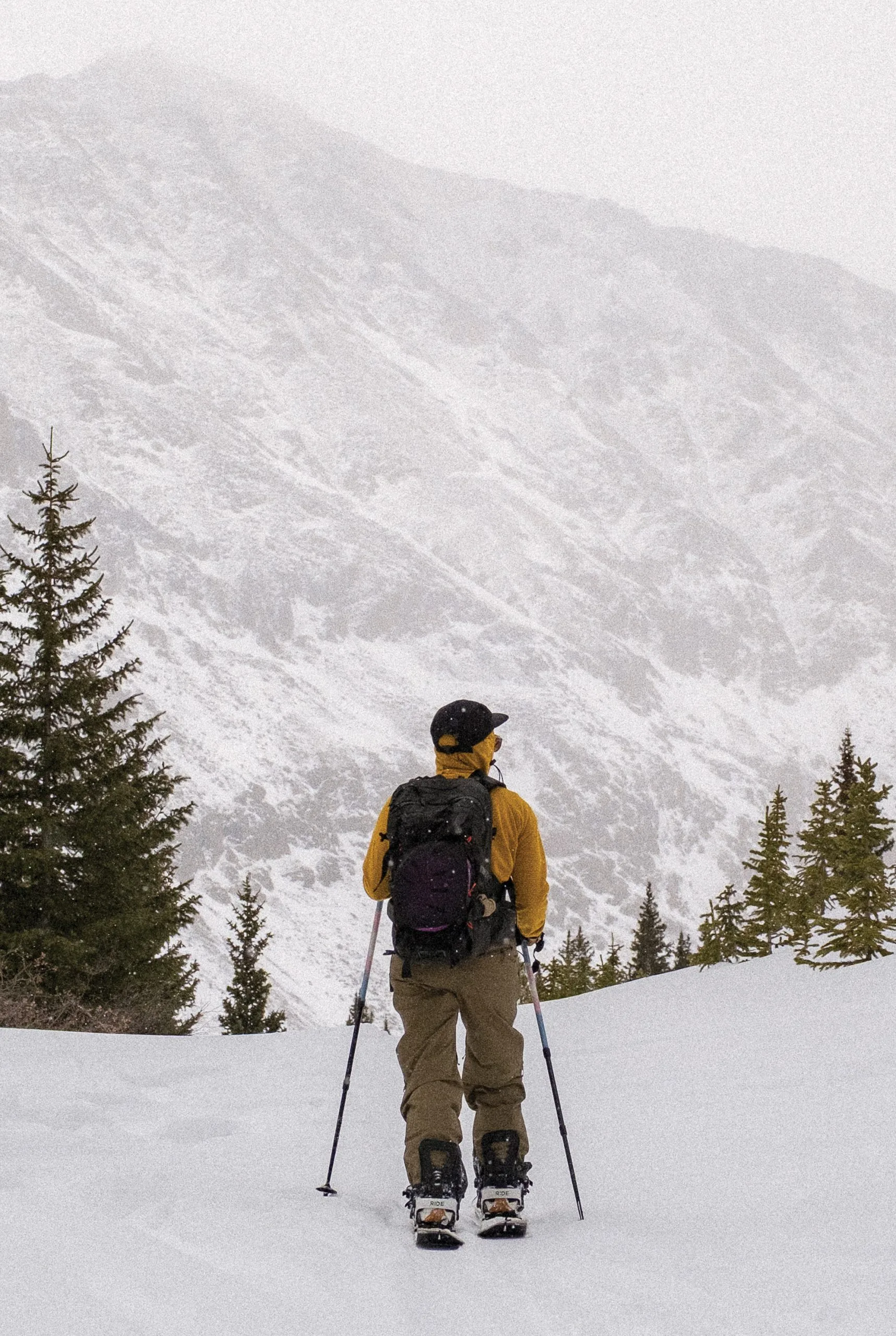
Colorado’s majestic peaks, typically blanketed in deep snow by mid-February, now present a stark and concerning panorama: skeletal ridges and exposed rocky ribs protrude through a pitiful snowpack, a testament to a winter season conspicuously lacking its usual vigor. This unsettling reality, marked by sugary snow under a fragile sun crust and visible brush, mirrors a broader existential disquiet felt by many residents, particularly those within the transgender community who find their bodies and identities increasingly scrutinized and legislated against. The twin pressures of a rapidly changing climate and a contentious socio-political landscape converge, creating a profound sense of vulnerability for individuals seeking solace and self-affirmation in the natural world.
The record-breaking lack of snow in Colorado is not merely an inconvenience for winter sports enthusiasts; it represents a critical indicator of accelerating climate change with far-reaching implications for the American West. Diminished snowpack directly impacts water resources, threatening agriculture, municipal supplies, and ecosystems reliant on snowmelt. It also exacerbates wildfire risks and poses significant economic challenges to a region heavily dependent on winter tourism. Scientists have long warned that rising global temperatures would lead to shorter, warmer winters and reduced snow accumulation, trends now visibly manifesting across mountain ranges worldwide. This environmental degradation unfolds against a backdrop of escalating legislative battles, where individual freedoms, particularly those concerning gender identity, face relentless pressure.

For transgender individuals, the current socio-political climate in the United States has fostered widespread anxiety and fear. Since early 2025, a dramatic surge in anti-trans legislation has swept across state houses, with thousands of bills introduced nationally targeting everything from gender-affirming healthcare to participation in sports and access to public facilities. While states like Colorado offer robust protections for transgender rights, the federal landscape and the sheer volume of these legislative attacks create an pervasive tension. This sustained campaign of scrutiny and attempts to strip protections, particularly for trans youth, transforms personal identity into a subject of constant national debate, impacting mental well-being and a sense of belonging. The very concept of bodily autonomy, fundamental to human dignity, becomes a battleground, forcing individuals to navigate a world where their existence is continually challenged.
Amidst these profound challenges, the backcountry offers a potent sanctuary—a space for self-reclamation and quiet defiance. For many, engaging with nature through activities like splitboarding becomes a meditative practice, allowing a focus on the body’s physical sensations and capabilities rather than external perceptions or societal judgments. Ascending a mountain, each vertical foot gained, transforms into an act of resistance, a tangible push against both the physical force of gravity and the metaphorical weight of governmental and societal pressures. The burning lungs and quads, the cold-bitten toes, all these micro-sensations ground one in the present moment, fostering a profound connection to the self.
The rhythmic "shuush-clack" of skins against snow provides a steady soundtrack to the climb, a sound that underscores the quiet solitude of the mountain. From the summit, the view reveals the extent of the early season snow loss, with distant peaks displaying the sparse covering typically seen much later in the year, after the last substantial snowfall. This visual confirmation of environmental change deepens the sense of urgency surrounding climate action. At this high-altitude "transition" point—where equipment is reconfigured from ascent to descent—a deeply personal ritual unfolds. The splitboard, separated for the climb, is reassembled, its halves reunited. It is here, before clicking into bindings for the descent, that a weekly dose of testosterone is administered, a private act of gender affirmation performed in the vast, unjudging expanse of the wilderness.

This parallel between the mechanical "transition" of gear and the personal journey of gender transition highlights a fundamental truth: both are acts of self-creation and self-alignment, driven by an innate understanding of what feels "right." Society often imposes a narrative of distress or unhappiness on transgender individuals, requiring a diagnosis of "gender dysphoria"—a discomfort with the mismatch between gender identity and physical characteristics—to access gender-affirming care. However, for many, the relationship with their body is not one of inherent unhappiness. Instead, it is a profound appreciation for what the body can achieve, combined with a clear recognition that an alternative expression of gender aligns more authentically with their inner self. The pursuit of gender affirmation, then, stems not from a rejection of the body, but from a deeper embrace of self and an aspiration for even greater congruence.
The memory of childhood dysphoria, triggered by societal expectations like wearing an Easter dress, underscores the difference between internal discomfort and external perception. The joy found then, and now, in escaping into the freedom of a snowsuit and a snowboard, away from scrutinizing eyes, remains a powerful testament to the liberating power of movement and nature. While navigating public spaces still invites unwelcome gazes—a mixture of curiosity, confusion, or even hostility—the silent, gentle observation of aspens in the backcountry offers a welcome respite. There, the only judgment comes from the terrain itself, a challenge to be met with skill and intuition, not with fear of social rejection.
Using the body through movement, especially in a sport like snowboarding, which has been a part of one’s life for decades, becomes a profound act of self-love and expression. The nuanced feel of snow through edges, the flow across slopes, the precise lines left behind, the weaving through trees—these are all forms of somatic poetry, a dance with gravity and terrain where mind and body work in seamless harmony. Pumping up and down gullies, the entire body activated, embodies "trans joy" and liberation. It is in this uninhibited physical expression that resilience is forged, a quiet strength that acknowledges the looming threats of bathroom bans, healthcare restrictions, athletic prohibitions, public-lands sell-offs, and warming winters, yet chooses to believe in the enduring right to access these vital spaces of self-discovery.

The warming of winters, the privatization of public lands, and the policing of transgender bodies are not isolated struggles; they are interconnected battles in a broader war against the fundamental human pursuit of happiness and autonomy. Public lands, in particular, serve as invaluable havens in a world increasingly dominated by demands for profit, productivity, and conformity. They offer a vital escape from societal expectations, a place where one can simply exist and thrive without judgment.
Returning from the backcountry, the serene view is abruptly interrupted by the scars of rare earth mining, a stark reminder of humanity’s impact on the landscape. As cellular service returns, a cascade of news alerts—more attacks on transgender rights, another historic low for the snowpack—underscores the relentless nature of these concurrent crises. Yet, the experience in the mountains instills a profound sense of purpose. The commitment to continue climbing, snowboarding, laughing, and loving remains unwavering. Engaging in sport and movement becomes a deliberate practice of clearing the mind, grounding oneself, and living fully in the body that is cherished. In this profound connection to the land and the self, the wilderness offers its own unique and essential form of gender-affirming care, a constant source of strength and affirmation in a challenging world.







