Rocky Georgio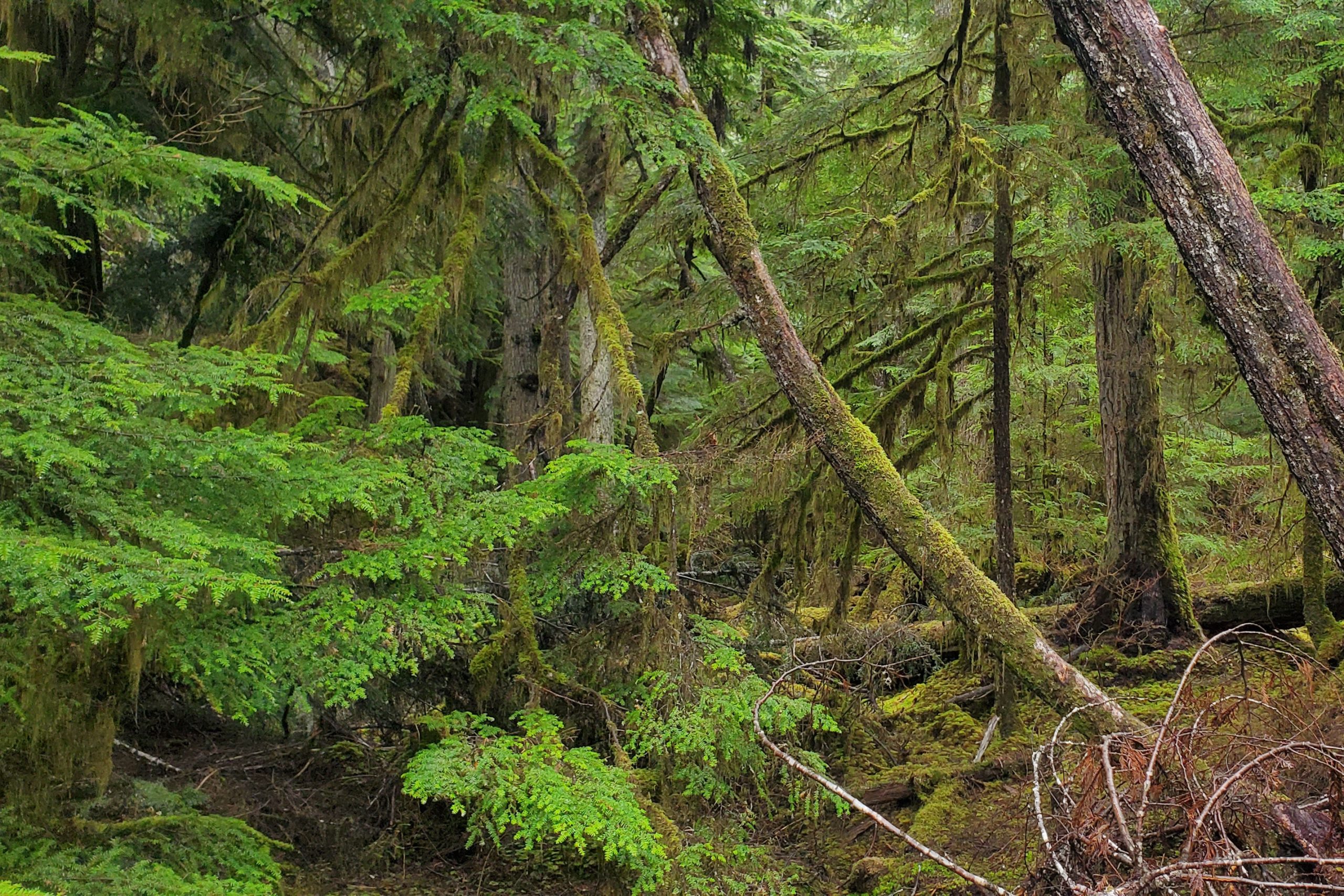
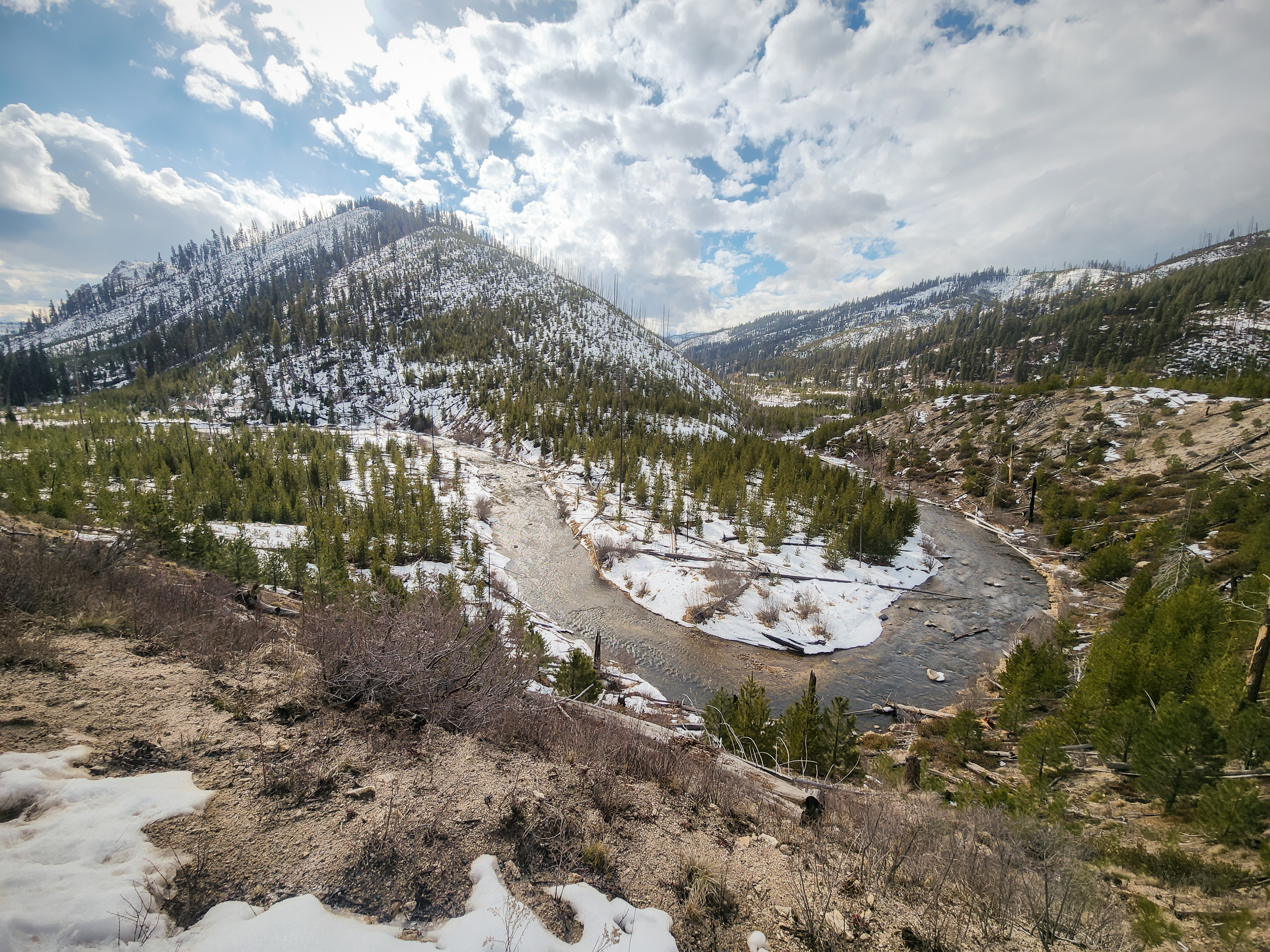
For a quarter-century, approximately 58 million acres of American forest have remained largely untouched by industrial development, characterized by a notable absence of new roads, logging equipment, and any presence on industrial maps. This year marks a dramatic acceleration in the potential transformation of these areas, a shift occurring far more rapidly than anticipated. The 2001 Roadless Area Conservation Rule, established to act as a critical safeguard for some of the most secluded and pristine federal lands, particularly in the Western United States, prohibited road construction and timber harvesting across 30% of the U.S. Forest Service’s managed acreage. These protected tracts, often visualized as untouched green expanses on maps, have largely resisted the pervasive impact of development that has reshaped surrounding landscapes, serving as a definitive boundary between industrial activity and natural preservation.
On June 23, 2025, Secretary of Agriculture Brooke Rollins announced the administration’s intention to fully rescind this foundational rule. By 2026, this policy reversal is entering its most critical phase, with the U.S. Department of Agriculture signaling an imminent release of a draft environmental impact statement and a formal proposed rule in the spring. This release will initiate a final public comment period, after which a definitive decision is expected by late 2026.
Compounding this significant policy shift, the USDA issued a formal reorganization order for the Forest Service on March 31. This structural overhaul includes the potential relocation or closure of regional offices and science centers, an action widely interpreted as a move designed to expedite the implementation of resource extraction directives. While the precise timeline for these organizational changes remains under development, the move clearly signals a pivot toward a more streamlined and extraction-focused management model for the agency.
These far-reaching changes trace their origins to an executive order that fundamentally alters the management paradigm for vast backcountry areas in the West. On March 1, 2025, President Donald Trump signed Executive Order 14225, titled "Immediate Expansion of American Timber Production," which mandates a 25% increase in timber volume harvested from federal lands. Secretary Rollins followed this directive in April with an "emergency situation determination," encompassing 112.6 million acres of national forest system land. This order cited an urgent need for rapidly scaled-up timber extraction, ostensibly to mitigate losses attributed to wildfire and insect infestation. The geographical scope of this memorandum, as mapped by investigative journalists, is striking: the areas now targeted for logging on a scale not witnessed since the 1970s significantly overlap with more than half of the acreage previously protected by the Roadless Rule. This overlap effectively fast-tracks the opening of approximately 25.7 million acres of pristine landscape to logging, allowing industrial activities to commence immediately rather than awaiting the formal repeal of the rule.
This administrative acceleration also bypasses another significant legal and ethical consideration: the federal government’s mandate to consult with federally recognized tribal governments. These sovereign nations possess inherent rights, treaty rights, and ancestral connections to approximately 44.7 million acres of inventoried roadless areas across 36 states—lands now imperiled by the USDA’s proposed rescission. The federal government’s failure to engage in meaningful consultation with these tribal nations represents a violation of its own long-standing regulations and executive orders mandating collaboration.

The Forest Service has already begun expediting projects, leveraging the "emergency situation" designation to circumvent standard environmental reviews in roadless national forest lands while the formal repeal process is still technically underway. This creates a scenario where the physical character of the backcountry can be irrevocably altered by road construction and timber harvesting long before the legal status of the land is officially changed. For many observers, the central question has shifted from whether the Roadless Rule will be repealed to how much of the roadless landscape will remain intact by the time the legal and administrative processes conclude.
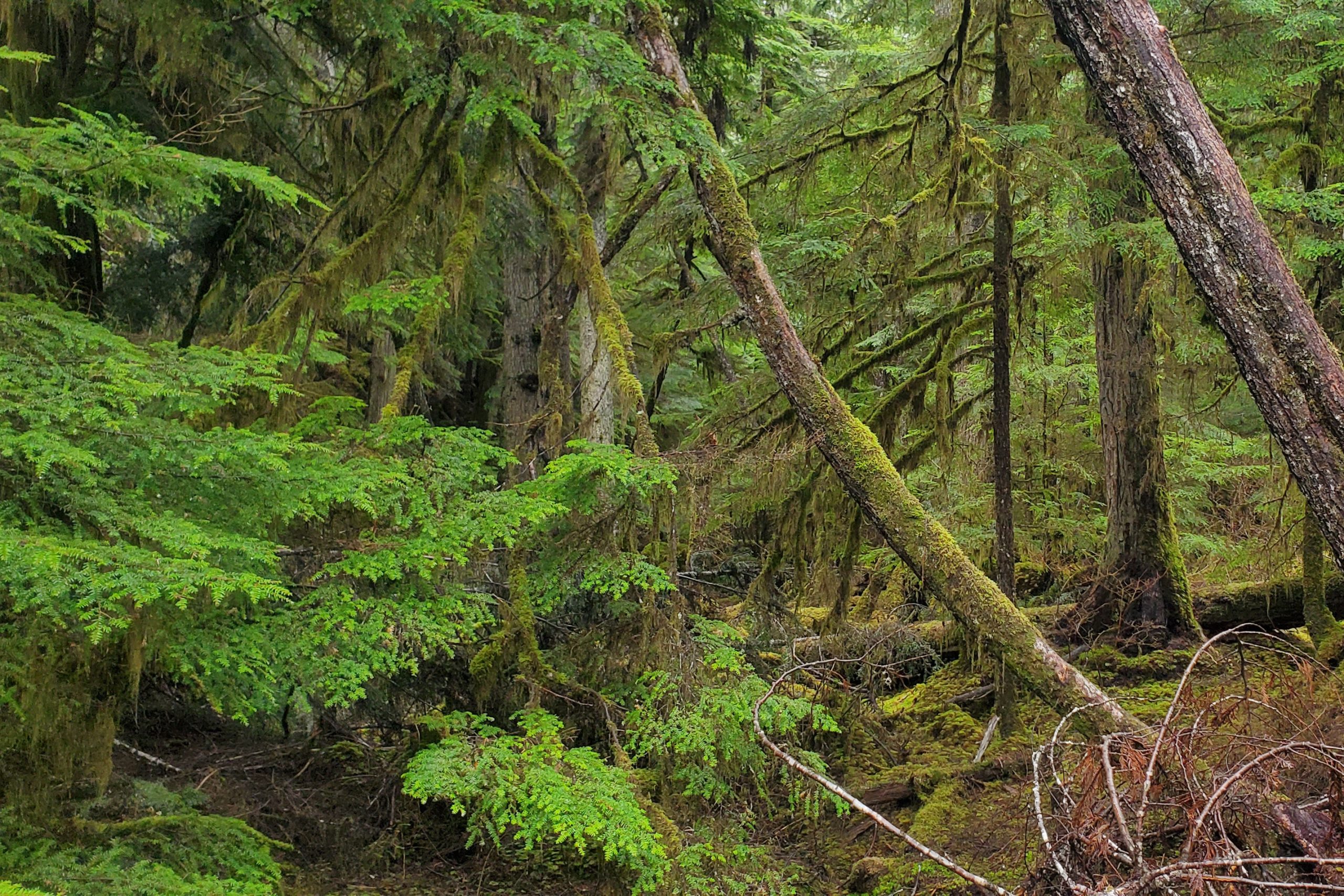
The 2001 Roadless Rule emerged from a recognition of an $8.5 billion backlog in road maintenance within the Forest Service. It acknowledged the agency’s financial inability to maintain, let alone expand, its existing 380,000-mile road network, which stands as the largest government-managed road infrastructure system globally. Beyond fiscal considerations, the rule preserved the ecological integrity of roughly 30% of the nation’s forests that remained undeveloped. These inventoried roadless areas were designated to maintain vital wildlife corridors, protect sources of clean water, and sustain baseline biological diversity, ensuring these extensive tracts remained among the most resilient parts of the national forest system, shielded from the habitat fragmentation inherent in industrial development. The rule also served as a budgetary hedge, preventing the compounding costs associated with future maintenance in challenging, unstable terrain. The move to repeal it suggests a return to a management philosophy where infrastructure costs are subsidized by timber receipts—a model that many economists argue was a primary driver of the agency’s substantial maintenance backlog.
Recreation has consistently been a primary argument in public discourse for maintaining the Roadless Rule. The logic is straightforward: 159 million annual visitors seek out the 77,000 miles of recreational trails and 2,500 miles of designated Wild and Scenic Rivers situated within roadless areas. Outdoor recreation on Forest Service lands contributes over $45 billion annually to the nation’s gross domestic product, a figure that consistently surpasses the economic footprint of industrial logging, especially when considering the long-term sustainability of tourism compared to the volatile boom-and-bust cycles of timber harvesting.

Beyond recreational pursuits, roadless areas provide significant economic, cultural, and health benefits to a broad spectrum of Americans, irrespective of their direct engagement with national forests. In rural communities nationwide, the presence of intact, roadless backcountry areas enhances property values, secures vital sources of drinking water, and fuels local business revenue. Approximately 125.5 million people, or about 39% of the continental United States population, rely on Forest Service lands for roughly 10% of their drinking water. These forests function as vast, natural filtration systems, purifying pollutants and regulating the timing of snowmelt. The current directive targets 32.25 million acres identified by the Forest Service as crucial for drinking water landscapes. Decades of Forest Service research consistently indicate that roads are the principal cause of water quality degradation in forested environments. The construction of roads into steep backcountry slopes disrupts natural mountain hydrology, creating pathways for soil erosion and increasing sedimentation in streams. This can overwhelm municipal water treatment systems, necessitating costly infrastructure upgrades funded by taxpayers. The Roadless Rule effectively acted as an insurance policy for the American taxpayer, safeguarding the purity of headwaters from development pressures; now, the legal barriers that once protected these sensitive watersheds have been significantly diminished.
This intensified push for resource extraction also impacts approximately 20 million acres of critical habitat for endangered or threatened species. For many wildlife species, a road represents more than just a physical alteration of the landscape; it serves as a barrier to migration and a source of chronic stress. The fragmentation of large, contiguous habitats into smaller, isolated pockets is a leading driver of species decline. Furthermore, the issue of wildfire is complex. While the USDA cites wildfire mitigation as a justification for its emergency order, data from the Western Fire Chiefs Association reveals that the majority of wildfire ignitions—over 90% in some regions—are human-caused. The addition of hundreds of miles of logging roads into previously roadless tracts increases the risk of accidental ignitions by expanding human and vehicle access into the core of forest ecosystems. Industrial logging can, in the short term, exacerbate fire risk by leaving behind slash—piles of debris from felled trees—which dries rapidly and serves as kindling. Moreover, by removing large, fire-resilient trees and opening the forest canopy, logging can alter the forest’s microclimate, leading to hotter, windier conditions that are more susceptible to rapidly spreading fires.
The most immediate logging plans are concentrated in the Pacific Northwest and Northern Rockies. Under President Trump’s Timber Extraction Directive, the Forest Service aims for a 25% increase in timber volume, targeting 4 billion board feet by 2028. In specific national forest districts, planning has advanced to the site-specific phase, where the emergency designation allows contractors to commence establishing survey camps and salvage infrastructure in a fraction of the time traditionally required. This accelerated industrial activity poses a threat to the recovery of ecosystems that are only beginning to stabilize. In Alaska, for instance, the Tongass National Forest, encompassing 9.2 million roadless acres, faces threats that are both ecological and economic. The Tlingit & Haida Nations have formally urged the USDA to suspend its decision until meaningful consultation takes place. Joel Jackson, president of the Organized Village of Kake, a federally recognized Tlingit tribe, expressed concern, stating, "Our forests are just now healing from the extensive clear-cut logging in the past. Number one is food security, and our deer and moose are rebounding. The remaining old growth timber is so important for providing shelter, the berries and our medicines. It provides shade for our streams to keep them cool, so our salmon can return year after year." Judith LeBlanc, executive director of Native Organizers Alliance and a member of Oklahoma’s Caddo Nation, criticized the administration’s approach, noting, "The Trump administration has weakened environmental impact assessments by cutting public comment periods and limiting reviews of impacts on public lands. On top of that, they have also refused to engage in the legally required consultations with Tribal nations. Tribes have an inherent right to determine the future of their ancestral homelands. Consultation and consent is not optional."

Across the nation, public sentiment overwhelmingly favors preservation, creating a significant disconnect between the administration’s actions and the views of the citizenry. An analysis by the Center for Western Priorities, a nonprofit advocating for clean energy and conservation in the West, of the 625,000 comments submitted during the initial public comment period last September revealed that an extraordinary 99% of respondents favored retaining the Roadless Rule—a level of consensus rarely seen in federal rulemaking. Despite this overwhelming opposition, a new comment period is anticipated following the release of the draft environmental impact statement. However, many critics view this comment period as largely ceremonial, given that the emergency order permits projects to advance significantly faster than the typical multi-year planning cycles. Many of these projects are expected to be active on the ground as early as this summer.
The emergency logging directive represents a fundamental shift towards a commodity-first management style that treats national forests more like timber warehouses than complex, multifunctional ecosystems. This approach effectively trades long-term ecological services, such as carbon sequestration, water filtration, and wildlife habitat, for short-term industrial access. The "emergency" framing facilitates a level of resource extraction not seen on public lands in half a century. As the Forest Service implements this directive, the nation’s roadless areas enter a period of profound uncertainty. The long-term costs—measured in degraded water quality, lost recreation revenue, heightened wildfire potential, and the decline of sensitive species—will ultimately far outweigh the short-term volume of timber extracted from these lands. The current administration’s vision of public lands as a temporary resource stands in direct opposition to the foundational mandate of the Forest Service, as articulated by its first chief, Gifford Pinchot: "to provide the greatest good for the greatest number of people in the long run."