Joko Susilo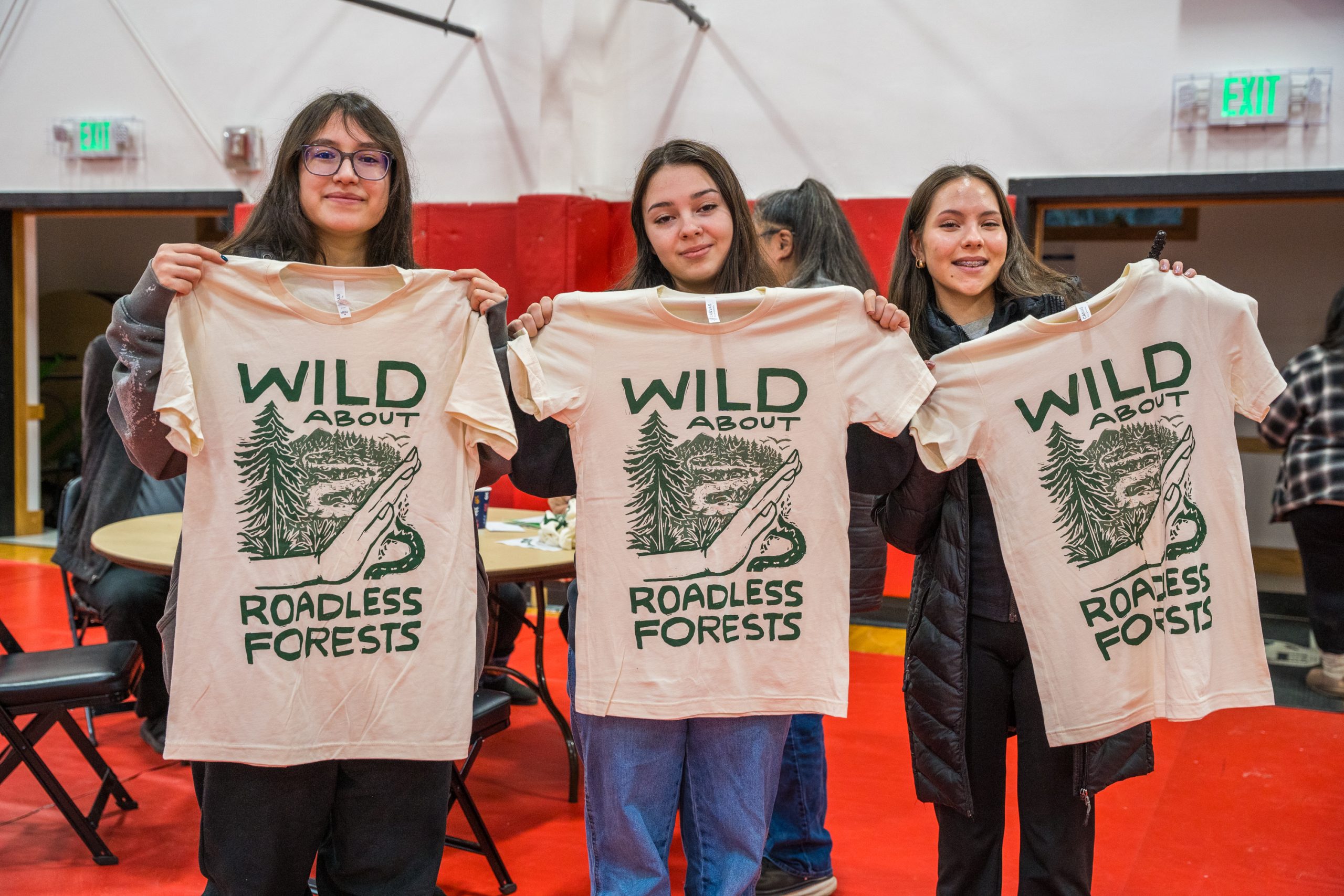
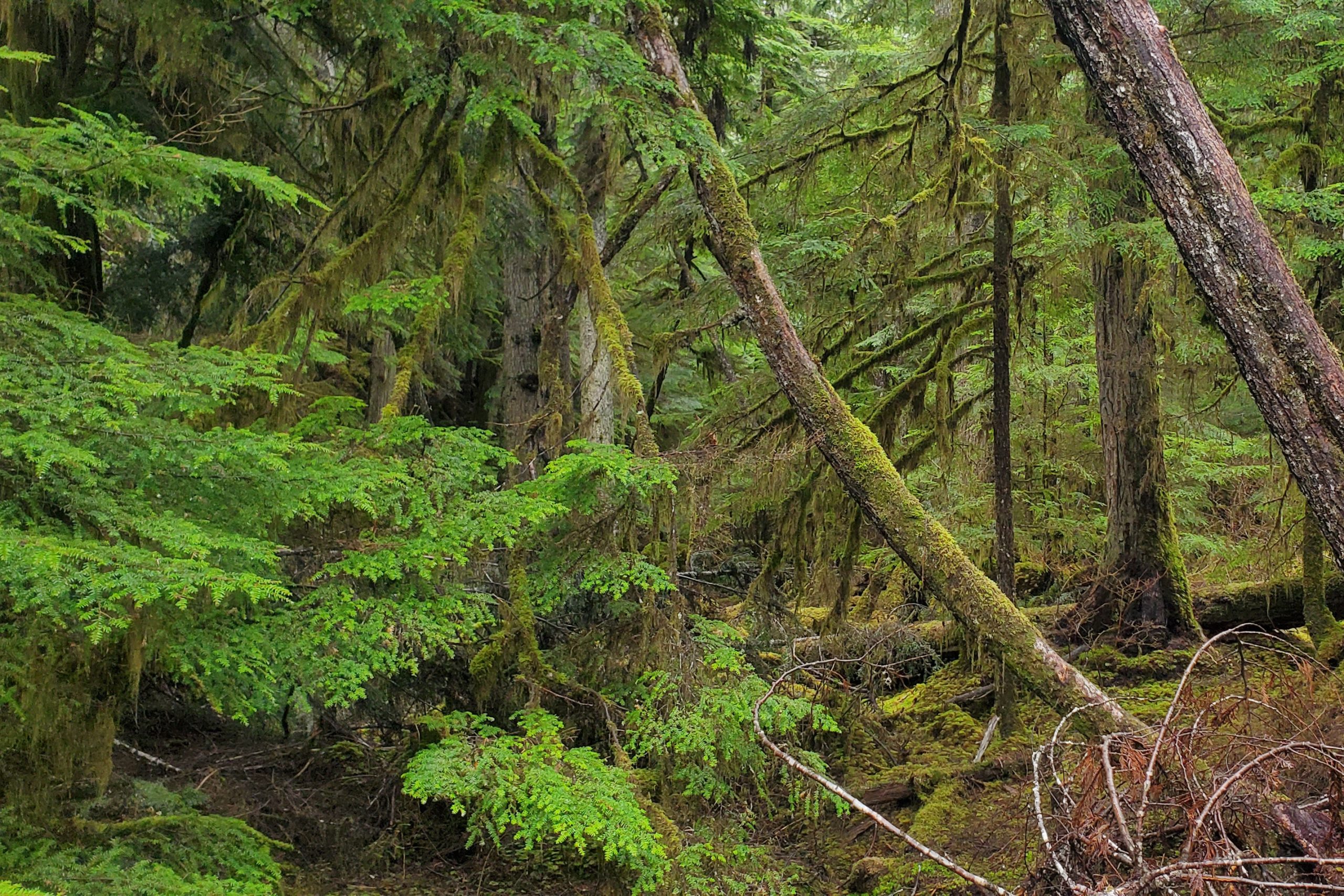
In a powerful demonstration of enduring commitment to conservation, the Organized Village of Kake, a sovereign tribal government nestled in the heart of Southeast Alaska, has once again voiced its steadfast support for the protection of roadless areas within national forests across the United States. This recent affirmation, delivered on April 3 at a "people’s hearing" co-hosted by the tribe and the Southeast Alaska Conservation Council, echoes a position first articulated over two decades ago, in 2001, when the tribe initially backed the U.S. Forest Service’s proposal to safeguard these pristine landscapes. Central to their advocacy is the nearby Tongass National Forest, a sprawling expanse of temperate rainforest that tribal leaders describe with profound reverence. Joel Jackson, who served on the tribal council in 2001 and now leads the Organized Village of Kake, eloquently characterized the Tongass as "the most beautiful cathedral you will ever walk into," emphasizing the deep ancestral ties of his people to this ancient forest, which they have inhabited and stewarded for at least 10,000 years. For the Kake people, ending clear-cutting and industrial exploitation in these vital ecosystems is not merely an environmental preference but a cultural imperative, crucial for preserving their way of life and the ecological integrity of their homeland.
Despite this clear and consistent message from Indigenous communities and conservation advocates, the U.S. Forest Service appears to be accelerating its plans to roll back the seminal Roadless Area Conservation Rule, commonly known as the Roadless Rule. This federal regulation, enacted in 2001, protects nearly 45 million acres of inventoried roadless areas within the National Forest System across 39 states, preserving them from most road construction and timber harvesting. These areas are invaluable for their ecological services, providing critical habitat for diverse wildlife, safeguarding clean drinking water for millions, offering unparalleled recreational opportunities, and acting as significant carbon sinks in the global fight against climate change. However, in stark contrast to the extensive public engagement that preceded its original adoption, the agency has conspicuously failed to convene any public meetings or indicate a willingness to do so, even as it signals an imminent dismantling of these vital protections.
Under federal statute, specifically the National Environmental Policy Act (NEPA), government agencies are legally mandated to solicit and consider public comment before implementing any significant land-use changes. This typically involves comprehensive environmental assessments, lengthy public comment periods, and open public meetings to ensure transparency and democratic participation. The historical precedent set by President Bill Clinton’s administration for the original Roadless Rule underscores this commitment, with more than 600 public hearings conducted over two years, allowing diverse stakeholders to contribute to the rule’s formation. Yet, the Forest Service’s current trajectory to unravel these protections has been met with widespread concern from environmental groups, tribal nations, and local communities, who contend that the agency is employing truncated public comment periods and sidestepping crucial public forums, thereby disenfranchising the very people whose lives, livelihoods, and cultural heritage are intrinsically linked to these national forests.
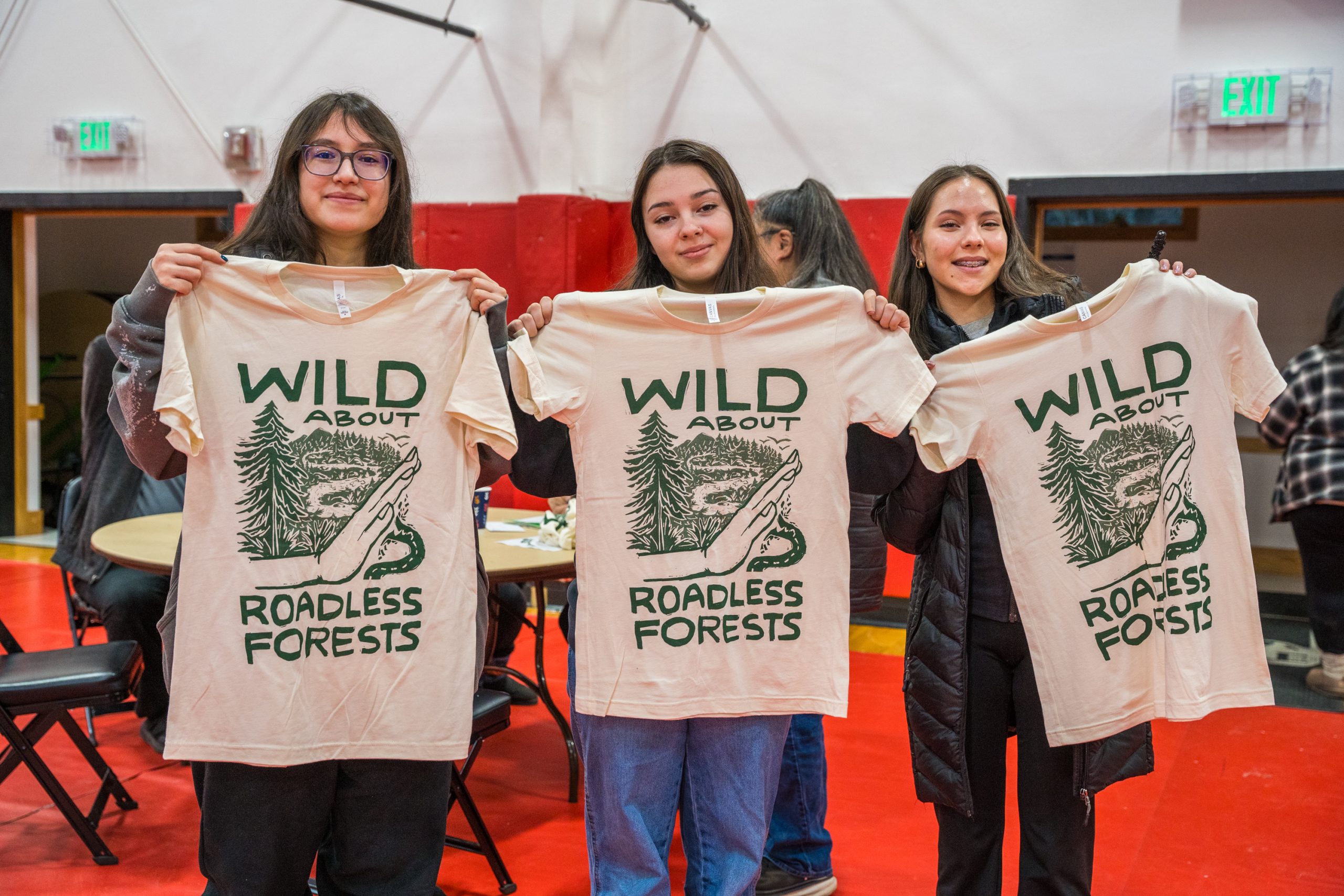
In direct response to this perceived lack of official engagement and a growing sense of urgency, community groups across the nation have mobilized, taking the initiative to organize their own "people’s hearings." These grassroots assemblies, such as the one where Joel Jackson testified, serve as crucial platforms for local and national nonprofits, tribal entities, and conservation organizations to inform residents about the impending Roadless Rule repeal. They provide opportunities to address community questions, foster solidarity around the issue, and meticulously record testimony, which will then be formally submitted as public comments when the official window eventually opens. Nathan Newcomer, federal campaigns manager for the Southeast Alaska Conservation Council, highlights the critical role of these gatherings in ensuring that the voices of those most affected are heard and documented.
The groundswell of these citizen-led hearings underscores the depth and breadth of public concern for America’s wildlands. From bustling urban centers to remote rural communities, citizens are actively participating in this democratic pushback. In Bend, Oregon, for example, raucous gatherings have drawn as many as 150 participants, including professional athletes and climate advocates, all speaking passionately about the irreplaceable value of roadless areas for outdoor recreation, ecological resilience, and climate mitigation. Conversely, in smaller, more rural towns like Libby, Montana, locals have lined up patiently to deliver heartfelt testimony, recounting personal connections to the land and emphasizing the rule’s importance for their communities. This decentralized, yet unified, effort spans the continent, with local nonprofits like the Southeast Alaska Conservation Council and numerous Sierra Club chapters spearheading organizational efforts in partnership with national advocacy groups such as Protect Our Winters and Great Old Broads for Wilderness. Alex Craven, the Sierra Club’s forest campaign manager, rightly describes it as a truly grassroots movement, demonstrating a collective resolve to protect these vital natural resources.

For many attendees, these hearings serve as an awakening, a stark realization of what stands to be lost. Lia Brewster, a campaign strategist for Washington state’s Sierra Club, notes that while some participants arrive fully informed and prepared to offer testimony, others come seeking information, only to discover that the land earmarked for potential logging, mining, or other extractive activities includes their cherished hiking trails, ancestral hunting grounds, or pristine fishing streams. Kristin Faulkner, a resident of Portland, Oregon, who supported the Roadless Rule in 2001, vividly recounts her shock at seeing maps at a local "people’s hearing" that depicted areas like Tamanawas Falls—a majestic 100-foot waterfall surrounded by ancient old-growth trees, a frequent family destination—and Elk Cove on Mount Hood, where she first experienced the transformative power of backpacking, as potentially vulnerable to clear-cutting. Her sentiment, "This is a country-wide issue, and it’s imperative everyone has a voice," encapsulates the widespread concern that the Forest Service’s current approach, devoid of public hearings, represents a fundamental assault on democratic principles.
The impact of these roadless areas transcends mere recreation; they are integral to community well-being and environmental health. In Arizona, where 1.1 million acres of roadless lands could be opened to development, the "people’s hearings" have seen remarkably diverse testimonies. Sandy Bahr, director of the Sierra Club’s Grand Canyon Chapter, shared that some of the youngest speakers in attendance were not yet born when the Roadless Rule was first adopted, making it almost inconceivable for them to envision a future where roads, mines, logging, and other forms of extraction could scar Arizona’s iconic landscapes. Their testimonies underscore a generational commitment to preserving wilderness for future generations. Moreover, the therapeutic value of these remote areas was highlighted by a military veteran at a Tucson meeting, who spoke movingly about how the tranquility and solitude of roadless forests aided his recovery from post-service trauma. Others emphasized the critical role of Arizona’s forests in fostering climate resiliency, protecting vital watersheds, and supporting the abundant wildlife that defines the region.
Organizers of these burgeoning "people’s hearings" are meticulously recording every piece of testimony, ensuring that each individual comment will be formally submitted when the Forest Service eventually releases its draft environmental impact statement and opens an official public comment period, which is anticipated next month. Attendees are also encouraged to complete pre-addressed postcards at the meetings, amplifying the collective voice of opposition. While the expedited nature of the Forest Service’s process might lead some to believe that the demise of roadless protections is a foregone conclusion, Nathan Newcomer of the Southeast Alaska Conservation Council emphasizes the paramount importance of this concerted effort: "It’s important to make a clear public record of how strongly opposed Americans are to getting rid of the Roadless Rule." This sustained grassroots advocacy not only champions the protection of America’s last remaining wild forests but also stands as a testament to the power of citizen engagement in shaping the future of national public lands.