Joko Susilo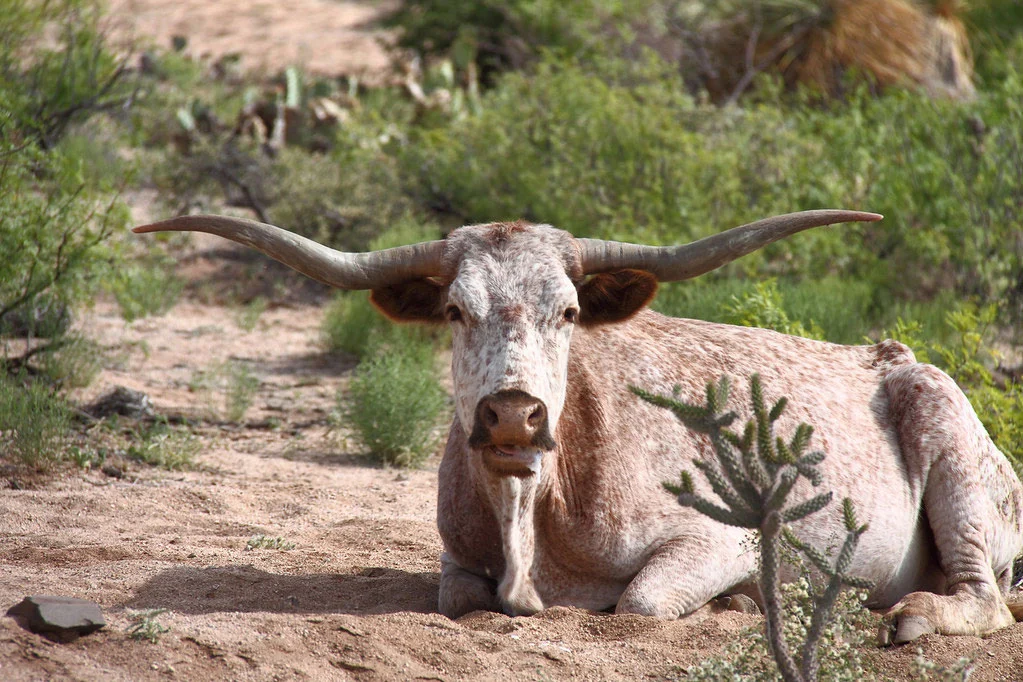
The Yellowjacket grazing allotment, an expanse of approximately 8,600 undulating acres of sandstone canyons, piñon and juniper forests, and sagebrush-covered mesas, near the Colorado-Utah border, stands as a quiet testament to the enduring struggles over land use in the American West. Located within the Canyon of the Ancients National Monument, this landscape possesses a subtle, understated beauty, lacking the dramatic, adrenaline-fueled allure of the more renowned red-rock country further west. Its true richness lies not in dramatic vistas, but in its profound cultural heritage, hosting dozens of catalogued Puebloan archaeological sites, ranging from impressive "castles" and hilltop shrines to distinctive Hovenweep-style towers, echoing millennia of human habitation and cultural evolution.
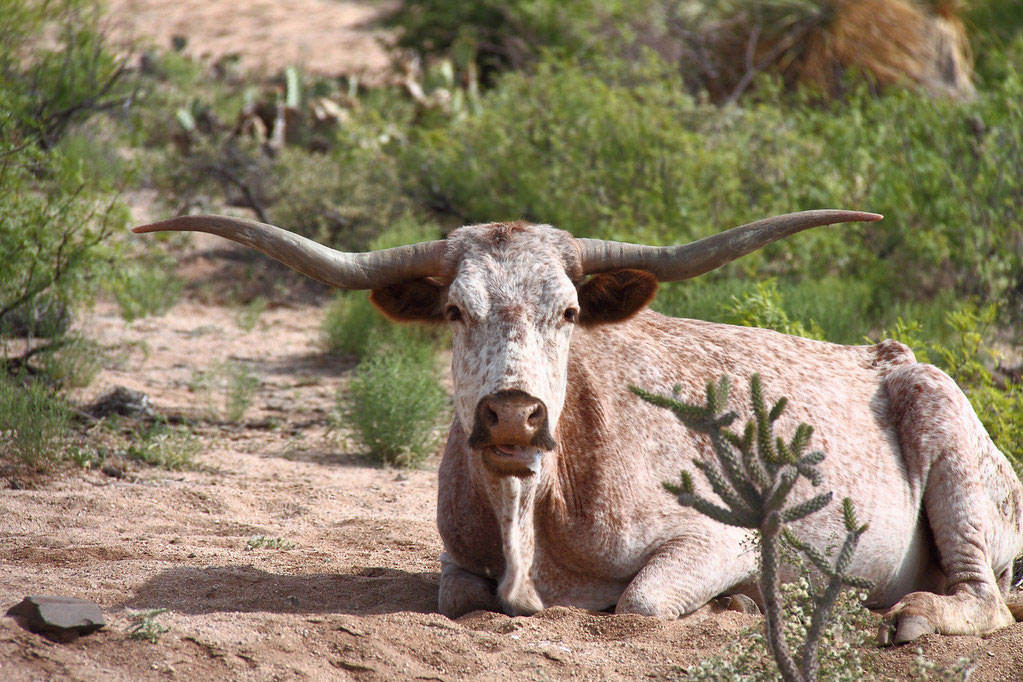
For over a century, the delicate ecosystems of the Yellowjacket region endured the relentless impacts of cattle grazing. Livestock devoured native grasses, trampled the fragile cryptobiotic crust vital for soil stability and moisture retention, destabilized ancient stone walls, and degraded the rare riparian zones—critical arteries of life in this arid environment. The cessation of grazing in 2005, when the last livestock operator voluntarily relinquished their Bureau of Land Management (BLM) lease, offered a rare opportunity for recovery. A comprehensive study conducted in 2016 by researchers from the Grand Canyon Trust and the University of Colorado documented the land’s slow but discernible healing process, showcasing the remarkable resilience of natural systems when given respite.
However, this period of ecological restoration now faces an imminent threat. The Yellowjacket allotment, along with a neighboring parcel, has reappeared on a recently disseminated BLM map titled "Federal Grazing Lands Potentially Available." This map signals a significant policy pivot, listing hundreds of currently livestock-free allotments across some 24 million acres of the Western United States. Many of these parcels were previously retired by leaseholders, often in exchange for compensation from conservation groups, specifically to benefit wildlife and allow ecological recovery. The inclusion of these lands on a list for potential re-leasing represents a direct challenge to years of conservation efforts and a potential reversal of environmental gains.

This move forms part of a broader, multi-agency initiative spearheaded by the current administration, involving both the U.S. Department of Agriculture (USDA) and the Department of the Interior. The stated objective is to significantly increase the number of cattle on public lands through the issuance of new grazing rules, the aggressive restocking of vacant leases, and a controversial shift towards allowing ranchers greater autonomy in monitoring and policing their own grazing allotments. According to a USDA white paper, the overarching aim is to "boost the supply of American born, raised, and harvested beef" by streamlining processes and cutting "bureaucratic red tape." The directive from agency leaders is clear: "maintain grazing capacity wherever possible," even on lands demonstrably degraded by past or present use.
Yet, this zealous promotion of domestic beef production on public lands is fraught with glaring contradictions. While USDA Secretary Brooke Rollins and others laud the administration for "putting America’s farmers and ranchers first," these same officials conspicuously overlook other executive directives. In February, the administration ordered a quadrupling of beef imports from Argentina, followed by a May pledge to bolster imports from Brazil and China. These seemingly conflicting policies, aimed at keeping fast-food staples like Big Macs affordable for consumers, underscore a complex globalized food system where domestic production on public lands plays a relatively minor, albeit environmentally impactful, role.

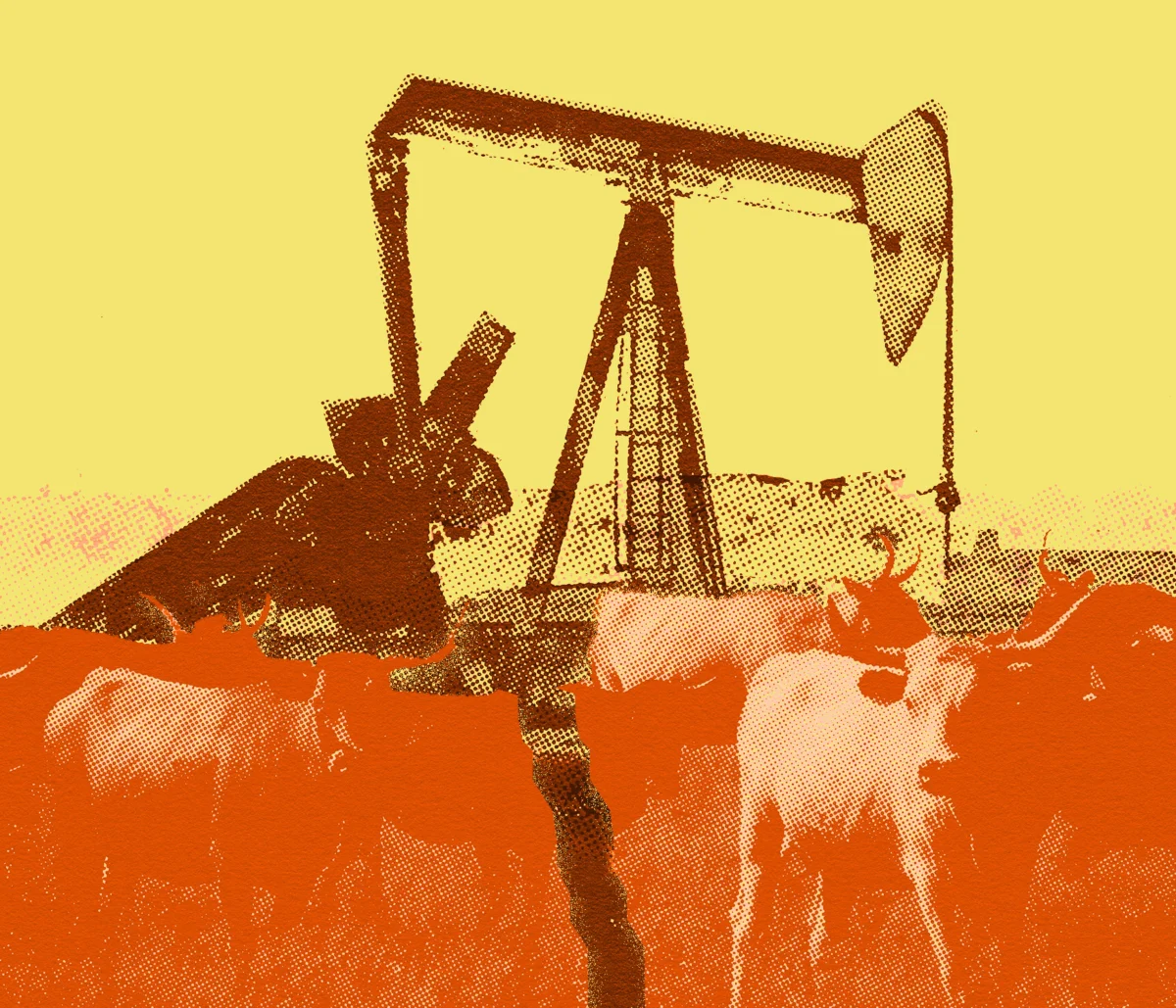
Public-land grazing occupies a unique and often contentious position within the tapestry of America’s federal land management. Among the many extractive uses permitted on public lands—from mining and logging to oil and gas exploration—livestock grazing has historically enjoyed the most expansive footprint and the least regulatory oversight. Its pervasive impacts on land, water quality, and even climate through methane emissions from cattle are well-documented by scientific consensus. Grazing permits, typically issued for ten years, are often renewed without rigorous environmental review, effectively granting ranchers what amount to lifetime prospects and even allowing them to be used as collateral for private loans. While the National Park Service generally prohibits grazing in its parks and monuments, it has largely continued unfettered within lands managed by the BLM and the U.S. Forest Service, leading critics to dub the BLM the "Bureau of Livestock and Mining."
The long-standing debate—or rather, the persistent lack of meaningful debate—over federal grazing fees offers a stark illustration of the BLM’s historically lenient approach to grazing. In 1978, Congress established a formula for setting these fees, but critically stipulated that they could not drop below $1.35 per animal unit month (AUM). An AUM represents the amount of forage needed to sustain one cow and her calf, or five sheep, for one month. Despite decades of inflation and rising land values, grazing fees have barely budged, reaching a mere $1.69 in 2025. This means a rancher can graze a cow-calf pair, which can consume half a ton of forage or more, for less than the cost of a premium cup of coffee. Economic analyses consistently show that these fees are a fraction of market rates and insufficient to cover the administrative costs of the grazing program, let alone the environmental restoration necessitated by grazing. Yet, every attempt to increase these fees and align them with market realities—from the Clinton administration’s proposals that sparked widespread outrage among Western politicians and ranchers, to the Obama administration’s efforts to add an administrative charge—has ultimately faltered. Even the current administration, after initially promising reform, quietly abandoned such efforts, simultaneously labeling active grazing lands as "conserved" and crafting management plans for national monuments like Grand Staircase-Escalante and Bears Ears that left livestock grazing virtually untouched. Ironically, Bears Ears may have enjoyed greater protection from livestock before it attained monument status.

While the previous administration was widely perceived as exceptionally favorable to public-lands ranching, the current administration has doubled down on efforts to appease the livestock lobby. Interior Secretary Doug Burgum’s primary focus has largely centered on fulfilling the President’s "energy dominance" agenda, prioritizing drilling and mining interests by fast-tracking environmental reviews and issuing permits at an unprecedented pace. Nevertheless, significant policy shifts have emerged to support the grazing industry. In February, the BLM entered into a memorandum of understanding (MOU) with the Public Lands Council, a powerful lobbying group representing public-lands ranchers, effectively allowing livestock operators to self-monitor their grazing allotments—a move widely criticized by environmental advocates as a conflict of interest. This was swiftly followed by a joint MOU between the USDA and the Interior Department, explicitly aimed at bolstering the American beef industry with a specific emphasis on expanding public-lands grazing. The BLM then proposed new grazing regulations designed to simplify permit renewals, conspicuously eliminating references to grazing as a "conservation use," and significantly diminishing opportunities for public input in land management decisions.
Concurrently, the administration rescinded the Public Lands Rule, which ranchers had vociferously—and, to many, irrationally—feared would lead to the "eradication" of public lands grazing. Further cementing its pro-ranching stance, the administration moved to reinstate the use of "cyanide bombs" (M-44 devices) for poisoning coyotes on public lands, a practice that poses risks to non-target species and raises ethical concerns. In another notable decision, driven by the urging of the Montana Stockgrowers Association, the administration revoked American Prairie’s grazing permits to run bison on BLM allotments in Montana, prioritizing domestic cattle over the reintroduction of a native species that once defined the American plains.

Despite these aggressive policy maneuvers, it remains unclear whether these actions will genuinely benefit Western ranchers in the long term. The overall number of cattle on public lands has been in decline for decades, a trend rarely attributable to BLM regulations. Instead, factors such as severe drought, diminishing forage availability due to climate change, and the inherent economic challenges of ranching often compel operators to voluntarily vacate or under-stock existing allotments. The administration’s current push to "peddle" vacant allotments may not find significant demand from eligible livestock operators, given the harsh realities of a changing landscape.
Crucially, some 2 million acres of the "potentially available" allotments highlighted on the new BLM map were previously retired through conservation buyouts. In these arrangements, conservation organizations purchase federal grazing leases from willing sellers, allowing the land to recover or mitigating conflicts with wildlife and recreational users. These transactions often represent a "win-win" for both ranchers, who receive fair compensation for their permits, and the environment. However, a significant loophole in federal law prevents these voluntarily vacated allotments from being permanently withdrawn from the grazing system—a loophole the current administration now appears intent on exploiting.

If the administration were truly committed to the long-term viability and well-being of Western ranchers, a more sustainable path would involve supporting a "just transition" away from public-lands grazing, which continues its gradual decline despite governmental efforts to prop it up. Such a transition would entail backing legislative initiatives like the Voluntary Grazing Permit Retirement Act, or similar bills, which would empower conservation groups to permanently purchase and retire federal grazing allotments from willing ranchers and livestock operators. These legislative efforts have historically faltered, largely due to political resistance from many Western politicians, across the political spectrum, who are wary of even appearing to support measures that could lead to fewer cattle on the land.
Meanwhile, back at the Yellowjacket allotment in southwestern Colorado, the administration’s actions risk perpetuating a romanticized, almost mythical, vision of ranching "heritage." While the concept of preserving cultural heritage is admirable, peering behind this curtain reveals a less palatable truth: reinforcing this illusion would necessitate sacrificing a recovering landscape, an irreplaceable repository of ancient Puebloan cultural heritage, and ultimately, the region’s own rich and genuine American natural and historical legacy for the sake of a fleeting, subsidized industry. The choice between ecological health, cultural preservation, and short-term economic gains remains a defining challenge for the American West.