

 Joko Susilo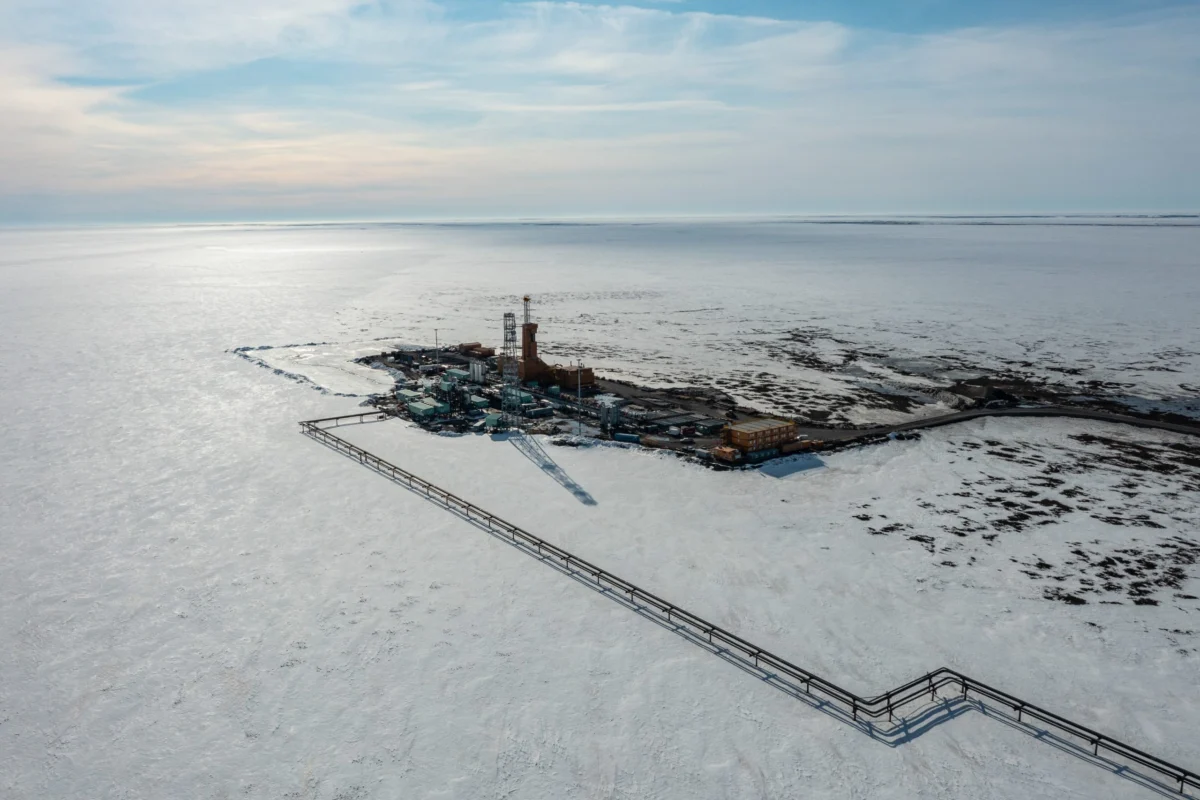
On his first day in office, President Donald Trump signed an executive order, "Unleashing Alaska’s Extraordinary Resource Potential," signaling an aggressive pivot towards maximizing resource extraction across the state. This directive specifically targeted Alaska’s abundant reserves of oil, gas, and critical minerals, calling for a significant expansion of development across the North Slope, including some of North America’s largest tracts of public land. The administration aimed to dismantle regulations and new protections established by the previous government, which Trump characterized as "punitive restrictions," and to drastically streamline the permitting and review processes for new projects, particularly within the ecologically sensitive coastal plain of the Arctic National Wildlife Refuge (ANWR) and the expansive National Petroleum Reserve-Alaska (NPRA). This move underscored a national energy policy focused on domestic production and energy independence, often prioritizing economic activity over environmental concerns in the nation’s last great wilderness.
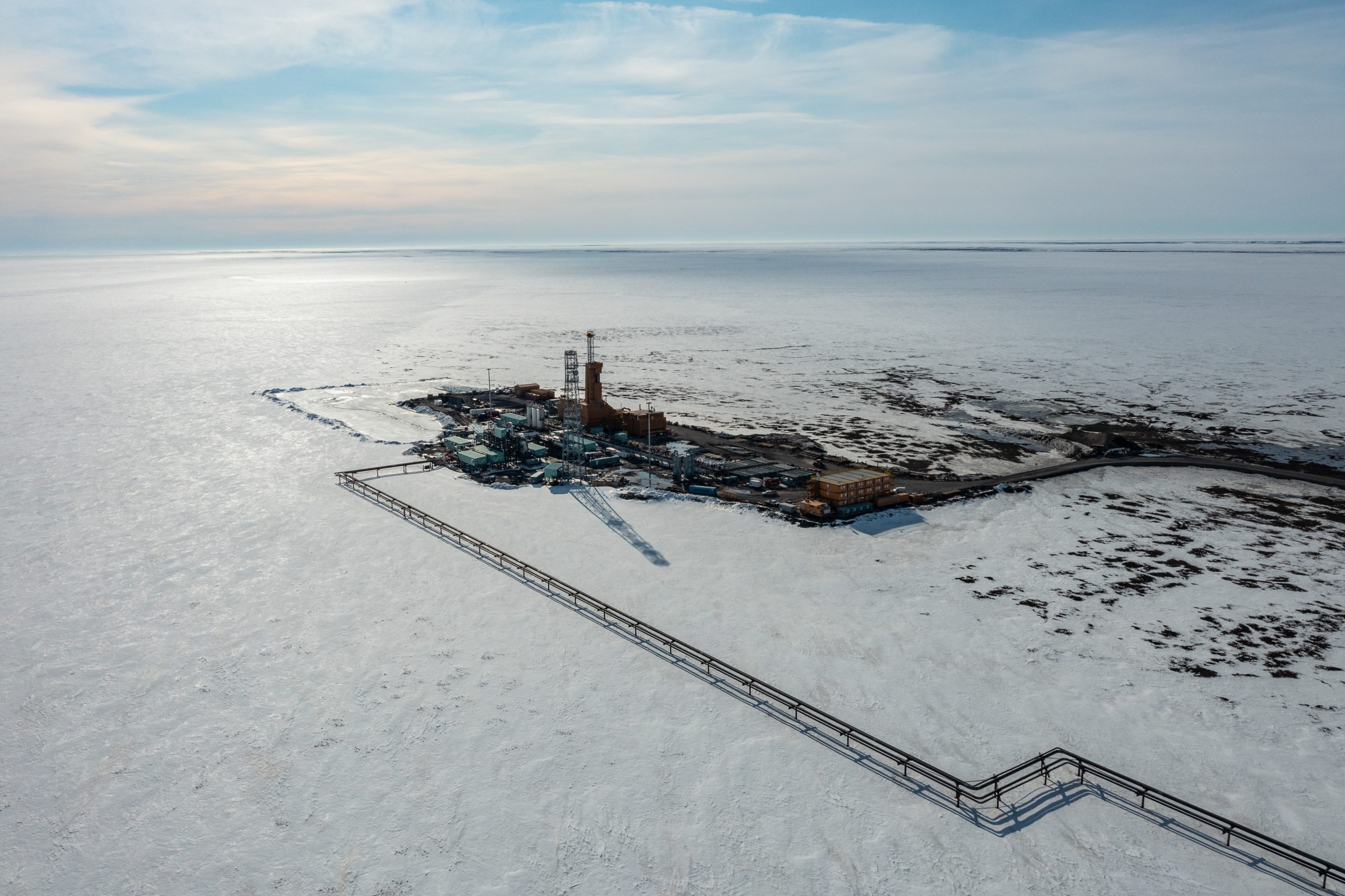
In a swift follow-up to this commitment, the Trump administration is now poised to fast-track oil and gas exploration in the NPRA, bypassing conventional environmental review processes for new winter exploration and drilling activities. According to sources familiar with the internal workings and documents reviewed, the Department of the Interior is on the verge of publishing a "categorical exclusion" (CE) to the National Environmental Policy Act (NEPA). This procedural maneuver would significantly ease the path for the oil and gas industry to conduct seismic surveys, secure rights of way, and drill new exploratory wells within the NPRA, an area that has recently surged in attractiveness for energy companies due to promising geological formations. Such an exemption, typically reserved for activities deemed to have "no significant impact" on the environment, raises profound questions about the government’s commitment to environmental stewardship in one of the planet’s most fragile ecosystems.
The implications of this expedited approach for the Arctic environment are substantial and far-reaching. Seismic surveys, employing massive vibroseis trucks weighing over 15 tons, do not merely pass over the landscape; they leave lasting scars on the delicate tundra and cause significant disturbance to wildlife. This includes critically important populations such as female polar bears, which rely on the coastal regions of the North Slope for denning during the winter months, and whose numbers have already faced a steep decline over the past two decades dueacing the existential threat of climate change and habitat loss. Furthermore, the construction of drilling pads, access roads, and other related infrastructure is inherently intrusive. Recent studies by the U.S. Geological Survey have unequivocally demonstrated that such development alters the behavior and migration patterns of caribou herds, which are vital to the ecological balance of the Arctic and the subsistence cultures of Indigenous communities. These environmental impacts are exacerbated by the rapidly warming conditions across the Arctic, where thawing permafrost — a critical foundation for much of the region’s infrastructure and a vast carbon sink — presents an increasingly complex and dangerous challenge for industrial operations.
Crucially, this proposed categorical exclusion, tentatively titled "NPR-A Wintertime Oil and Gas Exploration Operations," is being developed and is expected to be released without any opportunity for public comment or input from the local communities directly affected by these changes. This lack of transparency starkly contrasts with established norms for federal decision-making processes, which traditionally invite public participation, especially on projects with potentially significant environmental consequences. While an Interior spokesperson confirmed the department is working on a categorical exclusion, citing findings from "dozens of environmental reviews" to create a "more efficient, predictable, and effective process while upholding environmental standards," critics argue that bypassing public engagement undermines the very spirit of NEPA, designed to ensure informed decision-making.
Legal experts and environmental advocates have voiced strong opposition to the administration’s proposed actions. Jeremy Lieb, a senior attorney at Earthjustice, a prominent advocacy group with a history of challenging development in the NPRA, emphasized that exploratory drilling and seismic testing are not minor undertakings but "large-scale, industrial activities that cause significant, lasting negative impacts to the environment and nearby communities." Lieb contends that these activities are precisely the kind that demand rigorous scrutiny and comprehensive environmental assessment, not a blanket exemption. He further warned that the new rules, combined with other regulatory changes, effectively serve as a "rubber-stamp" for industry operations in a remote and highly sensitive ecosystem, enabling projects to move forward without adequate public oversight or evaluation of their true environmental costs.
The 23-million-acre National Petroleum Reserve-Alaska, managed by the Department of the Interior, represents the largest single block of public land in the United States and is a global ecological treasure. Beyond its vast energy potential, it provides essential habitat for dozens of migratory bird species, supports critical denning grounds for polar bears, and sustains three distinct caribou herds, two of which have experienced dramatic population declines over the last decade. Under the previous Biden administration, a substantial portion of this reserve was explicitly designated for conservation. The Interior Department was actively working to establish a roughly 1-million-acre caribou conservation area, a direct request from the Native Village of Nuiqsut, an Indigenous community situated just east of the reserve, whose cultural identity and sustenance are inextricably linked to the health and migration patterns of the Teshekpuk Caribou herd. This agreement, finalized shortly before Biden left office, sought to impose additional restrictions on drilling activities within the herd’s prime calving areas, recognizing the delicate balance required for their survival.
However, since the current administration took office, the regulatory landscape has shifted dramatically. The Interior Department has systematically dismantled the Biden-era conservation regulations and rescinded the caribou conservation initiative, unequivocally prioritizing oil and gas development. Rosemary Ahtuangaruak, former Mayor of Nuiqsut and now head of an environmental nonprofit, articulates the profound sense of betrayal and vulnerability felt by her community. She describes the area around Nuiqsut as being "inundated with new drilling activity" and points to evidence suggesting that the Teshekpuk herd’s migration patterns have already been disrupted, threatening a way of life that has endured for millennia. "All of the contractual agreements that were supposed to guide how development is going to occur have been ripped out of the books," Ahtuangaruak stated, adding, "We feel that it doesn’t matter that we have a unique DNA, a small community of 500 people, that are just being totally disregarded and sacrificed for the greed of development." In response to the cancellation of the conservation program, Nuiqsut bravely pursued legal action against the department, successfully securing a preliminary injunction in March, a testament to their unwavering fight for their land and heritage.

The influence of industry on these policy reversals is evident. Following a petition from the Alaska Oil and Gas Association (AOGA), a powerful trade group advocating for drilling in the state, the federal agency announced its intention to "streamline permitting for oil and gas infrastructure" in the NPRA. The deep ties between the administration and the industry are notable: Kara Moriarty, AOGA’s former CEO and president, now serves as a senior advisor at Interior, while Steve Wackowski, Interior’s senior advisor for Alaska during Trump’s first term, subsequently replaced Moriarty as head of AOGA. This "revolving door" phenomenon raises significant questions about potential conflicts of interest and the integrity of regulatory processes. The administration’s plan also includes developing a "blanket environmental impact statement" for all oil and gas production sites in the NPRA, designed to simplify approvals for pipelines, gravel mines, access roads, and other essential infrastructure, further consolidating industry’s operational freedom.
These regulatory shifts are further enabled by recent changes to the National Environmental Policy Act itself. The Council on Environmental Quality (CEQ) has issued guidance emphasizing the importance of CEs as a "core feature of NEPA." More critically, the CEQ recently relinquished its government-wide responsibility to oversee and implement NEPA, a move that now permits federal agencies to bypass the traditional 30-day public comment period when establishing new categorical exclusions. This unprecedented change has created what Ted Boling, a partner at Ashurst Perkins Coie and former CEQ member, describes as "uncharted territory" for federal agencies. Given the immense size and ecological complexity of the NPRA, Boling cautions that the forthcoming provision could be highly vulnerable to legal challenges, especially if it proceeds without the established public consultation processes that have historically lent legitimacy to such environmental decisions.
The accelerated push for development coincides with a surge in industry interest and lease acquisitions within the NPRA. During a lease sale held in March, major energy players including ExxonMobil, ConocoPhillips, and Shell, along with wildcatter Bill Armstrong’s North Slope Exploration LLC, secured nearly 200 parcels encompassing over 1.3 million acres. Much of this newly leased land is strategically located near ConocoPhillips’ controversial Willow Project, a massive oil development approved during the Biden administration, which includes infrastructure designed to facilitate future expansion. Alarmingly, some of ExxonMobil’s new leases, situated just south of Teshekpuk Lake—the largest body of freshwater in Arctic Alaska and a critical ecological hub—fall directly within the boundaries of the proposed caribou conservation area, intensifying the conflict between development and preservation. Matt Jackson, Alaska senior manager for The Wilderness Society, which is actively litigating against the Interior Department’s development plans in the NPRA, unequivocally states that public lands in the Arctic are being "sacrificed for oil company profits," underscoring the high stakes involved in this resource battle.
The NPRA’s history is as rich as its resources. Originally set aside in the early 1920s as a naval petroleum reserve, it saw remarkably little development for decades, with most oil and gas drilling on the North Slope concentrated in and around state-owned Prudhoe Bay. However, the landscape began to shift in recent decades as ConocoPhillips gradually expanded its operations westward into the reserve. A significant discovery by independent wildcatter Bill Armstrong in 2013, particularly in the formation surrounding the Willow Project, reignited industry interest and spurred talk of a "North Slope renaissance." Armstrong’s company, North Slope Exploration LLC, notably acquired the highest number of tracts in the recent NPRA lease sale, positioning itself to aggressively develop these leases with significantly reduced environmental oversight under the new regulatory framework.

This proposed surge in development poses an amplified risk to an already fragile and rapidly changing environment. The Arctic is experiencing warming at a rate two to three times faster than the global average, a phenomenon that triggers widespread permafrost thaw, accelerates coastal erosion, and creates increasingly unpredictable winter weather patterns—precisely the season when most drilling activities occur. A stark reminder of these heightened risks occurred this past January when one of ConocoPhillips’ drilling rigs, known as "the beast" for its immense size, toppled over and caught fire while being moved along an ice road toward the Willow project, following an unusually warm week. The incident resulted in injuries to several employees and the spill of thousands of gallons of oil across the tundra. It took the operator four months to remove the rig and complete cleanup efforts, a vivid illustration of the severe operational challenges and potential for disaster in this extreme and volatile environment. As Earthjustice attorney Jeremy Lieb aptly put it, the incident served as a powerful reminder of "the scale of these projects and the kind of things that can go wrong," underscoring the precarious balance between resource extraction and environmental integrity in the rapidly transforming Arctic.







