

 Johny Prima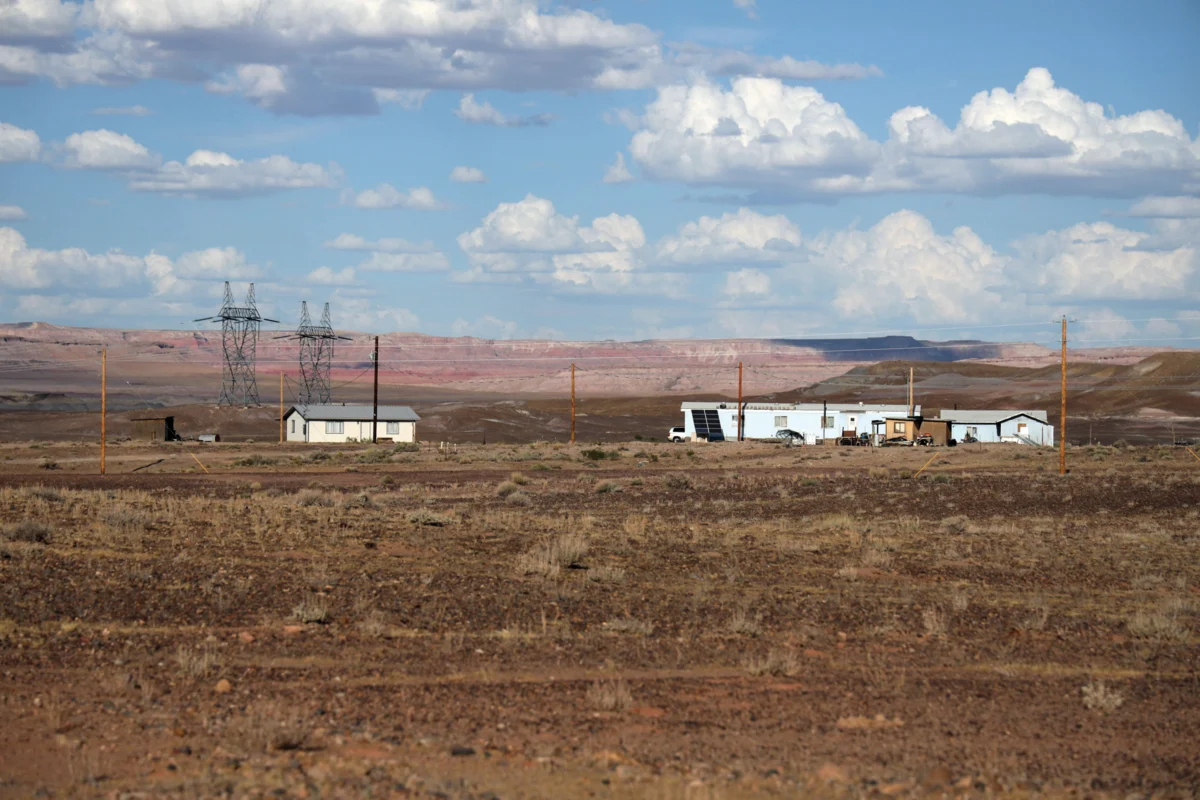
The proposed Painted Desert Power project, poised to become one of the largest solar installations in the United States, has ignited a complex and often fraught debate within the Coalmine Canyon Chapter of the Navajo Nation. Initially met with skepticism, the plan, which rapidly expanded from an estimated 1,000 acres to over 4,000 acres of vital rangeland, has exacerbated a deep-seated distrust of the tribal government and a pervasive sense of community disregard. This tension highlights the intricate challenges of energy transition on Indigenous lands, where the promise of renewable power often collides with historical grievances and the struggle for local self-determination.
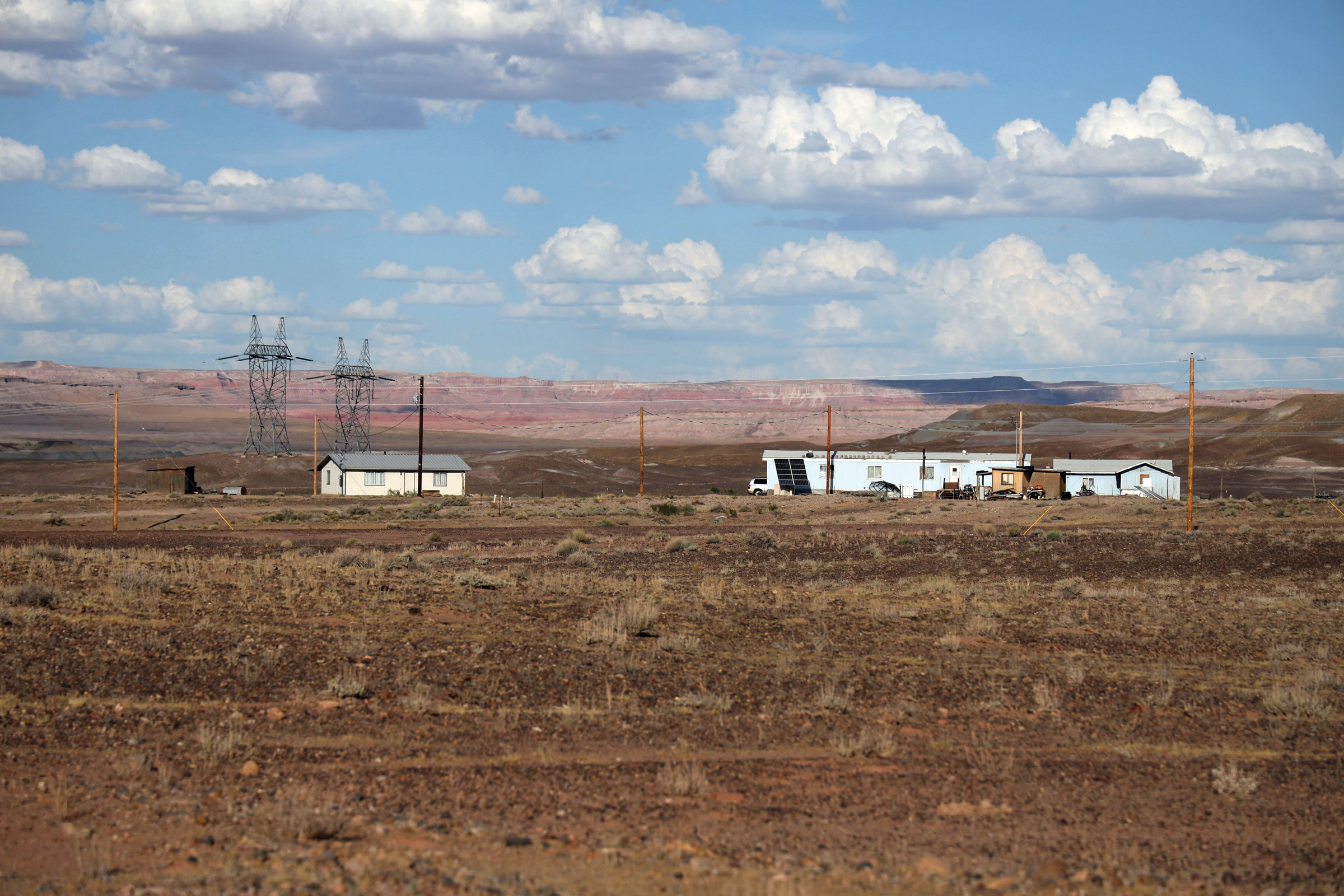
Tyrel Jones, secretary of the Coalmine Canyon Chapter’s Community Land Use Planning Committee, articulates the prevailing sentiment: "That made this whole project, as it kept progressing, more and more like we were being sold down the river. Or being taken advantage of, and not given any real voice." This feeling is compounded by communication barriers. Freddie Hatathlie, a retired Army veteran, rancher, and lifelong resident of Coalmine Canyon in northeast Arizona, described the difficulty community members faced in grasping the sheer scale of a development designed to generate hundreds of megawatts of electricity. Technical presentations, often conducted exclusively in English, proved inaccessible to many elders and residents for whom Navajo is the primary language, creating a significant knowledge gap. Hatathlie emphasized the need for tangible representations, stating, "Make a model, draw models, build a model, so we can see it. The only way I understand is because I worked in a big power plant."
The expansion of solar energy on the Navajo Nation is not merely an economic shift; it is a profound social and cultural transformation. With the closure of revenue-generating coal operations, such as the Navajo Generating Station, the tribe has aggressively pursued renewable energy projects to stabilize its economy and secure a sustainable future. However, the Painted Desert Power project, envisioned as a colossal undertaking occupying 4,500 acres, starkly contrasts with existing solar installations, which collectively span approximately 915 acres. This project is a partnership between Navajo Power PBC, a Navajo-owned, non-tribal-affiliated organization dedicated to bringing renewable energy to tribal communities, and Applied Energy Services (AES), a Virginia-based energy giant slated to own and operate the facility. Together, they formed Painted Desert Power LLC.

While AES asserts robust community engagement, stating it held over 70 chapter and community meetings, secured four chapter resolutions of support, and obtained written consent from affected grazing-permit holders as required by Navajo leasing regulations, the perception on the ground differs dramatically. In an email, the project team affirmed, "At AES, we understand that our success as a company is only as strong as our partnerships with the communities where we operate. Community consent is at the core of AES and Navajo Power PBC’s approach to development on the Navajo Nation." Yet, despite these assurances, many residents closest to the proposed development remain confused about its specifics, operational mechanisms, and true benefits to their community.
Jones views the project’s rapid expansion and the involvement of a large external entity like AES as a worrying trend. He sees it as "just another example of a Trojan horse after another Trojan horse after another Trojan horse — which eventually we will have no say-so over any of these major promised entities." This analogy resonates deeply within Indigenous communities globally, which have long experienced external entities making promises of development that ultimately lead to resource extraction with limited local benefit and diminished autonomy. The initial proposals, presented during the early stages of the COVID-19 pandemic, often consisted of vague pamphlets rather than formal documentation, further fueling suspicions about the project’s true scope and ultimate beneficiaries.

A core concern for residents like Hatathlie is the destination of the generated electricity. The power will not directly serve local homes but will instead feed into the broader regional electrical grid, echoing the historical pattern of the Navajo Generating Station, which primarily powered distant cities outside the Nation. "If you look at the Navajo Generating Station over there in Page, you know that generating station didn’t power Page at all. Zero," Hatathlie pointed out. AES confirms that the Painted Desert Power project will not directly power local Navajo homes. To address immediate local electricity needs, Navajo Power PBC co-created Navajo Power Home, a subsidiary that installs off-grid solar systems for individual households. AES reports over 550 such installations across the Navajo Nation, including more than 80 in the Cameron and Coalmine Canyon chapters, with plans for 300 more by year-end. However, even these smaller-scale solutions are not without limitations. Arlando Yellowhair, a Coalmine Canyon Navy veteran and recipient of a Navajo Power Home unit, noted that the eight-kilowatt system provides just enough electricity for a refrigerator and a few lights, requiring careful usage monitoring. "Eight kilowatts is not sufficient for a family to function without being aware of how much you’re using. You really have to pay attention to the amount that you’re using," Yellowhair explained, underscoring the gap between basic provision and comprehensive energy access.
The Painted Desert Power project, slated for phased construction with the first phase anticipated to begin in 2027 and operation by 2030, is projected to house 1,363,635 solar panels and 816 battery enclosures, a monumental scale that further amplifies community concerns. Beyond the physical footprint and power distribution, significant uncertainty clouds the financial benefits for the local community. The Coalmine Canyon Chapter’s "uncertified" status, meaning it lacks the authority to manage its finances independently, significantly complicates the flow of lease payments and tax revenues. Instead of direct disbursement, these funds are routed through the Navajo Nation Office of the Controller in Window Rock, the Nation’s capital, potentially delaying or obscuring their impact at the local level.

Under its lease with the Navajo Nation, AES projects over $310 million in lease and tax payments over the project’s 40-year lifespan, including $545 per acre annually with a 2% annual increase. AES also committed to additional community benefits, including $16.7 million per Chapter over the project’s lifetime, stating these annual payments would "more than double the Chapter’s FY26 budget." However, the critical question remains whether individual residents will receive any direct compensation, and how these funds will ultimately reach the uncertified Coalmine Canyon Chapter. Shawna Claw, a Chinle Council delegate and member of the Navajo Nation Resource and Development Committee, acknowledges the legislative complexity that often sows confusion. This was evident when residents mistakenly linked the project’s tax structure to the lease approval process, leading to concerns that grazing permits were being obtained without their consent, even submitting letters requesting their permits be rescinded. While appeal processes exist through the Navajo Nation Department of Agriculture, many residents, especially in remote communities with limited access to information, remain unaware of these avenues.
The ambiguities surrounding the Painted Desert Power project have brought to light a broader systemic issue: the Navajo Nation’s evolving approach to regulating large-scale renewable energy developments. Tyrel Jones notes that tribal leaders are still working to establish a comprehensive renewable energy policy framework, including clear guidelines for taxation and governance. Former Navajo Nation Council Delegate Thomas Walker Jr., who represented several chapters including Coalmine Canyon, stresses the importance of adhering to the established, multi-stage legislative and review processes designed to ensure all stakeholders have a voice. "If the processes are allowed to be utilized without any shortcuts… if it’s allowed to run its course all the way through, and you know our leaders are there to consider if they’re fully informed and if they have absolutely no questions… then they vote on it," he said. Walker added, "If there’s people sidestepping that, or taking shortcuts, or even missing steps, I think community and the public deserve to know what happened."

However, for local officials like Shaun Hudson, Coalmine Canyon Chapter Grazing Official, the persistent feeling is that crucial decisions are often pre-determined in Window Rock, rendering local input performative. "I think a lot of these decisions are already pre-made in Window Rock," Hudson remarked. "So right now, yeah, these developers, they come in just to follow procedure, you know, just to show their place. So, it doesn’t matter." This sentiment underscores a profound challenge for the Navajo Nation: balancing the urgent need for economic diversification and a transition to renewable energy with the imperative to ensure genuine community consent, equitable benefit distribution, and transparent governance for all its citizens, particularly those in the most directly impacted local chapters. The Painted Desert Power project thus becomes a crucial test case for how Indigenous nations navigate the global energy transition while upholding the principles of self-determination and environmental justice.







