

 Joko Susilo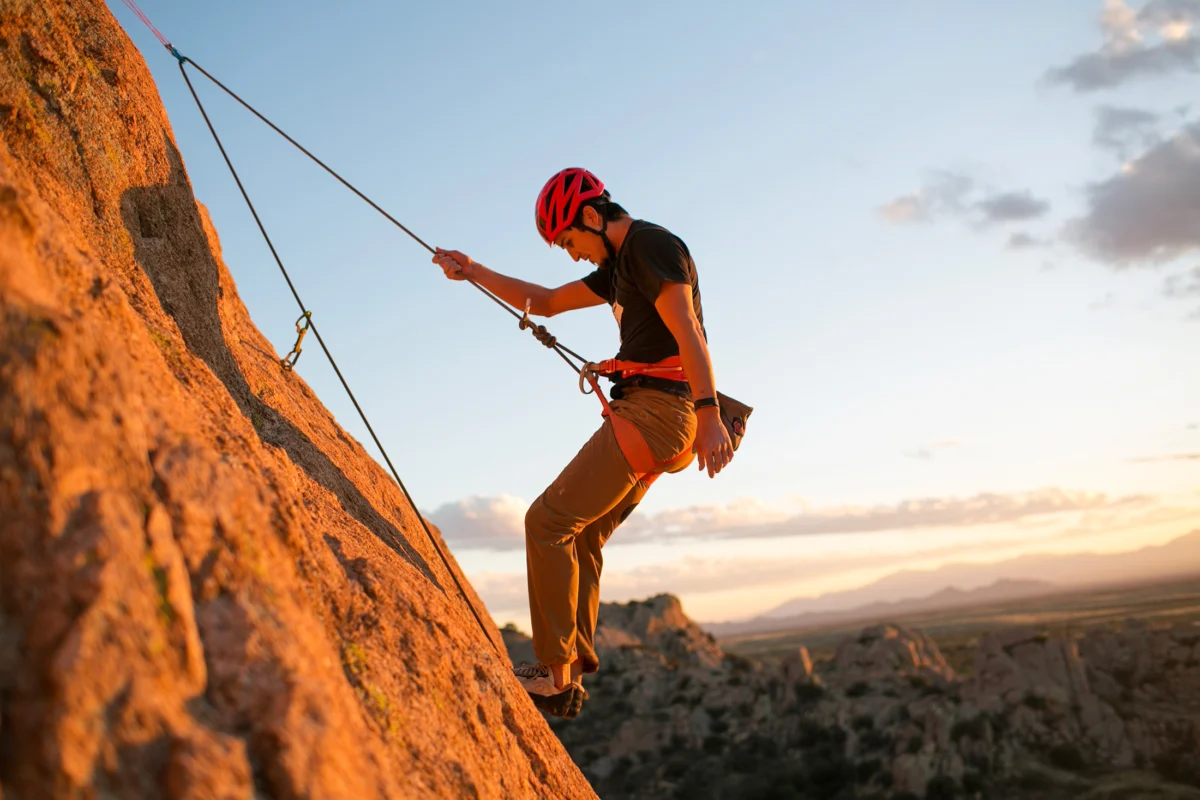
A decades-long ideological and practical struggle over the appropriate management of recreational climbing within designated wilderness areas appears to be nearing a resolution, as key land-management agencies, including the U.S. Forest Service and various bureaus within the Department of Interior, released draft guidance in mid-June concerning the use of permanent anchors. This pivotal directive comes as a direct mandate from Congress’ landmark 2025 Protecting America’s Rock Climbing (PARC) Act, aiming to standardize practices for these essential metal points of attachment for ropes, which are central to modern rock climbing. The guidance seeks to navigate the complex intersection of increasing outdoor recreation demand, climber safety, and the foundational preservation principles enshrined in the Wilderness Act.
At its core, the debate stems from differing interpretations of the Wilderness Act of 1964, a landmark piece of legislation designed to preserve certain federal lands as "wilderness," defined as areas "where the earth and its community of life are untrammeled by man, where man himself is a visitor who does not remain." This foundational principle generally prohibits permanent infrastructure, mechanical transport, and commercial enterprises. However, climbing, an activity that often predates the very designation of many wilderness areas, has long presented a unique challenge to this ethos. While some forms of climbing, known as "traditional" climbing, rely almost exclusively on removable protection, the evolution of the sport has increasingly incorporated "fixed" or permanent anchors—such as bolts drilled into the rock face or pitons hammered into cracks—for enhanced safety and accessibility, particularly in areas lacking natural features for removable gear.
Erik Murdock, deputy director of programs, policy, and government affairs at the Access Fund, a prominent non-profit organization advocating for climbing access and environmental stewardship, articulated the dynamic tension inherent in modern land use. "A lot of people and user types are vying for the same piece of real estate, and climbers are part of that," Murdock stated, underscoring the escalating demand for outdoor spaces. He views the new federal guidance as a crucial step in formally securing climbers’ legitimate place within this diverse mix of wilderness users, acknowledging the sport’s deep historical roots and contemporary popularity. The Access Fund has actively engaged with land managers and policymakers, stressing the importance of balancing preservation with responsible access.

Conversely, wilderness preservation advocates express significant apprehension, arguing that the proposed guidance risks undermining the very essence of wilderness protection. Dana Johnson, policy director with the Montana-based environmental nonprofit Wilderness Watch, voiced strong concerns that the new rules could be too permissive, potentially fostering a "climbing free-for-all" in the nation’s most protected natural landscapes. Her organization contends that allowing permanent infrastructure, even for recreational purposes, deviates from the Wilderness Act’s original intent, which prioritizes ecological integrity and solitude over active human modification. The visual impact of fixed anchors, often stark against pristine rock faces, is also a significant concern for those who advocate for an unblemished wilderness experience.
The specifics of the proposed regulations demonstrate a varied approach across federal agencies. The National Park Service (NPS), for instance, has outlined a more stringent framework, requiring climbers to secure special-use permits or broad permission from a park superintendent before installing any new bolts. This reflects the NPS’s dual mandate of preserving natural and cultural resources while providing for public enjoyment, often leading to more conservative management policies in its iconic and often fragile landscapes. In contrast, the Bureau of Land Management (BLM) guidance appears to offer greater flexibility, potentially allowing climbers to place a small number of bolts without explicit prior authorization in certain areas. This difference often reflects the BLM’s broader multiple-use mandate, balancing various forms of recreation, resource extraction, and conservation. The U.S. Forest Service (USFS), which manages approximately half of the nation’s public-land climbing opportunities, has opted for a more decentralized strategy, directing its local offices to collaborate directly with climbing communities and organizations to develop specific management plans tailored to both wilderness and non-wilderness climbing areas. While Murdock and other climbing advocates acknowledge some granular points of contention, they largely describe these diverse policies as "overall workable," representing a significant step forward from previous ambiguities.
A critical aspect of the debate revolves around the practicalities and ethics of climbing protection. When scaling a sheer rock wall, climbers employ various devices to secure their ropes, ensuring safety against falls and facilitating rappels. Removable protection, such as spring-loaded camming devices (cams) or passive nuts, can be placed into cracks and then retrieved, leaving no trace. However, on long, smooth stretches of rock devoid of natural fissures, or at the top of routes for safe descent, permanent anchors become a perceived necessity. These can include expansion bolts, which require drilling into the rock and leaving a fixed metal hanger, or pitons, which are hammered into cracks and can be left in place. Less formal, but equally permanent, are fixed ropes or slings left around trees or boulders to create rappel stations. The "leave no trace" ethos, deeply ingrained in the outdoor community, often clashes with the perceived permanence of these fixtures. As Zach Lentsch, owner of Wyoming Mountain Guides, eloquently put it, "There are plenty of places in the wilderness where you don’t need a fixed anchor, and typically the ethic has been if you don’t need a fixed anchor, you don’t bring one." This highlights a prevailing self-regulatory code within the climbing community that often prioritizes minimal impact.
However, the capacity of land management agencies to effectively implement and monitor these new guidelines raises serious concerns. Dana Johnson of Wilderness Watch pointed to a significant loss of wilderness staff within several Forest Service regional offices over the past 18 months, attributed to deferred resignations and budget cuts from the now-defunct Department of Government Efficiency (DOGE). This depletion of personnel raises questions about the ability of these offices to adequately develop and oversee new management plans, let alone monitor existing and new routes with permanent anchors. "We’re squeezing wildlife into smaller and smaller pockets of protected space," Johnson warned, emphasizing the cumulative impact of increasing human presence on fragile ecosystems and endangered species. This challenge extends beyond specific climbing infrastructure; it speaks to the broader issue of managing burgeoning visitor numbers in areas already under ecological stress from climate change, habitat loss, and other anthropogenic pressures.

The current guidance represents a dramatic policy shift from just a few years prior. In 2023, the Biden administration had proposed a national directive aimed at prohibiting all new fixed anchors in wilderness areas and mandating a comprehensive review of existing climbing routes. This proposal stemmed from growing fears of environmental damage, overcrowding, and the perceived violation of wilderness character through excessive use of permanent bolts. However, Congress, responding to significant lobbying from climbing organizations and a broad base of outdoor enthusiasts, reversed this course with the passage of the PARC Act in 2025. This legislative action explicitly codified recreational climbing, including the use, placement, and maintenance of fixed anchors, as an appropriate and legitimate activity within designated wilderness areas, fundamentally altering the legal landscape.
Beyond the specific debate over fixed anchors, many, like Zach Lentsch, argue that the focus on climbing hardware often distracts from larger, systemic issues facing wilderness management. He contends that hikers, backpackers, and other "quiet recreationists" contribute significantly to overcrowding and environmental degradation. Lentsch cited the alarming example of Lonesome Lake near the renowned Cirque of the Towers in Wyoming’s Wind River Range, which has recorded dangerous levels of E. coli contamination, primarily from unproperly disposed human waste. He asserts that a narrow prohibition on fixed anchors would do little to address such pervasive problems. Instead, Lentsch advocates for a more holistic approach, urging agencies to collaborate with all wilderness users to implement comprehensive permit systems in high-use areas and mandate the use of specialized bags for packing out human feces. Such measures, he argues, address the root causes of impact, fostering a culture of responsibility across the entire spectrum of outdoor recreation.
The global context for such debates is equally complex, as nations worldwide grapple with balancing conservation imperatives with growing public demand for access to natural areas. From the climbing meccas of Patagonia to the protected peaks of the Himalayas, land managers face similar challenges in defining appropriate use, particularly for adventure sports that inherently leave some form of trace. Indigenous communities, often the traditional stewards of these lands, frequently offer unique perspectives on land use, emphasizing spiritual connection and long-term sustainability that can inform modern conservation practices.
As the public comment periods conclude – the Forest Service proposal ended July 20, with the Park Service, Bureau of Land Management, and Fish and Wildlife Service periods closing August 14 – the input received will be critical in shaping the final policies. The outcome will not only define the future of rock climbing in America’s wilderness but also set a precedent for how federal agencies interpret and balance the competing values of preservation, recreation, and safety in an era of unprecedented pressure on natural landscapes. The evolving dialogue underscores a fundamental question: how can we best protect our wild places while still allowing people to connect with them in meaningful, albeit sometimes impactful, ways?







