

 Johny Prima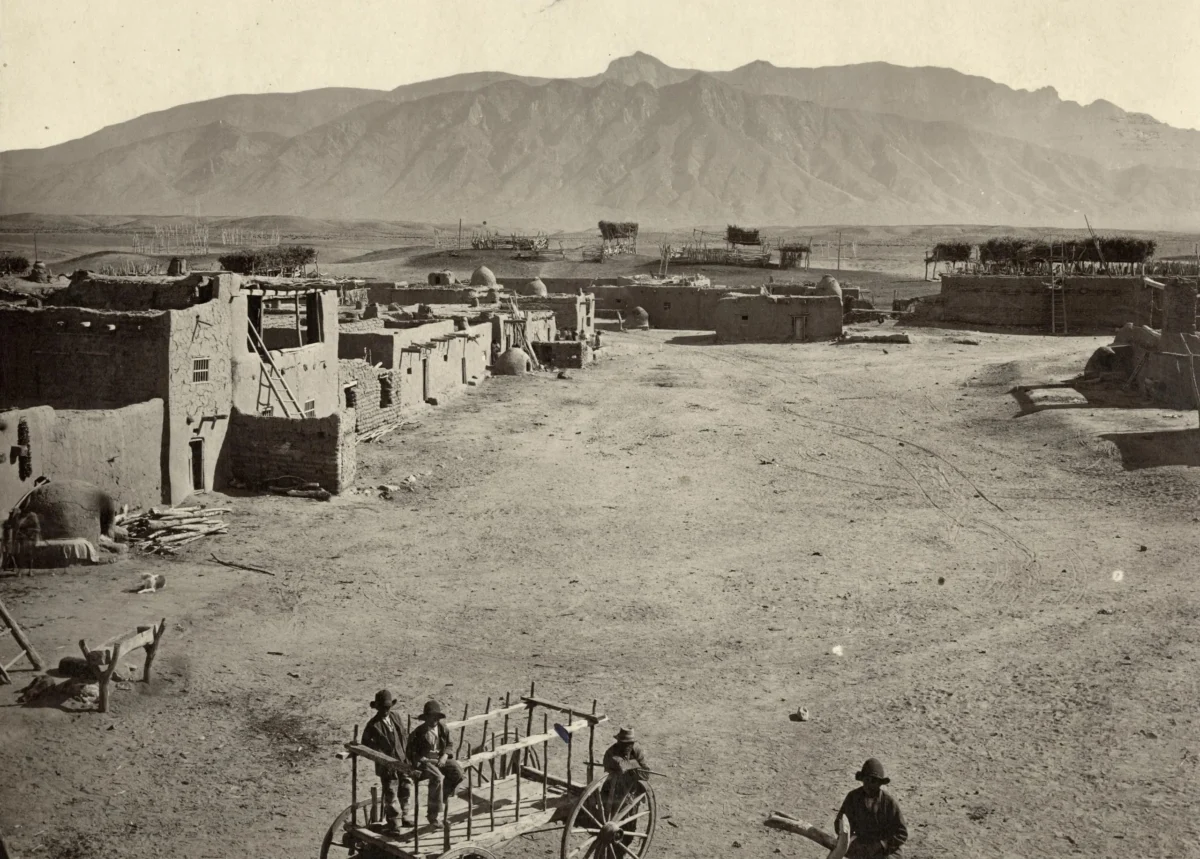
Sandia Mountain, revered as a sacred entity since time immemorial, transcends its physical form for the Pueblo; it is their ancestral church, their steadfast protector, and the irreplaceable source of their spiritual and physical well-being. Beyond its paramount cultural significance, the mountain also serves as a critical biodiversity hotspot, hosting diverse wildlife and vital ecosystems, while simultaneously offering unparalleled natural beauty and recreational opportunities for hundreds of thousands of residents and visitors across the Middle Rio Grande Valley. Today, the Pueblo of Sandia calls upon federal lawmakers and the broader public to honor their deeply rooted culture, traditional ecological knowledge, and inherent sovereignty by supporting a critical initiative to further protect Sandia Mountain, especially amidst the accelerating challenges of a rapidly changing and unpredictable global climate.
Central to this initiative is a request for the United States Congress to transfer land within the T’uf Shur Bien Preservation Area from the jurisdiction of the U.S. Forest Service, an agency within the U.S. Department of Agriculture, to the Bureau of Indian Affairs, which falls under the Department of the Interior. This proposed transfer is not merely an administrative shift; it represents a profound step towards rectifying historical injustices and empowering Indigenous stewardship over lands inextricably linked to their identity and survival. While acknowledging the diligent efforts of local Forest Service employees who have striven to protect this unique area across various political administrations, the Pueblo points to persistent and escalating degradation. Evidence of neglect includes widespread litter and graffiti, severe deferred maintenance, compromised fence lines, proliferation of illegal trails, flagrant violations of occupancy rules, and general degradation by individuals who show little regard for the sacredness or natural beauty of Sandia Mountain.
Moreover, the Pueblo has documented the alarming destruction of ancestral cultural sites and pervasive encroachment into sensitive ecological zones. These are precisely the areas the federal government committed to safeguarding when Congress enacted the T’uf Shur Bien Preservation Trust Area Act in 2022. This landmark legislation, a culmination of decades of complex court cases and intricate agreements, aimed to restore some measure of justice regarding the Pueblo’s ancestral lands. The historical narrative traces back to a Spanish land grant in 1748, which unequivocally defined the eastern boundary of the Pueblo’s territory as the “main ridge” of Sandia Mountain. This grant was subsequently confirmed by the U.S. Congress in 1858, following the Treaty of Guadalupe Hidalgo, which transferred vast territories from Mexico to the United States and promised to respect existing land titles. However, a subsequent and notoriously flawed 1859 survey, conducted hastily over a mere four days, arbitrarily delineated the boundary along the foothills near the Pueblo rather than the designated main ridgeline, resulting in the unjust loss of approximately 10,000 acres from the Pueblo’s confirmed land grant.

The 2022 T’uf Shur Bien Act sought to address this enduring historical wrong by acknowledging the Pueblo’s rightful claim to these 10,000 acres that once extended to the ridgeline of Sandia Mountain. The Act’s provisions were carefully crafted to ensure tribal members “free and unrestricted access to the Area for traditional and cultural uses,” while simultaneously protecting the rights of private landowners residing within the claim area. Crucially, it enshrined in perpetuity the wilderness character of the area and explicitly prohibited logging, mining, and other forms of industrial development, thereby establishing a framework for conservation and cultural preservation. In advocating for the transfer of these lands from USDA to the Interior Department, the Pueblo of Sandia engaged in an extensive and transparent outreach campaign, conducting more than 75 meetings with federal lawmakers, neighboring communities, local businesses, and various stakeholders to meticulously explain the profound importance of this proposed administrative change.
As a sovereign nation, the Pueblo of Sandia emphasizes its unwavering commitment to its promises and agreements, underscoring its historical record of responsible stewardship. Despite this, a persistent undercurrent of misinformation continues to circulate within some media outlets and community segments. The Pueblo unequivocally states that it has no intention of denying access to legitimate landowners or responsible, respectful recreational users. Upon the proposed land transfer, all authorized existing uses and activities, including established public rights-of-way for roads and utility corridors, will remain fully intact. Visitors will continue to enjoy the area’s natural splendor, and the lands, waters, and diverse wildlife of Sandia Mountain will continue to receive robust protection—not just for today, but for countless future generations.
By assuming direct management of the T’uf Shur Bien Preservation Area, the Pueblo of Sandia asserts its capacity to more effectively safeguard its unique culture, ancestral traditions, and time-honored way of life. This self-determination extends beyond cultural preservation to encompass enhanced environmental stewardship. The Pueblo will be better positioned to protect the mountain from the persistent threats of future development, ongoing degradation, and the increasing risk of catastrophic wildfires, which pose a significant threat to the arid landscapes of the American Southwest. Leveraging centuries of traditional ecological knowledge, the Pueblo can implement localized solutions, deploy resources, and devise strategies uniquely tailored to the specific cultural and physical landscape of this vital region. This localized management will also facilitate more efficient intergovernmental coordination efforts for critical emergency responses, public safety protocols, and law enforcement activities, creating a more cohesive and effective management framework.
The preservation of Sandia Mountain is indispensable to retaining its profound religious and traditional meaning for the Pueblo. Concurrently, the mountain’s conservation and protection are equally vital for the ecological health and long-term sustainability of the entire Middle Rio Grande Valley and its future inhabitants. No entity possesses a more extensive and unwavering record of love, care, and responsible stewardship for this sacred mountain than the Indigenous peoples who have called this land home for millennia. This proposed land transfer aligns with a growing global movement advocating for Indigenous land back and co-management initiatives, recognizing that empowering Indigenous communities often leads to superior conservation outcomes, enhanced biodiversity, and more resilient ecosystems in the face of climate change. It represents a critical opportunity to honor historical commitments, foster environmental justice, and secure a sustainable future for one of New Mexico’s most cherished natural and cultural treasures.







