Joko Susilo
The U.S. Fish and Wildlife Service (USFWS) issued a controversial internal memo on September 14, dramatically narrowing the scope of the Endangered Species Act (ESA) by legalizing the accidental killing of protected wildlife, provided the harm was not "intentionally directed against a particular animal or animals." This directive threatens to fundamentally weaken one of the United States’ most pivotal environmental laws, effectively granting industries a significant loophole to avoid accountability for the inadvertent destruction of imperiled species and their habitats. Under this new interpretation, a timber company could potentially decimate an entire family of peregrine falcons during harvesting operations, or an energy corporation might extinguish a species of fish through an oil spill, without facing legal repercussions for the "take" of these protected creatures, as long as the act was deemed unintentional.

This radical reinterpretation of "take" under the ESA marks a significant departure from decades of established legal precedent, including the Supreme Court’s 1995 ruling in Babbitt v. Sweet Home Chapter of Communities for a Great Oregon, which affirmed that "harm" — a component of "take" — includes habitat modification that actually kills or injures wildlife. By confining the prohibition solely to direct, intentional targeting, the memo undermines the comprehensive protective framework of the ESA, which aims not only to prevent the direct killing of endangered species but also to preserve the ecosystems upon which their survival depends. This shift could accelerate biodiversity loss across the nation, as industrial activities like logging, mining, and fossil fuel extraction proceed with fewer safeguards against their environmental externalities.
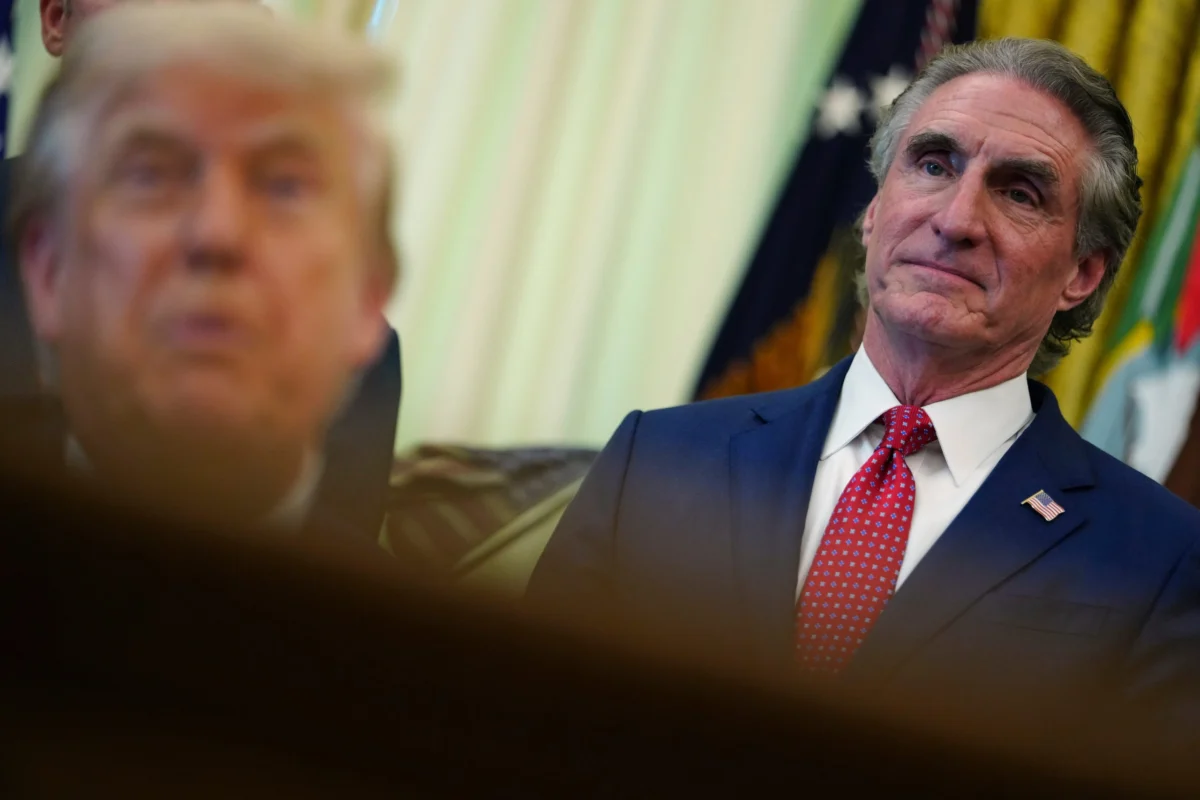
The fingerprints of Interior Secretary Doug Burgum are undeniably evident throughout this latest assault on environmental protections. In less than two years in office, the former North Dakota governor has amassed a record that places him among the most environmentally destructive Interior Secretaries in U.S. history, drawing comparisons to controversial figures such as James Watt, Gale Norton, and Albert B. Fall. His tenure has been characterized by a relentless drive to prioritize resource extraction and industrial development over conservation, manifesting in a series of far-reaching policy changes. These include the substantial reduction of Bears Ears and Grand Staircase-Escalante national monuments by millions of acres, opening vast swathes of ecologically sensitive Arctic wildlands to oil and gas drilling, streamlining uranium mining and other fossil fuel projects, and approving large-scale data centers on public lands with minimal, if any, public input.

Ironically, Burgum initially garnered cautious optimism from certain segments of the environmental community at the outset of the Trump administration’s second term. Some viewed him as a potential "bright spot" within the cabinet, envisioning a pragmatic conservationist in the mold of fellow North Dakotan Theodore Roosevelt, whom Burgum publicly admired. In January 2025, the Outdoor Recreation Roundtable, a powerful coalition representing outdoor-oriented businesses and organizations, formally endorsed his nomination, highlighting his perceived support for outdoor recreation, the outdoor economy, and the protection of public lands and waters. His past record as governor, where he had publicly pledged to achieve carbon-neutrality for oil-rich North Dakota by 2030 through renewable energy and carbon capture initiatives, contributed to this initial perception of him as a balanced, old-school Western Republican, distinguishing him from other potential nominees. This perception led to his confirmation by the U.S. Senate in an overwhelming 80 to 17 vote, even securing the support of several Democrats known for their conservationist stances from states like New Mexico, Colorado, Nevada, and Arizona.
However, a closer examination of Burgum’s political history and early actions as governor revealed a more complex and concerning picture. His pursuit of carbon-neutrality in North Dakota, for instance, heavily relied on controversial projects such as a carbon dioxide pipeline backed by Continental Resources, a massive oil and gas company founded by his close friend, Harold Hamm. Furthermore, during his governorship, Burgum championed draconian measures to suppress protests against the Dakota Access Pipeline, issuing evacuation orders and signing legislation that effectively criminalized dissent. Following these actions, Energy Transfer, the company behind the pipeline, contributed tens of thousands of dollars to Burgum’s 2020 re-election campaign, raising significant questions about potential conflicts of interest.

During his confirmation hearing, Burgum candidly articulated his vision for the Department of the Interior, framing it in stark business terms. He spoke of the "trillions of dollars of assets" buried beneath the nation’s public lands, referring to them as the "balance sheet of America." He argued that if the nation were a company, it would be seen as "restricting its balance sheet" by not fully exploiting these resources. While these remarks undoubtedly alarmed environmentally conscious lawmakers, he attempted to temper concerns by adding that his "public land balance sheets" did not encompass wilderness areas, national parks, or "those areas we have to absolutely protect for their precious stuff." This distinction, as events would soon prove, offered little comfort.
Immediately upon assuming office, Secretary Burgum became an ardent proponent of the Trump administration’s "energy dominance" agenda, a policy designed to maximize domestic oil, gas, and coal production. Under his leadership, the Bureau of Land Management (BLM) saw a meteoric rise in the acreage leased to oil and gas companies, while drilling permits were issued at a pace not witnessed since the George W. Bush administration. His department drastically expedited environmental reviews, notably reducing the entire permitting process for a Utah uranium mine to a mere two weeks. Numerous other regulatory rollbacks followed, including a significant redefinition of "take" under the Migratory Bird Act, further eroding protections for wildlife. These aggressive moves prompted REI CEO Mary Beth Laughton to publicly retract the outdoor gear company’s earlier endorsement of Burgum, citing a misalignment with their core values. Initially, Burgum did appear to uphold his pledge to protect national monuments, parks, and other areas he had labeled "precious."

Yet, as his tenure progressed, it became painfully clear that the only things truly "precious" to Secretary Burgum were the endorsements of his corporate allies, the adulation of the MAGA political base, and, critically, the unwavering approval of President Donald Trump. In an astonishingly short period, Burgum systematically dismantled vital environmental safeguards, leaving America’s vast public lands vulnerable to unchecked exploitation by corporations. His actions revealed a pattern of prioritizing short-term industrial gain over long-term ecological health and public interest.
Even when assessed on his own "pro-business" metrics, Burgum’s leadership of the Interior Department appears to be a profound failure. He demonstrably harmed the nation’s economic "balance sheet" by actively obstructing the development of solar and onshore wind projects, going so far as to compensate offshore wind companies to relinquish their federal leases. His administration also killed the Public Lands Rule, a measure designed to prioritize conservation alongside other uses of federal lands. By slashing royalty rates on oil and gas leases, he significantly diminished the revenue generated for the government and taxpayers from these public resources. Furthermore, Burgum eviscerated methane emissions limits on oil and gas facilities, allowing drillers to release this potent greenhouse gas and other pollutants into the atmosphere, effectively squandering millions of dollars’ worth of "assets" in the form of natural gas. His aggressive push to expand public-lands grazing, a practice that charges less than two dollars per month for a cow to consume a ton of public forage, represents another significant financial drain on federal coffers, yielding negligible profits while contributing to land degradation.

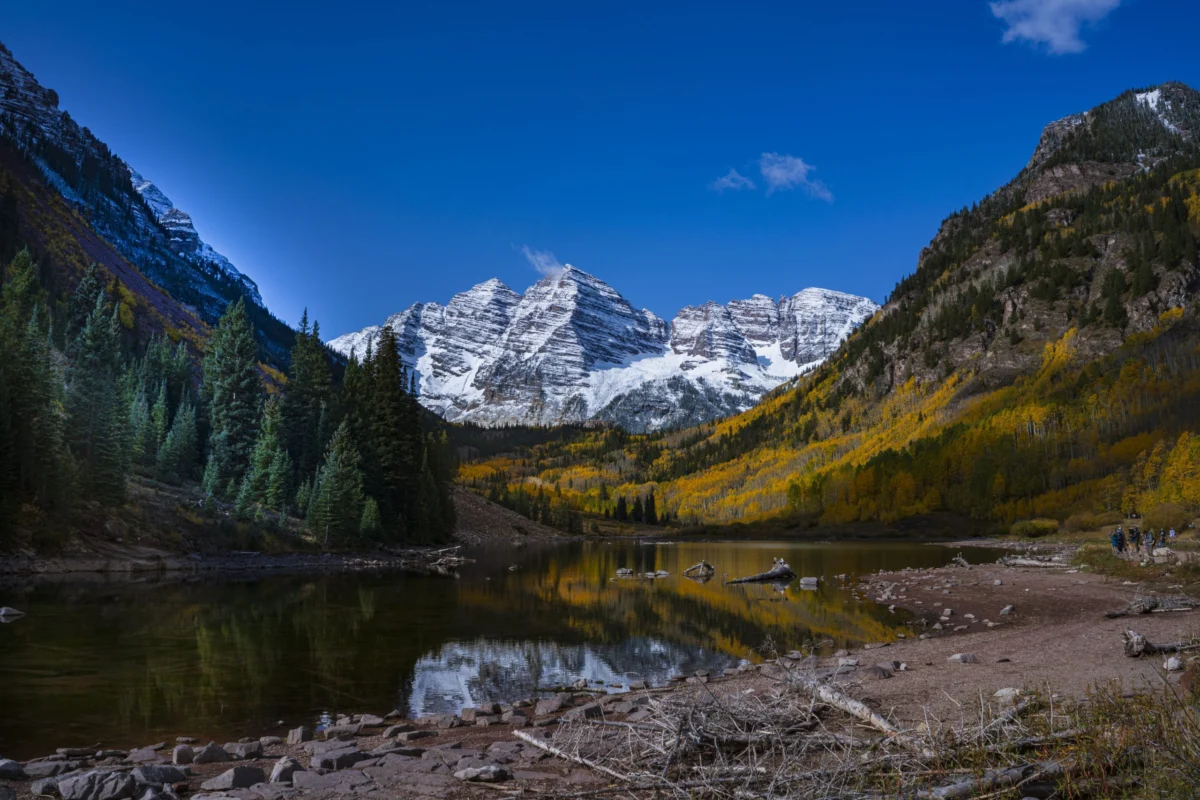
Meanwhile, Burgum eagerly positioned himself as the point man for President Trump’s more ostentatious vanity projects. He readily funneled tens of millions of dollars away from the country’s "precious" national parks into initiatives dubbed "Trump dictator kitsch," including funding for a ballroom and a triumphal arch, alongside the highly publicized and often criticized reflecting pool renovation. Most distressingly, Burgum ultimately reneged on his solemn promise to keep his hands off "precious places." He moved to eliminate the Biden-era ban on new oil and gas leases around Chaco Culture National Historical Park, a UNESCO World Heritage site of immense archaeological and cultural significance to numerous Native American tribes. Beyond re-shrinking Bears Ears and Grand Staircase-Escalante national monuments — actions that sparked widespread condemnation and legal challenges — he further compounded the damage by eliminating the Intertribal Bears Ears Commission, a direct affront to tribal sovereignty and co-management efforts. The new boundaries for these monuments took effect on September 11, and within a mere week, at least 13 new mining claims had already been filed within the newly unprotected areas of Bears Ears, illustrating the immediate and tangible consequences of his policies.
Less than two years into his tenure, it has become unequivocally clear that Doug Burgum is not merely an ideologue; he is a naked opportunist, seemingly content to compromise his integrity and credibility, sacrificing the nation’s invaluable public lands to benefit corporate interests and secure the approval of President Trump. As a result, Burgum has not only failed profoundly in his role as a steward of America’s environment and wildlife but has also demonstrated a remarkable lack of sound business acumen, undermining the very "balance sheet" he claimed to protect. While history will ultimately render its verdict on whether he will be remembered as the worst Interior Secretary of all time, his legacy as the most disappointing is already firmly cemented.