

 Joko Susilo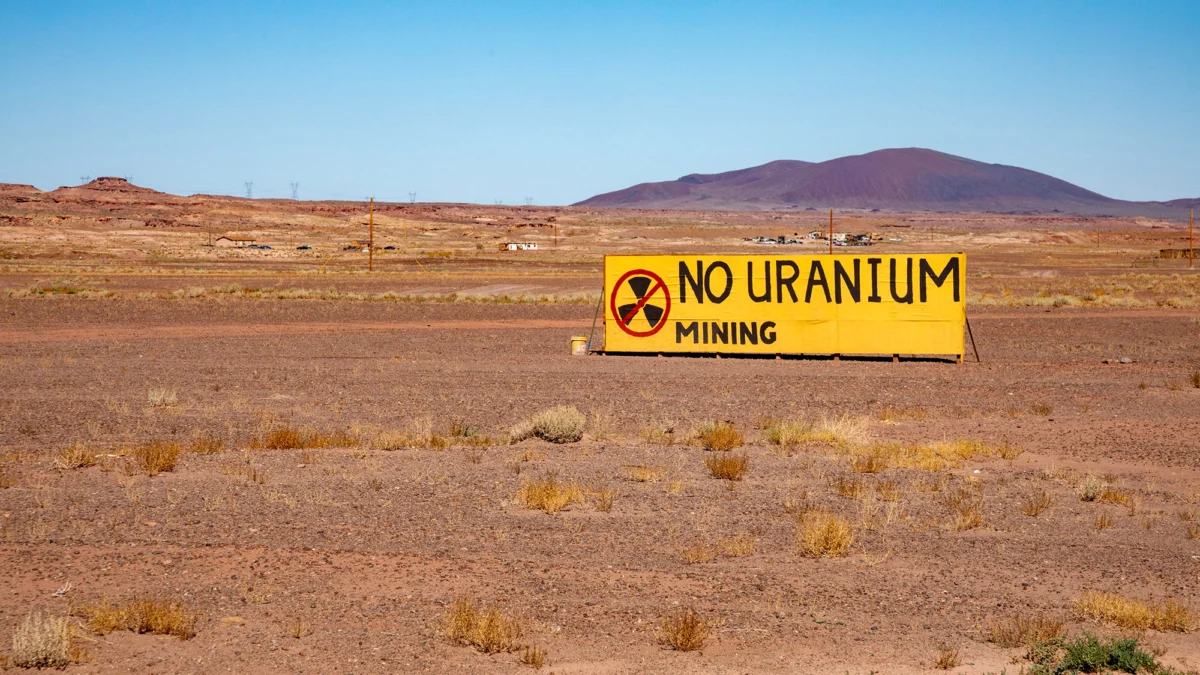
The Denver-based Energy Fuels operates the White Mesa Mill, the sole conventional uranium processing facility in the United States, strategically located approximately a mile from the original boundaries of the Bears Ears National Monument. This mill, critical for domestic uranium supply, stands at the nexus of national security interests, environmental protection, and indigenous rights. The unfolding investigation casts a spotlight on the controversial relationship between resource extraction industries and governmental policy, particularly concerning protected public lands rich in valuable minerals.
According to a news release issued by Democrats on the House Natural Resources Committee, a substantial transaction occurred in July 2017, shortly before President Trump’s announcement. Ross Bhappu, the CEO of Energy Fuels, acquired 74,000 shares of the company’s stock, marking the largest insider purchase in the firm’s history. This acquisition significantly boosted Bhappu’s ownership stake to 41 percent. The following day, Bruce Hansen, the company’s board chairman, also purchased 4,000 shares. These transactions preceded, by less than a week, President Trump’s executive order that removed approximately 1.24 million acres from the Bears Ears National Monument, thereby re-opening vast tracts of land for potential mining and other extractive activities.
The decision to shrink Bears Ears in 2017 sparked immediate outrage and condemnation from a coalition of five tribal nations – the Hopi, Navajo, Ute Mountain Ute, Ute Indian Tribe of the Uintah and Ouray Reservation, and Zuni – which form the Bears Ears Commission. In a powerful statement issued shortly after Trump’s action, the Commission declared that the move represented a profound setback for a living cultural landscape and sacred ancestral homeland, meticulously cared for by Indigenous peoples for millennia. They underscored that the decision undermined one of the nation’s most extraordinary models of collaborative land management between Tribal Nations and federal agencies, asserting that it weakened vital protections for irreplaceable cultural and natural heritage.
Leading the congressional inquiry are Representative Jared Huffman (D-CA), the ranking member of the House Natural Resources Committee, and Representative Maxine Dexter (D-OR), ranking Democrat on the Oversight and Investigations Subcommittee. In a formal letter addressed to CEO Ross Bhappu, the lawmakers stated, "We understand that monument boundaries were redrawn in a way that could benefit Energy Fuels." This direct assertion points to the core suspicion of the investigation: that the timing of the stock purchases and the monument reduction was not coincidental.
Energy Fuels has vehemently denied any wrongdoing. A spokesperson for the company acknowledged receipt of the congressional letter, stating that leadership takes the inquiry seriously. However, the spokesperson emphasized, "The Company is unaware of any evidence supporting claims of wrongdoing in the referenced letter and strongly rejects any suggestion that the Company or its executives engaged in any improper conduct." The company further clarified its position, asserting that the White Mesa Mill has never been situated within the Bears Ears National Monument’s boundaries, that Energy Fuels holds no properties, mining claims, or economic interests directly within the monument, and that it did not actively advocate for any changes to the monument with the administration at the time of the downsizing.

To substantiate their investigation, the lawmakers have demanded extensive communication records between Energy Fuels executives and federal officials, along with detailed lobbying contracts. In its defense, Energy Fuels reiterated its commitment to regulatory compliance, stating that it adheres strictly to federal, state, and local regulations designed to protect communities and the environment. "The White Mesa Mill is one of the most highly regulated mineral processing facilities in the United States," the company spokesperson asserted, "and plays a critical role in strengthening domestic supply chains."
However, public records and past reports suggest a more proactive stance by Energy Fuels regarding the monument’s boundaries. Documents from 2017 reveal that the company indeed pressured the first Trump administration to shrink Bears Ears in a manner that would directly benefit its operations. This lobbying effort occurred just months before President Trump’s initial reduction of the monument, which had been originally designated by President Barack Obama in December 2016 following extensive tribal advocacy. The monument’s contentious history saw a full restoration of its original boundaries by President Joe Biden in October 2021, underscoring the political and environmental tug-of-war over these sacred lands.
Beyond uranium, the sandstone deposits within the Bears Ears region are known to contain significant quantities of vanadium, another critical mineral. Energy Fuels has also been expanding its operational scope, announcing groundbreaking on an expansion of the White Mesa Mill to produce heavy rare earth materials. These materials are indispensable components in modern technology, finding applications in data centers, automotive manufacturing, energy technologies, and robotics – industries vital to global economic competitiveness and national security.
The broader context of this investigation intersects with a concerted governmental push, particularly evident during the Trump administration and reiterated by current policy discussions, to bolster domestic mining of critical minerals. This initiative is largely framed as a matter of national security, aimed at reducing U.S. reliance on foreign, often adversarial, nations for essential resources. As part of this strategy, the Department of Defense issued a substantial $725 million loan to Energy Fuels in June to support the development of rare earth elements. The company itself, in an investor presentation filed with the U.S. Securities and Exchange Commission in July, highlighted "strong government support" as one of its key competitive advantages. This rhetoric gained further traction with recent announcements by former President Trump regarding a multi-billion-dollar investment in critical mineral mining and battery project development, signaling a continued policy emphasis on resource independence.
While some critical minerals like lithium and nickel are crucial for clean-energy technologies, and uranium is fundamental for nuclear power generation, the push for domestic production often clashes with environmental and indigenous concerns. Tribal nations and environmental advocates have consistently characterized the White Mesa Mill as a detrimental neighbor. They have leveled accusations of the company secretly transporting radioactive material through tribal lands and warned that the substantial radioactive waste stored at the facility poses grave risks to water quality and public health in the already water-stressed region of southeastern Utah. These concerns underscore the complex ethical dilemma of balancing economic development and national security with environmental justice and the rights of indigenous communities.
In their scathing letter to the company’s CEO, the Democratic lawmakers articulated the profound moral dimension of the allegations: "Energy Fuels cannot credibly claim to be a responsible operator while the nation’s last uranium mill functions like an unregulated, bargain-bin waste dump on the doorstep of an Indigenous community. Instead of respecting the Tribes for whom Bears Ears is sacred, you appear to be enriching yourself from their devastation." This powerful statement encapsulates the profound concerns driving the congressional inquiry, highlighting the deep-seated tensions between corporate interests, environmental stewardship, and the enduring legacy of indigenous land rights in the American West. The outcome of this investigation could have far-reaching implications for corporate accountability, federal land policy, and the future of resource extraction on culturally significant landscapes.







