

 Joko Susilo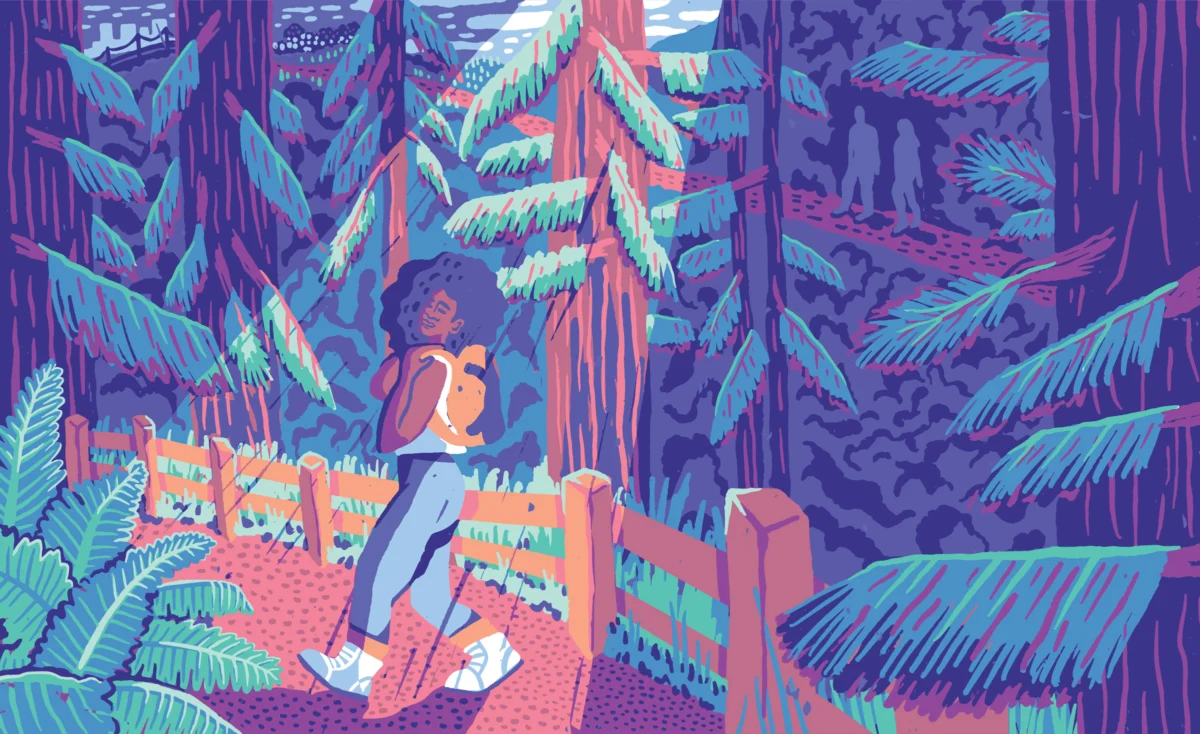
The chilling legacy of racial violence in America profoundly shaped the relationship between Black communities and the natural world, a connection often fraught with peril, yet simultaneously defined by resilience and an unwavering pursuit of solace. The memory of Emmett Till, a 14-year-old boy brutally lynched in Mississippi in 1955 for allegedly offending a white woman, remains an indelible scar on the national consciousness and a potent symbol of the terror that historically rendered outdoor spaces dangerous for Black individuals. For many, including a nine-year-old reflecting on Till’s fate, the casual acknowledgement of such atrocities by an older generation—"All the time," as one father recalled—underscored the pervasive and normalized nature of this violence, solidifying the understanding that freedom and safety in the outdoors were often elusive concepts for Black Americans. This historical weight fostered a collective consciousness where the beauty of nature was often overshadowed by the threat of harm, leading to a deeply ingrained caution regarding seemingly open spaces.
Despite the pervasive threats, Black families across generations forged remarkable paths of resistance and agency within nature. Beyond the narratives of pain and peril associated with the Jim Crow South, many, like the parents who cultivated a 14-acre recreational farm in California’s oak-studded hills, created their own havens. This private outdoor refuge, brimming with fruit trees, flourishing gardens, and a swimming pool, served as a vital space for respite, celebration, and community. Their spirit of determination and hospitality mirrored a broader tradition among Black families who found solace, self-sufficiency, and spiritual renewal in tending animals, tilling the soil, and sharing nature’s bounty. This practice was not merely a retreat but an active reclamation of connection to the land, a defiant act against systems designed to exclude and diminish.
However, the question of safety and comfort persists in the contemporary outdoor experience for Black individuals. This profound concern is a recurring theme in conversations within organizations like Outdoor Afro, founded in 2009 to reconnect Black Americans to nature. Even amidst the inviting glow of campfires and the cheerful signage of modern trailheads, the quiet, yet urgent, query still surfaces: "Will we be safe here?" This apprehension extends beyond the explicit threat of physical violence, encompassing the subtle, often unspoken, forms of discomfort. A lingering stare, an awkward question about one’s presence, or the palpable shift in atmosphere can communicate unwelcomeness without a single hostile word. Such experiences etch themselves into memory, as evidenced by a childhood incident in an affluent Oakland park, where a group of Black children, initially reveling in the redwood-canopied playground, felt a heavy scrutiny descend upon them as dusk approached, a silent signal that it was time to leave. These unspoken exchanges often carry the most profound weight, shaping perceptions of belonging and exclusion.
Historically, the ability to enjoy public parks, swimming pools, beaches, or even a simple picnic was often legally and violently denied to Black Americans. The era of Jim Crow laws, which enforced racial segregation and discrimination from the late 19th century into the mid-20th century, codified these exclusions across the American South and beyond. "Sundown Towns"—all-white municipalities that used intimidation, violence, and discriminatory laws to exclude Black people after dark—were widespread, creating tangible barriers that dictated travel routes and daily routines for generations. These real and psychological impediments profoundly shaped collective memory and habit, fostering a deep-seated caution about venturing into unfamiliar or predominantly white outdoor spaces.

Before the Great Migration, when the vast majority of Black Americans resided in the rural South, many communities demonstrated extraordinary tenacity in pursuing nature. They ingeniously created their own destinations, developing vibrant havens where families could recreate free from the burden of racism. Iconic examples include Idlewild, Michigan, often dubbed "Black Eden"; Oak Bluffs on Martha’s Vineyard, a historic resort community; and Lincoln Hills, Colorado. These self-sufficient communities thrived, building comprehensive infrastructure that included overnight inns, campgrounds, guides, outfitters, and programming for children, serving as crucial hubs of enterprise, recreation, and community life. They stand as powerful testaments to Black resilience and self-determination in the face of systemic exclusion.
During this period, the Negro Motorist Green Book, or simply The Green Book, became an indispensable travel companion for Black Americans navigating a racially segregated nation. Conceived by Victor H. Green, a New York postal worker, the guide meticulously listed safe havens—accommodations, dining establishments, entertainment venues, and outdoor destinations—along interstate routes, leveraging Green’s professional network for wide circulation. Regularly updated, The Green Book provided critical information, serving as both a practical resource and a symbol of solidarity and survival. Its publication ceased around 1964, following the passage of the Civil Rights Act, with its publisher hoping that the legal end of segregation would render such a guide obsolete. However, while legal barriers fell, deeply ingrained feelings of unwelcomeness often persisted, leading many families to remain closer to home rather than risk uncertain encounters in newly integrated, yet still potentially hostile, territories. As Black Americans moved en masse to urban centers in the West and North during the Great Migration, many of the old rural safe enclaves faded, were sold, or disappeared through processes like eminent domain, further contributing to the uncertainty surrounding outdoor safety, especially on remote public lands far from established communities.
Contemporary outdoor experiences continue to highlight the complexities of belonging. A solo dove hunt in California’s Central Valley during a period of heightened social and racial tensions offered a poignant example. Lost amidst waist-high grass and surrounded by armed strangers, the initial instinct upon encountering a man’s "hard, measured gaze" was a feeling of unwelcomeness rooted in racial identity. However, with the benefit of more extensive public-land hunting experience, a nuanced re-evaluation emerged. The man’s coldness might have stemmed less from racial animus and more from the competitive, guarded nature of outdoor pursuits. Seasoned outdoorspeople often protect their prime fishing spots, elk ridges, or serene camping locations on Bureau of Land Management land, wary that too much attention will diminish the experience for them. This inherent competitiveness, often misread as hostility by newcomers, underscores a dimension of outdoor culture that transcends racial identity, though it can certainly intersect with and amplify existing anxieties.
Beyond the potential for misunderstanding, a deeper psychological dimension to the safety question involves the profound impact of isolation. Growing up in Oakland, the diverse demographics of places like Joaquin Miller Park mirrored the city itself, fostering a natural sense of belonging. This starkly contrasted with earlier childhood experiences of subtle exclusion and later adventures further afield. Embarking on a mountaineering trip with Outward Bound at age 20, as the only Black woman in her group, brought a quiet sense of wondering and isolation. The absence of individuals who shared one’s history, humor, or worldview created a unique emotional distance, even when physically supported by instructors. Yet, in moments of fear, a simple directive to "trust your feet" from an instructor sparked the courage needed to continue climbing, illustrating that feelings of isolation can coexist with crucial support, fostering personal growth and resilience.
In many ways, Outdoor Afro builds upon the legacy of The Green Book, adapting its spirit for a new era. Victor Green’s vision was rooted in the belief that Black people deserved to move through the world with freedom and dignity. Outdoor Afro similarly constructs a "living map," not through printed pages, but through shared stories, collective experiences, and fostered relationships, empowering individuals to navigate unfamiliar outdoor environments with confidence. Where previous generations inherited painful memories of exclusion, today’s outdoor enthusiasts are actively creating and sharing narratives of connection, confidence, and profound joy. Every Black person who steps onto a trail, casts a fishing line, or awakens to birdsong in a tent carries forward a rich legacy—a testament to those who built havens like Idlewild and Lincoln Hills. Every invitation extended, every shared trip, and every inaugural outdoor experience expands the horizons of what the next generation believes is possible, paving the way for a more inclusive and equitable future in America’s natural landscapes.








