

 Roger Danuarta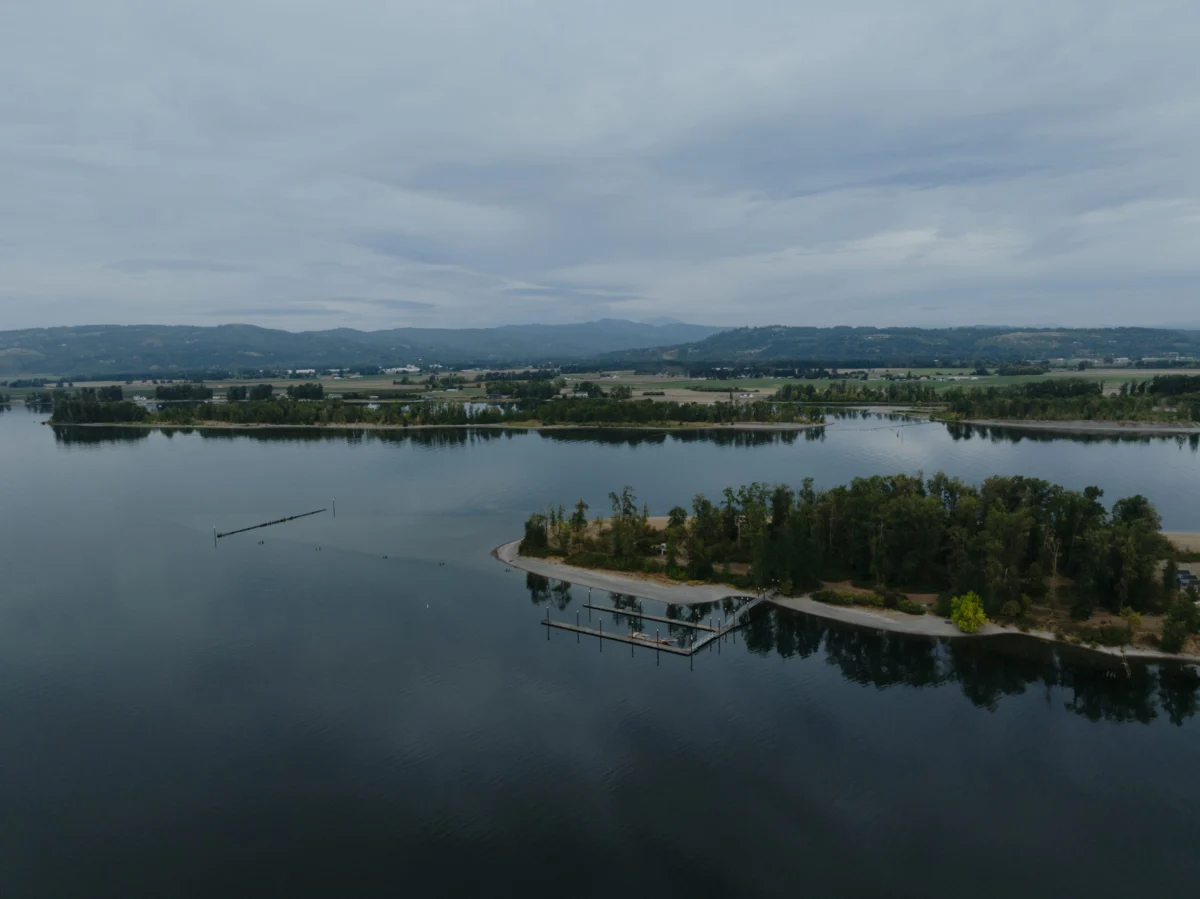
The cherished summer ritual of Tanya Bachman and her family on Oregon’s Columbia River turned into a devastating tragedy in August 2024, when their beloved border collie, Jax, succumbed to a swift and brutal illness. What began as an idyllic birthday celebration with their two dogs playing on an island beach near Portland quickly spiraled into a nightmare. Upon Jax’s return, his normally lively tail drooped, signaling an immediate and alarming change. Moments later, the vibrant dog began vomiting, convulsing violently, and then lost consciousness as Bachman desperately tried to secure his leash. Despite a frantic race to the veterinarian, it was too late; Jax was pronounced dead less than an hour after the first symptom appeared. The suddenness of his demise left Bachman in profound shock, grappling with an incomprehensible loss that scientists confirm is becoming an increasingly common and deadly occurrence in waterways worldwide.
Veterinarians delivered the grim diagnosis: Jax had almost certainly ingested toxins produced by cyanobacteria, commonly known as blue-green algae, from a benthic bloom. Unlike the more familiar planktonic blooms that form visible, paint-like scums on the surface of lakes and reservoirs, benthic blooms are a more insidious threat. These "snot-like globs," as scientists describe them, cling to submerged rocks, logs, and stream bottoms, often unnoticed until they break free and float to the surface, carrying their potent danger. While Westerners have become somewhat accustomed to surface blooms, the emergence of widespread benthic blooms in the region, actively documented by researchers for only the past five years, presents a new and particularly challenging hazard.
Cyanobacteria, ancient photosynthetic microorganisms, have inhabited Earth’s aquatic environments for billions of years, playing a crucial role in shaping the planet’s early atmosphere. However, under specific environmental conditions, these organisms can proliferate explosively, forming what are known as harmful algal blooms (HABs). This proliferation, or bloom, is primarily fueled by an excess of nutrients like nitrogen and phosphorus. These vital elements, essential for plant growth, become pollutants when they enter waterways in high concentrations, often originating from agricultural fertilizers, inadequately treated wastewater, industrial discharges, and urban stormwater runoff. Furthermore, a growing body of scientific research, including studies by water scientists like Hannah Bonner at Brigham Young University, strongly suggests that the accelerating pace of global climate change is directly contributing to the increased frequency, intensity, and geographic spread of these toxic blooms. Warmer water temperatures favor the growth of many cyanobacteria species, while extended periods of drought lead to lower water levels and reduced flow, causing stagnation that further exacerbates bloom formation. This creates a cruel irony: as the planet warms, previously inviting cool-water refuges, once considered safe havens, are progressively transforming into deadly traps for pets, wildlife, and even humans.

The toxins produced by cyanobacteria, known as cyanotoxins, are incredibly diverse and potent. They can range from dermatotoxins that cause skin irritation and rashes upon contact, to gastrointestinal toxins inducing nausea, vomiting, and severe diarrhea if ingested. More dangerously, some cyanotoxins are potent hepatotoxins, capable of causing acute liver damage and failure, while others are neurotoxins that attack the nervous system, leading to convulsions, respiratory paralysis, and rapid death. These toxins pose an indiscriminate threat, proving fatal to pets, livestock, and a wide array of wildlife that drink contaminated water or groom themselves after exposure. A particularly alarming aspect is that conventional backpacking water filtration systems, designed to remove bacteria and protozoa, are utterly ineffective against cyanotoxins, which are dissolved chemicals. This renders many backcountry water sources perilous, even for experienced hikers and campers.
The heightened awareness and subsequent monitoring of toxic cyanobacteria blooms in the Western United States largely stemmed from alarming incidents in Eastern waters. A pivotal moment occurred in 2014 when a massive toxic bloom of cyanobacteria in Lake Erie forced the complete shutdown of Toledo, Ohio’s drinking water system, leaving half a million residents without potable tap water for days. This crisis underscored the vulnerability of public water supplies and spurred states across the nation to action. In the West, monitoring efforts have steadily expanded. Wyoming, for instance, initiated bloom monitoring in 2018 using satellite imagery, enhancing its program with crucial on-the-ground water sampling by 2021. Utah significantly ramped up its surveillance in 2016, following several major bloom events. Older, more established programs in California and Oregon, among the pioneering initiatives in the West, have been in operation for approximately two decades, providing invaluable long-term data on bloom dynamics.
Data from these state and regional monitoring programs paints a concerning picture: planktonic blooms are emerging earlier in the season, persisting longer into the fall, and affecting a greater number of lakes and reservoirs. While some experts initially speculated that the observed increase might simply reflect more extensive monitoring, a comprehensive nationwide study published by the Environmental Protection Agency (EPA) in 2021 provided definitive evidence. This landmark research concluded that the synergistic effects of increased nutrient loading, primarily nitrogen and phosphorus, combined with the warming and drying trends of climate change, are indeed driving the proliferation of more frequent, widespread, and longer-lasting blooms across the country.
The sources of nutrient pollution, unlike the global nature of greenhouse gas emissions, are often localized, offering a more tangible pathway for regulation and mitigation. Theodore Dreher, a microbiology professor emeritus at Oregon State University, emphasizes this distinction, noting that human activities are significantly disturbing land surfaces and introducing excessive nutrients into aquatic systems. States that have taken proactive measures demonstrate that progress is possible. Utah, for example, has implemented stringent regulations requiring substantial improvements at wastewater treatment plants and has fostered voluntary incentive programs for agricultural producers to manage runoff and restore natural floodplains. This multifaceted approach has shown promising results in curbing nutrient flow into critical water bodies like Utah Lake near Provo, a body of water once so notoriously affected by blooms that satirical T-shirts bearing the slogan "Ski the Scum" were sold.

However, despite these localized successes, a significant gap remains in comprehensive data collection. Justin Hayes, Northern Rockies conservation director with American Rivers, stresses that merely monitoring for the presence of blooms is insufficient. To effectively address the root causes, officials must systematically collect robust water quality data, providing insights into nutrient concentrations, temperature regimes, and other environmental parameters. Hayes argues that states must move beyond merely issuing warnings and commit to serious, data-driven efforts to solve the underlying problems. This requires sustained investment in scientific research, monitoring infrastructure, and effective policy implementation.
Adding to the complexity, researchers are still striving to understand why toxic blooms are appearing in increasingly unusual and unexpected locations. High-elevation lakes, traditionally considered pristine and remote from direct human impact like septic systems or feedlots, are now experiencing more common planktonic blooms. Scientists hypothesize that factors such as runoff from rapidly melting glaciers, which can carry concentrated nutrients, or the atmospheric deposition of nitrogen and phosphorus from distant dust storms and air pollution, may be contributing to this phenomenon. Concurrently, the decline in snowpack across parts of the West means less snowmelt to dilute and flush out accumulated algal mats, while a reduction in monsoon rainstorms further exacerbates the problem by allowing blooms to persist. Hannah Bonner recounts observing these "boogery" benthic blooms "everywhere" in a supposedly pristine mountain creek just recently, underscoring the pervasive and unpredictable nature of this ecological shift.
While the escalating threat of toxic blooms is undeniable, Bonner maintains that people should not abandon recreational activities entirely. Instead, she advocates for heightened awareness and education on how to identify these dangerous formations. Her practical advice for recognizing a benthic bloom is stark: if a submerged growth, when poked with a stick, exhibits a "boogery consistency" rather than hair-like strands, it is highly likely to be toxic cyanobacteria. This simple, yet crucial, distinction can be a matter of life and death.
In response to the growing public health crisis, state and local authorities are intensifying efforts to inform the public. This includes installing prominent warning signs at affected recreational sites, disseminating timely email alerts, and issuing comprehensive public health advisories to recreationists. Meanwhile, individuals like Tanya Bachman have transformed their personal tragedy into a powerful advocacy mission. She continues to share Jax’s story with local and regional media, driven by the hope that his death will serve as a stark warning and prevent similar heart-wrenching losses for other pet owners. Her message resonates with a fundamental truth of aquatic ecosystems: "Everything upstream flows downstream." The danger, she reminds us, is rarely confined to a single patch; it is a mobile, interconnected threat that can spread widely and rapidly. The imperative to understand, monitor, and mitigate these toxic blooms has never been more urgent for the protection of our precious freshwater resources, the health of our communities, and the lives of the animals we cherish.







