Rocky Georgio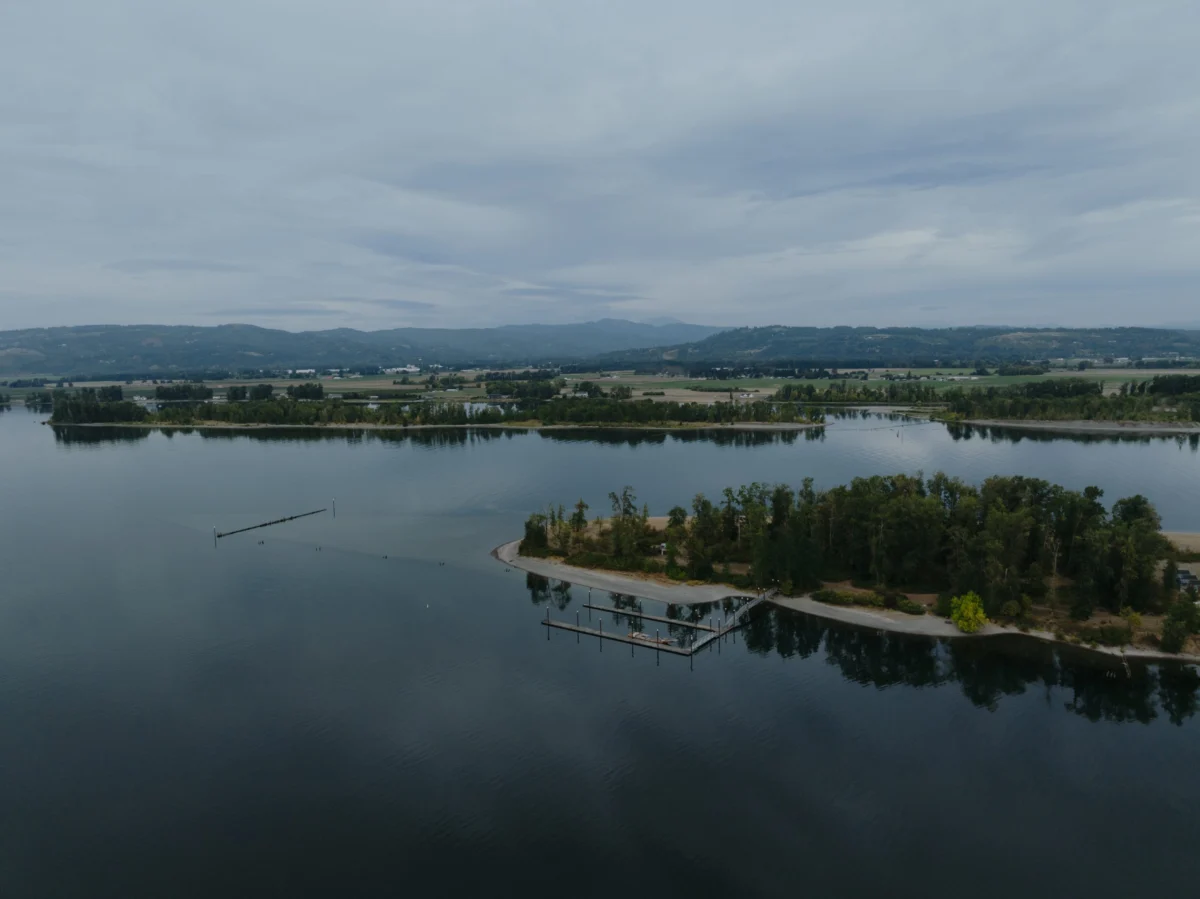
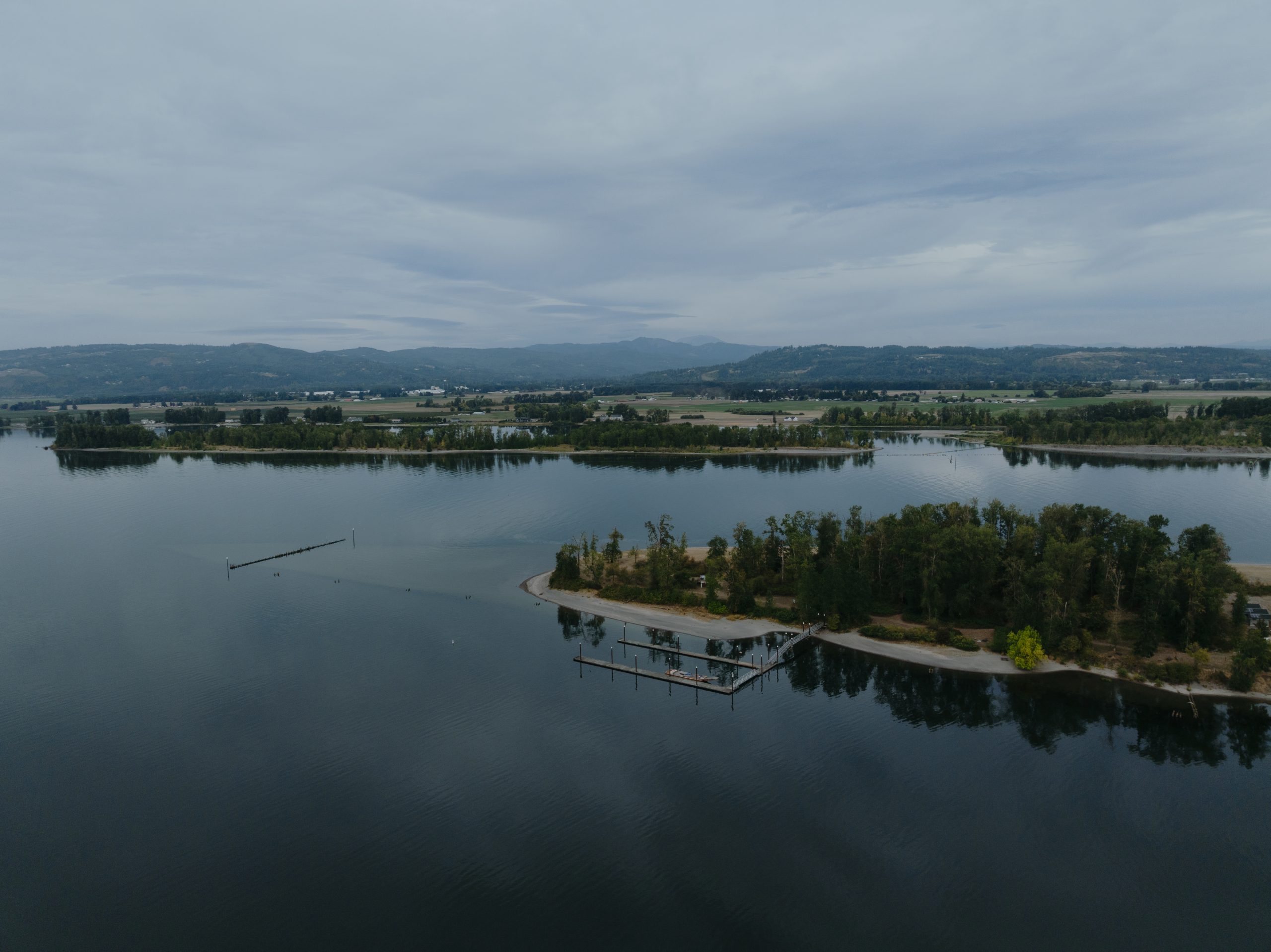
Tanya Bachman’s beloved border collie, Jax, died tragically on a summer afternoon in August 2024, a victim of a silent, invisible menace lurking in the waters of the Columbia River near Portland, Oregon. The family’s annual birthday celebration, a cherished ritual involving a boat trip and their two dogs, turned to horror when Jax, after a playful romp on an island beach, began to vomit, convulse, and tragically, lose consciousness. Despite a desperate race to the veterinarian, Jax succumbed less than an hour after his first symptoms appeared, leaving his family shattered and bewildered.
The veterinarian’s diagnosis pointed to a likely ingestion of cyanobacteria, often referred to as blue-green algae, from a benthic bloom. This phenomenon, characterized by slimy, snot-like globs that form on submerged surfaces like stream bottoms and logs, has become increasingly documented in Western waterways over the past five years. Unlike the more familiar planktonic blooms, which appear as surface scums resembling floating grass clippings or spilled paint on lakes and reservoirs, benthic blooms can be harder to detect.
Cyanobacteria, a microscopic life form present in Earth’s waters for billions of years, can proliferate explosively when presented with excess nutrients, primarily nitrogen and phosphorus. These nutrients often originate from agricultural fertilizers and air pollution. Compounding this issue, scientists like Hannah Bonner, a professor and water scientist at Brigham Young University specializing in benthic cyanobacteria, highlight the significant role of climate change. Warmer water temperatures and prolonged dry spells, characteristic of recent years, create stagnant conditions that are ideal for these blooms to flourish and spread. This creates a cruel irony: areas once sought for their cool, refreshing waters are transforming into potential hazards for pets, wildlife, and humans alike.
The toxins produced by cyanobacteria, present in both planktonic and benthic blooms, pose a serious threat. Direct contact can cause skin irritation in humans, while ingestion can lead to nausea, vomiting, and in severe cases, liver damage. For animals, the consequences can be even more dire; drinking contaminated water or even licking toxins from their fur can be fatal. Critically, standard backpacking water filtration systems are incapable of removing these potent cyanobacterial toxins, leaving outdoor enthusiasts and their companions vulnerable.
The monitoring of harmful algal blooms in Western states has largely been a reactive measure, spurred by health crises in other regions. The most notable incident occurred in 2014 when toxic cyanobacteria blooms in Lake Erie necessitated the shutdown of Toledo, Ohio’s entire drinking water system. This event prompted many Western states to intensify their efforts. Wyoming initiated bloom monitoring in 2018, initially relying on satellite imagery before transitioning to on-the-ground water sampling in 2021. Utah ramped up its monitoring in 2016, while California and Oregon, possessing some of the longest-standing programs in the West, began their monitoring initiatives approximately two decades ago.
Data emerging from these and other monitoring programs consistently indicate an unsettling trend: planktonic blooms are appearing earlier in the spring, becoming more widespread across lakes and reservoirs, and persisting later into the autumn. While some experts suggest that increased reporting may contribute to the perceived rise in blooms, a comprehensive 2021 Environmental Protection Agency study confirmed that the synergistic effects of elevated nutrient levels and the warming, drying impacts of climate change are indeed fostering more frequent and prolonged bloom events.
Theodore Dreher, a professor emeritus of microbiology at Oregon State University, points to human activities as a significant driver of these changes. "We’re affecting so much of the land surface and creating disturbances and introducing nutrients," he explains. Unlike the global reach of climate change, where emissions from one continent can impact another’s climate, nutrient pollution often stems from localized sources and offers more direct avenues for regulation. Utah, for instance, has made strides in mitigating nutrient flow into Utah Lake by implementing regulations for wastewater treatment plants and offering voluntary incentives for managing agricultural runoff and restoring floodplains. These efforts have helped curb the excessive nutrient load that once led to severe blooms, famously satirized with T-shirts bearing the slogan "Ski the Scum."

However, effective solutions require more than just bloom detection; robust water quality data collection is essential. Justin Hayes, Northern Rockies conservation director with American Rivers, emphasizes the urgent need for states to prioritize addressing the root causes of these blooms rather than solely issuing warnings. "States need to take this really seriously and start trying to solve it rather than just warning people," Hayes stated.
Researchers are also grappling with understanding the emergence of blooms in unexpected locations. High-elevation lakes, previously considered pristine and remote from pollution sources like septic systems and feedlots, are increasingly experiencing planktonic blooms. Scientists hypothesize that runoff from melting glaciers or the atmospheric deposition of nitrogen and phosphorus from dust and air pollution may be contributing factors, according to Bonner. Furthermore, as snowpack diminishes and produces less snowmelt, benthic blooms might become more prevalent. Simultaneously, a reduction in monsoon rainstorms, which historically helped to disperse algal mats, may exacerbate the problem in some regions. "I was just in the mountains last weekend, in a pristine creek, and they were everywhere," Bonner observed.
While discouraging people from enjoying the outdoors entirely is not the goal, Bonner advises heightened awareness and knowledge of what to look for. She describes benthic blooms as resembling "a big ball of snot." Her practical advice for identifying them involves using a stick to prod and lift the suspected mass; if it displays hairlike strands or fibers, it is likely not cyanobacteria or toxic. However, if it has a "boogery consistency," it is probable that it is.
In response to the growing threat, a growing number of states are installing warning signs, disseminating email alerts, and issuing public health advisories to inform the public about the presence of toxic blooms. Tanya Bachman, still deeply affected by Jax’s death, continues to share her story with local and regional media, hoping her tragic experience can prevent similar losses for other pet owners. Her poignant reminder, "Everything upstream flows downstream," underscores the interconnectedness of waterways and the pervasive nature of these toxic blooms, emphasizing that a problem originating in one area can inevitably impact others further down the river.