Rocky Georgio

Arizona is formally entering the legal battle against a federal ten-year management plan for the Colorado River, a strategy that could significantly curtail the state’s water allocation and jeopardize its economic stability. The Arizona Department of Water Resources filed a motion to intervene in an existing lawsuit initiated by Nevada, asserting that the federal government’s proposed framework for the increasingly strained river system would "devastate Arizona’s economy." In their filing, state attorneys declared that "The State’s towns, cities, tribes, farmers, factories, and businesses cannot survive without sufficient water from the Colorado River."
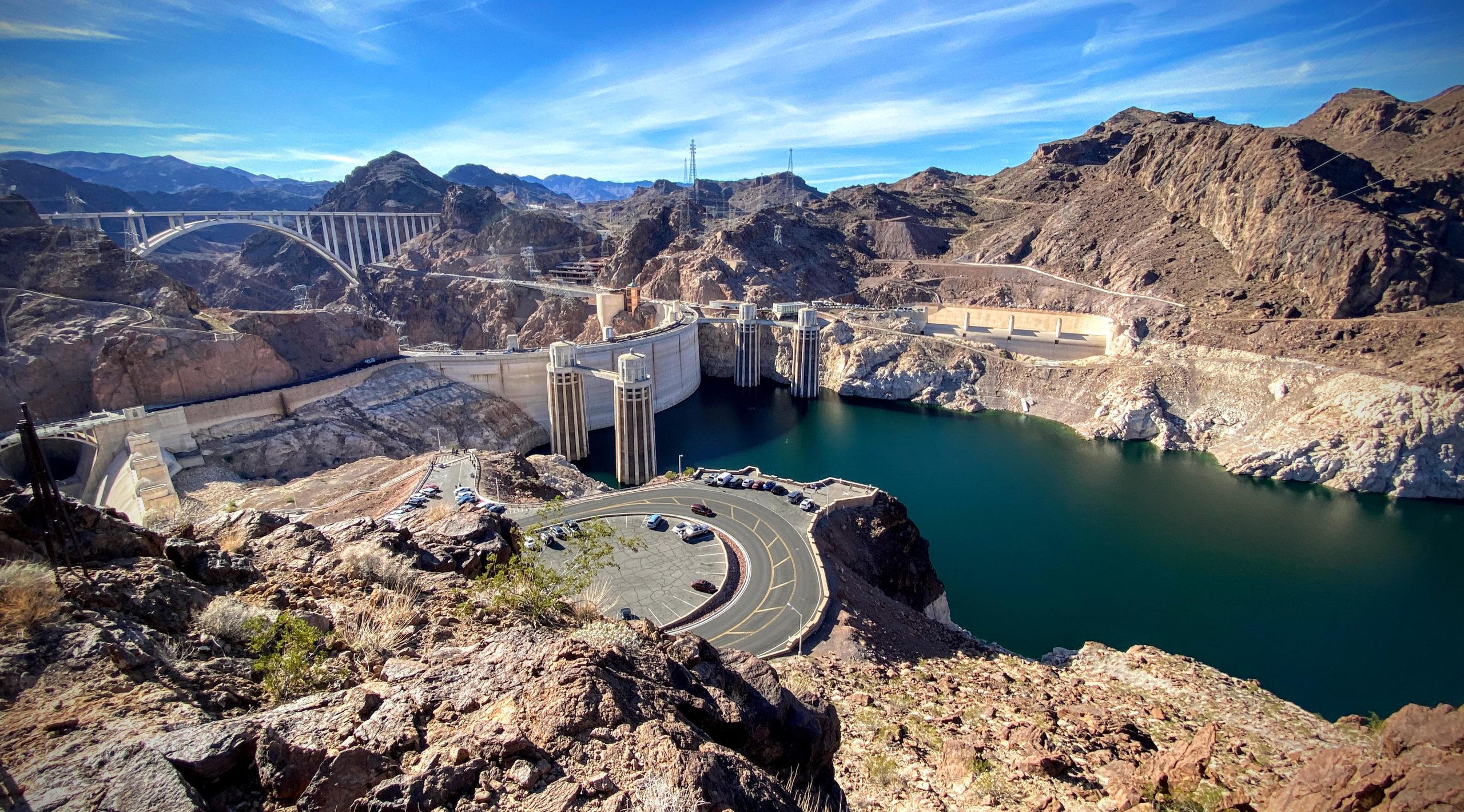
The genesis of this legal challenge lies in Nevada’s lawsuit, filed in late August, which targeted several federal agencies. Nevada contends that the federal plan disproportionately burdens the Lower Basin states. The Colorado River, a vital water source for some 40 million people across seven U.S. states and parts of Mexico, is facing unprecedented stress. Decades of over-allocation, solidified by mid-20th-century agreements that promised more water than the river could reliably deliver, have been exacerbated by the intensifying impacts of climate change. This environmental shift is leading to reduced snowpack and decreased runoff, directly impacting the water levels in crucial reservoirs like Lake Mead and Lake Powell. Faced with the inability of the seven basin states to reach a consensus on how to manage these dwindling resources, federal authorities stepped in to implement a plan aimed at better aligning water withdrawals with available supply.
Both Arizona and Nevada argue that they have already made substantial efforts to conserve water and that the federal plan unfairly targets them for further reductions. Tom Buschatzke, Director of the Arizona Department of Water Resources, stated in a recent release that "The Lower Basin states have contributed millions of acre-feet of water toward stabilizing the river system." He emphasized Arizona’s significant sacrifice, noting, "With more than 5.5 million acre-feet of Arizona water left in Lake Mead since 2014, no state has sacrificed more." Buschatzke concluded, "The US decision puts the entire burden of sacrifice on the shoulders of three states. We are joining Nevada in challenging that framework."
The Colorado River system is traditionally divided into two main basins: the Upper Basin, comprising Colorado, New Mexico, Utah, and Wyoming, and the Lower Basin, which includes Arizona, Nevada, and California. The foundational document governing water distribution is the 1922 Colorado River Compact, which historically allocated 7.5 million acre-feet of water annually to each basin, with an additional smaller allocation for Mexico. The individual states within each basin then further divide their respective shares. An acre-foot, a standard unit of water measurement, is equivalent to approximately 325,851 gallons, enough to cover an acre of land to a depth of one foot. For context, in Arizona, one acre-foot of water is typically sufficient to serve three single-family homes for a year.
California historically receives the largest allocation from the Colorado River, amounting to 4.4 million acre-feet per year, representing about 27% of the total. Arizona’s allocation is 2.8 million acre-feet annually (approximately 17%), while Nevada receives a significantly smaller share of 300,000 acre-feet (around 2%). These allocations are not static and are subject to the prevailing conditions of the river and the agreements in place.
The U.S. Bureau of Reclamation’s recently finalized plan mandates that the Lower Basin states bear the brunt of potential water use reductions. For Arizona, this translates to a proposed cut of 760,000 acre-feet per year, a reduction of roughly a quarter of its total allocation and the most substantial cut among the three Lower Basin states. California would be required to reduce its usage by 440,000 acre-feet annually, and Nevada by 50,000 acre-feet, with the potential for total cuts reaching up to 3 million acre-feet across the Lower Basin. Notably, the federal government has not imposed mandatory cuts on the Upper Basin states; instead, it has requested voluntary contributions of 200,000 acre-feet each from them over the next two years.
Arizona Governor Katie Hobbs voiced strong opposition to the federal mandate, stating, "Arizona has always been willing to do our part to protect the Colorado River, but we will not accept a forced federal plan that solves this crisis on the backs of our families, farmers, and businesses."
The Department of the Interior, however, criticized Arizona’s legal maneuver. A spokesperson stated, "Governor Hobbs is wrong, and it’s unfortunate to see Arizona playing politics instead of working toward meaningful solutions." The department added, "Litigation won’t create a single additional drop of water or change the hydrologic realities facing the Colorado River Basin." The Interior Department maintains it is actively collaborating with basin states, tribes, and water users to forge a mutually agreeable solution.
Arizona’s legal complaint, filed alongside its motion to join Nevada’s lawsuit, highlights alleged flaws in the federal government’s environmental review process that underpinned the decision. The state argues that all federal alternatives considered implicitly assumed that the Upper Basin states would not implement any significant reductions in their water usage, regardless of how critically low the river’s flow became. "The alternatives placed the full burden of any resulting shortfall on the Lower Basin," the complaint asserts.
The complex system of Western water rights operates under a "first in time, first in right" doctrine. This principle prioritizes water users who claimed or acquired their water rights earlier over those who did so later. Consequently, Arizona’s Colorado River rights hold a lower priority than California’s, which were secured at an earlier date. This hierarchy is a significant factor in how water scarcity is managed and allocated during times of shortage.
Director Buschatzke warned of the severe consequences of the proposed cuts for Arizona: "Such reductions could effectively dry up the Central Arizona Project canal system, as well as many of our on-river communities and would more than double the water cuts agreed to in the Lower Basin Agreement." The Central Arizona Project (CAP) canal is a critical infrastructure that delivers water from the Colorado River to central and southern Arizona, supporting agriculture, urban populations, and industries.
Nevada’s August lawsuit preceded the U.S. Department of the Interior’s formal announcement of its Colorado River plan by just three days. In its complaint, Nevada articulated that the proposed cuts "will cause devastating environmental, socioeconomic, and health and human safety impacts to southern Nevada and its citizens." The lawsuit further contends that the federal plan contravenes several provisions of the "Law of the River," a comprehensive framework encompassing compacts, treaties, statutes, and court decisions that govern the allocation and management of Colorado River water.
Nevada Governor Joe Lombardo welcomed Arizona’s decision to join the legal challenge, characterizing it as "an important step in challenging a federal plan that unfairly burdens the Lower Basin and fails to require the Upper Basin to make meaningful reductions." Arizona officials believe that by intervening in Nevada’s existing lawsuit, they can avoid the need to file a separate, parallel legal action, thereby consolidating efforts and ensuring their interests are effectively represented. "Arizona believes that taking this action now provides the best path forward for protecting Arizona water users," Buschatzke stated.