Rocky Gerung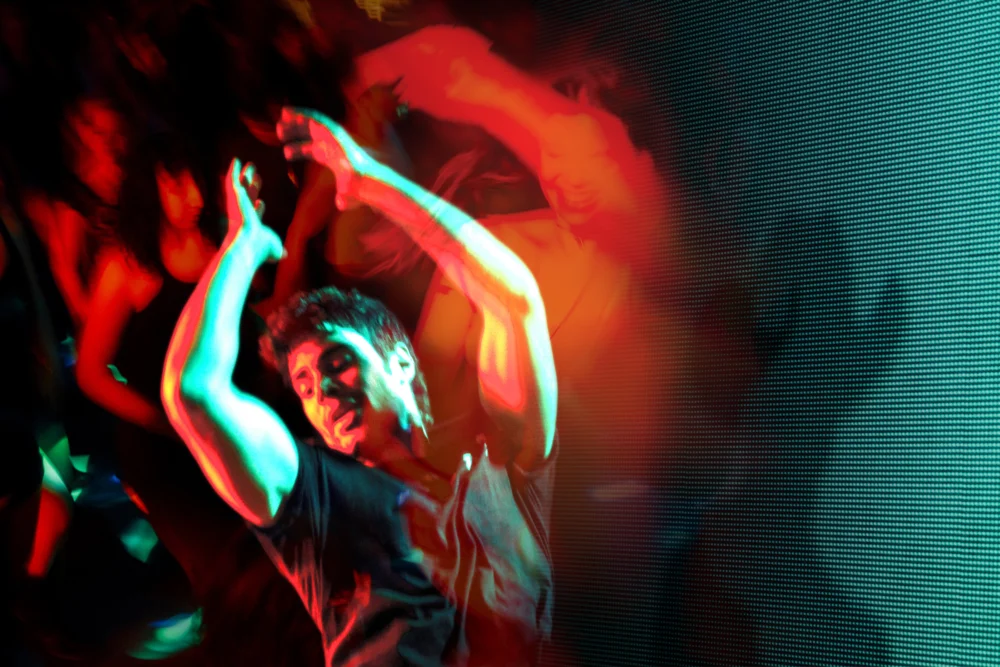
As a dramatic Pineapple Express storm reached its zenith, my husband, Aaron, and I stepped into the energetic atmosphere of Stud Country, a hub for LGBTQ+ country dance events. Donning white N95 masks and shedding our raincoats, we revealed T-shirts tucked into jeans and cargo pants, accessorized with belts that perfectly matched our cowboy boots. This ensemble, while our usual attire, marked an unusual outing: it was a Thursday evening, a school night, and we were at Los Globos, the venue for Stud Country’s latest country dance night, ready to boogie. My early twenties were spent frequenting this historic Silver Lake establishment for late-night techno-house sets and weekday salsa lessons; tonight, however, we were there for a beginner’s two-step class.
Our decision to learn the two-step stemmed from a recent courthouse wedding, a proactive step taken before a potential Supreme Court ruling that could impact same-sex marriage rights. While the court ultimately declined to hear the case, preserving marriage equality, we were eager to celebrate our union with friends and family at a spring desert reception. A cornerstone of this celebration would be our first dance, and the two-step seemed the ideal choice.

Stud Country has cultivated a significant following for its parties, which feature classic and ’90s country dances set to Western and contemporary pop music. Over the past few years, these events have surged in popularity across California, continuing Los Angeles’s rich, half-century tradition of queer line dancing and LGBTQ+ cowboy culture. This burgeoning phenomenon has even extended to the East Coast, with merchandise like muscle tees proclaiming "I’m Bi for Stud Country" becoming a symbol of the movement’s reach.
The dance floor was initially sparse, but as the resonant twang of a dobro guitar filled the air, the lights dimmed, and a disco ball began its mesmerizing spin, the scene transformed. Sean Monaghan, co-founder of Stud Country, and Anthony Ivancich, a respected figure in the Los Angeles queer country scene, captivated the room with a graceful two-step demonstration. Their fluid movements, a series of looping twirls and elegant holds, drew the audience’s attention, reminiscent of the elaborate courtship displays of the greater sage grouse, though this was a vibrant expression of intergenerational camaraderie rather than a mating ritual.
Stud Country emerged in 2021, a year marked by the closure of Oil Can Harry’s, a legendary gay country-western bar that had served as a vital community anchor for decades. Ivancich himself had danced at Oil Can Harry’s for over fifty years. Situated in Studio City, Oil Can Harry’s stood as one of the oldest queer establishments not only in Los Angeles but across the United States, having operated since 1968. Throughout its history, it provided a sanctuary for diverse forms of self-expression, from the disco era to leather subcultures. The bar weathered numerous challenges, including targeted police raids on LGBTQ+ spaces in the late 1960s and the devastating AIDS crisis of the 1980s, during which it transformed into a hub for mutual aid and community support. Ultimately, however, it succumbed to the economic pressures exacerbated by the COVID-19 pandemic.

The building that once housed Oil Can Harry’s, alongside other significant Los Angeles LGBTQ+ landmarks like The Black Cat—a site of some of the nation’s earliest LGBTQ+ protests, predating the Stonewall Uprising—is now designated as a historic-cultural monument by the Los Angeles Conservancy. Stud Country has embraced the legacy of queer country by organizing events in various venues throughout the city and, increasingly, across the country. This trend towards pop-up parties reflects a broader pattern observed over recent years, as escalating rents and gentrification lead to the closure of LGBTQ+ bars nationwide.
Sean Monaghan articulated the significance of this cultural continuity in a short Los Angeles Times documentary: "Remembering that the elders that come to Stud Country now literally got arrested for trying to create this culture is remarkable. They laid the foundation for what we do now." This sentiment underscores the deep historical roots and ongoing evolution of LGBTQ+ community spaces and traditions.
Upstairs, as our two-step class began, Aaron confidently took the lead, and I followed, mirroring his movements. Our hands met—his left in my right, my left resting on his hip—while his right hand found my shoulder. We began a slow, counterclockwise progression around the dance floor, joined by over twenty other pairs. The two-step rhythm, a sequence of two quick steps followed by two slow steps, unfolded to the instructor’s count: "Quick, quick, slow, slow!" My feet occasionally stumbled as I navigated the syncopated beat, but closing my eyes allowed a growing confidence to emerge, much like the assured presence of the sage grouse. Like any successful partnership, learning to dance together is fundamentally about trust.

The two-step, a dance form rich with regional variations, also embraces uniquely queer traditions, including "shadow dancing." This intimate style involves partners facing the same direction, moving in close proximity without the traditional lead-and-follow dynamic. Our instructor emphasized that the two-step transcends mere partner dancing; it serves as a powerful tool for bridging generational divides and fostering stronger community bonds. "It’s a way to cross generational divides," he explained, highlighting its social and connective power.
Just as Aaron and I began to find our rhythm, the instructor called for a partner rotation. Suddenly, I was twirling with Ariella, her lips a bold shade of purple, then with Bri, adorned in dazzling boots, followed by Jorge, sporting a stylish crop top. With each new partner, we practiced incorporating turns and reverse spins into the basic steps. Each individual offered a distinct leading style, making the experience of being spun by people of varying genders and heights an enjoyable exploration as we collaboratively navigated the evolving choreography.
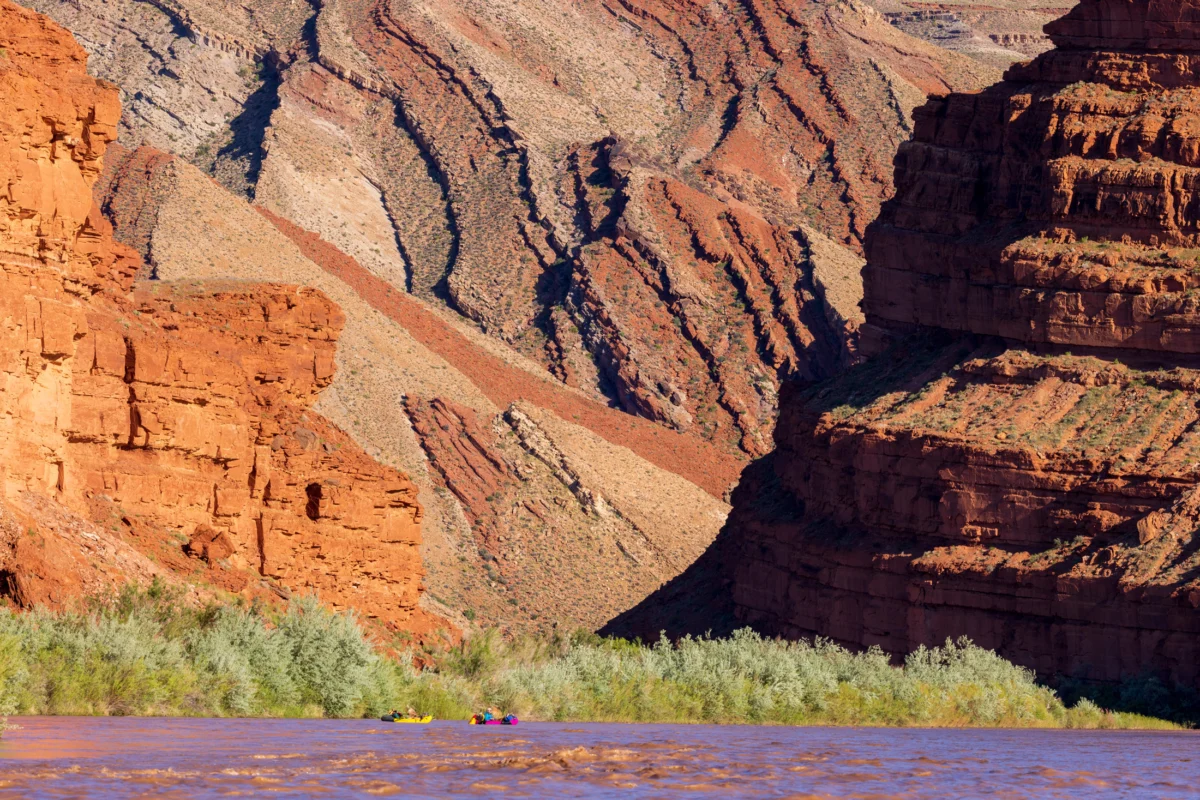
As the class concluded, we walked back to our car under the continuing downpour, our steps still echoing the rhythm of the two-step: Quick, quick, slow, slow. I found myself envisioning our first dance, contemplating the possibility of performing the two-step to The Chicks’ "Cowboy Take Me Away." This song, performed by our friend Taylor at our courthouse ceremony, held profound personal meaning for us as a queer couple. We had often played it on road trips across the Southwest, soundtracking our journeys through desert landscapes, across vast expanses of sagebrush, and beneath starlit skies, mirroring the song’s evocative imagery.

One certainty remained: we had significant practice ahead of us. To truly honor the song and extend the legacy of our queer predecessors on that dusty desert dance floor, we needed to refine our moves, perhaps even embrace the intimate nuances of shadow dancing.
Confetti Westerns is a column dedicated to exploring the queer natural and cultural histories of the American Southwest.