Roger Danuarta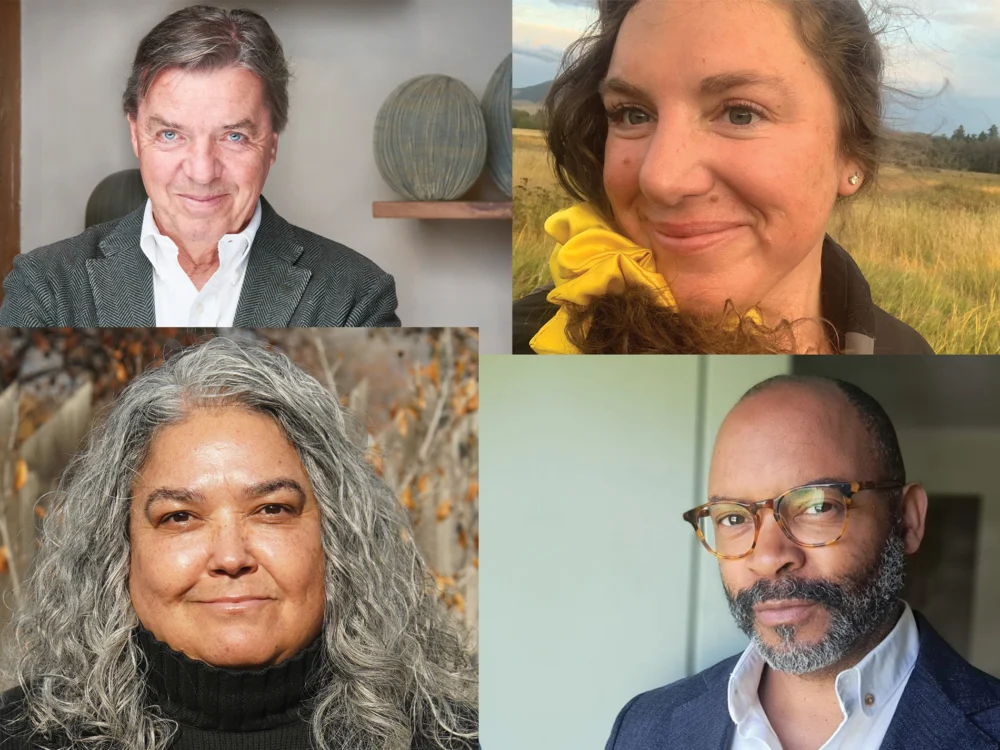
The steadfast commitment of High Country News (HCN) to its unique model as a reader-supported nonprofit forms the bedrock of its editorial independence and journalistic integrity, a distinction that has become increasingly vital in a rapidly evolving media landscape. This innovative framework ensures that approximately three-quarters of the organization’s operating revenue flows directly from its dedicated community of readers through subscriptions and generous donations, a testament to the direct link between audience engagement and the publication’s very existence. Unlike many traditional media outlets grappling with advertising revenue volatility and corporate pressures, HCN’s financial stability is deeply intertwined with the trust and direct investment of its readership, allowing it to prioritize in-depth, nuanced reporting on the American West’s complex environmental and social issues without external influence. This symbiotic relationship is vividly symbolized by the prominent placement of its Community Pages within the magazine, a deliberate choice reflecting the profound belief that its readers are not merely consumers but the indispensable core and driving force behind its mission.

The operational structure of High Country News is further defined by its 501(c)(3) nonprofit status, a designation granted by the Internal Revenue Service that confers significant benefits, including tax-exempt status for donor contributions. Beyond fiscal advantages, this legal framework mandates a governance model centered on public benefit, transparency, and accountability, overseen by a volunteer board of directors. These directors collaborate closely with the senior management team to ensure robust financial stewardship, adherence to the organization’s mission, and overall responsible management. This oversight is crucial for maintaining public trust, demonstrating fiscal prudence, and upholding the ethical standards expected of a public service journalism institution.
To ensure continuous fresh perspectives and robust governance, board members serve defined three-year terms, with a limit of three consecutive terms, fostering a dynamic environment where new expertise and diverse viewpoints are regularly integrated. The rigorous selection process prioritizes individuals who not only demonstrate a profound commitment to HCN’s mission of incisive Western environmental and social journalism but also possess the strategic and operational skills essential for guiding a complex nonprofit organization. Crucially, the search also emphasizes bringing in individuals whose identities and backgrounds authentically reflect the rich diversity of the American West, acknowledging that varied lived experiences lead to more comprehensive insights and a stronger connection to the communities served. This deliberate approach to board diversity strengthens decision-making, enhances relevance, and ensures that the organization remains attuned to the multifaceted narratives of the region.

In January, High Country News proudly welcomed four distinguished individuals to its board of directors, each bringing a wealth of experience and a deep-seated passion for the West and the future of journalism. Their collective expertise spans critical areas from environmental stewardship and social justice reporting to digital media innovation and collaborative journalism, promising to significantly enhance HCN’s strategic capabilities and broaden its impact.
Tyrone Beason, a seasoned journalist with a unique perspective shaped by his upbringing in a working-class Black community in Bowling Green, Kentucky, joins the board with a profound understanding of the interconnectedness between human communities and their natural environments. His formative years, spent working on his grandfather’s farm, instilled in him an innate sense of belonging within the ecosystem, a foundation that later informed his award-winning career. Beason’s journalistic journey saw him fall in love with the West during a college visit to Oregon, eventually leading to a distinguished tenure as a staff writer and multimedia storyteller at the Seattle Times. There, he became a revered mentor, particularly to young journalists of color, actively fostering diversity and inclusion in newsrooms. His most recent role at the Los Angeles Times further cemented his reputation for covering critical, complex issues, ranging from the intricacies of the 2020 election and the vital importance of tribal land co-management—a key issue for Indigenous sovereignty and conservation in the West—to exploring the thorny history of reparations for racist land seizures, all themes that resonate deeply with HCN’s mission of uncovering injustices and celebrating resilience in the region.

Heather MacSlarrow, a dedicated environmental advocate based in Missoula, Montana, brings extensive experience in nonprofit leadership and wilderness stewardship to the board. Her connection to High Country News began during her college years, when the publication significantly shaped her understanding of the West and inspired her subsequent career working with various regional nonprofits. As the executive director of the Society for Wilderness Stewardship, she plays a pivotal role in advancing high-quality wilderness management through initiatives like the Wilderness Policy Center. MacSlarrow has been a leading voice in broadening the discourse surrounding wilderness and land stewardship, actively advocating for the inclusion of more diverse perspectives, particularly those of Indigenous peoples. Her work challenges conventional boundaries within both agency and nonprofit sectors, driven by her insightful belief that "all cultures come from wilderness" and that "our cultural norms come from landscapes," underscoring the intrinsic link between human identity and the natural world, a concept gaining global recognition in conservation efforts.
Amy Maestas, a visionary in journalism innovation, adds invaluable expertise in building sustainable and impactful media models. Hailing from Magna, Utah, a community situated near the ecologically critical Great Salt Lake, Maestas has dedicated her career to evolving journalistic practices. She rose through the ranks at the Durango Herald before returning to her home state to assist the Salt Lake Tribune in its groundbreaking transition to a nonprofit organization—a significant trend in local journalism aimed at preserving vital community news sources. In 2020, her commitment to meaningful reporting led her to the Solutions Journalism Network, where she directed the Local Media Project, providing essential funding and support for journalism collaboratives across the country. This experience directly informs her current role as director of the Collaborative Journalism Resource Hub at Montclair State University, though she continues to reside in Utah, maintaining her deep connection to the West. Her profound understanding of what it takes to make collaborative projects succeed will be instrumental as High Country News develops its ambitious Western Environmental Reporting Collaborative, an initiative poised to amplify crucial environmental stories across the vast and diverse region.

Mike Tansey, originally from Edinburgh, Scotland, but now a long-term resident of Denver, Colorado, contributes a wealth of knowledge from a distinguished career in publishing, particularly navigating the seismic shift from print to digital media. Having been at the forefront of this technological transformation, Tansey offers critical insights into modern audience engagement and revenue development. He notes the stark contrast between traditional print, where audience interaction was largely unknown, and today’s digital landscape, which provides "phenomenal metrics about how many people are reading, how far they’re getting into a story, and how you can tie that into communities you’re trying to serve." This data-driven approach is paramount for reader-supported organizations like HCN, enabling them to better understand and serve their community. Tansey discovered High Country News through its impactful climate reporting referenced in the Los Angeles Times, a testament to the far-reaching influence of quality environmental journalism, and he is eager to leverage his experience to assist with fundraising and revenue development, crucial elements for ensuring the long-term financial health and independence of the publication.
The addition of Tyrone Beason, Heather MacSlarrow, Amy Maestas, and Mike Tansey represents a significant strengthening of High Country News‘s leadership, infusing the organization with diverse expertise and renewed vigor. Their collective commitment to the mission of providing indispensable journalism on the American West, coupled with their varied professional backgrounds, positions HCN to navigate future challenges and opportunities with confidence. The organization extends its sincere gratitude to all those who expressed interest in serving, deeply touched by the outpouring of community engagement that continues to underscore the vital importance of reader support in sustaining independent, impactful journalism.