Roger Danuarta
The bedrock of democratic governance, particularly in environmental policy, increasingly relies on robust public engagement, yet citizens worldwide grapple with the sheer volume and perceived efficacy of their submissions to regulatory bodies. From preserving roadless areas and protecting coastal ecosystems from expanded offshore drilling to safeguarding the integrity of the Clean Water Act and the Endangered Species Act, individuals often invest time and effort in submitting formal comments, driven by a fundamental belief in the democratic process and the hope that their voices will be heard. This process, often channeled through official government portals like the U.S. Federal Register, represents a vital mechanism for ensuring transparency and accountability, allowing diverse stakeholders to influence decisions that impact public health, natural resources, and future generations. However, a growing sentiment suggests that while the avenues for public input remain open, the actual impact of these contributions in shaping final policy outcomes appears to diminish in an era characterized by rapid regulatory shifts and often politically charged agendas.
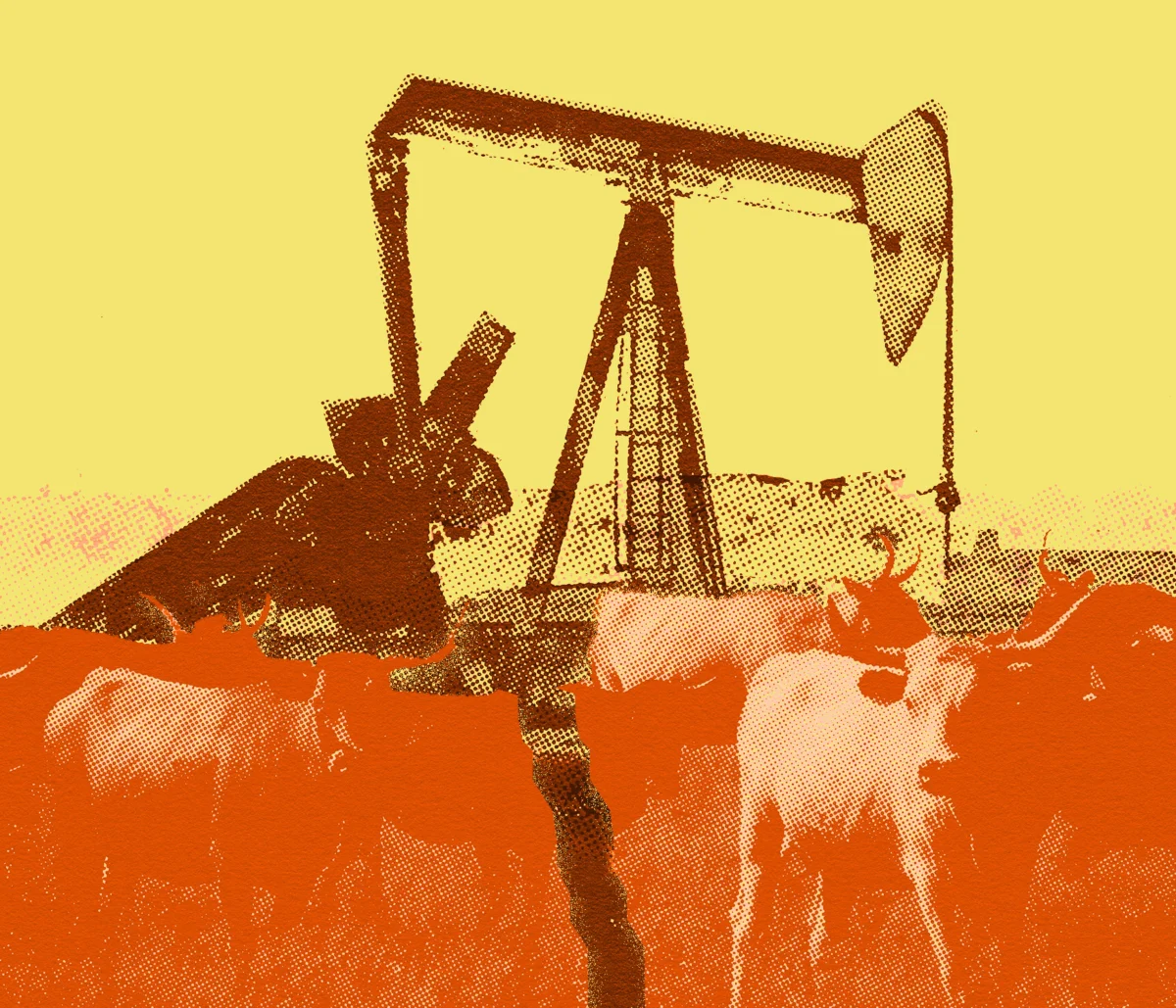
Adding to this concern are instances where significant environmental directives face challenges or reversals with limited public consultation, raising questions about the balance between executive authority and participatory governance. A case in point involves the foundational "endangerment finding" by the U.S. Environmental Protection Agency (EPA), which scientifically established that greenhouse gases threaten public health and welfare, thus mandating their regulation under the Clean Air Act. This critical finding laid the groundwork for policies aimed at curbing emissions from major sources, including vehicles and power plants. Recent policy adjustments and reinterpretations, however, have effectively curtailed the EPA’s ability to implement comprehensive regulations stemming from this finding, leading to concerns that industries may face fewer constraints on emissions. Critics argue that such moves, enacted without broad public input, contradict the EPA’s core mission "to protect human health and the environment," and instead serve narrow economic interests at the expense of collective well-being and a stable climate. This pattern of deregulation, often driven by a fervent belief in unfettered market forces, sparks a global debate about the role of government in balancing economic growth with environmental stewardship, particularly as nations worldwide strive to meet climate commitments.

The tangible consequences of a warming climate are starkly evident in vital agricultural regions, serving as undeniable proof for even the most ardent skeptics. Across the American West, farmers in central Arizona, for example, have faced severe curtailment or complete cessation of their allocations from the Colorado River in recent years. This critical water supply, which sustains vast agricultural enterprises and millions of urban residents across seven U.S. states and parts of Mexico, is experiencing unprecedented diminishing flows. Scientific consensus attributes this crisis directly to persistent higher temperatures and significantly reduced snowpack in the Rocky Mountains, the river’s primary source, both hallmarks of a changing climate. The shrinking Colorado River basin underscores a global dilemma where vital water resources are under increasing stress from climatic shifts, impacting food security, regional economies, and the intricate balance of ecosystems. Communities reliant on melting glaciers and snow-fed rivers, from the Himalayas to the Andes, face similar existential threats, prompting urgent calls for adaptive water management strategies and international cooperation.
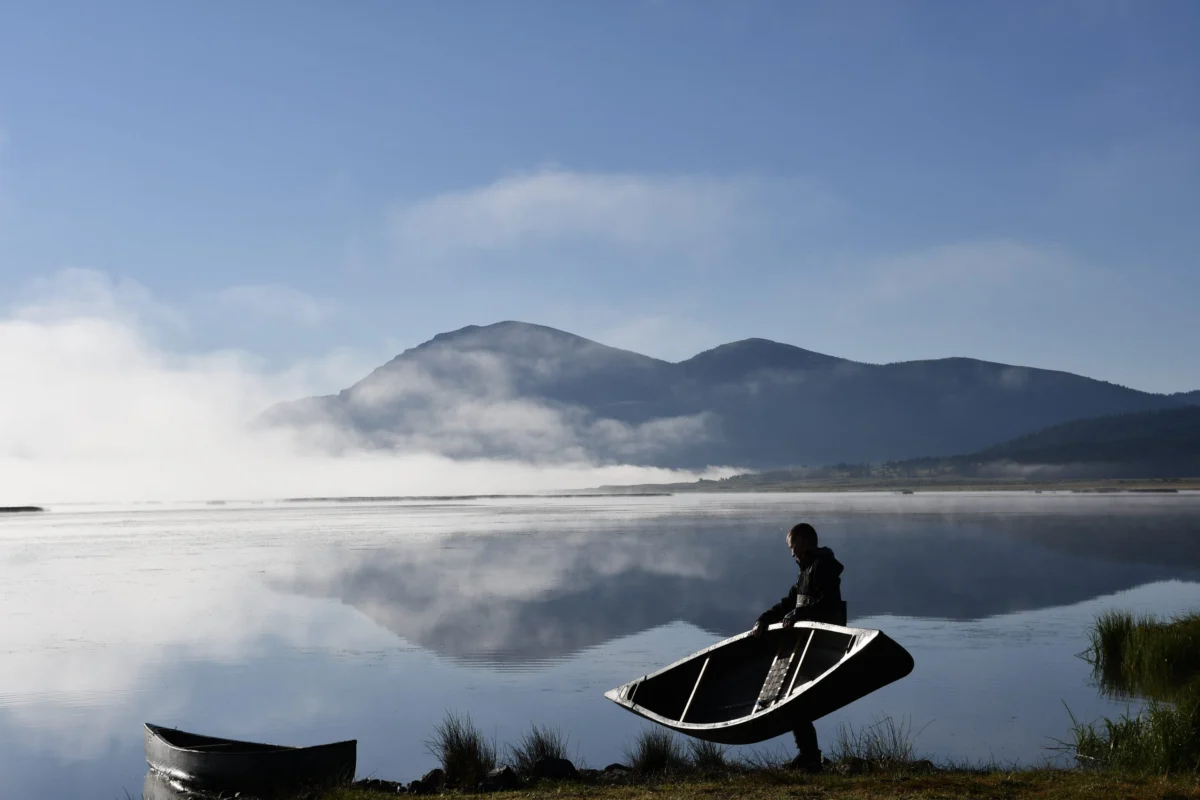
Against this backdrop of daunting environmental challenges and policy reversals, indigenous communities frequently offer compelling alternative models for sustainable resource management, rooted in millennia of traditional ecological knowledge and a deep reverence for the land. In western Montana, the Confederated Salish and Kootenai Tribes provide an inspiring example of leveraging tribal sovereignty and inherent treaty rights to establish unique protections for their ancestral waterways. Far from the contentious and often short-sighted debates over resource allocation, these tribes have strategically designated specific rivers and streams, ensuring their long-term health and ecological integrity. One such waterway has been designated a primitive area, accessible only to tribal members, preserving its pristine state and cultural significance. Another has been formally recognized as a cultural waterway, integrating its ecological functions with the spiritual and historical heritage of the Salish and Kootenai people.
This proactive approach exemplifies how traditional ecological knowledge (TEK) can complement modern conservation science, offering holistic perspectives that consider the interconnectedness of all living systems. By aligning agricultural practices with natural ecological processes, the tribes demonstrate a sustainable pathway that benefits both human communities and the environment. Their actions stand in stark contrast to the often-intractable challenges faced by non-indigenous governance structures, particularly in regions like the Colorado River Basin, where a legacy of over-allocation and a focus on short-term economic gains continue to hinder comprehensive, long-term solutions. The tribal model, emphasizing stewardship, intergenerational responsibility, and a deep understanding of local ecosystems, represents a forward-looking paradigm for environmental governance. It highlights the potential for reconciliation between historical injustices and future sustainability, offering valuable lessons for nations grappling with the complexities of climate change and resource scarcity.

Ultimately, the trajectory of environmental policy and resource management in the American West, and indeed globally, hinges on a fundamental shift from reactive, short-sighted decision-making to a proactive embrace of common sense and compassion. The contrast between approaches that undermine established environmental protections and those that, like the Confederated Salish and Kootenai Tribes, actively safeguard natural heritage, could not be starker. True resilience in the face of escalating climate impacts demands innovative solutions, collaborative governance, and a profound empathy for all inhabitants of our shared planet, human and non-human alike. Ignoring the undeniable realities of climate change and sidelining public input in critical environmental decisions not only imperils natural ecosystems but also undermines the very foundations of equitable and sustainable societies. The path forward requires vision, courage, and a collective commitment to protecting the irreplaceable natural capital that sustains life itself.