Rocky Gerung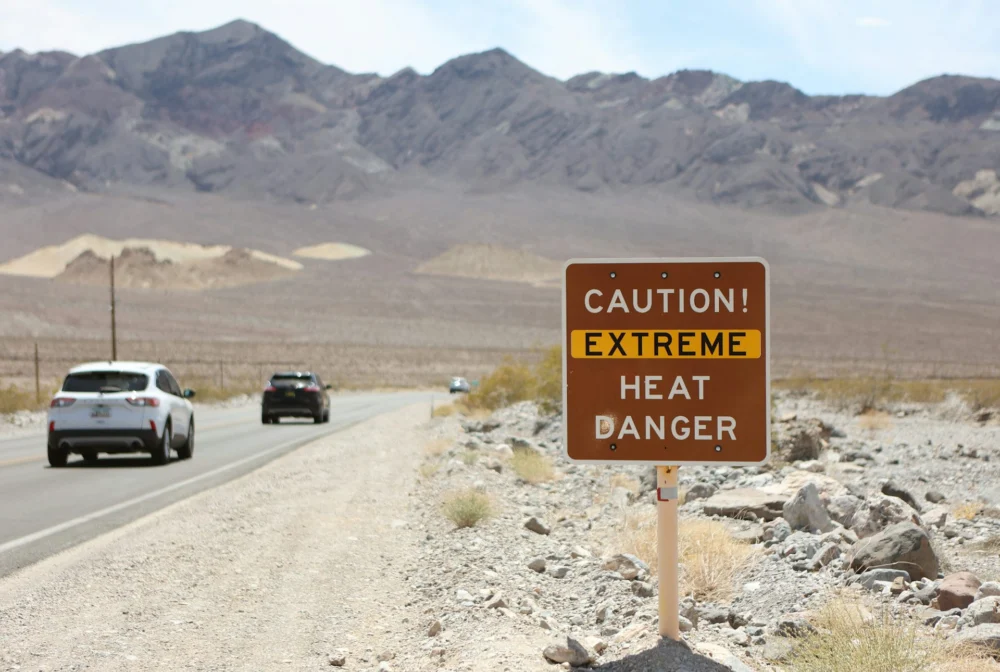
The Trump administration initiated a significant rollback of federal climate policies on February 12 by moving to rescind the 2009 endangerment finding, a landmark determination by the Environmental Protection Agency (EPA) that classified six greenhouse gases, including carbon dioxide and methane emitted from fossil fuel combustion, as threats to public health and welfare. This decision, however, is being met with strong opposition from medical and scientific professionals who argue that its dismissal of climate change-related health risks is not only factually inaccurate but poses profound dangers to the health and safety of Americans.

Physicians, epidemiologists, and environmental health scientists have amassed considerable evidence demonstrating a clear link between a changing climate and adverse human health outcomes. The accumulation of greenhouse gases in the atmosphere, largely from human activities such as burning fossil fuels in vehicles and power plants, acts like a blanket, trapping heat and causing global temperatures to rise. This warming trend leads to increased exposure to dangerous heat conditions, with potentially fatal consequences, particularly for vulnerable populations like outdoor workers, the elderly, and individuals with pre-existing chronic conditions such as heart, lung, or kidney diseases. Global heat-related deaths have surged by 23% between the 1990s and the 2010s, claiming over half a million lives annually on average during that period, with the 2021 Pacific Northwest heat dome alone causing hundreds of fatalities in the United States. Climate scientists project that many U.S. cities, including Miami, Houston, Phoenix, and Las Vegas, will face an escalating number of days each year where extreme heat threatens human survival.
Beyond extreme heat, climate change fuels more intense and frequent extreme weather events. Warmer air’s capacity to hold more moisture intensifies rainfall and storm severity, leading to devastating floods that have impacted numerous U.S. communities. Simultaneously, warmer ocean waters provide more energy for hurricanes, exacerbating their destructive potential. The health consequences of increased flooding are severe, ranging from drownings and injuries to widespread water contamination from pathogens and toxic chemicals. Individuals involved in cleaning up flooded homes also face risks from mold exposure, physical injuries, and significant mental distress. Furthermore, climate change intensifies droughts, which disrupt food supplies and contribute to respiratory illnesses due to increased dust in the air. The drying of forests and grasslands due to rising temperatures and aridity creates conditions ripe for devastating wildfires.

Wildfires, exacerbated by climate change, significantly degrade air quality across the nation. The smoke from these fires is a toxic mixture of fine particulate matter (PM2.5) that can penetrate deep into the lungs, along with hazardous compounds like lead, formaldehyde, and dioxins released from burning materials. These smoke plumes can travel thousands of miles, triggering heart attacks, increasing lung cancer risks, and contributing to a host of other health problems. Concurrently, warmer temperatures promote the formation of ground-level ozone, a potent irritant to both the heart and lungs. The ongoing combustion of fossil fuels also releases a spectrum of dangerous air pollutants responsible for numerous health issues, including heart attacks, strokes, asthma exacerbations, and lung cancer.
The warming climate also facilitates the spread of infectious diseases. Insects, being cold-blooded, are directly affected by temperature increases; warmer weather accelerates mosquito biting rates and the development of disease agents they transmit. Mosquito-borne illnesses like dengue fever are now appearing in U.S. states including Florida, Texas, Hawaii, Arizona, and California. New York recently reported its first locally acquired case of chikungunya virus, also transmitted by mosquitoes. The impact extends beyond insect-borne infections; warmer temperatures contribute to an increase in diarrheal and foodborne illnesses from bacteria such as Vibrio cholerae. Heavy rainfall leads to sewage-contaminated stormwater overflows into lakes and streams, further increasing health risks. Conversely, drought conditions in the desert Southwest elevate the risk of coccidioidomycosis, a fungal infection commonly known as valley fever.

The multifaceted impacts of climate change on health are extensive. Longer pollen seasons intensify allergen exposure, while reduced crop yields threaten access to nutritious foods. Mental health is also profoundly affected, with elevated rates of anxiety, depression, and post-traumatic stress disorder following climate-related disasters. Studies have also linked high-temperature days to increased rates of violent crime and suicide. Vulnerable populations, including young children, older adults, pregnant women, and individuals with pre-existing medical conditions, face disproportionately higher risks. Low-income communities are particularly susceptible due to higher rates of chronic disease, increased exposure to climate hazards, and limited resources for protection, medical care, and post-disaster recovery.
The scientific evidence linking climate change to human health impacts has grown substantially since 2009 and is now considered incontrovertible. Research consistently shows that heat, air pollution, disease transmission, and food insecurity—all exacerbated by climate change—are worsening and exacting a heavy toll, costing millions of lives globally each year. These findings resonate with the lived experiences of Americans who have fallen ill during heat waves, struggled to breathe wildfire smoke, or suffered injuries in the aftermath of hurricanes, all of which underscore the tangible threat climate change poses to human well-being. Despite this overwhelming evidence, the administration’s stance that climate change does not endanger health represents a willful disregard for scientific consensus.

The move to rescind the 2009 endangerment finding, which serves as the foundation for numerous climate regulations, aligns with a broader agenda of policy measures aimed at dismantling environmental protections. This includes reducing support for renewable energy sources and providing subsidies to fossil fuel industries, which directly contribute to public health hazards. In addition to revoking the endangerment finding, the administration also moved to relax emissions standards for vehicles, the primary source of U.S. carbon emissions and a significant contributor to harmful air pollutants like PM2.5 and ozone.
However, the inverse of this alarming trend offers a hopeful perspective: governmental actions to mitigate the causes of climate change can simultaneously address some of the world’s most pressing health challenges. The transition to cleaner vehicles and electricity generation directly leads to improved air quality, consequently reducing the incidence of heart and lung diseases. Promoting active transportation, such as walking and cycling, through investments in safe infrastructure, encourages physical activity and lowers the risk of chronic diseases. The correlation is clear: confronting climate change is intrinsically linked to promoting public health. Therefore, to truly foster a healthier nation, it is imperative to acknowledge the scientific realities underpinning the endangerment finding and accelerate the transition from fossil fuels to a clean, healthy energy future.