Roger Danuarta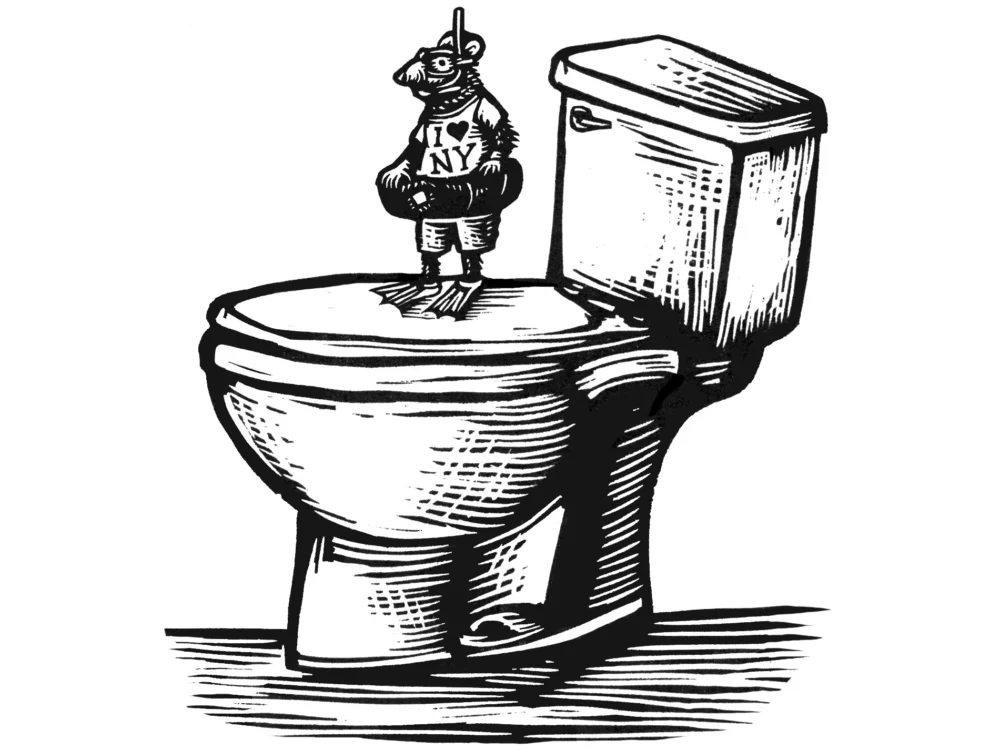
From the iconic waters of San Francisco Bay to the rugged wilderness of Yellowstone National Park and the storm-drained urban labyrinths of King County, recent events have cast a stark spotlight on the intricate and often surprising interactions between humans and the natural world. These incidents underscore a growing trend of wildlife adapting to, clashing with, and even exploiting human-dominated landscapes, prompting discussions on urban ecology, conservation ethics, and public health.
In an astonishing display of resilience and territorial ambition, a solitary coyote was recently observed paddling through the challenging currents of San Francisco Bay before making an unprecedented landing on Alcatraz Island. This remarkable feat, witnessed by a tourist and later confirmed by staff from Alcatraz City Cruises via compelling iPhone footage, defied all conventional expectations for the notorious former prison island, traditionally known as a place from which escape, not ingress, was the narrative. The video captured the Canis latrans, or Western coyote, doggedly navigating the choppy waters, eventually clambering ashore, visibly exhausted but determined, onto the craggy rocks of the island. The journey, spanning approximately 1.25 miles from the mainland, is a testament to the species’ formidable swimming capabilities and inherent drive. Christine Wilkinson, a conservation scientist and carnivore ecologist at UC Berkeley, posited that the coyote’s extraordinary voyage was likely a quest for a new territory, a common impulse among young, dispersing canids. Alcatraz, while isolated, could potentially offer a secluded environment rich with rodent prey, an ideal if unconventional, new home. This unusual migration highlights the remarkable adaptability of coyotes, which have not only expanded their historical range across North America but have also become adept at thriving in diverse habitats, including dense urban centers. Their presence on the fringes of, and increasingly within, human settlements challenges traditional notions of wilderness boundaries and emphasizes their opportunistic nature in seeking out available resources and space.
Concurrently, the bustling streets of San Francisco’s affluent Pacific Heights neighborhood became the unexpected hunting grounds for a young puma, or mountain lion, creating a stir among residents accustomed to more domesticated wildlife. Several locals reported close encounters, including Madrey Hilton, whose video captured the cougar swiftly moving behind a bus stop and into a park, eliciting exclamations of disbelief. Another resident, Lindsay Ann Cummings, described a tense moment where the large cat, identified by the Santa Cruz Puma Project as a two-year-old male designated 157M, came within three feet of her and her dog, Elvis, before she retreated to safety. Following several hours of evasion, wildlife officers successfully tranquilized the animal and relocated it back to its natural habitat. Alys Granados, a wildlife ecologist with the Bay Area Puma Project, explained that such urban forays by young pumas are not uncommon, often occurring when they become separated from their mothers or are dispersing in search of their own territories, occasionally lured by the dense urban landscape. This phenomenon is indicative of increasing pressures on wildlife habitats due to urban sprawl and fragmentation, forcing these apex predators into closer proximity with human populations. The Bay Area, like many rapidly developing regions globally, grapples with the challenge of maintaining ecological corridors and mitigating human-wildlife conflict, as large carnivores navigate landscapes increasingly crisscrossed by roads and development.

Meanwhile, in a stark reminder of the potential dangers inherent in human-wildlife interactions, a perilous confrontation unfolded in Yellowstone National Park. Wildlife photographer Keith Allen Kerbs documented a deeply concerning scene: a man repeatedly approaching and retreating from a pack of at least five formidable wolves. Onlookers’ shouts of "Get out of there!" echoed through the wilderness as the man, seemingly oblivious to the immense risk, continued his dangerous dance with the Canis lupus pack. The wolves, magnificent and unafraid, appeared ready to defend their space, a stark contrast to the man’s reckless behavior. Kerbs, filming from a safe distance, later expressed his belief that the man "almost didn’t make it out alive." National Park Service officials confirmed the incident, citing the individual for violating park regulations designed to protect both wildlife and visitors. Such incidents are not isolated; they reflect a troubling trend of visitors disregarding safety guidelines in national parks worldwide, often in pursuit of a close-up photo or an ill-advised thrill. Approaching wild animals, particularly large predators like wolves, not only endangers the person involved but also risks habituating the animals to human presence, potentially leading to aggressive encounters and, in some tragic cases, the necessary euthanasia of the wildlife for public safety. Yellowstone, a cornerstone of wildlife conservation, enforces strict rules on maintaining safe distances from animals to preserve the wild nature of its inhabitants and ensure visitor safety, a crucial balance often tested by human imprudence.
Further north, in King County, Washington, an unusual public health advisory emerged following severe flooding last December. King County Public Health issued a safety guide, uniquely presented in comic-book form, addressing the disconcerting scenario of rats appearing in household toilets. While perhaps not ideal bedtime reading, the guide offered practical, albeit unsettling, advice. Recommendations included "try to stay calm" – a sentiment acknowledged by the guide itself as challenging under the circumstances – followed by instructions to close the toilet lid, flush, and, if necessary, introduce dish soap to facilitate the rat’s downward journey. This method, leveraging the soap’s lubricative properties, might require multiple flushes, potentially straining plumbing systems. For persistent issues or larger rats, the guide advised calling pest control professionals, or, if the rat escapes the toilet, setting a trap and containing it within the room. This extraordinary public health measure highlights the often-unseen consequences of environmental shifts, such as increased flooding due to climate change, on urban infrastructure and public health. Rats, highly adaptable and skilled swimmers, can navigate complex sewer systems, using floodwaters as a conduit into homes through plumbing. Their presence poses significant public health risks, as they can transmit various diseases, including leptospirosis, hantavirus, and salmonellosis. The incident in King County serves as a microcosm of a broader global challenge: as urban environments face more extreme weather events, the interface between human dwellings and the subterranean world of pests becomes increasingly porous, demanding innovative and sometimes quirky public health responses to safeguard communities.
These diverse encounters across North America collectively paint a vivid picture of a world where human and wild spaces are increasingly intertwined. From carnivores pushing the boundaries of their natural habitats to humans dangerously overstepping theirs, and environmental changes forcing pests into unprecedented proximity, these events compel a deeper reflection on our role within complex ecosystems. They underscore the critical need for effective conservation strategies, responsible human behavior, robust public health infrastructure, and a collective understanding of the delicate balance that governs life on an ever-more interconnected planet. As wildlife continues to adapt and human populations expand, the narratives of coexistence, conflict, and adaptation will only grow in prominence, shaping the future of both our species and the wild creatures with whom we share this Earth.