Joko Susilo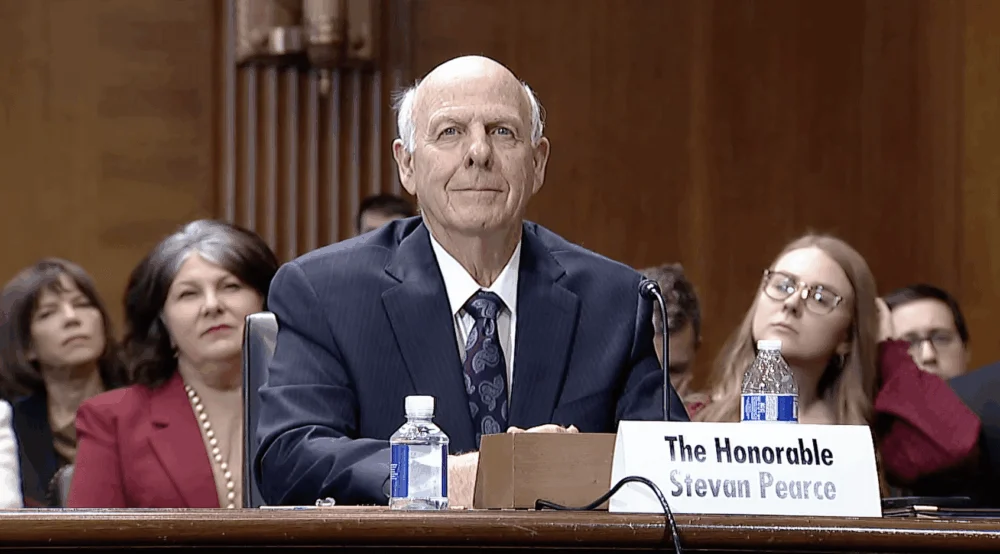
President Donald Trump’s contentious choice to lead the Bureau of Land Management (BLM), Steve Pearce, navigated a challenging confirmation hearing before the Senate Energy and Natural Resources Committee on Wednesday, offering what critics deemed contradictory explanations regarding his past advocacy for federal land divestment. Pearce, a seasoned former Republican congressman from New Mexico, has drawn widespread condemnation from a diverse coalition of environmental organizations, conservation groups, and hunting associations for a legislative history perceived as undermining public land protections and promoting land sales as a strategy to alleviate the federal deficit. During the intense questioning from skeptical senators, Pearce steadfastly declined to renounce his prior record, instead asserting that his authority as BLM director to initiate such sales would be significantly constrained by existing federal statutes.
“I’m not so sure that I’ve changed,” Pearce responded when pressed by Senator Ron Wyden (D-Ore.) about his long-standing stance on public lands. He then qualified his position, adding, “I do not believe that we’re going to go out and wholesale land from the federal government,” and underscored that “federal law says that we can’t do that from the BLM itself.” Throughout the hearing, Pearce consistently reiterated variations of this assurance, deflecting direct inquiries about his personal support for controversial policies by emphasizing the limitations of his prospective role. When questioned on the designation of national monuments, he attributed that power to the White House. Similarly, when asked about his support for selling substantial federal land tracts, Pearce redirected the query to Interior Secretary Doug Burgum, framing it as a matter for the department’s highest authority.
Numerous senators conveyed the profound concerns voiced by their constituents regarding Pearce’s documented history of advocating for the sale of public lands. This record includes a widely publicized co-signed letter to former House Speaker John Boehner, which urged the sale of public lands to mitigate the national debt and controversially stated that “over 90% of [federal public] land is located in the Western states and most of it we do not even need.” The explicit sentiment expressed in this letter has become a focal point for opposition, particularly in the Western United States, where the majority of federal land holdings are concentrated and deeply valued by local communities. Senator James Risch (R-Idaho) articulated this regional sentiment succinctly, telling Pearce, “Idahoans do not want their public lands sold, period, full stop.”
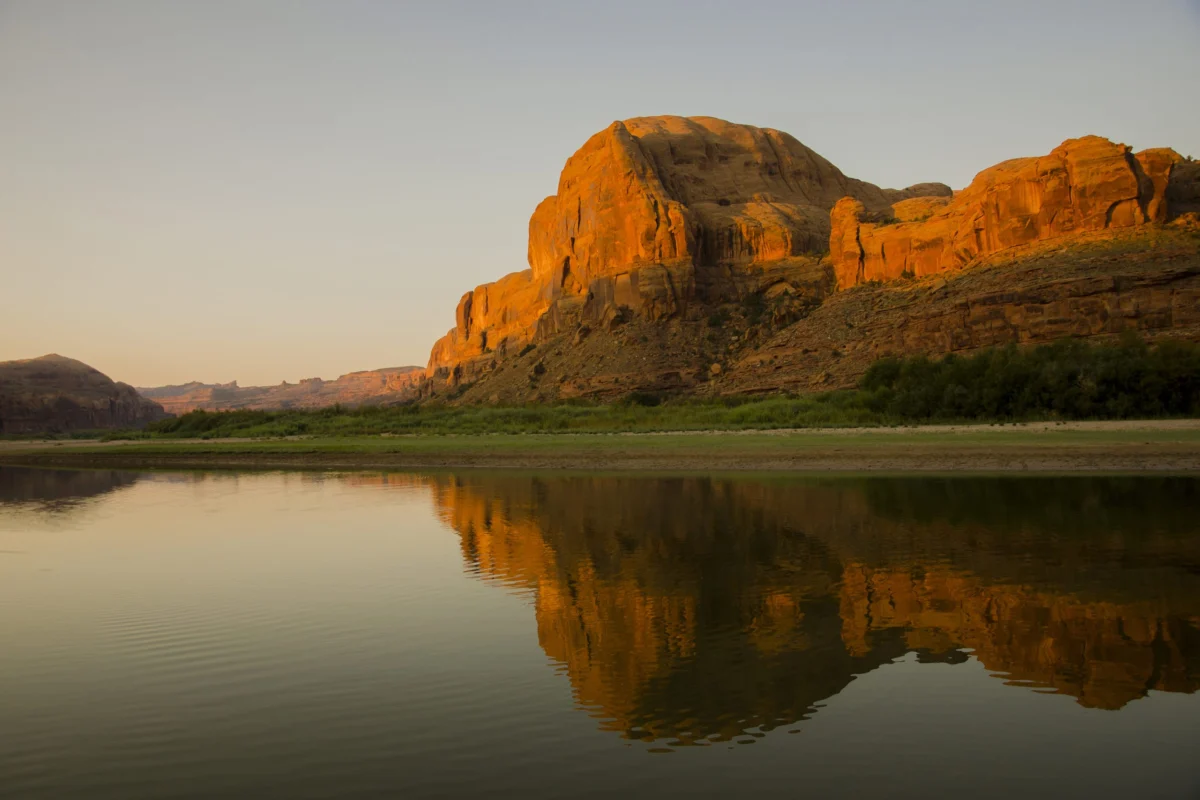
The notion of selling federal public land remains profoundly unpopular across the Western states, a region where vast expanses of federal domain underpin economies, cultural identities, and recreational pursuits. A recent Colorado College poll of Western state residents, released earlier this month, revealed compelling public sentiment: approximately 76% of respondents opposed the sale of public land for housing development, and a nearly identical 74% rejected the idea of selling public land for oil, gas, or mining operations. This consistent and robust opposition highlights a fundamental disconnect between certain political factions advocating for divestment and the prevailing will of the populations most directly affected by federal land management decisions.

While the lion’s share of critical questioning during Wednesday’s hearing originated from Democratic members of the committee, the intensity of the scrutiny was, in some respects, more measured than the fervent backlash from public land advocacy groups in the preceding weeks. Nonetheless, Senator Martin Heinrich (D-NM) delivered a pointed assessment in his opening statement, noting, “[Pearce] called for the selling off of public lands. That makes it challenging for me to view his potential tenure at the BLM as one of stewardship.” This statement encapsulated the core dilemma facing Pearce’s nomination: reconciling a public record of favoring land sales with the statutory duty of the BLM director to steward and conserve federal lands for multiple uses and future generations.
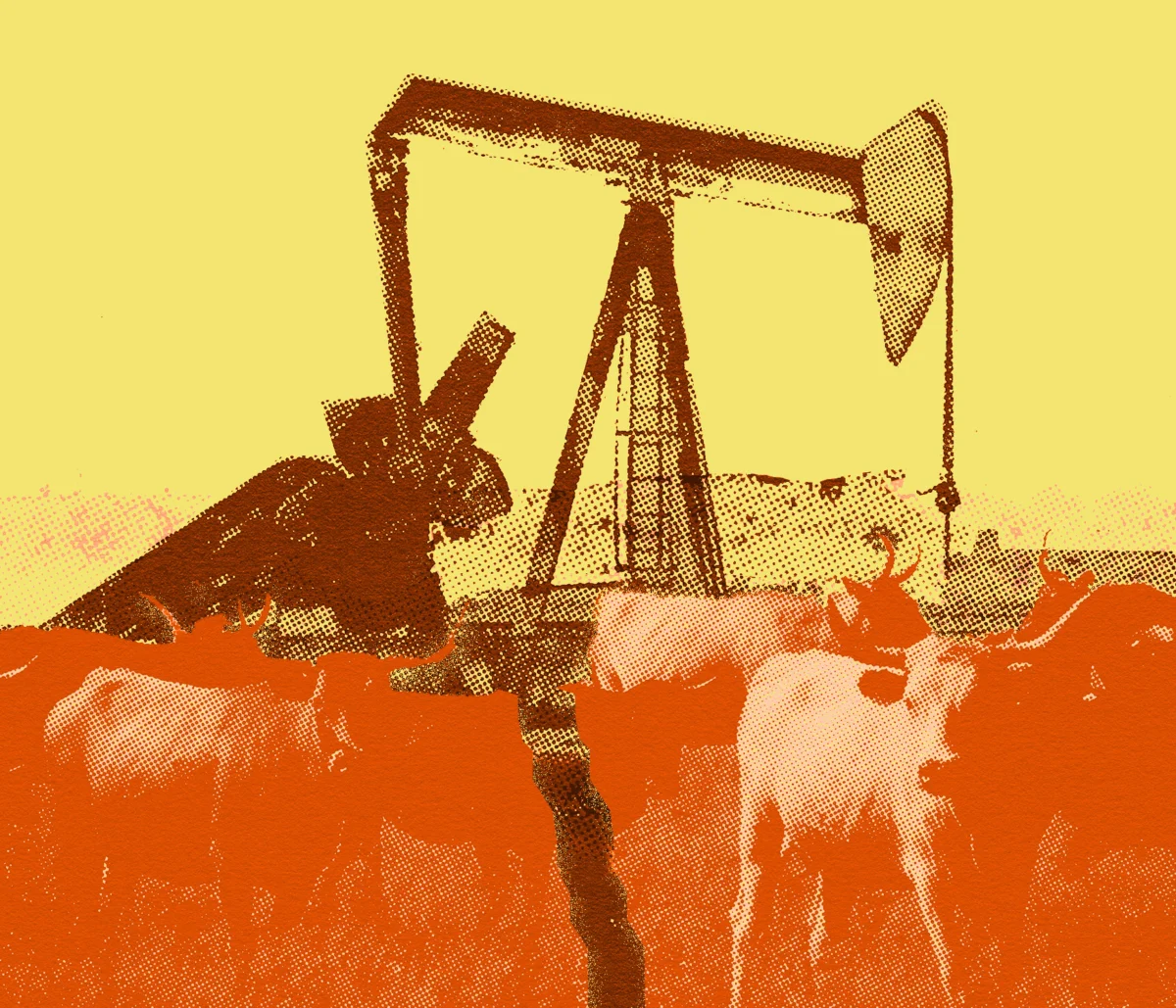
Remarkably, Pearce faced comparatively little probing on other significant aspects of his background, particularly his extensive ties to the fossil fuel industry and the potential for conflicts of interest should he assume leadership of the BLM. This omission was notable given that the former head of the New Mexico State Republican Party amassed considerable wealth within the oil-and-gas sector. Pearce owns Trinity Industries, an oilfield services company he intends to transfer control of to his wife, along with significant interests in several oil leases within the prolific Permian Basin, and substantial investments in various fossil fuel and energy corporations. If confirmed, ethical guidelines would necessitate the divestment of many of these assets, a process that itself can be complex and fraught with potential for perceived or actual conflicts. Beyond his direct business holdings, Pearce also received over $2 million in campaign contributions from the oil and gas lobby during his congressional campaigns. As director of the BLM, he would directly oversee the agency’s oil and gas leasing programs, a critical function that dictates access to vast energy resources on public lands, creating a direct intersection between his personal financial history and his official responsibilities.
Despite his controversial policy record, Pearce sought to connect with senators on a personal level, extolling the intrinsic value of public land access on several occasions during the hearing. He recounted growing up near U.S. Forest Service lands where his family vacationed and shared nostalgic memories of spending time with his granddaughter on federal public land outside Tucson, Arizona. He further evoked a powerful personal connection, stating, “When I got back from Vietnam, I experienced the healing serenity of backpacking wilderness areas.” These anecdotes aimed to portray a deep, personal appreciation for the very lands he has, in the past, advocated for selling, creating a stark contrast that left some observers questioning the sincerity of his current position.
One specific policy question that underscored concerns about Pearce’s preparedness involved Interior Secretary Doug Burgum’s recent directive. Senator Angus King (D-Maine) inquired whether Pearce believed Burgum’s controversial mandate – requiring his personal sign-off for all renewable energy projects on public lands to proceed – stood on firm legal ground. Pearce responded by claiming insufficient familiarity with the policy to offer an informed opinion. This response drew sharp criticism from environmental advocates. Aaron Weiss, deputy director of the Colorado-based Center for Western Priorities, issued a statement asserting, “Based solely on his feigned ignorance of energy policy, Steve Pearce is unqualified to lead the Bureau of Land Management.” Weiss further criticized Pearce’s financial disclosure forms as “woefully inadequate,” warning of “massive conflicts of interest if he is confirmed.”
Pearce was not the initial candidate President Trump put forward to helm the BLM, an agency entrusted with the stewardship of nearly 250 million acres of federal land, encompassing diverse ecosystems and vital resources across the United States. Kathleen Sgamma, a long-time oil and gas lobbyist, had previously withdrawn her nomination abruptly in April, just hours before her scheduled confirmation hearing. Her withdrawal followed the surfacing of a private memo by a watchdog group, in which Sgamma had condemned Trump’s role in the January 6, 2021, attack on the U.S. Capitol. In contrast to Sgamma, Pearce has consistently demonstrated unwavering loyalty to Trump, staunchly defending him in the aftermath of January 6 against accusations of inciting violence. In a now-deleted post on Twitter just days after the Capitol riot, Pearce notably wrote that Trump “will be our President FOREVER and no one can take that away from us.” This steadfast allegiance positions Pearce within a specific political camp that prioritizes loyalty to the former president, a factor that could influence his approach to land management policies should he be confirmed. The Senate Energy and Natural Resources Committee concluded the hearing without proceeding to a vote on Pearce’s nomination, leaving his prospective leadership of the nation’s vast public lands in a state of continued uncertainty.