Joko Susilo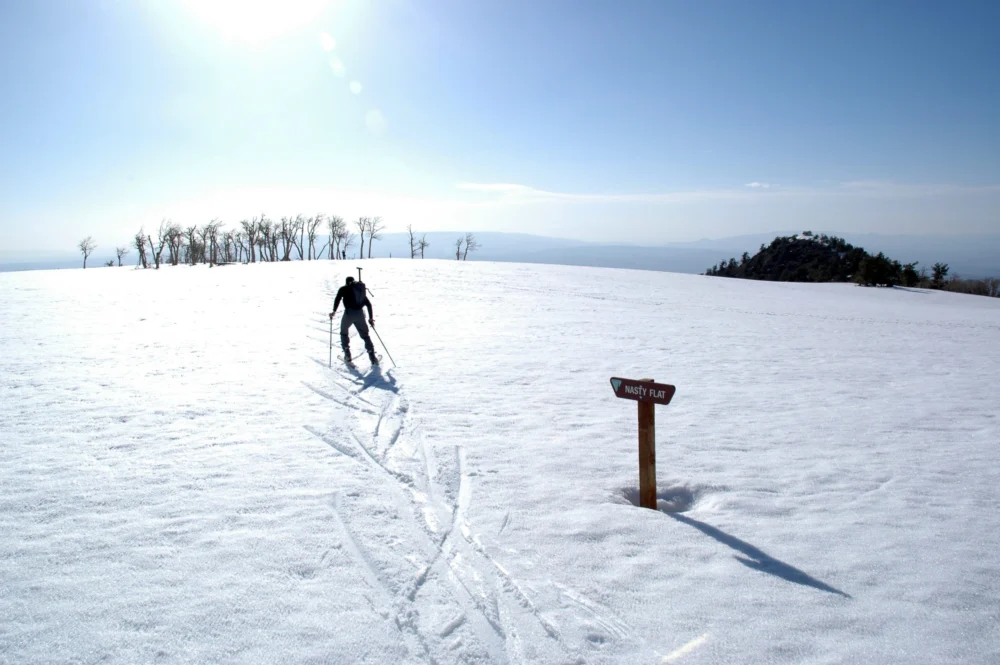
A quiet revolution has swept through the world of winter sports, transforming the serene solitude of backcountry trails into increasingly vibrant, if still wild, arenas for a new generation of enthusiasts. Once the exclusive domain of hardcore alpinists and dedicated telemark skiers, backcountry skiing, characterized by "earning your turns" through uphill climbs on skins before exhilarating descents, has surged into the mainstream, mirroring a broader cultural shift towards outdoor adventure and self-reliance. This burgeoning popularity culminates dramatically with the impending Olympic debut of ski mountaineering, or "skimo," at the 2026 Winter Games in Milan-Cortina, marking the first addition of a new sport to the Winter Olympics in nearly three decades.
The inclusion of skimo on the grandest stage of winter sports highlights a fascinating paradox: as global interest in these natural, snow-dependent activities reaches unprecedented heights, the very environmental conditions that sustain them are under severe threat from accelerating climate change. The Milan-Cortina Games will feature a select field of 36 elite athletes, evenly split between men and women, competing in three medal events: men’s sprint, women’s sprint, and a mixed-gender relay. Competitors will navigate steep alpine terrain with ultra-light equipment, racing uphill using specialized skins attached to their skis and then transitioning rapidly to rip down technical passages, showcasing a demanding blend of endurance, technical skill, and precision. This spectacle of human athleticism unfolds against a backdrop of increasingly unpredictable winters, raising profound questions about the long-term viability of snow sports.

The surge in backcountry participation gained significant momentum in recent years, particularly during the global pandemic, when traditional ski resorts became less appealing due to crowding, high costs, and logistical challenges like long lift lines and heavy traffic. Many recreationalists, seeking solace, space, and a deeper connection with nature, turned to the untracked expanses beyond resort boundaries. This shift was also facilitated by advancements in gear, making backcountry equipment more accessible and capable, alongside a growing culture of skill-sharing and avalanche safety education. Industry data from the 2021-22 winter season in the U.S. revealed impressive jumps in participation for "alpine touring" and splitboarding—the snowboard equivalent—outpacing growth in traditional resort-based skiing and snowboarding. Social media platforms, such as Instagram, further amplified this trend, showcasing the allure of untouched powder and remote alpine landscapes to a broader audience, fostering a new generation of explorers eager to venture into their local mountains.
At its core, backcountry skiing is an unmediated engagement with the mountain environment. Unlike resort skiing, it offers no chairlifts, no groomed runs, and no artificial snowmaking. Participants actively climb uphill, often for hours, to access pristine, untracked snow for the descent. This ethos of "earning your turns" appeals to those seeking a more authentic, physically demanding, and spiritually rewarding experience. Ski mountaineering, or skimo, elevates this further into a competitive format, rooted in a tradition that harks back to early 20th-century alpine military patrols. Modern skimo racing demands peak physical condition, technical proficiency in both ascents and descents, and rapid transitions between modes of travel. Sprint events, designed for intense, short bursts of effort, and mixed relays emphasize speed and efficiency across varied alpine terrain.
However, the allure of the backcountry comes with inherent and unforgiving risks. Outside controlled resort environments, there are no avalanche-mitigated slopes, no ski patrol, and no marked hazards. Backcountry travelers bear full responsibility for assessing terrain, evaluating snowpack stability, monitoring weather patterns, and making conservative decisions in dynamic, complex conditions. Formal avalanche education, including Level 1 and Level 2 courses, is not merely recommended but considered essential by experienced practitioners, alongside consistent practice with companion rescue tools such as beacons, probes, and shovels. Understanding how factors like wind, temperature fluctuations, and storm layers interact to create hidden instabilities within the snowpack is crucial for survival. Despite extensive training, the margin for error remains thin. Avalanches claim dozens of lives annually across North America, often impacting experienced recreationists. A stark reminder of this danger occurred recently in Lake Tahoe, where a massive slide trapped 15 backcountry skiers, resulting in multiple fatalities and injuries, highlighting the increased exposure that comes with growing participation. Every tour into the backcountry is, fundamentally, a negotiation with uncertainty and an acknowledgment of the raw power of nature.

The profound irony, and indeed the looming tragedy, is that this blossoming love affair with wild, snow-covered landscapes is unfolding precisely as the climate that sustains them is undergoing rapid, fundamental change. Climate change is no longer an abstract threat but an observable reality, actively reshaping winter patterns and threatening entire cultures and lifestyles dependent on snow. Scientific studies, including those commissioned by leading climate institutes and the International Olympic Committee, paint a stark picture: under current emissions scenarios, the number of locations globally capable of reliably hosting winter sports like skiing is projected to shrink dramatically over the coming decades. Projections suggest that by the mid-2050s, a significant portion of existing Winter Olympic sites may no longer meet the necessary temperature and snow-reliability requirements for competition, drastically narrowing the pool of viable hosts.
The very staging of the 2026 Milan-Cortina Games already underscores the precariousness of winter conditions. Artificial snow has become an indispensable element, with extensive snowmaking infrastructure deployed across northern Italian landscapes to cover competition slopes as natural snowfall proves increasingly unreliable. This technological workaround, while enabling events to proceed, consumes substantial amounts of water and energy, serving as a vivid testament to how tenuous winter conditions have become. In the Western U.S., communities that have historically relied on consistent snowpack for tourism, water storage, and local economies are now grappling with record warm winters and prolonged snow droughts. Recent snow surveys in critical regions like Colorado, Utah, and Oregon have revealed historically low snowpack levels in successive seasons, portending far-reaching implications for municipal water supplies, agricultural irrigation, wildfire risk, and the economic vitality of outdoor recreation sectors.
While the ski industry remains a substantial economic force—North American resorts welcomed over 61 million lift visitors in the 2024-25 season—this robust activity belies a growing vulnerability. Resorts are investing hundreds of millions in diversification strategies, such as summer counter-programming like alpine slides, zip lines, and mountain biking trails, alongside extensive upgrades to lift infrastructure and snowmaking systems. These investments are essentially a hedge against an increasingly variable future. While advanced snowmaking technologies and comfort amenities may buy time and extend seasons, they do not guarantee the natural winter conditions that have historically defined these regions. The reliance on artificial snow, while a practical solution for resorts, starkly contrasts with the unadulterated experience sought by backcountry enthusiasts.

In the backcountry, the stakes are even more visceral, as there are no technological interventions to compensate for diminishing natural snowfall. There are no snowguns to supplement meager precipitation, no groomers to shape the terrain—only the skin tracks leading uphill and the fervent hope for untouched powder turns on the descent. This profoundly human-scaled endeavor, a return to something elemental and pure, is exceptionally vulnerable to a warming climate. Shorter snow seasons, more frequent rain-on-snow events that rapidly melt existing snowpack, and disruptions to fragile alpine ecosystems directly threaten the very essence of backcountry skiing and ski mountaineering. The sight of patchy ridgelines, browner and more exposed than they should be in the heart of winter, evokes a profound sense of loss for those who have found solace and joy in these mountains.
The future of winter sports, particularly those deeply intertwined with natural snow, hinges not solely on human endurance and passion but fundamentally on the climate that makes snow possible. While winter may not vanish overnight, every warm winter, every snow drought, and every resort’s increasing dependence on machines contributes to a larger narrative about the fragility of the season. As backcountry skiing continues its remarkable ascent, and as skimo rightfully claims its place on the Olympic stage, this growth should inspire both celebration and a profound sense of unease. The choices made now regarding climate action will determine whether future generations can still climb above the treeline and descend into the wild wonder of truly natural snow-covered landscapes.