Rocky Georgio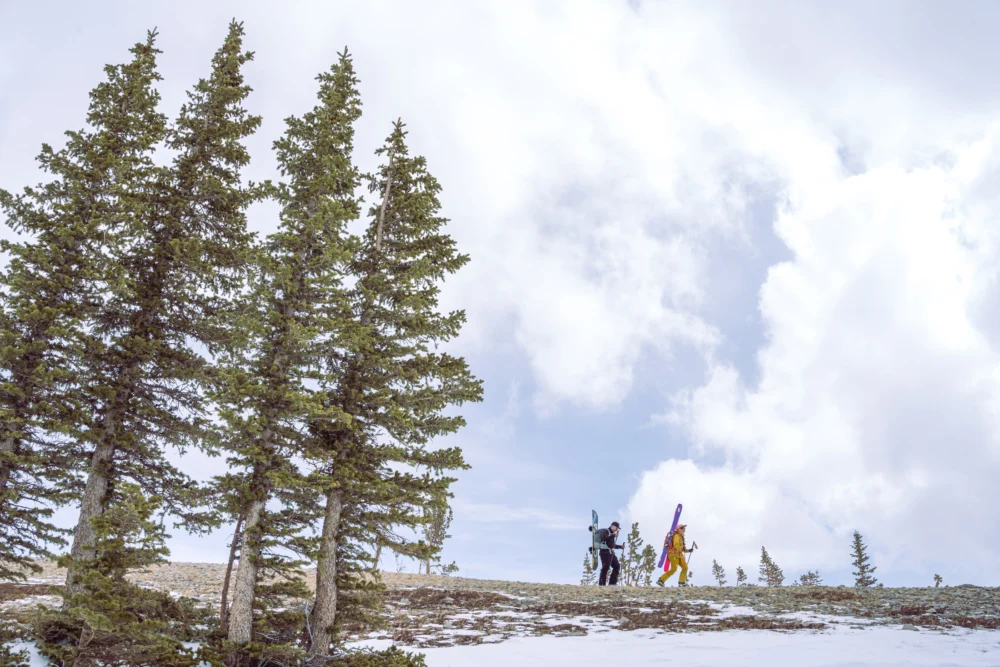
The sound of precipitation on a rooftop in late November, particularly at an elevation of 7,000 feet in the Rocky Mountains, typically signals the onset of snow. However, a recent predicted storm, which local meteorologists had forecast to deliver as much as six feet of snow, ultimately dissipated and arrived as rain instead. This pattern of increasingly unreliable winter weather, where anticipated snowstorms dwindle to mere inches or fail to materialize altogether, is becoming a disquieting norm. As the winter solstice approaches, the absence of significant snowfall is not just a meteorological disappointment; it represents a growing anxiety about the changing climate.
For many who live in or near mountainous regions, early winter once evoked a visceral excitement, a thrilling anticipation of ski seasons to come. This anticipation was fueled by monitoring weather patterns, watching storm systems roll in from the Pacific, and eagerly awaiting news of the first ski resorts to open or the snowline’s descent into lower elevations. This sense of hopeful expectation, however, has recently been overshadowed by a pervasive dread. The arrival of a storm forecast now triggers a different kind of adrenaline, a nervous apprehension, and a growing unease when those storms fail to deliver. For those whose lives and livelihoods are intertwined with winter, like skiers, this has become a tangible barometer of environmental shifts, revealing a trend toward increasingly warm and dry seasons. What was once purely a source of excitement for storm-day skiing and the joy of soft turns has morphed into a deep-seated worry about the broader implications of diminishing snowfall.
The personal experience of a skier is intrinsically linked to the unpredictable forces of weather systems. This seemingly obsessive focus on snowfall, while perhaps a niche concern, serves as a finely tuned indicator, prompting a deeper observation of larger environmental patterns. Skiers often exhibit a range of behaviors, from the ritualistic to the superstitious, occasionally joking about appeasing natural forces to encourage snow. While the rational understanding acknowledges that nature operates independently of human rituals, the underlying impulse to engage in practices like attending snow dances or even washing one’s car before a storm speaks to a profound, almost prayerful, desire for winter’s embrace.

This desire for snow stems from two interconnected motivations: the personal and the ecological. On a personal level, the wish for snowy winters is deeply tied to the enjoyment of skiing itself. For many, skiing is a lifelong passion, an activity that provides a sense of weightlessness, speed, and a profound connection to the natural world. However, the act of compulsively checking snow depth data from sites like SNOTEL or monitoring ski resort reports extends beyond mere personal recreation. It becomes a method of observing a larger, evolving environmental narrative.
While skiing might appear to be a superficial pursuit, it serves as a potent and tangible manifestation of a changing climate. The absence or presence of snow directly impacts the ability to engage in this activity, making the effects of climate change palpable through movement, or the stark lack thereof. The very things we cherish and derive joy from can highlight our vulnerabilities, reveal what we stand to lose, and underscore the limited control we ultimately possess over these environmental shifts.
The impact of these changing weather patterns is already evident in the operational realities of the ski industry. This year, many local ski hills, including virtually all mountains in Utah, were forced to postpone their opening dates. Deer Valley, for instance, delayed its opening for the first time in its history. The scarcity of natural snow was compounded by unseasonably warm temperatures, which prevented even artificial snowmaking efforts. This lack of snow has significant cascading effects, particularly for the workers and communities that rely heavily on winter tourism for their economic survival. Beyond the economic implications, snowpack is a critical component of the Western United States’ water supply.
The persistent drought conditions that grip nearly every part of the Western U.S. are exacerbated by these trends. As of December, maps from the National Water and Climate Center, detailing snow-water equivalent, are predominantly colored red, indicating that many areas are receiving less than 50% of their average snowpack. This reduced snowpack directly translates into a diminished water supply for the region, impacting agriculture, municipal water needs, and ecosystems.

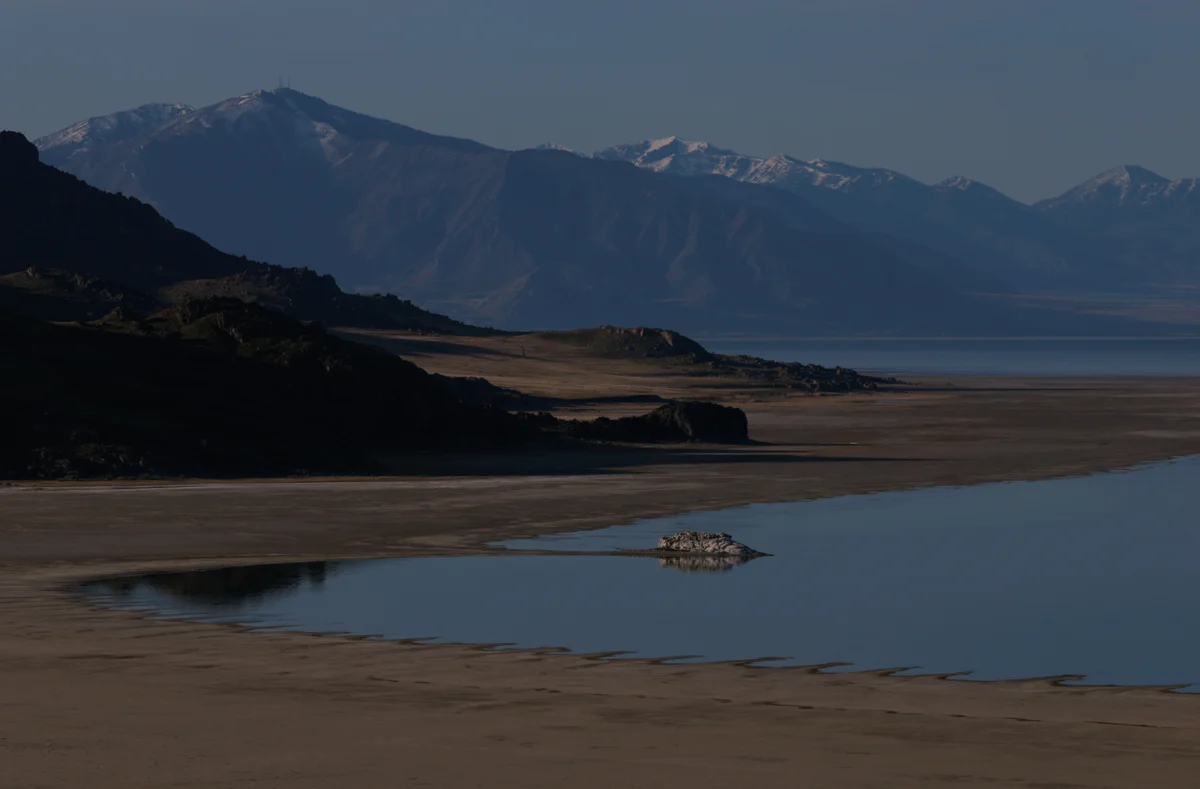
This prolonged period of meager winter precipitation follows a particularly hot and dry summer, which saw an increased risk of wildfires encroaching on populated areas. The previous winter also experienced below-average snowfall, intensifying the long-term drought that has gripped the region. Ski resorts are increasingly finding themselves in complex negotiations over water rights, essential for artificial snowmaking to compensate for natural deficits. The consequences of this snow scarcity extend beyond the ski slopes, contributing to elevated fire risks, potential food insecurity, and intensifying conflicts over dwindling water resources, particularly along vital river systems.
Ultimately, the patterns observed in the ski industry are a microcosm of a larger systemic change. They serve as a specific indicator of how interconnected environmental systems are evolving. A conversation with a ski guide recently highlighted this growing unease. When asked about work-related anxieties, he gazed towards the mountains with a grimace, admitting he wasn’t "quite worried yet." While this may represent a degree of rational optimism, for many, the worry has already taken root.
The shrinking reservoirs and increasingly dire drought predictions paint a stark picture. Memories of the previous winter’s challenging, icy ski conditions and the subsequent summer’s lack of monsoon rains, with the ever-present threat of wildfires, serve as potent reminders of what is at stake. The experience of waiting for snow that never arrives is becoming a recurring narrative.
Despite these concerning trends, it is important to acknowledge that the winter season is still in its early stages. Storms can and do arrive, and weather patterns can shift, even with predictions of a weak La Niña influencing the National Weather Service’s outlook. The climate system possesses a degree of inherent flexibility, allowing for the possibility of change. Observing the sky can still evoke a sense of hope. While the future remains uncertain and unpredictable, the past offers clear lessons about the direction in which the climate is moving. Therefore, the fervent wish for snow is no longer solely about personal enjoyment; it is a more profound plea for the health of the environment and the preservation of vital resources.