Roger Danuarta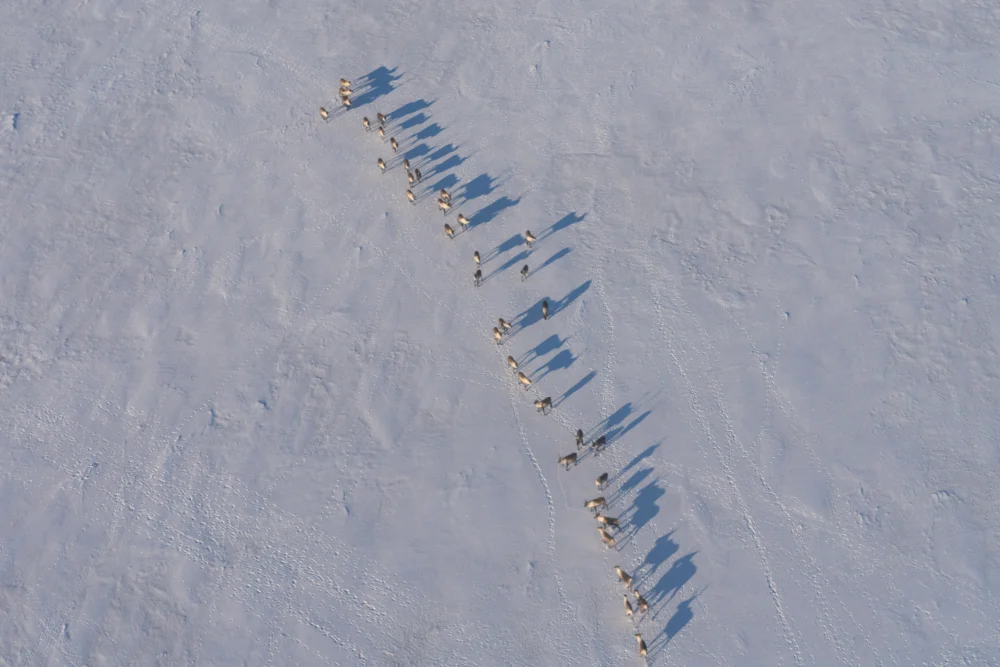
Janet Bavilla, a Yup’ik elder from Platinum on Alaska’s remote Bering Sea coast, vividly recalls a time when caribou were an undeniable presence, their vast herds numbering in the hundreds sweeping across the tundra near her village. Decades ago, as a teenager, she needed only to travel a few miles on her snow machine with her family to secure enough meat to sustain them through the long Alaskan winter, sharing with neighbors and relatives, and preparing traditional foods like kinengyak, dried caribou dipped in seal oil, or enjoying raw, frozen hunks. This rich subsistence lifestyle, deeply embedded in Yup’ik culture, formed the bedrock of food security in a region hundreds of miles from the nearest road system, where grocery stores are scarce and access is limited to boat or small plane. Today, the landscape has dramatically shifted, leaving Bavilla, now in her 40s, unable to recall the last time she harvested caribou, a stark testament to the profound decline of the Mulchatna herd. "I feel like a big part of our subsistence is missing," she laments, highlighting the critical void left by the disappearing herds.
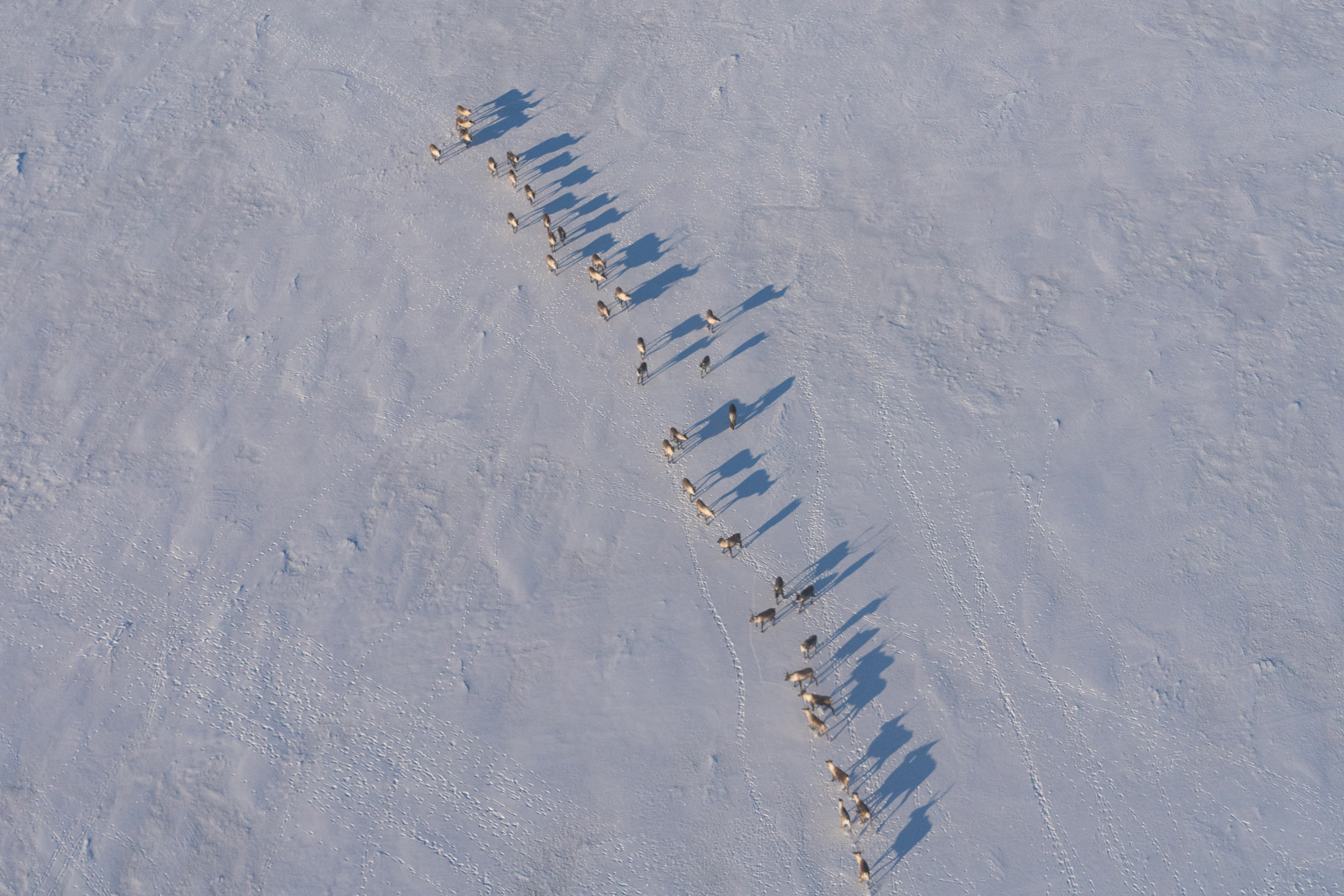
The Mulchatna caribou, once a vibrant symbol of Alaskan wilderness, experienced its most recent peak in the 1990s, when an estimated 200,000 animals roamed the landscape. By 2022, however, the population had plummeted to a critically low 12,000. This drastic reduction, mirroring a broader trend across the Arctic, is exacerbated by a rapidly changing climate, which has rendered traditional hunting grounds increasingly inaccessible due to unreliable snow cover and rivers that no longer consistently freeze. In response to this precipitous decline, state wildlife managers have implemented a series of aggressive measures, sparking intense debate and legal challenges across the state and beyond.
In 2021, the Alaska Department of Fish and Game (ADF&G) imposed a complete prohibition on caribou hunting for the Mulchatna herd, a decision largely supported by local Indigenous leaders and hunters, including Bavilla, who recognized the urgent need for intervention. This was followed by an even more controversial step: in 2023, state employees embarked on an aerial predator control program, deploying helicopters to shoot bears and wolves within the herd’s calving grounds. In just over two weeks, nearly 100 bears—primarily grizzly bears, known locally as brown bears—and a handful of wolves were culled. This intensive culling continued into the following year, bringing the total to approximately 200 bears and 20 wolves over three years, all in an effort to enhance the survival rates of Mulchatna caribou calves and adult females. The campaign is projected to continue for several more summers, underscoring the state’s commitment to this direct, albeit contentious, management strategy.

This aerial culling has ignited a firestorm of litigation and fierce opposition from a diverse coalition of wildlife advocates, conservation scientists, and former state officials. Critics, many based in urban centers far from the Mulchatna’s range, have denounced the program, questioning its scientific basis and ethical implications. Former Governor Tony Knowles publicly condemned the action as a "massacre" of one of Alaska’s most iconic species. While some ecological research suggests that predator control can, in specific circumstances, offer temporary boosts to ungulate populations, skeptics argue there is insufficient evidence to confirm its long-term effectiveness for the Mulchatna caribou. Furthermore, they express deep concern that such widespread killing could negatively impact the region’s bear populations, which are cherished both within Alaska and by a global audience.
State officials, however, remain steadfast in their conviction that targeting predators is a necessary and viable option, representing one of the few direct actions they can take to support the struggling herd. Their position garners significant backing from many communities living closest to the animals, particularly Indigenous groups. Major Alaska Native organizations, including the statewide Alaska Federation of Natives and the Orutsararmiut Native Council in Bethel, have passed resolutions in support of the predator control program. Their rationale is rooted in a pressing need to restore food security and revive traditional hunting practices in a region where reliance on costly, limited imported goods has intensified due to the caribou shortage, compounded by declining salmon returns and rising grocery prices. The Yukon-Kuskokwim Health Corporation, a regional tribal health organization, emphasized in a June 2025 resolution that these efforts are crucial for residents to "feed their families with healthy foods."

Despite this regional support, the predator control initiative is not uniformly embraced by all Alaska Native voices. Some Indigenous wildlife experts have openly criticized the bear culling as a cruel practice that contradicts traditional values of respecting all living beings and maintaining ecological balance. They view it as another instance of top-down management by settler governments, reminiscent of a long history of external interventions in Indigenous lands and resources. Nevertheless, many local residents, including Janet Bavilla, strongly advocate for the program, citing early indications of a modest rebound in caribou numbers as evidence of its efficacy. "I believe the caribou are at a turning point where they just need a little help," Bavilla asserts, reflecting a pragmatic hope for the herd’s recovery.
The genesis of the bear culling program emerged during a 2022 meeting of the Alaska Board of Game, the seven-member body appointed by the governor to oversee hunting regulations in collaboration with ADF&G. For years prior, the agency had implemented wolf culling in the Mulchatna calving grounds, but these efforts failed to significantly reverse the herd’s decline. Stosh Hoffman, an Alaska Native hunter, former commercial fisherman, and then-chair of the Game Board, voiced his deep concern, advocating for more comprehensive action. Hoffman, who, like many in the Western Alaska hub town of Bethel, had hunted the Mulchatna herd with his family before its steep decline, proposed expanding predator control to include bears. He reasoned that grizzlies also prey on caribou calves, and local hunters had reported an increased presence of bears near the herd, even without formal state population assessments. "Every predator is making a huge impact right now, especially the bears on the calving grounds," Hoffman stated during the meeting.

Predator control programs, a euphemism for the targeted killing of carnivores, are not a novel concept in wildlife management, particularly in North America. Proponents often argue that these interventions are among the few direct actions government agencies can take to bolster prey populations, despite mixed evidence regarding their long-term effectiveness. Initially, ADF&G staff anticipated culling a modest five to fifteen brown bears on the calving grounds. However, the actual outcome far exceeded this projection, with state field workers gunning down 94 grizzlies, five black bears, and five wolves in the first phase, sparking widespread outrage. Advocacy groups like the Alaska Wildlife Alliance, alongside Anchorage attorneys, swiftly filed lawsuits, contending that the killings lacked "credible scientific basis." Opponents penned impassioned op-eds in newspapers like the Anchorage Daily News, expressing "disgust and fury mixed with heartbreak" over the "slaughter." Michelle Quillin, a Koyukon Athabascan wildlife biologist, articulated a common sentiment among critics: "The state’s predator-control program violates Indigenous values and ignores the real drivers of caribou decline: climate change, habitat degradation, disease and nutritional stress."
Jeff Stetz, a wildlife biologist who worked for ADF&G for five years and coordinated Mulchatna caribou research, became one of the program’s most vocal critics. He expressed profound dismay at the Board of Game’s decision to include bears, particularly how the proposal was introduced and approved without prior public notice or opportunity for comment—a procedural flaw later ruled unconstitutional by a judge. From a scientific perspective, Stetz found the decision "wildly inappropriate," asserting that the state had not conducted sufficient research to justify such an extreme measure. "The scientific foundation for it was absent," he stated.

In their defense, state officials point to a recent uptick in the Mulchatna herd’s numbers, estimating the population at just over 16,000 last year, a 30% increase since the predator control began. While encouraging to some, critics caution that it is too early to definitively attribute this rise solely to the culling program or to determine its long-term sustainability. The scientific debate over the Mulchatna’s decline reveals a complex interplay of factors. At the same 2022 Board of Game meeting where the bear culling was approved, two state biologists presented preliminary research suggesting that nutrition and disease, rather than predation, were more likely inhibiting the herd’s recovery. They had detected high levels of Brucella exposure, a bacterium known to cause stillbirths and poor health in calves, and observed low body fat in lactating females, indicating nutritional deficiencies. Doug Vincent-Lang, the commissioner of ADF&G, expressed skepticism about these findings, arguing that while predation might not be the sole cause of the decline or lack of recovery, "it certainly seems, given where we are with this population, that efforts, basically, to protect calves from predation would go a long way towards helping." He underscored that predator control "seems like that’s one of the only things that’s in our direct control." Stetz, however, countered that this indicated state wildlife managers were "literally going in the face of the best available information" from their own biologists.
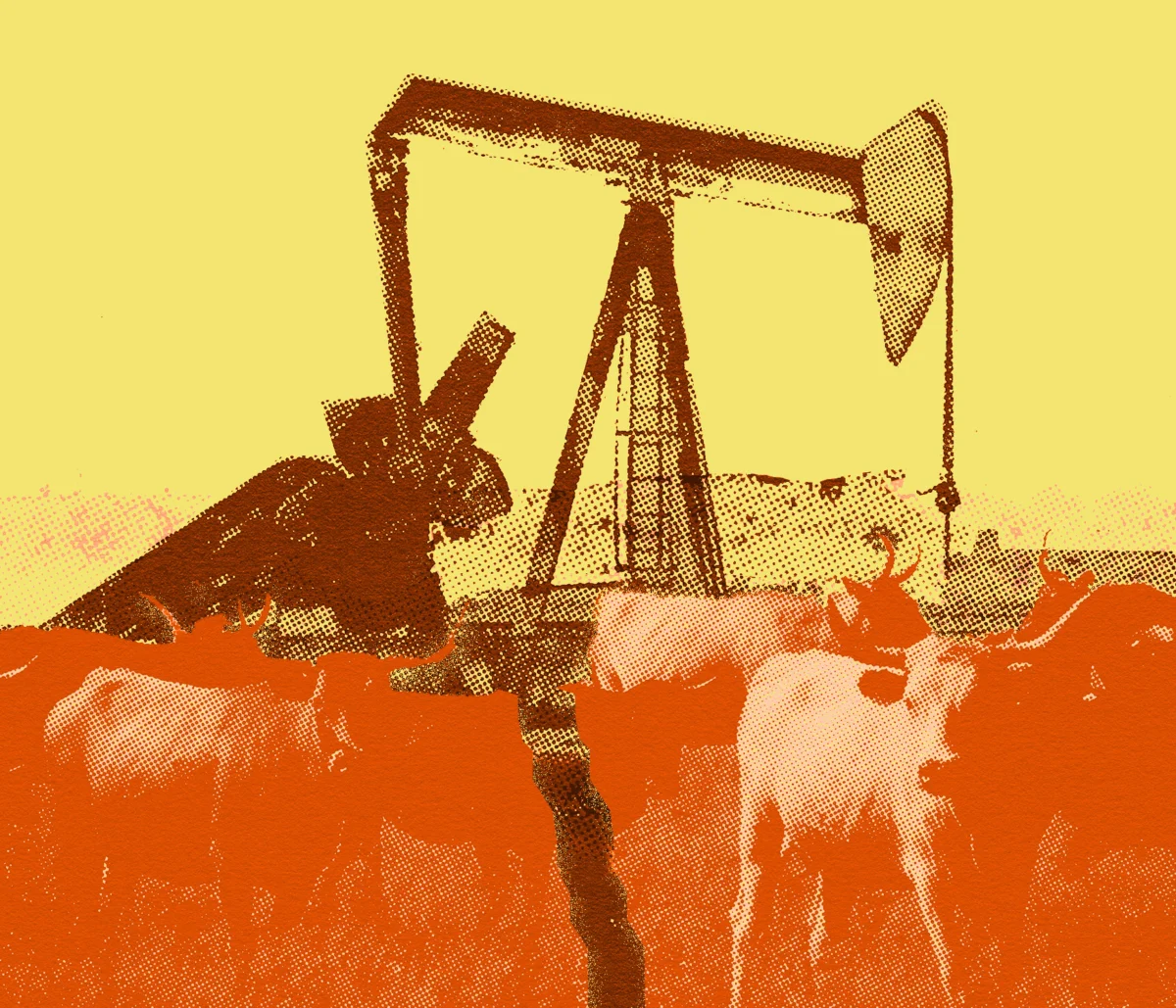
One persistent challenge for officials is the slow pace of research in definitively identifying the primary drivers of the Mulchatna’s low population. Debate also exists on whether the decline constitutes an emergency requiring drastic intervention or simply a natural phase in the herd’s ecological cycle. Unlike many other caribou herds globally, which face direct habitat encroachment from industrial oil development and mining operations, the Mulchatna’s vast range—roughly six times the size of Vermont—remains largely roadless and wild. Local hunters and elders have long observed that overgrazing during the population peak of the 1990s likely led to food shortages, making the animals more susceptible to malnutrition, disease, and predation. Biologists echo this theory, adding that climate change-related conditions, such as increasingly frequent winter rainstorms that create impenetrable ice layers over critical lichen forage, and the expansion of shrubs and trees into traditional tundra habitats, further stress the herd.

Patrick Walsh, a wildlife biologist with two decades of experience at Alaska’s Togiak National Wildlife Refuge, which encompasses crucial Mulchatna habitat, emphasizes that natural fluctuations in caribou numbers are typically driven by habitat changes and food availability, particularly lichen. Walsh notes that ADF&G has yet to conduct a formal habitat assessment, which he believes is crucial for understanding the true limiting factors of the herd’s growth. Without such fundamental research, he argues, prudent management decisions are difficult to make. "If habitat is the population driver, then trying to correct it with something that’s not really driving the population, like predation, doesn’t succeed," Walsh stated. He also questions the management target of 30,000 to 80,000 caribou set over a decade ago, believing it to be unrealistically high given the natural boom-and-bust cycles of caribou populations. He views the recent decline largely as a "correction" to unsustainable growth, noting that the herd was roughly its current size a few decades before its 1990s peak. However, Stosh Hoffman, the Game Board member, countered that while fluctuations are natural, current numbers are "especially low" compared to historical accounts, including a significant 19th-century boom.
The ongoing controversy also highlights a fundamental tension between local communities and broader conservation interests. Both Hoffman and Janet Bavilla express concern that their voices, representing generations of deep ecological knowledge and direct dependence on caribou, might be overshadowed by lawsuits and formal objections from individuals and groups outside the region. "We have a better understanding of our area than folks who don’t live here," Bavilla asserts. Ryan Scott, director of ADF&G’s Wildlife Conservation Division, acknowledges that the agency should eventually reassess its population targets for the herd but deems it "extremely arbitrary" to do so while actively working to boost numbers. He anticipates the Board of Game will review these objectives when the predator control program is slated to expire in 2028.

The legal battle over the culling has been convoluted. A state judge initially ruled the program unconstitutional in 2025 due to insufficient public notice and a failure to ensure no harm to bear populations. ADF&G quickly issued an emergency order to reauthorize the program, leading to the culling of 11 bears over a single weekend before a second judge intervened, ordering a halt. To rectify the legal flaws, the Board of Game convened a special meeting in July, where they once again approved the culling. This time, ADF&G biologist Kristin Denryter presented new research, offering a stronger scientific basis for predator control. Her recent data on body conditions, pregnancy rates, and calf mortality suggested that nutrition and disease were not major impediments to the herd’s growth, making predation a more likely culprit. "I can’t think of anything else that would explain it," Denryter stated, adding that her research indicates bears are killing calves that would otherwise survive.
Undeterred, critics continue their legal fight. In November, the Alaska Wildlife Alliance, joined by the Center for Biological Diversity, filed a new legal challenge. This lawsuit shifts its focus from caribou to bears, alleging that the state "authorized the unchecked killing" of bears without conducting a "hard look" at bear population data. State officials, however, maintain that their targeted culling is confined to a small area for a limited duration and poses no risk to the wider bear population, which numbers approximately 30,000 grizzlies across Alaska. "We’re not going to drive brown bear numbers in Southwest Alaska into the ground," Scott affirmed prior to the latest lawsuit.

The plight of the Mulchatna herd is emblematic of a larger crisis facing caribou and wild reindeer (Rangifer tarandus) populations across the circumpolar North. A 2024 report by the National Oceanic and Atmospheric Administration revealed that tundra caribou numbers have fallen by a staggering 65% over the past few decades, driven by Arctic warming and expanding industrial development. Caribou, renowned for their remarkable adaptability, keen memory, and unique ability to adjust their eye color to varying Arctic light conditions, are now confronting unprecedented environmental shifts. Warmer summers lead to increased harassment from insect swarms, depleting their energy reserves, while winter rain-on-snow events create impenetrable ice layers that seal off vital lichen, a primary dietary staple. Permafrost thaw, altered vegetation patterns, and changes in migration routes further compound these challenges, making the ecosystem increasingly hostile.
Managing these struggling populations presents a formidable challenge to wildlife agencies. State and federal entities lack the capacity to reverse global warming, and the tools within their control—such as prohibiting hunting and implementing predator control—are often controversial and of uncertain efficacy. Anne Gunn, a British Columbia-based wildlife biologist with decades of caribou research experience, identifies three primary management levers: influencing habitat through industrial development policies (e.g., restricting roads, mines, pipelines), regulating hunting, and controlling predators. Gunn and several other scientists contend that regulating development and protecting vast, undisturbed habitat is the most effective strategy. Caribou are notoriously sensitive to industrial activity, and ensuring ample space for their complex migratory and foraging behaviors "is likely way more important than predator control," Gunn states. She acknowledges that predator removal might be a last resort in dire circumstances, but cautions against a "reductionist science" approach that focuses on a single factor, whether bears or nutrition, as it inevitably fails to capture the intricate dynamics between caribou and their ecosystems. "Our thinking and the actual techniques that we can use are mismatched to the subtlety and the intricacy of the systems that we are ‘conserving’ or ‘managing’," she concludes.

The Mulchatna debate underscores the complex scientific uncertainties and the deeply entrenched political divisions inherent in caribou conservation. While all stakeholders agree on the critical importance of caribou and the need for their conservation, consensus on the "how" remains elusive. Nicole Schmitt, executive director of the Alaska Wildlife Alliance, succinctly summarizes the challenge: "I don’t think there’s a silver-bullet perfect solution, unfortunately." She advocates for a reevaluation of expectations and an "honest kind of look in the metaphorical mirror about what it is we’re chasing."
As the controversy persists, the Mulchatna caribou hunt remains largely closed, with only isolated, highly restricted harvests permitted on remote federal lands. Janet Bavilla and her community in Platinum continue to adapt, supplementing their diet with fish, marine mammals, and moose, alongside expensive store-bought goods ordered from Anchorage, over 400 miles away. While moose meat provides some relief, its accessibility is increasingly hampered by unpredictable snow conditions, making it an inconsistent substitute for caribou. For now, Bavilla holds onto a cautious optimism, drawing solace from the recent, albeit modest, increase in the Mulchatna herd’s numbers. Her hope endures that someday soon, she will once again embark on her snow machine, returning home with a plentiful haul of caribou, a tradition central to her identity and the survival of her community.