Joko Susilo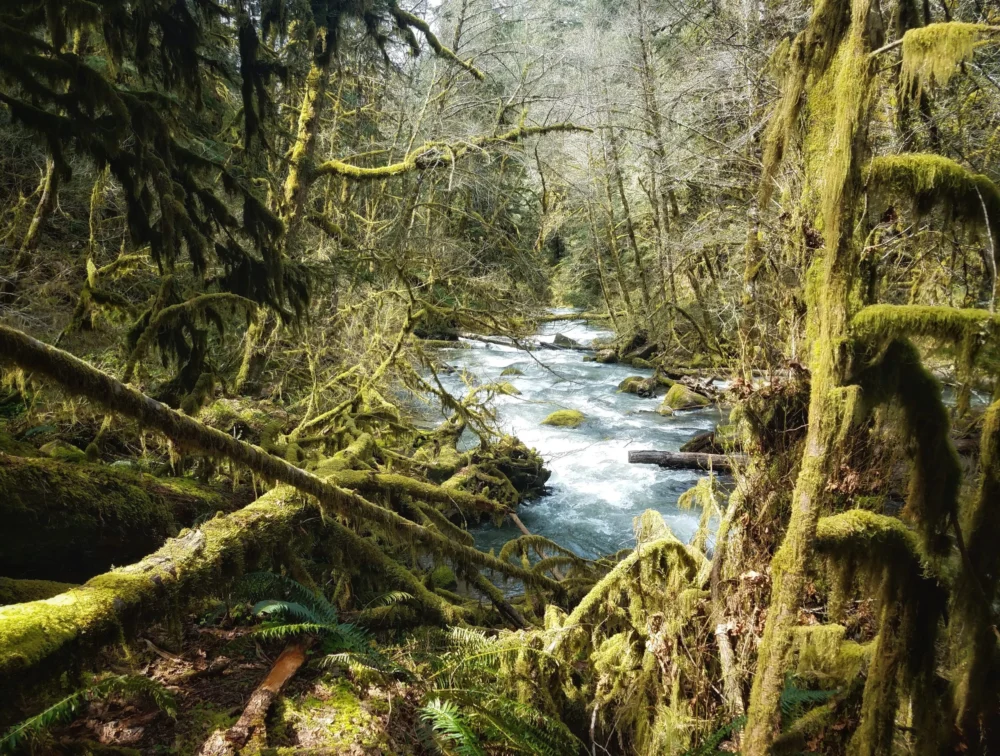
A radical shift in the management of America’s vast public lands is unfolding in Western Oregon, where the Bureau of Land Management (BLM) has unveiled a controversial proposal to dramatically escalate logging across nearly two million acres of ecologically vital conifer forests. This move, critics contend, represents a profound departure from decades of conservation efforts, threatening irreplaceable natural heritage and undermining the agency’s stated mission to safeguard public lands for current and future generations. The BLM, a federal agency entrusted with overseeing over 245 million acres, more than a tenth of the nation’s landmass, primarily in the Western United States, holds immense power over the ecological health and economic vitality of vast regions. Its policies reverberate through local communities, influencing everything from water quality and climate resilience to wildlife habitat and recreational opportunities. While the BLM’s mandate, enshrined in the Federal Land Policy and Management Act (FLPMA) of 1976, calls for "multiple-use sustained-yield" management, balancing resource extraction with conservation, its historical record often reflects a stronger accommodation of ranching, timber, and fossil fuel interests. Under the current administration, concerns have intensified regarding an accelerated push toward resource extraction, exemplified starkly by the proposed revisions to Western Oregon’s Resource Management Plans.
These plans govern some of the world’s most diverse and ecologically significant conifer forests, a landscape renowned for its towering old-growth stands of Douglas fir and Western red cedar. These ancient ecosystems are not merely timber sources; they function as critical carbon sinks, playing a vital role in climate change mitigation by sequestering vast amounts of atmospheric carbon dioxide. They are also indispensable for providing clean, abundant water to communities, acting as natural filters and regulators of hydrological cycles. Crucially, these forests serve as essential habitat for a suite of endangered and threatened species, including the iconic northern spotted owl, the elusive marbled murrelet, and various runs of coho salmon, whose survival depends on the complex structural diversity of old-growth and the pristine conditions of their aquatic environments. The irreplaceable importance of these ecosystems gained national recognition in 1995 with the implementation of the Northwest Forest Plan. This landmark agreement, forged after years of intense "timber wars" and scientific review, encompassed both BLM and Forest Service lands across the northern spotted owl’s range. It established a comprehensive framework for conservation, including a network of Late Successional Reserves (LSRs) specifically protected from logging, an Aquatic Conservation Strategy designed to safeguard key watersheds and riparian zones, and a robust Survey and Manage program to gather essential data for the stewardship of at-risk species. The Northwest Forest Plan represented a significant paradigm shift, prioritizing ecological integrity alongside sustainable resource use.

Despite the foundational principles of the Northwest Forest Plan, the BLM’s commitment to its strong conservation protections proved inconsistent. In 2016, the agency effectively withdrew its Western Oregon lands from the full scope of the Northwest Forest Plan by adopting its own Western Oregon Plan Revision. Even under these weakened standards, critics argue the agency has repeatedly fallen short of its own environmental obligations. Now, the latest proposal, released on February 19, signals an even more drastic rollback, indicating that even the previously softened restrictions are deemed too burdensome by the current administration. The newly proposed Resource Management Plan would open nearly two million acres of these critical forests to extensive clearcutting, eliminating any explicit protections for remaining old-growth stands. This move would dismantle the carefully established Late Successional Reserves, which were designed as ecological strongholds for species dependent on mature and old-growth forest conditions. Furthermore, the plan proposes to significantly reduce the already weakened riparian protections introduced in 2016, a change that could severely impact water quality, stream temperatures, and the habitat essential for salmon and other aquatic life. Additionally, all currently designated Areas of Critical Environmental Concern (ACECs), special designations created to protect unique natural, cultural, or scenic values, would be opened for re-evaluation, potentially leading to their elimination and subsequent availability for logging or other extractive uses.
The stated, bottom-line objective of this ambitious plan is to quadruple the logging volume on Western Oregon BLM forests, effectively returning these public lands to the "robust" extraction levels witnessed in the 1960s and 1970s. This historical period was characterized by rampant and often unsustainable clearcutting practices that ultimately triggered widespread public outcry against the destruction of the Pacific Northwest’s ancient forests. That public pressure and growing scientific understanding of forest ecology directly led to the necessity and implementation of the Northwest Forest Plan. The BLM’s current proposal, therefore, threatens to turn back the clock, ignoring the environmental lessons and policy advancements gained over the past half-century. Such a dramatic increase in timber extraction would not only accelerate habitat loss for endangered species but also compromise the region’s ability to sequester carbon, contributing to global climate change. It could also lead to increased soil erosion, sedimentation in streams, and a decline in overall ecosystem health and resilience.
This monumental policy shift, impacting millions of acres of public land held in trust for all Americans, has been presented with an unusually truncated and restrictive public comment period. The Federal Register notice specifies a mere 30 days for public input, with all comments required to be received by March 23. Furthermore, public participation is limited exclusively to digital submissions or traditional mail; no public meetings or forums will be held. This severely constrained window and lack of direct engagement opportunities have drawn sharp criticism from environmental organizations, local communities, and concerned citizens. They argue that such limitations undermine the principles of transparent governance and meaningful public involvement, effectively silencing voices that seek to hold officials accountable and demand scientific and legal justifications for such far-reaching decisions. The absence of public meetings denies citizens the fundamental right to engage face-to-face with decision-makers, to voice their concerns, and to receive direct answers regarding the potential impacts of these proposals on their shared natural heritage.

The magnificent forests of Western Oregon are more than just commodities for timber companies seeking quick profits; they are a vital component of the nation’s natural capital, providing invaluable ecological services and recreational opportunities that underpin regional quality of life and economic diversity. These lands are not simply the domain of the Bureau of Land Management to dispose of as it sees fit; they are held in public trust for the American people, demanding a stewardship that prioritizes long-term health and sustainability over short-term gains. The proposed new plan risks irrevocably destroying these forests and, in doing so, betrays the very trust placed in the federal government to manage these resources responsibly. The implications extend beyond regional boundaries, resonating with global efforts to protect biodiversity, combat climate change, and ensure sustainable resource management for future generations. The limited avenues for public comment represent a critical moment for citizens to assert their ownership and advocate for the enduring protection of these indispensable ecosystems.