Joko Susilo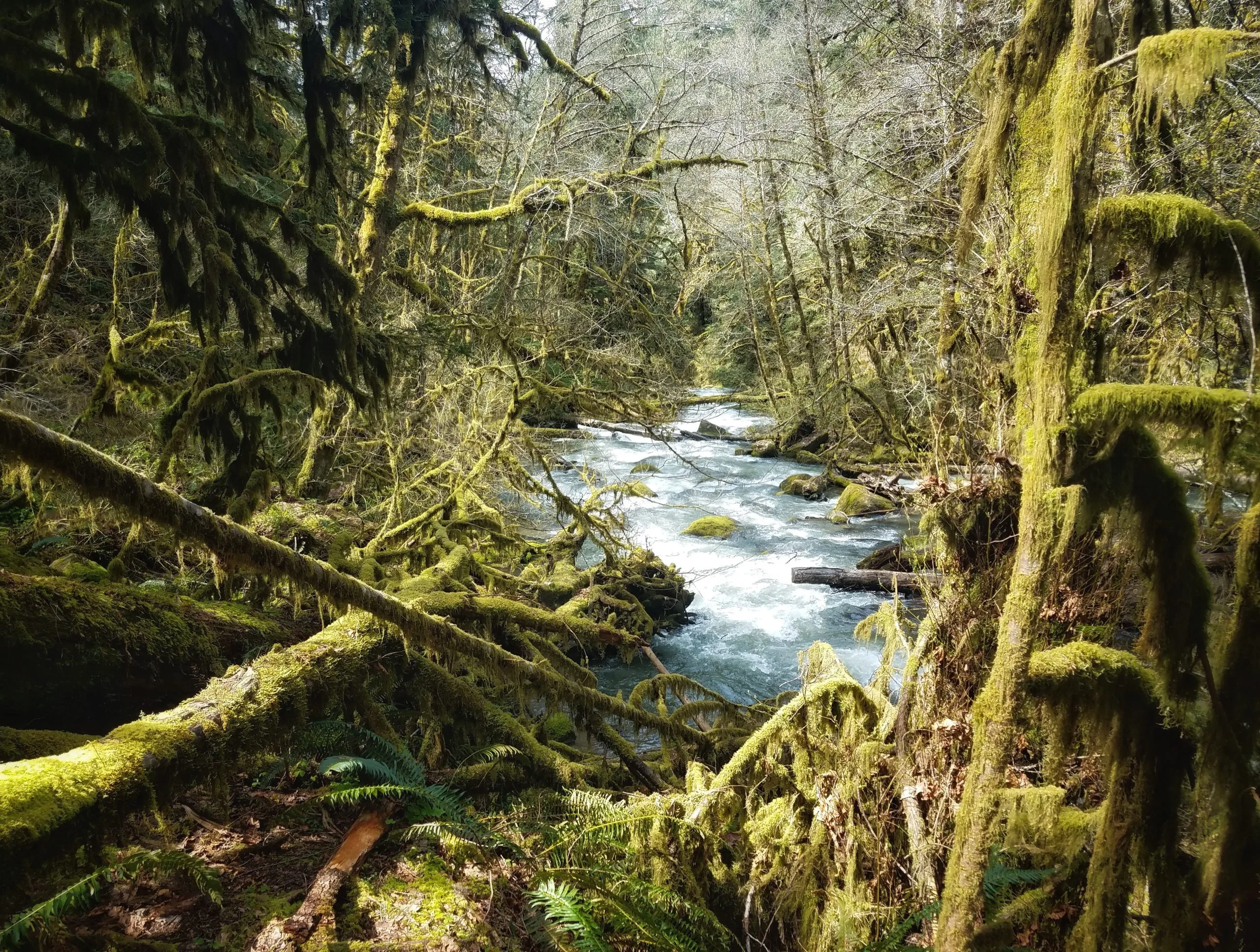
The Bureau of Land Management (BLM), steward of an astonishing 245 million acres of America’s public domain—more than 10% of the nation’s total landmass—is under intense scrutiny for its radical proposals to revise Resource Management Plans across Western Oregon. This federal agency, which functions as the nation’s largest land manager, particularly in the West, holds a crucial responsibility to balance resource use with the preservation of natural heritage for future generations, a mandate codified under the Federal Land Policy and Management Act (FLPMA) of 1976 for "multiple use and sustained yield." However, critics argue that the current administration’s approach to this mandate signals a dramatic shift towards unprecedented resource extraction, potentially undermining decades of conservation efforts and environmental protections.
At the heart of the current controversy lies a proposed overhaul of management plans for Western Oregon BLM lands, encompassing some of the most ecologically diverse and significant conifer forests globally. These temperate rainforests are not merely tracts of timber; they are vital carbon sinks, critical providers of clean water to communities and agriculture, and indispensable habitats for a myriad of species, many of them endangered. Among the most iconic inhabitants are the northern spotted owl, a sentinel species whose declining populations signal broader ecosystem distress; the marbled murrelet, a unique seabird that nests in the old-growth canopy; and various runs of coho salmon, whose survival depends on the pristine aquatic environments sustained by these forests. Their irreplaceable value was formally recognized in the landmark 1995 Northwest Forest Plan (NWFP), a comprehensive strategy that emerged from the contentious "timber wars" of the late 20th century. The NWFP sought to end the conflict between environmentalists and the timber industry by establishing a delicate balance across both BLM and Forest Service lands within the northern spotted owl’s range.
The NWFP represented a paradigm shift in forest management, moving away from purely extractive practices towards a more holistic, ecosystem-based approach. It established a network of Late Successional Reserves, specifically protected from logging to preserve and restore old-growth characteristics essential for forest-dependent species. Furthermore, it implemented a robust Aquatic Conservation Strategy designed to safeguard key watersheds, maintaining water quality and vital salmon habitat. A pioneering Survey and Manage program was also mandated, requiring surveys for rare and unlisted species before timber harvest to ensure their protection, embodying a precautionary principle in biodiversity conservation.

Despite the comprehensive framework of the NWFP, the BLM’s commitment to these stringent conservation measures has been inconsistent. The agency effectively distanced its lands from the full scope of the Forest Plan in its 2016 Western Oregon Plan Revision (WOPR), which critics contended already weakened crucial environmental safeguards. This earlier revision aimed to increase timber harvests, citing economic benefits, but environmental groups argued it compromised ecological integrity. Now, the agency appears poised to abandon even those attenuated standards.
On February 19, the BLM unveiled its new proposed Resource Management Plan, a blueprint that, if implemented, would radically reshape the future of these invaluable public lands. The proposal threatens to open nearly 2 million acres of these forests to clearcutting, a destructive logging practice that removes all trees from an area, leaving behind a stark, altered landscape. Alarmingly, the plan includes no specific protections for remaining old-growth forests, which are irreplaceable repositories of biodiversity and carbon. The proposed revisions would entirely eliminate the established Late Successional Reserves, dismantling a critical network designed for species recovery and ecosystem resilience. Furthermore, riparian protections, already weakened in 2016, face further reductions, jeopardizing the health of streams and rivers, and consequently, the aquatic life they support. Even Areas of Critical Environmental Concern (ACECs), designated for their unique natural, cultural, or historical values, are slated for re-evaluation, raising concerns that their protective statuses could be revoked, opening them up to logging and other forms of development.
The explicit goal articulated by the BLM’s proposal is to quadruple logging volumes on Western Oregon BLM forests, a dramatic return to the "robust" harvesting levels seen in the 1960s and 1970s. This period was characterized by rampant and often unsustainable clearcutting, which ultimately led to widespread public outcry against the destruction of the Pacific Northwest’s ancient forests and directly necessitated the creation of the Northwest Forest Plan. Reverting to these historical levels would effectively turn back the clock on decades of environmental policy and scientific understanding, ignoring the profound ecological consequences that prompted earlier conservation efforts.
Such a monumental shift in public land management carries significant global implications, especially in the context of accelerating climate change and biodiversity loss. Old-growth forests are among the most efficient natural carbon sequestration systems on Earth, storing vast amounts of carbon in their biomass and soils. Their destruction through clearcutting not only releases this stored carbon into the atmosphere but also diminishes the planet’s capacity to absorb future emissions, directly undermining national and international climate goals. Furthermore, the loss of these complex ecosystems contributes to the ongoing global biodiversity crisis, as unique species and intricate ecological relationships are irreversibly lost.

The process by which this radical proposal has been introduced also raises serious concerns regarding transparency and public participation. The Federal Register notice specifies a mere 30-day window for public comments, with all submissions due by March 23, and restricts input solely to digital or mail formats. Strikingly, no public meetings are scheduled, effectively precluding citizens from engaging directly with officials, posing questions, and demanding scientific or legal justifications for this wholesale abandonment of responsible forest management. This limited public engagement stands in stark contrast to the principles of democratic governance and the Administrative Procedure Act, which generally require meaningful opportunities for public input on federal agency actions of such profound impact. For the diverse communities, environmental organizations, and indigenous peoples who view these forests not as mere timber resources but as sacred lands and vital ecosystems, this curtailed process feels like a denial of their fundamental rights and a breach of the public trust.
These magnificent forests are not simply fiber farms to be exploited for short-term economic gain; they are held in trust for the American people, embodying intrinsic ecological, cultural, and spiritual values that far transcend their timber yield. Their health directly impacts clean water supplies, supports thriving fisheries, and offers unparalleled recreational opportunities, all contributing to long-term regional prosperity. The BLM’s proposed new plan threatens to destroy these irreplaceable forests and, in doing so, to shatter that sacred public trust. Citizens concerned about the fate of these critical ecosystems and the integrity of public land management have a limited opportunity to make their voices heard through the formal channels provided by the Bureau of Land Management. These avenues represent the only available means for public comment on the proposed Resource Management Plan.