Rocky Gerung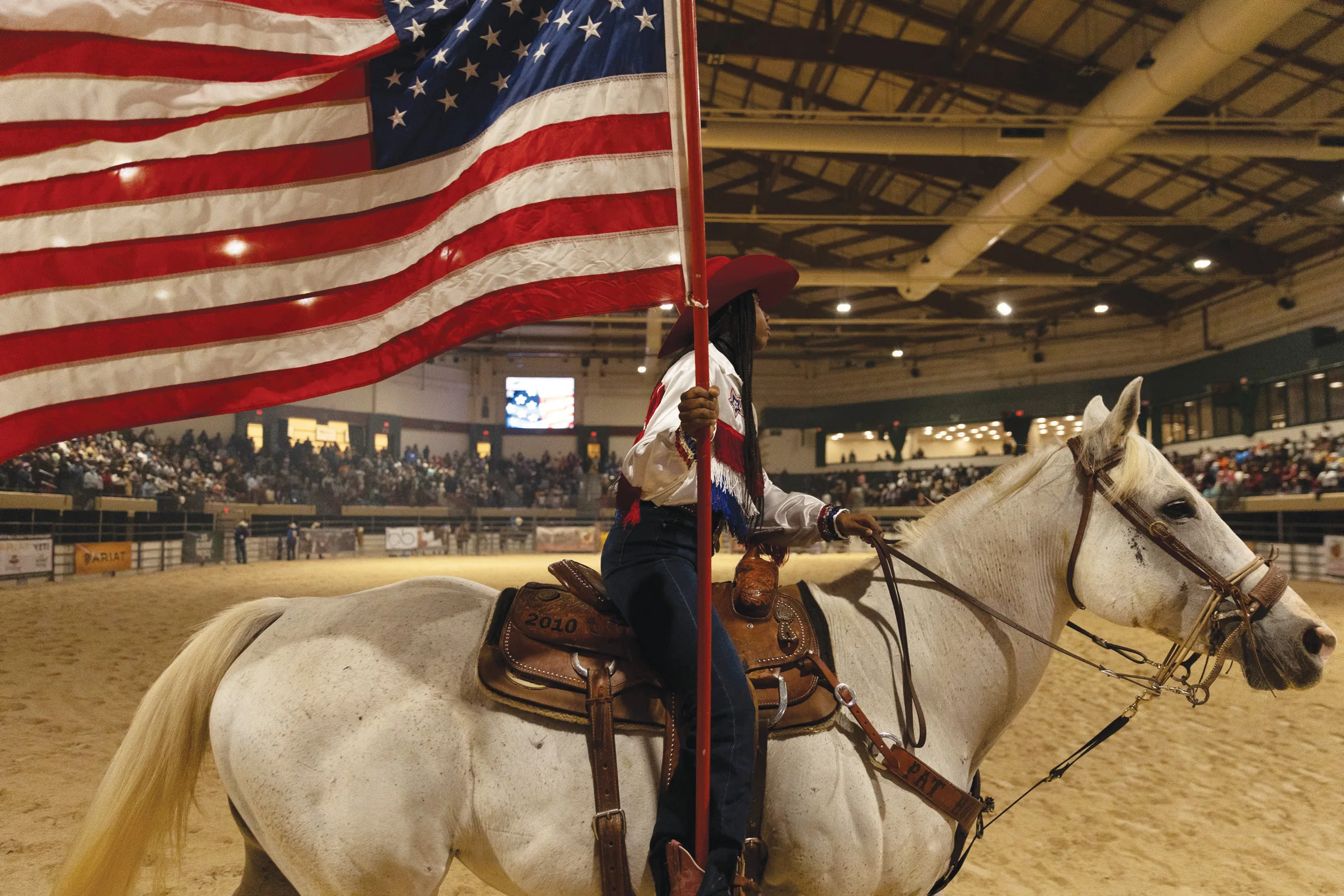
The visceral connection forged through horsemanship, a practice demanding steady hands, a deep seat, and quiet legs, profoundly resonated with the viewing of Peacock’s "High Horse: The Black Cowboy," particularly after an initial, intimate encounter with a new mustang mare. This profound bond, built on mutual respect and an understanding that a thousand-pound animal will always discern authenticity, underscored the docuseries’ powerful assertion: Black hands have always guided the reins of the American West, yet their contributions have been consistently marginalized from the dominant historical narrative. The series, executive produced by Jordan Peele’s Monkeypaw Productions and directed by independent filmmaker Jason Perez, meticulously weaves together evocative archival footage, historical photographs, and contemporary scenes of Black cowboy life, demonstrating how the romanticized image of the West often obscures the lived realities of its diverse inhabitants.
"High Horse" refuses to relegate Black cowboys to a footnote in Western lore; instead, it charts a clear and compelling lineage from the skilled labor of formerly enslaved individuals who managed horses and cattle, to the Black jockeys who once dominated American horse racing, to the contemporary riders, ranchers, and entrepreneurs who continue the tradition. The docuseries masterfully integrates historical context with present-day realities, avoiding a didactic tone by allowing the visual evidence and personal narratives to speak for themselves. A significant strength of the series lies in its deliberate focus on the physical demands and practicalities of horsemanship – the precise rider’s seat, the nuanced control of the hands, and the countless hours of dedication required. For anyone familiar with riding, these elements are instantly recognizable, highlighting the profound truth that horses respond to consistency and fairness, not pretense. This emphasis subtly critiques the widespread celebration of the cowboy aesthetic, often divorced from the actual labor and expertise it represents.
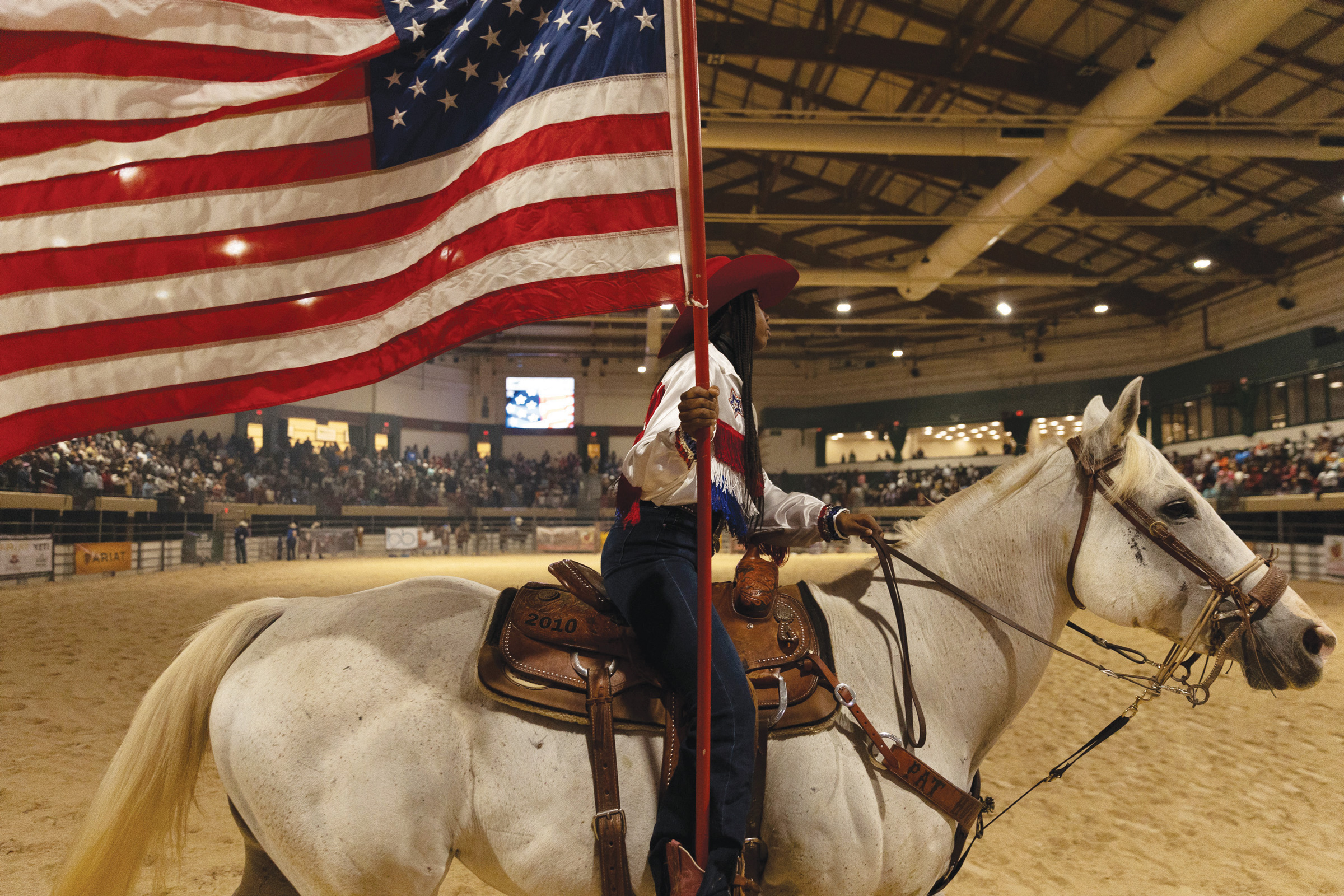
The camera in "High Horse" frequently lingers on Black riders, poised and confident, surveying expansive landscapes or navigating urban environments that bear the indelible imprint of Western history. These seemingly simple, quiet images carry immense weight, particularly for Black Americans, for whom land signifies more than just scenery; it represents inheritance, loss, broken promises, and the fundamental difference between being a transient visitor and a responsible steward. This intersection of personal experience and historical context is deeply personal for the author, whose father, a lifelong rancher in Texas and manager of land and livestock in California, inspired the creation of Outdoor Afro in 2009. Initially a blog and a tribute to his legacy, Outdoor Afro has evolved into a national organization dedicated to reconnecting Black communities with the outdoors, fostering a sense of belonging and shared heritage that transcends fleeting trends.
Now, in midlife, a renewed seriousness has brought the author back to horsemanship, yielding increased patience, honesty, and a more nuanced understanding of land and personal responsibility. The acquisition of a mustang mare, named True Haven as a personal reminder of faith and peace, has further deepened this commitment. Owning a wild horse, though not conferring expertise in public lands policy, fosters an intimate connection to the principles of stewardship and amplifies the urgency of protecting wild spaces. The immediate needs of a horse – for safety and clarity – render abstract slogans irrelevant, demanding a focus on tangible care and compassionate leadership.
"High Horse" astutely recognizes that the narrative of Black cowboys is inextricably linked to the history of Black land ownership and access. It moves beyond the romanticized notion of open spaces to confront the complex realities of acreage, property rights, taxation, and the power dynamics that have historically dictated who can remain on and benefit from Western lands. While not delving into granular policy debates, the series forthrightly addresses a truth often sidestepped by those who idealize the West: the promise of freedom was never equitably distributed, and a history of legal and extralegal violence is woven into the very fabric of its geography.

However, "High Horse" is far from a lament; at its core, it is a vibrant celebration of freedom and resilience. The docuseries showcases young riders honing their skills, elders imparting generational wisdom, and families gathering around horses with the same communal spirit found at church potlucks or family reunions. In stark contrast to historical accounts that often reduce Black history to a chronicle of trauma, this series offers a powerful counter-narrative, emphasizing excellence, craftsmanship, humor, pride, discipline, and, most importantly, joy.
While the series is a groundbreaking contribution, its three-episode format naturally imposes limitations. The author expresses a desire for greater representation of Black women riders, more detailed exploration of the economic realities of horse ownership, and a more robust acknowledgment of the intertwined histories of Black and Indigenous peoples in the West. Furthermore, there’s a suggestion that the series could have placed greater trust in the voices of its working riders. While the inclusion of well-known celebrities and scholars provides valuable reach and context, their interpretations occasionally risk overshadowing the firsthand accounts of Black cowboys and ranchers whose multigenerational experiences with the land and their horses possess inherent significance.
Perhaps the most profound achievement of "High Horse" is its resolute stance against portraying the Black cowboy as an anomaly. It compels viewers to expand their definition of "Western" beyond the confines of conventional Hollywood portrayals, offering a much-needed recalibration for anyone who cherishes the West. This re-examination arrives at a crucial moment, challenging established perspectives and inviting a more inclusive understanding of the region’s past and present.

Reflecting on the initial moments with the author’s own mare – her quiet observation, her patient waiting, her unspoken questions about the rider’s intentions – mirrors the series’ underlying message. Just as a horse responds to clarity, consistency, and care, so too should society approach its history. To cultivate an honest West with a secure future, a comprehensive narrative must be openly shared, and the foundational truths upon which it rests must be protected. "High Horse: The Black Cowboy" is not, and should not aim to be, the definitive statement on Black cowboys. Nevertheless, it represents a significant stride towards a vision of the West where Black riders are recognized not as transient figures, but as integral components of the region’s heritage and vital contributors to its conservation future.