Rocky Gerung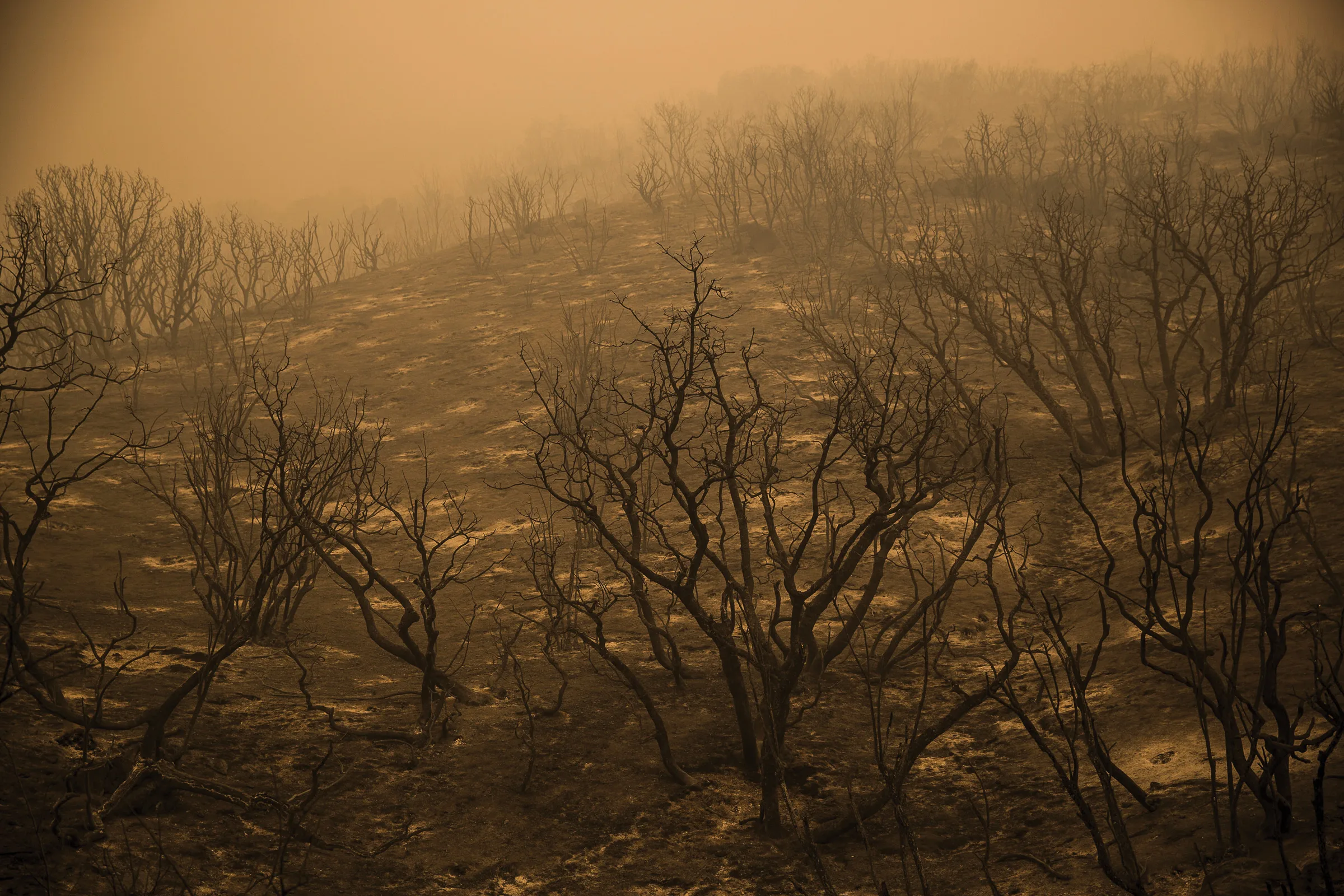
Soil and rocks across the western United States naturally contain chromium-3, a vital trace element essential for plant and animal life, and even commonly found in dietary supplements. "You could dig a hole outside, wherever you are right now, and you’re going to find some amount of chromium-3," explained Matthew Polizzotto, a professor of earth sciences at the University of Oregon. However, emerging research reveals that the intense heat generated by wildfires fundamentally alters this element’s chemical structure, converting it from a beneficial nutrient into a dangerous carcinogen. This transformation, driven by the combination of high temperatures and oxygen in burning soils and vegetation, results in the formation of chromium-6, also known as hexavalent chromium.
Hexavalent chromium is a potent toxin with significant health implications, definitively linked to an increased risk of lung, nasal, and sinus cancers. Beyond its carcinogenic properties, exposure to chromium-6 can also trigger or exacerbate respiratory conditions like asthma, cause skin irritation, and lead to severe damage to the kidneys and liver. The environmental pathways for this hazardous substance are multifaceted; it can become airborne within the smoke plumes generated by wildfires, posing an immediate inhalation risk. Once the flames subside, chromium-6 can be re-suspended in the air as dust from the burn scar, further spreading contamination. Moreover, it can persist in scorched landscapes for extended periods, slowly leaching into groundwater supplies, threatening the quality of drinking water for nearby communities.
While scientists have recognized the potential for wildfires to create chromium-6 since at least 2008, a recent comprehensive study published in the journal Environmental Science and Technology provides crucial new insights into its persistence and behavior in the environment. This groundbreaking research is the first to detail how long this toxic form of chromium might remain a threat in groundwater following a fire event. The study’s findings indicate that chromium-6 can linger in groundwater at unsafe levels for up to two years after a wildfire has passed.

Lead author Chelsea Obeidy, now an assistant professor of soil science at California State Polytechnic University, Humboldt, conducted the research as part of her doctoral work under Professor Polizzotto. Her team simulated wildfire conditions in a laboratory setting, burning soil samples and then mimicking rainfall by passing water through the scorched material. "Though the lab results should be investigated on a landscape scale," Obeidy commented, "they rang a bell for me." This initial laboratory work flagged the significant potential for widespread contamination.
The study further identified a correlation between fire severity and chromium-6 production, with fires burning at temperatures between 750 and 1,110 degrees Fahrenheit—considered high severity—generating the most significant amounts of the toxic compound. This finding is particularly concerning given the documented trend of increasingly intense wildfires across the western United States, driven by a warming climate. These hotter, more severe fires are not only responsible for devastating ecosystems and killing trees but also for incinerating forest soils, thereby subjecting larger areas to the element-altering heat that facilitates chromium-6 formation. Regions characterized by serpentine rock formations, such as the mixed chaparral forests found in the Rogue River-Siskiyou National Forest spanning southern Oregon and Northern California, are especially vulnerable due to their naturally high chromium content. Similar geological conditions, with significant serpentine soil deposits, are also present in the Rocky Mountains, California’s Coast Ranges, the Northern Sierras, and the Cascade Range in the Pacific Northwest, highlighting the broad geographical scope of this emerging environmental hazard.
The concentration of chromium-6 in post-fire soils can vary considerably. However, Obeidy’s research suggests that soil samples collected from higher elevations, where rocks have undergone more weathering, tend to exhibit the highest levels of the toxin. Importantly, the study indicated that lower-intensity fires, such as those carefully managed during cultural and prescribed burns, do not appear to significantly activate the conversion of chromium-3 to chromium-6, offering a potential avenue for mitigating this specific risk during land management practices.
The dangers posed by chromium-6 extend beyond the immediate vicinity of a burn scar. Any individuals traversing these areas—whether they are firefighters working to ensure a blaze is fully extinguished, homeowners assessing damage, or emergency responders—risk stirring up ash and dust, releasing chromium-6 into the air. "Breathing in any of that material would be especially dangerous," Polizzotto warned. Furthermore, prevailing winds can act as a vector, carrying chromium-6-laden dust far from its source and potentially exposing distant communities to inhalation risks.

The reach of this wildfire-generated contaminant can be extensive, spanning hundreds or even thousands of miles. Scott Fendorf, a professor of earth system science at Stanford University who specializes in the airborne effects of chromium-6 and was not involved in Obeidy’s study, pointed to recent events. He noted that widespread Canadian wildfires in 2024 and 2025 burned across areas rich in chromium, leading to the oxidation of chromium-3 into chromium-6. This airborne toxin, carried by smoke plumes, subsequently settled over vast regions, potentially impacting millions of people across the Northern and Eastern United States.
Addressing the chromium-6 threat necessitates a multifaceted approach, with the ultimate solution lying in effectively managing the escalating wildfire crisis through robust climate action and the increased implementation of prescribed and cultural burning practices. In the interim, individuals in or near burn areas can take precautionary measures, such as wearing an N95 mask, to reduce inhalation exposure, as recommended by Fendorf. While technologies exist to remove or reduce chromium-6 from soil contaminated by industrial activities, such as those in cement and steel manufacturing, these methods, which involve chemical leaching or reduction processes, are not readily scalable for widespread application in vast post-wildfire landscapes, according to Polizzotto.
Fortunately, natural processes offer some hope for remediation. Given sufficient organic material in the soil and adequate time—ranging from days to years, depending on environmental conditions—chromium-6 can naturally convert back into its less toxic chromium-3 form. Additionally, heavy rainfall events, defined by Fendorf as approximately one inch of precipitation within a 24-hour period, can be effective in diluting chromium-6 to non-toxic levels in both soil and runoff.
The new findings regarding the emergence and persistence of chromium-6 following wildfires underscore the profound and often underestimated environmental health hazards that linger long after the flames have been extinguished. They highlight how much remains to be understood about the complex ecological consequences of these increasingly frequent and severe events. The dangerous legacy of wildfire demonstrably extends far beyond the immediate destruction caused by sparks and smoke, leaving behind a toxic residue whose full extent and long-term implications are still being uncovered.