Rocky Gerung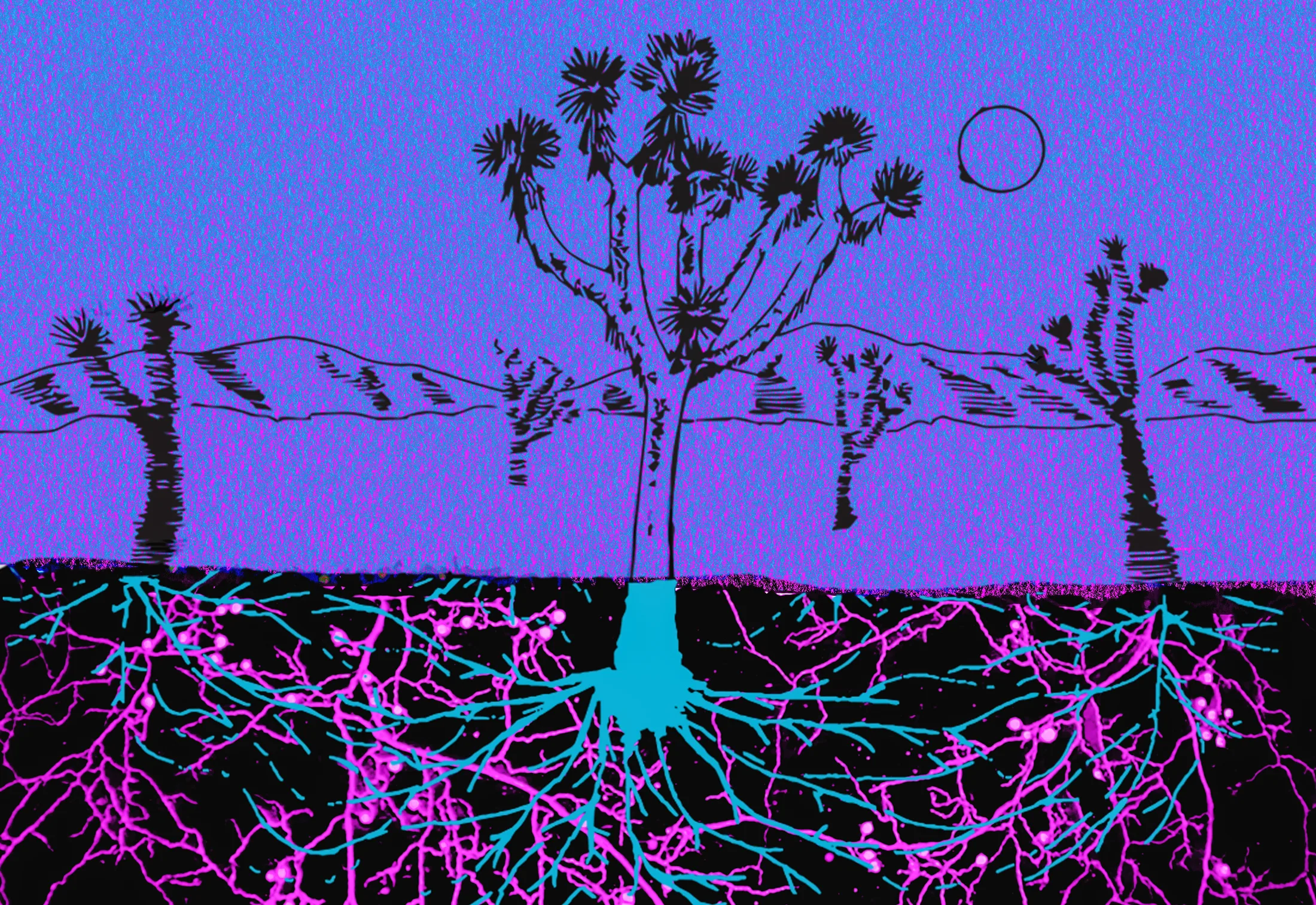
Beneath the iconic landscapes of California’s Sierra Nevada foothills, Oregon’s verdant Willamette Valley, and the majestic Columbia River Gorge spanning Washington and Oregon, lies a complex and sprawling network of life largely unseen: mycorrhizal fungi. These vital organisms, responsible for forming symbiotic relationships with plants, are increasingly recognized as critical for ecosystem stability and health, yet a significant portion of their biodiversity remains unprotected. The advent of the Underground Atlas, a groundbreaking global model developed by researchers at the Society for the Protection of Underground Networks (SPUN), has illuminated this hidden world, revealing that an estimated 90% of mycorrhizal biodiversity hotspots exist outside designated protected areas.
In the Western United States, particularly in conifer forests stretching from the Rocky Mountains to the Sierra Nevada and along the Pacific Northwest coast, ectomycorrhizal fungi form essential partnerships with trees and shrubs like Douglas firs, western hemlocks, and cottonwoods. These fungi are not merely passive residents; they actively facilitate nutrient exchange, acting as a vital conduit between the soil and plant roots. This intricate relationship, where plants provide fungi with carbohydrates in exchange for water and essential minerals, significantly boosts plant growth, enhances soil fertility, and plays a crucial role in carbon sequestration. Globally, mycorrhizal fungi are estimated to store an astonishing 13 billion tons of carbon underground, a figure equivalent to approximately one-third of annual global carbon emissions.
Michael Van Nuland, lead data scientist at SPUN, aptly describes these fungal networks as the "circulatory system of the planet" due to their unparalleled efficiency in moving nutrients. However, despite their profound ecological importance, fungi have historically received far less attention and protective designation compared to plants and animals. Aaron Tupac, a mycologist and community educator based in Los Angeles, highlights this disparity, stating, "We know native plants, we know native animals, but we don’t know native fungi." This knowledge gap is partly historical; fungi were not recognized as a distinct kingdom of life until 1969, having previously been classified as plants.

This relative obscurity, however, is beginning to shift. Kabir Peay, a biologist specializing in fungi at Stanford University, sees the growing public awareness, amplified by projects like the Underground Atlas, as a pivotal moment. "I think we’re in a really unique place where we start to have the momentum to build a case for the conservation of organisms that have really not been genuinely appreciated very much in the past," he remarked, emphasizing the potential for increased appreciation and protection of these essential organisms.
Despite this burgeoning momentum, the path toward comprehensive fungal conservation faces challenges. In 2022, California initiated the first state-funded endeavor to comprehensively document its fungal diversity, aligning with a broader state goal to protect 30% of its lands and waters by 2030. This initiative, known as CA FUNDIS, successfully cataloged and preserved over 10,000 fungal species for future research before its funding was unfortunately discontinued in 2023. Similarly, critical support for other vital mycorrhizal fungi research, including the world’s largest living soil fungi library at the University of Kansas, is currently at risk of lapsing, underscoring the precarious nature of funding for this field.
While established protected areas like national parks offer some refuge for fungi, Van Nuland acknowledges the practical limitations of expanding such designations everywhere. However, he emphasizes that fungal diversity can be safeguarded through a variety of approaches beyond traditional protected areas. Land managers can significantly benefit fungal ecosystems by adopting practices that allow more woody debris to remain on the landscape, providing a crucial food source for these organisms. On a more individual level, composting can enhance soil health in backyard gardens, directly supporting local fungal communities.
Integrating native plants with their appropriate fungal partners is also proving to be a powerful strategy for increasing the success of ecological restoration efforts. SPUN researchers are currently undertaking fieldwork in Joshua tree habitats, aiming to identify the specific fungi associated with these iconic desert trees. The intention is to incorporate these identified fungal species into ongoing Joshua tree transplantation and restoration projects, efforts that have gained significant legislative attention in California, culminating in a comprehensive state conservation plan for the species in the summer of 2025. Concurrently, indigenous communities, such as the Gabrieleño Band of Mission Indians, are actively employing fungi for bioremediation, utilizing their natural capabilities to remove heavy metals and pollutants from contaminated soil in Los Angeles.

Ultimately, scientists argue that fungal conservation must evolve to include active cultivation strategies, mirroring the approaches already in place for threatened plant and animal populations. While nurseries meticulously raise endangered plant species and hatcheries sustain salmon populations, Peay observes, "we are definitely not even close to that for thinking about the conservation of fungi."
The accelerating impacts of climate change are altering ecosystems at a pace that outstrips scientists’ ability to document their fungal inhabitants, according to Tupac. He stresses the urgency for conservationists to act decisively and secure financial support for fungal protection before species reach a threatened or endangered status. Echoing this sentiment, many within the fungal conservation community are advocating for a broader perspective, moving beyond solely focusing on rare and scarce species. They propose making a compelling case for the protection of abundant fungal life, recognizing its foundational role in maintaining healthy, resilient ecosystems worldwide.