Rocky Gerung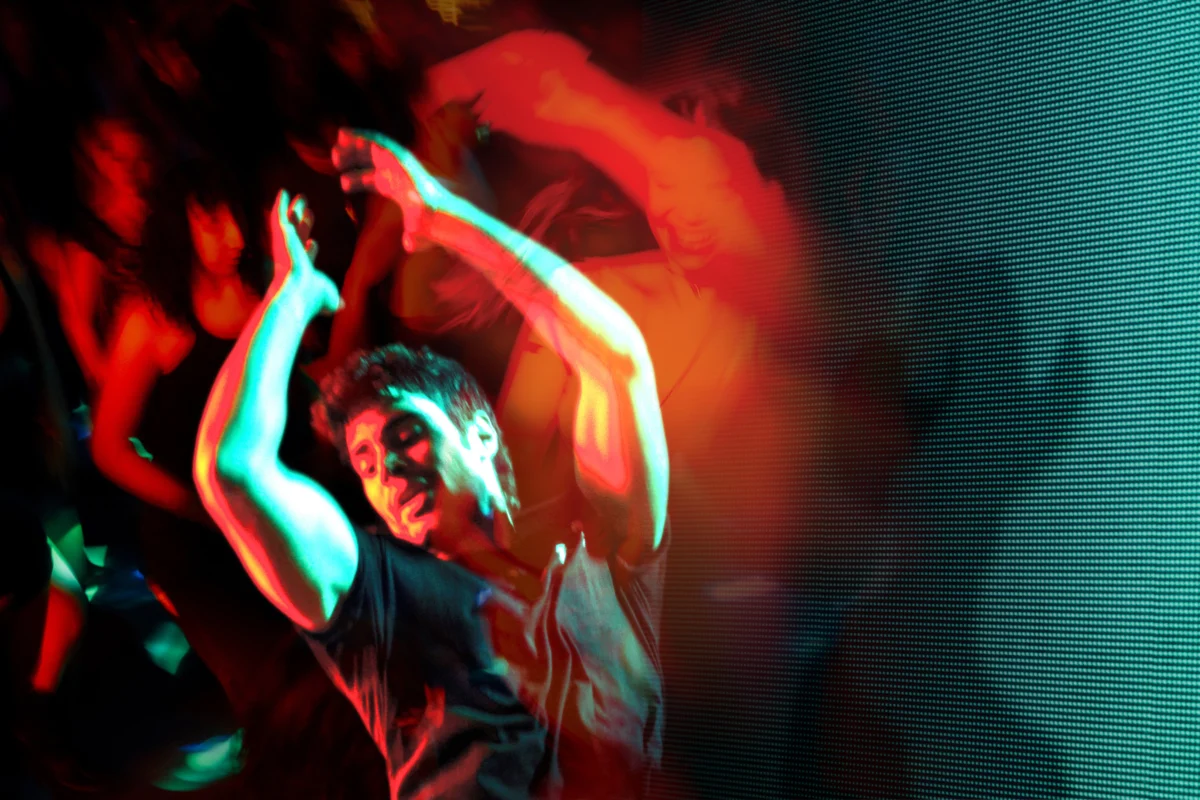
As a potent "Pineapple Express" storm reached its zenith, my husband, Aaron, and I stepped into Stud Country, a vibrant hub for LGBTQ+ country dance. We donned our white N95 masks and shed our raincoats, revealing damp t-shirts tucked into jeans and cargo pants, accessorized with belts that perfectly matched our cowboy boots. This familiar attire was for an uncharacteristic outing: a Thursday night, a school night, at Los Globos, the venue for Stud Country’s lively country dance event. In my early twenties, I had frequented this historic Silver Lake establishment for late-night techno-house sets and weekday salsa lessons, but tonight marked a departure – a beginner’s two-step class.
Our attendance was spurred by a recent courthouse wedding, a proactive measure taken just weeks prior to a potential Supreme Court case that could have jeopardized same-sex marriage rights. Fortunately, the court ultimately declined to hear the case, a welcome reprieve. We were planning a small desert reception in the spring to celebrate with friends and family, and the need for a practice "first dance" led us to the lively world of two-stepping.

Stud Country has carved out a niche by specializing in classic and 90s country dances, set to both Western standards and contemporary pop hits. Over the past few years, its events have surged in popularity across California, extending a tradition of queer line dancing and LGBTQ+ cowboy culture that has thrived in Los Angeles for over half a century. This phenomenon has even reached the East Coast, with merchandise like muscle tees proclaiming "I’m Bi for Stud Country" hinting at its growing appeal.
The dance floor was initially sparse, but as the steely twang of a dobro guitar filled the air, the lights dimmed, and a disco ball began to spin, Sean Monaghan, a co-founder of Stud Country, and Anthony Ivancich, a respected figure in the Los Angeles queer country scene, captivated the room with a demonstration of the two-step. Their fluid movements, characterized by looping twirls and elegant holds, commanded attention, evoking the majestic display of the greater sage grouse. Instead of a mating ritual on a lek, their dance was a testament to intergenerational camaraderie and shared passion.
Stud Country emerged in 2021, shortly after the closure of Oil Can Harry’s, a legendary gay country-western bar that had been a cornerstone of the community for decades. Anthony Ivancich himself had danced at Oil Can Harry’s for over fifty years. Located in Studio City, Oil Can Harry’s was not just one of the oldest queer bars in the Los Angeles area but a significant historical landmark in the United States, having operated since 1968. Throughout its history, it served as a sanctuary for diverse forms of expression, from the disco era to the leather subculture. The bar weathered significant historical challenges, including targeted police raids on LGBTQ+ spaces in the late 1960s and the devastating AIDS crisis of the 1980s, during which it became a vital hub for mutual aid, hosting numerous queer fundraisers and fostering a strong sense of community support. Ultimately, however, it succumbed to the economic pressures exacerbated by the COVID-19 pandemic.

The building that once housed Oil Can Harry’s stands as a poignant reminder of the evolving landscape for LGBTQ+ venues. Nearby, historic sites like The Black Cat, which hosted some of the earliest LGBTQ+ protests in the United States, predating the Stonewall Uprising, are recognized as significant cultural landmarks by the Los Angeles Conservancy. Stud Country has embraced the mantle of queer country by organizing events in various venues across Los Angeles and, increasingly, nationwide. This shift towards pop-up events has become a more common model in recent years as rising rents and gentrification continue to force the closure of LGBTQ+ bars across the country.
Sean Monaghan reflected on the significance of this movement in a short documentary produced by the Los Angeles Times, stating, "Remembering that the elders that come to Stud Country now literally got arrested for trying to create this culture is remarkable. They laid the foundation for what we do now." This sentiment underscores the deep historical roots and the intergenerational dialogue that Stud Country seeks to foster.
Upstairs, as the beginner’s two-step class commenced, Aaron took the lead, and I followed, my right hand clasped in his left, my left hand resting on his hip. He placed his right hand on my shoulder, and we began a slow, counterclockwise rotation around the dance floor, joined by over twenty other couples. The two-step, characterized by its repeating six-count pattern, involves two quick steps followed by two slow steps. "Quick, quick, slow, slow!" our instructor’s voice cut through the music. My feet occasionally tangled as I navigated the rhythm, but closing my eyes allowed a growing confidence to emerge, much like the assured movements of the sage grouse. Like all strong partnerships, partner dancing is fundamentally built on trust.

The two-step, a dance form rich with nuance and regional variations, also incorporates specific queer traditions. One such variation is "shadow dancing," an intimate form where partners face the same direction, moving in close synchronicity. Our instructor emphasized that two-stepping transcended mere partner dancing; it served as a powerful tool for bridging generational divides and strengthening community bonds. "It’s a way to cross generational divides," he explained.
Just as Aaron and I began to find our stride, our instructor called for partner switches. In rapid succession, I found myself dancing with Ariella, her lips adorned with purple lipstick, then with Bri, whose boots sparkled with rhinestones, and finally with Jorge, sporting a crop top. Each partner offered a unique lead as we practiced incorporating twirls and reverse spins into the basic step. The experience of being spun by individuals of different genders and heights, collaboratively navigating new steps, proved to be an exhilarating and insightful exercise.
After the class, as we walked back to our car in the persistent rain, the rhythm of the two-step seemed to linger in our steps. Quick, quick, slow, slow. I found myself envisioning our first dance at the desert reception, wondering if The Chicks’ "Cowboy Take Me Away" would be a suitable choice. This song, strummed and sung by our friend Taylor at our courthouse ceremony, held profound meaning for us as a queer couple. We had often played it on road trips across the Southwest, traversing vast expanses of sagebrush, gazing at desert blooms, and sleeping beneath star-filled skies, mirroring the song’s evocative imagery.

One thing was abundantly clear: we had our work cut out for us. To truly do the song justice and honor the legacy of our queer ancestors on that dusty desert dance floor, we would need to hone our skills, perhaps even master the art of "shadow dancing."
This exploration into queer country dancing is part of the "Confetti Westerns" column, which delves into the intertwined queer natural and cultural histories of the American Southwest.