Joko Susilo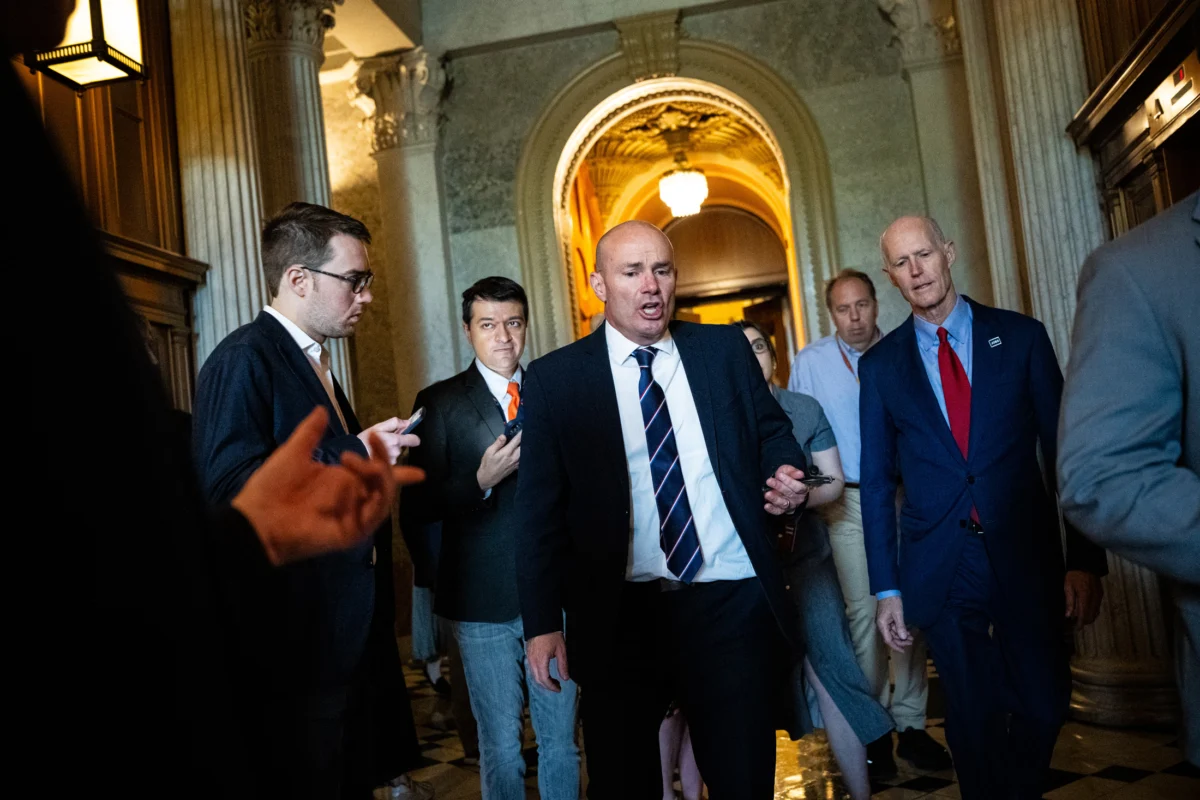
However, the proposed strategies within the bill, while appearing pragmatic on the surface, were not without their underlying complexities and long-standing debates among conservationists and land managers. Fundamental questions persisted: Is active human "management" always beneficial for forest ecosystems, or do natural processes, including fire, play an essential ecological role? Are all high-intensity wildfires inherently detrimental, or can some serve as crucial ecological reset mechanisms? Furthermore, critics often viewed aggressive "thinning" initiatives with suspicion, concerned they might serve as veiled pretexts for increased commercial logging operations. The bill’s specific directive to expand public-land grazing as a wildfire mitigation tool also drew particular scrutiny, given its potential for ecological impacts and its contentious history within Western land use policies.
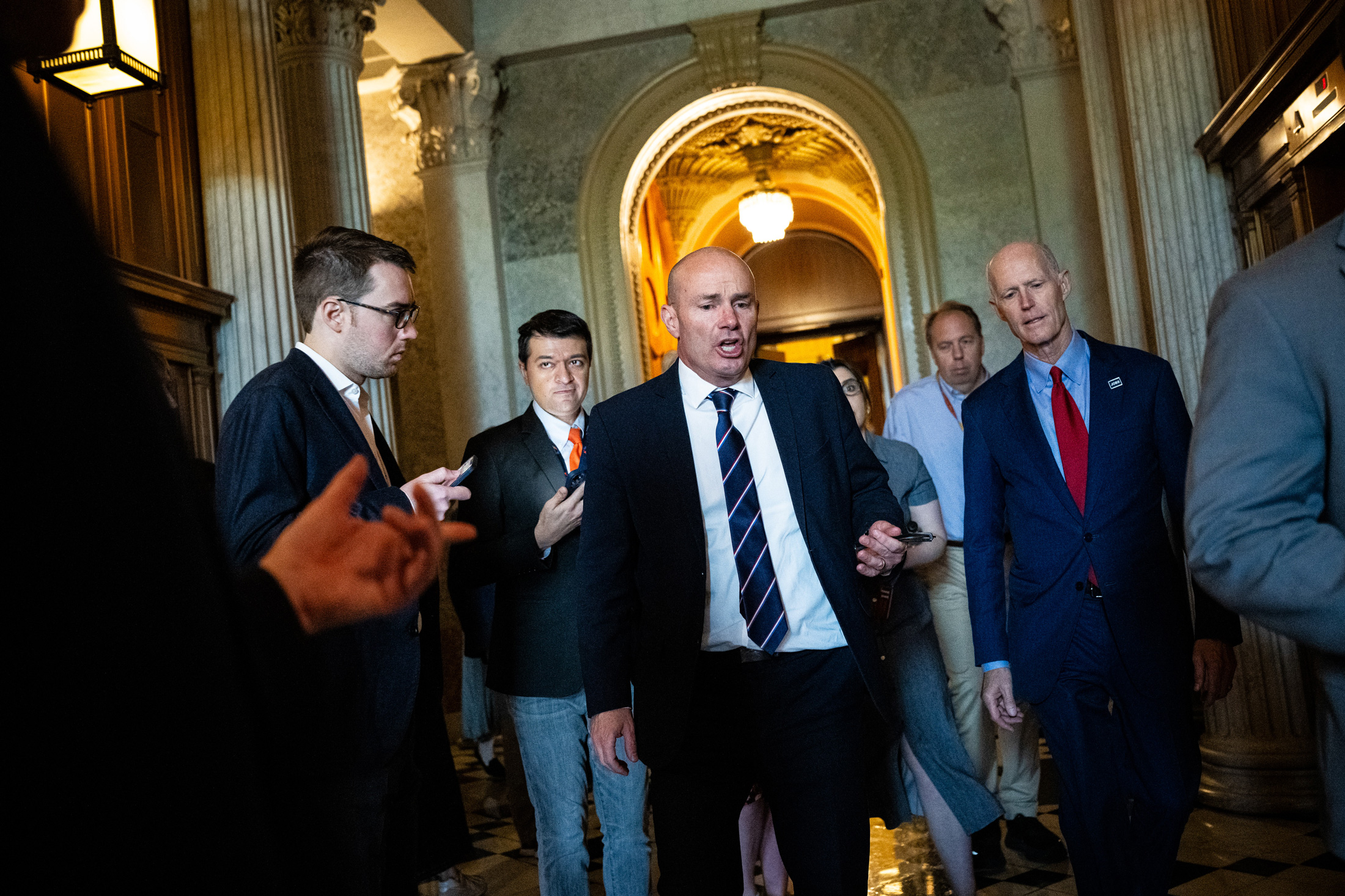
The bipartisan consensus, painstakingly built amidst the urgency of the fire season, shattered abruptly when Senator Mike Lee, a Republican from Utah, introduced a last-minute amendment. This amendment sought not only to dismantle the landmark 2001 Roadless Area Conservation Rule, which currently shields approximately 45 million acres of U.S. Forest Service land from new road construction and logging activities, but also to prevent any similar conservation measures from being implemented in the future. Senator Martin Heinrich, a Democrat from New Mexico, openly voiced his profound disappointment during a Senate committee hearing, lamenting the transformation of a "very bipartisan-focused wildfire bill" into a "very partisan bill," describing the legislation as having become a "Trojan Horse for repealing the Roadless Rule."
The Roadless Area Conservation Rule, commonly known as the Roadless Rule, represented a monumental achievement in public land conservation when the Bill Clinton administration finalized it in 2001. It was the culmination of a multi-decade national effort to systematically identify, inventory, and safeguard millions of acres of national forests that remained largely undisturbed by roads, preserving them for potential future wilderness designation. Before this national rule, individual Forest Service offices inconsistently managed inventories of roadless areas, leading to a patchwork of protections. The 2001 rule standardized protections, specifically prohibiting timber harvesting, road construction, and road reconstruction within designated roadless areas nationwide, though it did include a series of carefully defined exceptions for critical needs. Beyond its profound ecological benefits, the rule also offered significant financial advantages. By 2001, the existing U.S. Forest Service road network stretched an astonishing 386,000 miles – a distance nearly 15 times the circumference of the Earth – with an estimated $8.4 billion in deferred maintenance and reconstruction costs. Halting the expansion of this already vast and underfunded network promised to prevent a further exacerbation of this staggering financial deficit.

Initially encompassing nearly 60 million acres, the Roadless Rule’s trajectory since its implementation has been anything but stable, frequently becoming a political football tossed between successive presidential administrations and subjected to numerous legal challenges in the courts. In 2005, the George W. Bush administration attempted to revoke the rule, replacing it with an "alternate roadless rule" that permitted individual states to petition the Forest Service to establish their own, potentially less stringent, conservation standards. Both Colorado and Idaho subsequently opted to develop their own state-specific roadless management plans. However, the 10th Circuit Court of Appeals later reinstated the original 2001 rule, effectively nullifying the Bush-era replacement, though the state-specific rules adopted by Idaho and Colorado continued to remain in effect. This complex legal history means that Senator Lee’s amendment, or any future administrative attempts to rescind the rule, would not impact the existing protections within Colorado and Idaho.
Despite sharing many characteristics with designated wilderness areas, inventoried roadless areas under the 2001 rule do not receive the same stringent "wilderness-level" protections. The rule explicitly allows for various activities, including motorized uses of existing roads, off-highway motorized vehicle use in specifically designated zones, livestock grazing, and certain energy and mineral development activities. This nuanced approach aimed to balance conservation with other legitimate public land uses.

Given these established provisions, Senator Lee’s central argument—that the Roadless Rule actively hinders effective firefighting and essential wildfire prevention efforts—strains credulity. The rule itself contains clear stipulations allowing for road construction and reconstruction when necessary for emergency fire suppression and for public health and safety. It also permits the cutting, removal, and sale of "generally small diameter timber" for a range of purposes, including the crucial objective of "reducing the likelihood of uncharacteristic wildfire." These exceptions demonstrate a built-in flexibility to address immediate fire threats and undertake proactive mitigation.
In fact, empirical evidence and expert analysis suggest that the Roadless Rule may actually serve as a deterrent to wildfires rather than an impediment. Senator Alex Padilla, a Democrat from California, highlighted in a Senate hearing that his state alone had already undertaken wildfire hazard mitigation treatments on 240,000 acres within inventoried roadless areas, demonstrating that the rule does not inherently prevent such critical work. Furthermore, a 2007 study by the Pacific Biodiversity Institute revealed a compelling statistic: approximately 88% of the nation’s wildfires are human-started, and a staggering 95% of these blazes originate within a half-mile of a road. Roads, the study concluded, act like conduits, allowing human activity and its associated fire risks—from carelessly discarded cigarette butts and untended campfires to sparks from machinery and hot catalytic converters—to penetrate deeper into previously remote backcountry areas. If the true objective is to prevent future blazes, a more effective strategy might involve strengthening, rather than eliminating, the protections afforded by the Roadless Rule.

Beyond regulatory frameworks, resource limitations often pose a more significant obstacle to effective forest management. A recent analysis by the Center for Western Priorities found that under the previous administration, the U.S. Forest Service treated 35% fewer acres for wildfire risk in 2025 compared to 2024. This decline points less to restrictive regulations and more to a chronic lack of adequate funding and staffing within the Forest Service, which saw considerable budget and personnel reductions during that period.
Senator Lee’s amendment, therefore, appears to align with a broader, long-standing political agenda rather than being a genuine effort to improve wildfire safety. This latest move echoes a previous attempt by the Trump administration in June 2025, when then-U.S. Agriculture Secretary Brooke Rollins sought to administratively repeal the Roadless Rule. That initiative provoked an intense and widespread backlash, not only from traditional environmental advocacy groups but also from the more conservative "hook-and-bullet" community of hunters and anglers, as well as the general public. The department was deluged with comments overwhelmingly supporting the rule’s continuation, underscoring its broad appeal. Notably, even Project 2025, a comprehensive ultraconservative blueprint for a future Trump administration, recommended repealing only the portion of the Roadless Rule specifically pertaining to Alaska’s Tongass National Forest, suggesting that a full repeal has limited support even within hardline conservative circles.

Lee’s persistent advocacy for such deeply unpopular schemes may stem from his unique political position. His strong conservative stance and the solidly Republican political landscape of Utah often render him relatively invulnerable to primary challenges and make a statewide victory for a Democratic challenger exceedingly unlikely. This political insulation may embolden him to champion policies that might otherwise face significant public and political resistance. However, some of Lee’s Republican colleagues may not enjoy the same degree of political impunity. Representative Harriet Hageman, a Wyoming Republican who has introduced a House bill mirroring Lee’s efforts to nullify the Roadless Rule, is currently vying for a Senate seat, aiming to succeed the retiring Senator Cynthia Lummis.
Hageman faces a formidable challenger in the primary: Sam Mead, a fifth-generation Wyoming rancher and nephew of former Governor Matt Mead. While Mead boasts strong conservative credentials on issues such as gun rights, energy development, and fiscal policy, he strategically distinguishes himself from his GOP rivals through his outspoken advocacy for protecting public lands and keeping them under public ownership. At a recent campaign event, Mead sharply criticized Hageman’s past support for a failed 2023 proposal by Mike Lee to sell public lands for housing, stating it left him with a "sense of helplessness." This electoral dynamic in Wyoming underscores a crucial, often overlooked, aspect of Western politics: the deep and abiding reverence many rural conservatives hold for America’s public lands, frequently prioritizing their preservation over rigid partisan ideology. The outcome of these races will not only shape the future of Western conservation policy but also serve as a powerful barometer of how deeply public land issues resonate across the diverse political spectrum.