Joko Susilo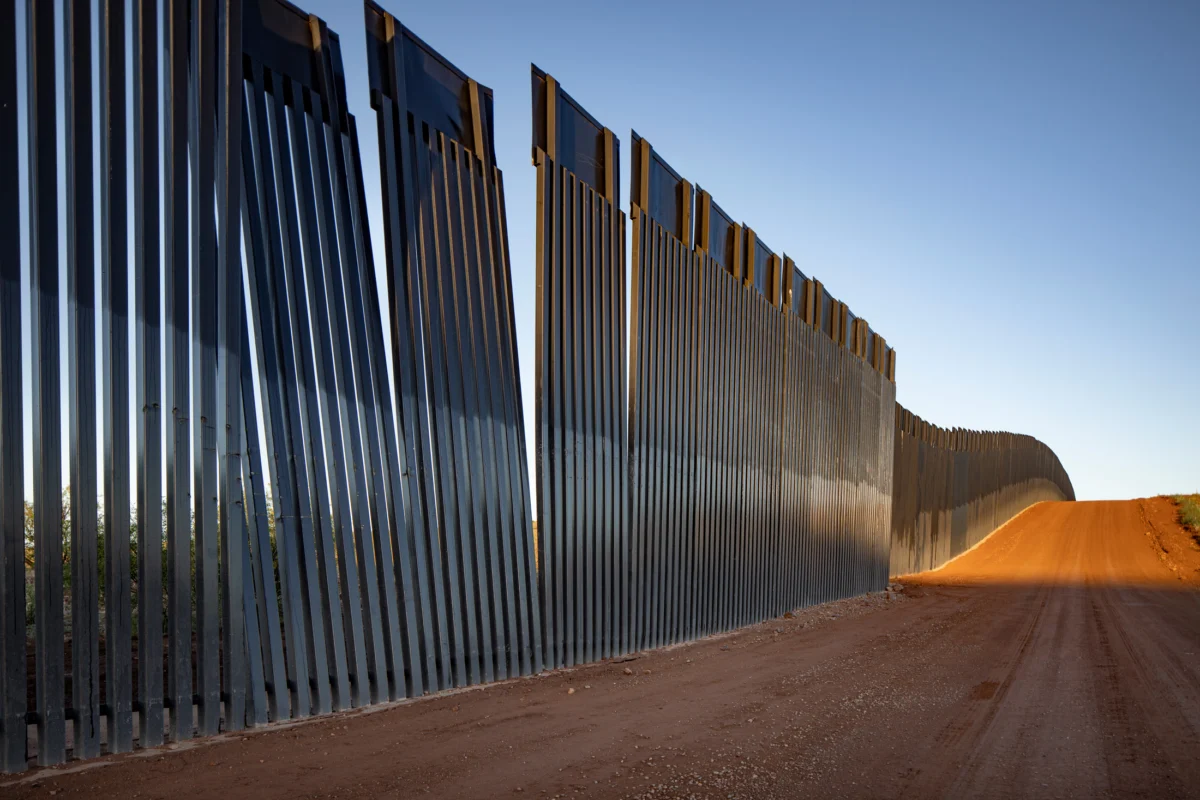
A newly constructed section of the formidable border wall in southern Arizona’s remote San Rafael Valley recently displayed severe damage, raising serious concerns about the structural integrity of the controversial barrier and the opaque processes governing its construction. Documentary photographer Mikal Jakubal first captured images of the compromised segment this spring, revealing a cracked concrete base and at least four massive metal planks bent at alarming angles, creating visible gaps within the imposing structure. Jakubal, initially speculating the damage might have resulted from heavy equipment, posted his observations on social media, questioning how individual panels, each estimated to weigh up to 8,000 pounds, could become so mangled. The damage persisted for weeks, marked only by a small orange construction cone by early July, until inquiries from the press prompted U.S. Customs and Border Protection (CBP) to confirm repairs had been made, although details remained scarce.
Despite the repair, the incident has reignited a long-standing debate over the quality, cost, and accountability of border wall projects, which have collectively absorbed billions in taxpayer funds. John Mennell, a spokesperson for CBP, refrained from providing specifics regarding the cause of the damage or whether any accidents occurred during the barrier’s initial construction. Instead, the agency directed inquiries to Fisher Sand & Gravel, the North Dakota-based firm that secured a substantial $309 million contract to erect 27 miles of the border wall, including the segment in Arizona’s School Canyon. Repeated attempts to contact the company and its representatives for comment remained unanswered, further deepening the shroud of mystery surrounding the incident. This lack of transparency, critics argue, is not an isolated occurrence but rather a troubling symptom of a systemic issue pervasive across border infrastructure projects.
The expedited and often secretive nature of border wall construction stems largely from Section 102 of the 1996 Illegal Immigration Reform and Immigrant Responsibility Act (IIRIRA). This powerful statute grants the Secretary of the Department of Homeland Security (DHS) sweeping authority to waive dozens of federal laws, including critical environmental protections and land management regulations, to hasten the construction of border barriers. While the original intent was to provide flexibility in urgent security situations, its extensive use by multiple administrations, particularly under former President Donald Trump, has drawn fierce condemnation from environmental groups, indigenous communities, and civil liberties advocates. They contend that this broad waiver authority has fostered an environment where oversight is minimal, leading to shoddy construction, ecological devastation, and a profound lack of accountability. Laiken Jordahl, a national public-lands advocate with the Center for Biological Diversity, succinctly states that this legal framework "has created an environment where construction is shoddy by default."

The Trump administration aggressively utilized this waiver power after declaring a national emergency at the border. Then-DHS Secretary Kristi Noem invoked the statute to "ensure the expeditious construction of the barriers and roads," explicitly clearing the path for contractors like Fisher Sand & Gravel to undertake projects through controversial no-bid processes. Crucially, Noem also waived the National Environmental Policy Act (NEPA), a bedrock law requiring federal agencies to assess the environmental impact of their actions and consider alternatives. Bypassing NEPA meant that the ecological consequences, potential impacts on local communities, and the destruction of sensitive habitats along the U.S.-Mexico border were largely ignored in the race to build the wall. These waivers have become a central point of a continuing lawsuit challenging the legality and transparency of how multi-billion-dollar border wall contracts were awarded.
Fisher Sand & Gravel, founded by Gene Fisher in 1952, experienced a dramatic surge in government contracts during the Trump years, reportedly accumulating billions from border wall projects alone. However, the firm’s rapid expansion and lucrative contracts have been consistently shadowed by controversy. A particularly salient example emerged in 2020 when the company, utilizing private funds, constructed a three-mile segment of the wall in Texas. This privately financed barrier was erected perilously close to the Rio Grande, prompting warnings that it was structurally vulnerable. Only months after its completion, Hurricane Hanna struck the region, and floodwaters carved significant holes underneath the wall’s base, compromising its foundation. Just a few years later, parts of this privately built section began to visibly warp, underscoring the engineering and design deficiencies that critics had warned against.
The San Rafael Valley incident is far from an isolated case in the sprawling history of border barrier construction. Across the U.S.-Mexico border, numerous sections bear testament to design flaws, poor workmanship, and environmental disregard. A government report, for instance, documented that an "entire mountainside is in danger of collapse" in the Pajarito Mountains. This perilous situation arose after Southwest Valley Constructors, another prominent contractor, cleared vital vegetation that had previously stabilized the slopes, leaving the terrain susceptible to severe erosion. Furthermore, other contractors have seen their sections of the border wall succumb to natural forces. In both California and New Mexico, strong winds have caused newly installed panels to nearly collapse. CBP, in response to a 2020 incident in New Mexico, stated that those specific panels fell because they were "pending additional anchoring," an admission that implied incomplete or inadequate installation at the time. These recurring failures highlight fundamental problems in the planning, engineering, and execution of these large-scale infrastructure projects.
Beyond the structural integrity, the fundamental effectiveness of the border wall as a deterrent remains a subject of intense debate. Critics like Laiken Jordahl contend that the wall functions primarily as "political theater" rather than an actual impediment to cross-border movement. In a 2023 video, Jordahl demonstrated how easily smugglers could use common tools, such as angle grinders, to cut through the formidable steel bollards in a section near Organ Pipe National Monument, noting that repair crews had already welded the same areas multiple times. This continuous cycle of damage and repair underscores the immense resources poured into maintaining a barrier that determined individuals and sophisticated smuggling operations frequently circumvent.

The environmental costs of the wall are equally staggering and long-lasting. Construction has irrevocably damaged fragile desert wildernesses, fragmented critical habitats, and severed ancient migration routes for endangered wildlife, including jaguars, ocelots, and Sonoran pronghorn. The extensive use of groundwater for construction in arid regions has also depleted vital aquifers, impacting local ecosystems and communities. From a humanitarian perspective, the wall often pushes migrants into more dangerous and remote areas, increasing risks of injury, dehydration, and death. Billions of dollars have been spent on a project whose tangible benefits are fiercely contested, while its environmental and human toll is undeniable.
The bent panels in Arizona’s San Rafael Valley serve as a stark, physical reminder of the multifaceted challenges and controversies embedded within the U.S. border wall initiative. They symbolize not only the immediate questions of construction quality and contractor accountability but also the broader implications of policies that prioritize speed and political optics over environmental stewardship, transparent governance, and a nuanced understanding of border dynamics. As the debate over border security continues, the physical and financial cracks in the wall itself represent a larger fissure in public trust and effective policy implementation.