Joko Susilo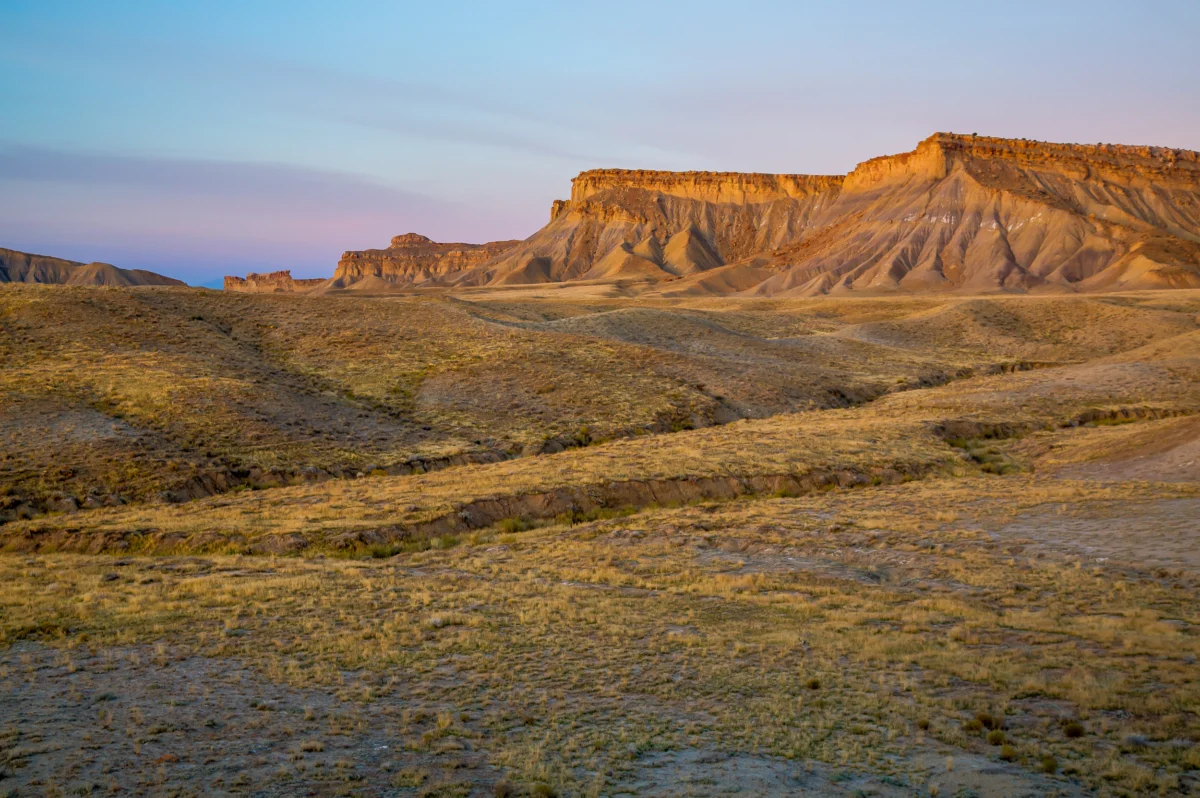
In March 2025, whispers through online forums erupted into a significant controversy as news emerged that the Utah Legislature had quietly authorized a potential doubling of non-resident hunting permit prices. This unexpected move threatened to position Utah as one of the most expensive states for big game hunting, exacerbating a growing frustration among hunters who perceive their sport shifting from a democratic, working-class pursuit to a luxury accessible only to the wealthy. The abruptness of the fee hike caught many by surprise, diverging sharply from the Utah Department of Wildlife Resources’ (DWR) established protocols, which typically involve extensive public meetings across the state to discuss such changes. This time, the Republican-dominated Legislature embedded the amendments deep within a comprehensive agency-funding bill, a tactic that bypassed customary public scrutiny. While hunting fees are a cornerstone of the much-touted North American Model of Wildlife Conservation, vital for funding habitat preservation and wildlife management, key hunter-backed conservation groups remained conspicuously silent, and the DWR itself issued no public statement until after Governor Spencer Cox signed the bill into law, solidifying the changes.
The clandestine legislative maneuver, however, served a deeper, more strategic purpose. Behind the scenes, State Representative Casey Snider, a Republican from Paradise, was orchestrating a complex plan with high-ranking wildlife agency officials, including Joel Ferry, the Director of the Department of Natural Resources and a former legislator. Their objective was to secure tens of thousands of prime, game-rich acres from the Utah Trust Lands Administration (TLA), formerly known as the School and Institutional Trust Lands Administration (SITLA). This initiative represented the culmination of Snider’s multi-year efforts to safeguard some of Utah’s most pristine hunting grounds from the relentless pressures of development or outright sale, preserving what he views as a critical public inheritance.
To achieve this ambitious goal, Snider and his allies deliberately minimized public awareness of their activities. The lands in question were under the stewardship of the TLA, an agency with a unique mandate distinct from federal public lands: it must maximize the economic potential of its holdings to generate revenue for the state’s public education system. Historically, TLA lands have permitted public hunting access, but this activity generates negligible income compared to other potential uses. Unlike the vast expanse of federal public lands, which are managed for multiple uses including recreation and conservation, state trust lands operate under a fiduciary duty to school children, often necessitating sales to the highest bidder, whether that be real estate developers, oil and gas companies, or mineral extractors. The state Legislature has rarely allocated sufficient funds to enable wildlife officials to compete effectively in such bidding wars. Snider and his confederates, however, had a particular buyer they sought to preempt: the Ute Indian Tribe.
The historical context of these land disputes is deeply rooted in federal Indian policy and the complex legacy of colonialism. The Uintah and Ouray Reservation, once spanning 4 million acres in northwest Utah, was drastically reduced and fragmented by the imposition of "allotment" policies in the late 19th century. This federal requirement forced the sale of tribal lands to individual settlers, leaving the reservation a checkerboard of ownership. Further compounding this historical injustice, President Theodore Roosevelt in 1905 commandeered over a million acres of this tribal territory to establish what became Ashley National Forest. Subsequently, Utah absorbed some of this dispossessed land, enrolling it as state trust land. Today, the TLA controls approximately half a million acres within the reservation’s boundaries, compelling tribal members to pay substantial annual fees for grazing permits on their ancestral lands.

The Ute Tribe, asserting its inherent sovereignty and ancestral claims, has long sought to reclaim these lands. They have attempted to purchase trust lands at auction in the past and are currently engaged in litigation against the Department of Interior for the return of 1.5 million acres. Upon discovering the clandestine nature of Utah’s recent land deals, the Ute Tribe re-filed a long-standing lawsuit in November, leveling grave accusations against Utah officials of fraudulently manipulating trust-land sales with "racial animus" to deliberately obstruct the tribe’s legitimate bids. Despite repeated requests, the Ute Tribe, through its lawyer Linda Cooper, declined to comment on the ongoing legal proceedings.
Just last month, the TLA’s board of trustees authorized a no-bid sale of the highly coveted 50,000-acre roadless portion of the Book Cliffs to the DWR. This direct transfer proceeded despite the Ute Tribe’s active legal challenge to the very legislation that authorized such a sale. While the DWR’s stated intention is to conserve this pristine area for wildlife, preventing its exploitation for oil and gas, the TLA shrewdly retained the subsurface mineral rights, underscoring the enduring tension between conservation and economic imperatives. The wildlife agency has also signaled its intent to acquire additional parcels in the near future, indicating a broader strategy for public land consolidation.
Representative Casey Snider, 40, has been a vocal proponent of a "hunter-first" agenda since his entry into the Utah Legislature in 2019. His legislative track record includes spearheading the campaign to enshrine a state constitutional right to hunt and fish the following year. More recently, he authored a controversial law requiring individuals to purchase a state hunting or fishing license for recreation on Wildlife Management Areas, a measure that drew widespread backlash and necessitated a revision after game wardens threatened to issue citations to unsuspecting birders and trail runners. In a state where the dominant Republican Party often expresses antagonism towards federal public-land ownership – a policy critics interpret as a precursor to privatization – Snider uniquely positions himself as a champion of public land as a "democratic inheritance." He views this as essential for sustaining hunting traditions, preserving critical habitat for dwindling big game populations, and ensuring accessible spaces for hunters amidst increasing crowding and limited opportunities. "Opportunities are more and more limited," Snider remarked in an interview last year. "It’s more and more crowded. I just think we should prioritize hunting and fishing whenever we can."
The existence of state trust lands presents a formidable challenge for public-land advocates like Snider. For over a century, wildlife officials have worked to maintain hunting access to these lands, many of which are among the state’s most ecologically valuable, enjoyed by backpackers, horsepackers, and backcountry anglers alike. However, the TLA’s primary obligation to fund Utah’s public schools means it is legally bound to pursue the highest economic return, whether through leasing mineral rights for resource extraction or selling surface rights to private entities. This inherent conflict often pits conservation against the trust’s fiduciary duty. Nevertheless, with public-land hunters representing a significant political constituency in Utah, the TLA also faces considerable pressure to preserve existing recreational access.
The agency experienced the full force of public and tribal indignation in 2018 when it attempted to sell a parcel encompassing Tabby Mountain, a revered public hunting area in northeastern Utah. Initially, the TLA anticipated a straightforward transfer, with the DWR expected to acquire the block as the sole interested buyer, given its minimal revenue generation for the trust. However, Tabby Mountain, named for the late Ute Chief Tabby-To-Kwanah, lies squarely within the historic boundaries of the Uintah and Ouray Indian Reservation. In a dramatic turn, the Ute Tribe decisively outbid the wildlife agency, poised to reacquire a sacred ancestral hunting ground. This outcome would have been a significant setback for wildlife officials who had sought to disguise what they envisioned as a frictionless inter-agency land transfer as a legitimate public auction. Crucially, the Ute Tribe does not permit non-tribal members to hunt on its sovereign lands.

A mere week after the auction, the TLA’s board voted to suspend the sale of Tabby Mountain. This action ignited a new legal battle, with the Ute Tribe suing Utah officials in federal court in 2022, alleging discrimination, fraud, and a breach of trust obligations to school children. These accusations were bolstered by a whistleblower’s testimony alleging deliberate obstruction of the sale to prevent Tabby Mountain from reverting to Ute control. Shaun Chapoose, then-chairman of the Ute Indian Tribe Business Committee, articulated the tribe’s profound frustration, stating, "It’s bad enough that the tribe has to spend millions of dollars just to buy back its own land. But what really grates is the deceit and treachery with which the state has acted in order to block the sale from going through to the tribe, as the highest bidder."
Even as a junior legislator during the Tabby Mountain controversy, Snider recognized the critical importance of preserving hunter access to trust lands, making it one of his signature issues. When the TLA later offered another coveted hunting ground, Cinnamon Creek, for sale, Snider spearheaded a frantic legislative effort to secure funding for the DWR to acquire it. Buoyed by sympathetic media coverage and financial contributions from prominent conservation organizations and the U.S. Fish and Wildlife Service, the DWR successfully placed a winning bid. However, this experience starkly highlighted systemic issues: wildlife officials lacked a dedicated land-buying budget, and Utah’s legislative session, limited to just 45 days annually, made rapid funding acquisition nearly impossible.
In subsequent legislative sessions, Snider worked to rectify these shortcomings. He established a modest land-buying fund for the DWR and, in 2024, championed a bill that permitted the TLA to sell parcels larger than 5,000 acres directly to the DWR at fair market value. This legislation drew sharp criticism from the Ute Tribe Business Committee, which perceived it as a transparent attempt to circumvent their ability to reclaim ancestral lands now held by the state. At the time, Snider downplayed these concerns, noting that the law, which passed that year, explicitly exempted Tabby Mountain. Yet, Snider’s long-standing interest in another expansive trust land block bordering Ute territory—the Book Cliffs Roadless Area—remained a significant, unstated motivation.
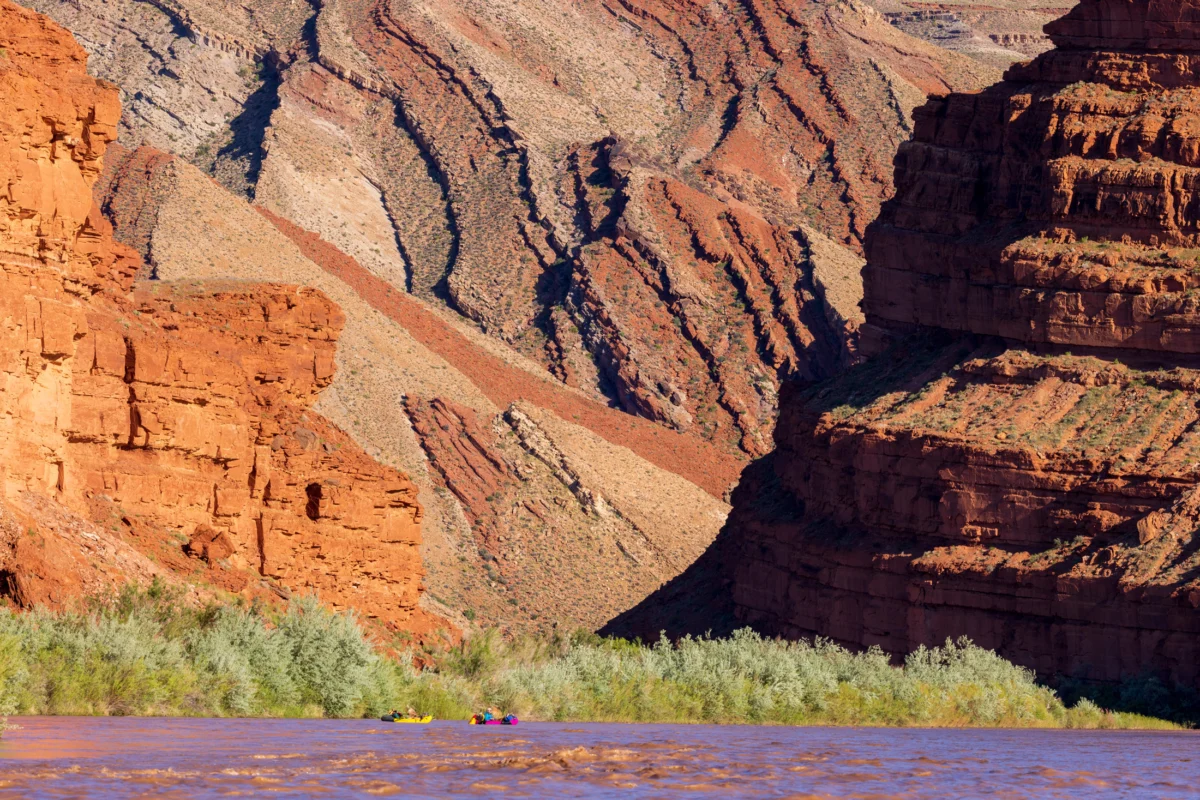
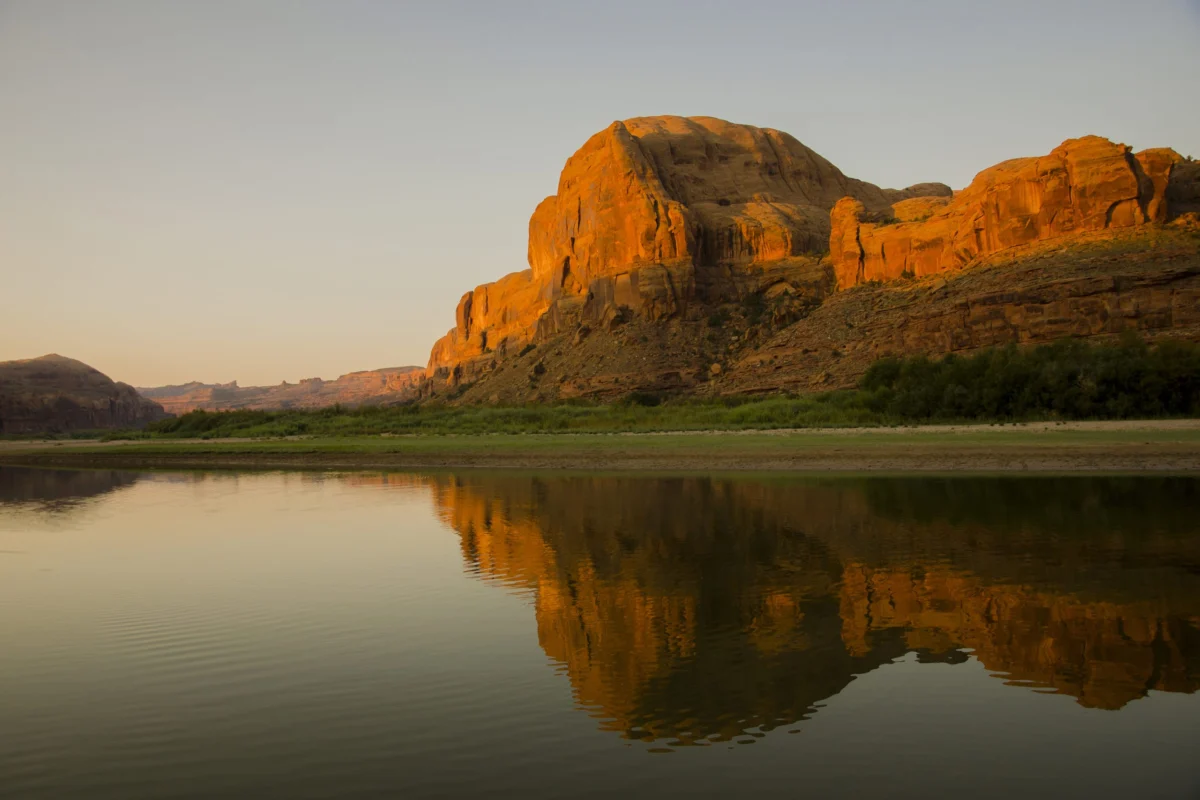
The Book Cliffs Roadless Area, a roughly 50,000-acre expanse of rugged mountain country in Utah’s northeastern corner, remains largely untouched by industrial activity, save for a few grazing permits. It is home to one of the country’s rare herds of wild, unfenced buffalo, alongside substantial populations of elk and mule deer, and a pristine native trout fishery. Crucially, it also contains significant oil reserves. In 2013, the TLA board voted to lease the Book Cliffs Roadless Area for petroleum development. This prospect ignited a fierce backlash from hunters and anglers, prompting then-Governor Gary Herbert to intervene and suspend the lease. Snider, then serving as the state coordinator for Trout Unlimited, was a prominent voice among the opposition, cementing his commitment to preserving the area. By the commencement of the 2025 legislative session, Snider had formulated a strategy to acquire the land; he only needed the necessary funding.
Snider procured the funds for the Book Cliffs and several other TLA parcels through two discreet legislative maneuvers. First, he granted the DWR the authority to double the cost of non-resident hunting permits. While permit fee adjustments are not uncommon, Snider’s approach was. Typically, such proposals originate from the wildlife agency itself, undergoing a lengthy and publicly transparent process involving Regional Advisory Committee meetings where stakeholders can offer input over several months. Major fee increases often attract media attention from hunting and fishing publications, fostering broader public debate. Instead, Snider inserted a clause into the agency’s appropriations budget, granting the DWR discretionary authority to raise non-resident hunting fees by up to double their existing cost. The agency maintained silence regarding these fee hikes until they were legally enacted, subsequently increasing out-of-state fees by approximately 40% across the board. (The DWR later clarified in an email that its silence stemmed from a policy of not commenting on pending legislation.)

Overnight, Utah’s non-resident permits transitioned from being among the most affordable in the West to some of the most expensive. Only Wyoming, with its "special draw" system offering deep-pocketed applicants an increased chance at scarce tags, might command higher prices for premium mule deer ($1,079), elk ($1,950), and bighorn sheep ($3,998) permits. DWR Director Riley Peck defended the price increases in a press release, asserting they aligned with "relevant market values of neighboring states"—a statement that sidestepped the fundamental principle of the North American Model of Wildlife Conservation, which was designed to eliminate market pressures on wildlife resources.
Targeting out-of-state hunters, who lack voting power in Utah, is often politically expedient. However, Snider navigated even more carefully when securing funds for the Book Cliffs directly. Again, he relied on the appropriations process rather than introducing standalone legislation. This time, he requested a substantial one-time payment of $50 million for the DWR to acquire unspecified tracts of state trust land specifically to preserve hunting access. These funds ultimately originated from the state’s education budget. The measure received minimal discussion when Utah Fiscal Analyst Jonathan Ball presented it to the Executive Appropriations Committee at a February 28 meeting last year. Senator Kathleen Riebe, a Salt Lake City Democrat, was the sole committee member to oppose it, having only learned of the land purchases that very day. Her inquiries to environmental groups yielded no further information, as they, too, were unaware of the proposal. "There was no process or transparency for how we got here," Sen. Riebe lamented. "If it’s a good thing, why don’t we champion it more?"
In interviews conducted last year, Snider repeatedly denied that his legislative tactics were specifically aimed at purchasing trust land in the Book Cliffs or any other particular location. "It’s not targeted for any particular acquisition," Snider stated. "There’s conversations, but there’s no parcel or anything… (the Trust Lands Administration) is not the target for this. It could be anything—any target that’s critical for public-land hunting and fishing. I don’t ever want to be in that scramble again, like we were on Cinnamon (Creek)." However, records obtained through state freedom of information laws conclusively demonstrate a clear, predetermined intent. In a group text dated January 30, 2025, that included DWR Director Peck, Snider explicitly wrote, "How much do I need ongoing to buy the book cliffs (sic) and everything else." He added, "I’m going to grab it," after noting that the hunting fee increases would generate $19.4 million. Furthermore, records reveal that wildlife agency officials, under the direction of Department of Natural Resources Director Joel Ferry (the DWR’s parent agency), gathered appraisal values for 86,810 acres of trust land in three other areas—North La Sal, South La Sal, and Sand Ledges—prior to last year’s legislative session. The exact appraisal amounts were redacted. DWR Deputy Director Mike Canning, in an email to Director Ferry dated November 19, 2024, outlined the strategy: "So, the bottom line is that we may be able to get all five properties for (redacted)… If we need to prioritize, I would love to be able to acquire the Book Cliffs Roadless, Tabby Mountain, and La Sal North for somewhere around (redacted). If we’re down to just the best of the best, the Book Cliffs and Tabby would likely be around (redacted)." Shortly after the legislative session concluded, the DWR publicly acknowledged its interest in acquiring the Book Cliffs Roadless Area, citing its immense value for wildlife habitat, recreation, hunting, and camping. Canning defended the agency’s actions, asserting, "We would like to have that land under our protection so it’s not getting locked up or sold off. This is actually the opposite of most of the criticisms we hear of Utah and management. This is about bringing more land into public protection."
In November 2025, the Ute Tribe re-filed its Tabby Mountain lawsuit against the state of Utah, expanding the list of defendants to include Snider and his former colleague Ferry. The updated complaint specifically accuses them of illegally colluding to prevent the tribe from bidding on the Book Cliffs Mountains Roadless Area, linking the historical grievances of Tabby Mountain to these more recent maneuvers.
In May, the TLA’s board of trustees convened to consider the inaugural land deal under Snider’s new legislation, which authorized direct sales to the Department of Natural Resources. On paper, the transfer of the Book Cliffs Roadless Area’s surface rights to the DWR appeared advantageous. Two independent appraisals valued the land at approximately $30 million, a stark contrast to the meager $125,000 it generated annually from grazing and limited hunter access fees. While the Book Cliffs are known to hold oil, a cost-effective extraction method has yet to be developed. Crucially, the TLA retained all subsurface mineral rights, ensuring that if future technological advancements make extraction viable, the trust would still benefit financially.

However, the financial mechanics of the deal involved what critics describe as "fuzzy math." The $50 million allocated by Snider and his legislative allies for the DWR’s land purchases originated from the state’s "rainy day" fund, designated for education. Given the TLA’s mandate to generate revenue for public schools, the $30 million received from the Book Cliffs sale effectively redirected state funds that would have otherwise supported education. Despite these concerns, the trustees approved the sale by a 5-to-1 vote on June 16.
The Book Cliffs sale is highly likely to face further legal challenges, fueled by the contentious nature of Snider’s legislative actions. The Ute Tribe’s ongoing lawsuit against Utah officials for allegedly attempting to block their bids on the Book Cliffs represents a significant hurdle. Furthermore, Advocates for School Trust Lands, a national nonprofit, has expressed concern that Snider’s legislation permitting direct, non-auction sales of trust lands to the DWR for conservation purposes may violate long-standing federal law. This concern arises from the potential for such direct sales to artificially suppress land prices, thereby undermining the trust’s fiduciary duty to maximize returns for public schools. Should a cost-effective method for oil extraction in the Book Cliffs Roadless Area ever emerge, the TLA and the DWR may once again find their fundamental missions—generating school funds and protecting natural resources, respectively—in direct conflict. "Anything that opens yourself up to a lawsuit is not really prudent as a trustee," stated Tonia Day, CEO of Advocates for School Trust Lands.
For the immediate future, the DWR intends to continue acquiring trust lands. The TLA is currently reviewing the sale of several other blocks, including those identified by the wildlife agency prior to last year’s legislative session. The DWR still commands approximately $20 million from last year’s appropriation for further land purchases. Meanwhile, the elevated prices for non-resident hunting permits have established a stable, dedicated revenue stream for future acquisitions. While the number of non-resident big game tag applications saw a slight dip in 2025 following the price increases, applicants still significantly outnumber available permits, ensuring continued robust demand. Out-of-state hunters contributed an estimated $7 million to the state’s land-buying fund last year, according to the DWR. Wildlife officials retain the authority to further increase these permit fees by another 45% before reaching the legislative ceiling imposed last year.
Throughout his years of meticulously charting a legislative course to acquire the Book Cliffs, Snider consistently emphasized his commitment to land conservation, largely sidestepping the long-simmering tensions with the Ute Tribe. He generally avoided acknowledging that he and his legislative allies deliberately sought to prevent the tribe from bidding on these trust lands. With the Book Cliffs deal now finalized, however, Snider speaks more candidly. "These large blocks should be open to every member of the public, tribal or non-tribal," Snider declared shortly after the Book Cliffs sale. He added, "Tabby Mountain should be open to tribal members and non-tribal members. Go ask the public if they want to see lands they’ve been publicly recreating on privatized or locked up. I don’t think they do." His words underscore the deeply entrenched and often conflicting perspectives on land ownership, public access, conservation, and indigenous sovereignty that continue to define the American West.