Rocky Gerung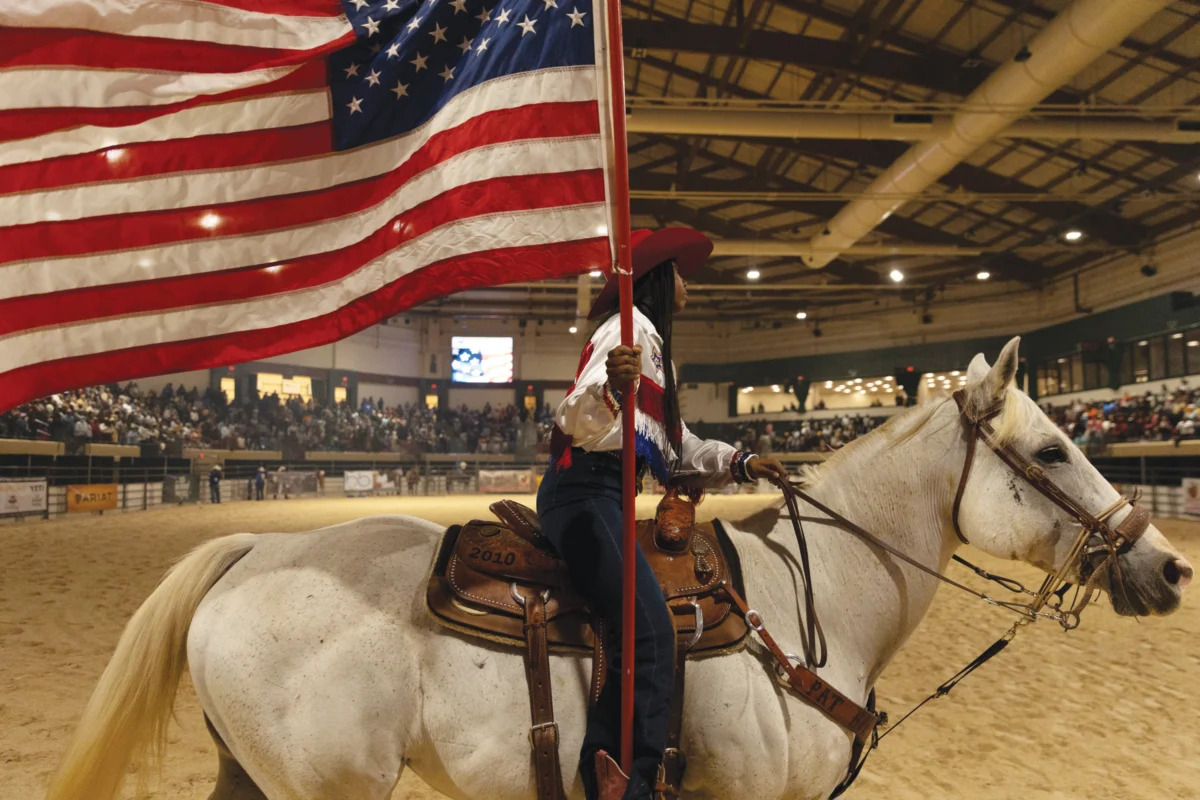
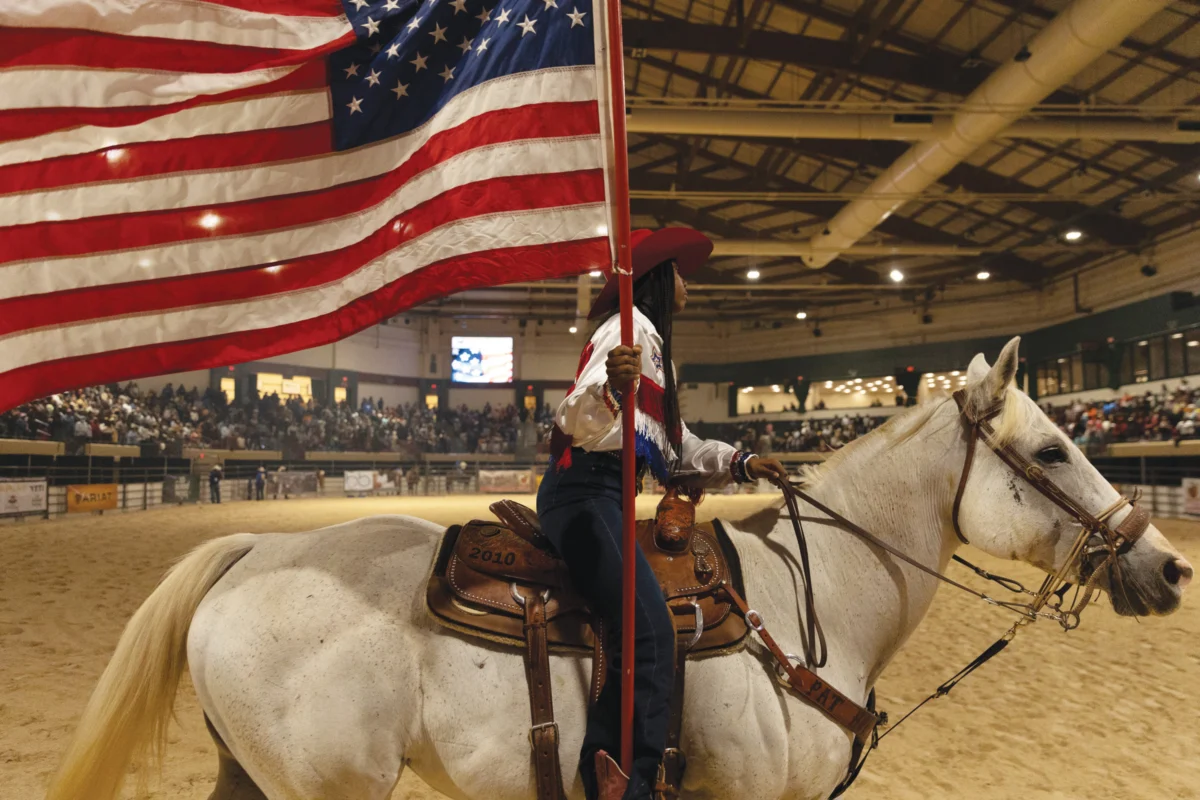
The powerful three-part docuseries High Horse: The Black Cowboy resonates deeply, offering a vital correction to the often-airbrushed narrative of the American West. This compelling series, executive produced by Jordan Peele’s Monkeypaw Productions and directed by independent filmmaker Jason Perez, masterfully weaves together rare archival footage and photographs with contemporary scenes of Black cowboy life. It meticulously traces the indelible presence of Black hands on the reins throughout Western history, from the skilled labor of formerly enslaved individuals who managed horses and cattle, to the dominance of Black jockeys in early racing, and through to today’s accomplished riders, ranchers, and entrepreneurs. The fundamental issue, as High Horse powerfully illustrates, is not the addition of Black cowboys to the Western story, but rather society’s persistent surprise at their enduring presence.
The series understands that the aesthetic of the cowboy is widely celebrated, often eclipsing the profound physical reality and demanding craft inherent in horsemanship. High Horse deliberately lingers on the rider’s posture, their hand movements, and the sheer hours of dedication required to master the discipline. For anyone familiar with riding, these elements are instantly recognizable. Horses, in their innate wisdom, do not respond to stories or pretense; they are attuned to consistency, fairness, and genuine connection, a truth that a thousand-pound animal will readily reveal. This direct honesty is the bedrock of the human-equine relationship and a core theme explored within the documentary.
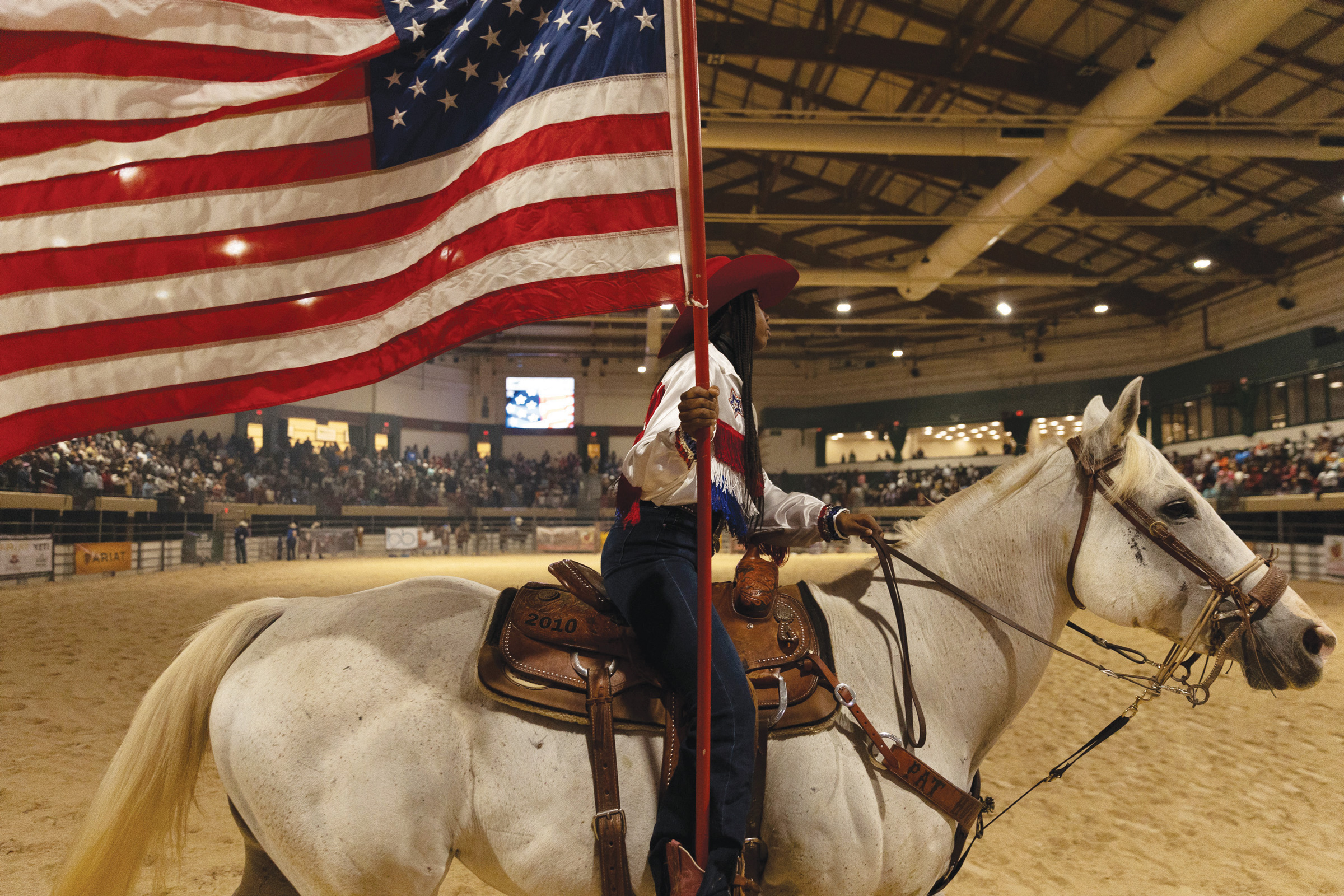
Through stunning cinematography, the camera often captures Black riders, poised and steady, surveying vast open landscapes or navigating urban environments shaped by the same complex history. These seemingly simple images carry immense weight, particularly for Black Americans, for whom land represents far more than just scenery. It signifies inheritance and loss, the echoes of broken promises, and the fundamental difference between being a transient visitor and a dedicated steward. This profound connection to land is deeply personal, serving as the inspiration behind the author’s own journey to establish Outdoor Afro in 2009. Initially a blog and a tribute to a father who was a rancher and land manager, Outdoor Afro has evolved into a national organization dedicated to reconnecting thousands of Black families with the outdoors annually, not as a fleeting trend, but as a profound reunion with heritage and nature.
The series compellingly argues that the narrative of Black cowboys is inseparable from the story of Black land ownership and stewardship. It moves beyond the romanticized imagery of wide-open spaces to confront the practical realities of acreage, access, property rights, taxation, and the historical power dynamics that have dictated who could maintain a presence on the land. While not delving into policy minutiae, High Horse unequivocally states a truth many in the West are reluctant to acknowledge: the region’s celebrated freedom has never been equitably distributed, and the history of the West is indelibly marked by both legal and extralegal violence.
However, High Horse is far from a somber recounting of historical injustices; at its core, it is a vibrant celebration of freedom and resilience. The documentary showcases young riders honing their skills and competing, elders generously imparting generational knowledge, and families forging traditions and community around horses, much like other communities gather for church events or family reunions. In an era where Black history is too often presented solely through the lens of trauma, High Horse offers a powerful counter-narrative, highlighting excellence, artistry, humor, pride, discipline, and profound joy.

While the series offers an invaluable perspective, its three-episode structure necessarily imposes limitations. Viewers may yearn for more extensive exploration of Black women riders, a deeper examination of the day-to-day economics of horse ownership, and a more thorough acknowledgment of the intertwined histories of Black and Indigenous peoples on Western lands. Furthermore, the series occasionally leans heavily on the interpretations of well-known celebrities and scholars, whose valuable insights, while adding reach and context, sometimes risk overshadowing the voices of the Black cowboys and ranchers themselves. Their firsthand accounts of generations of working the land and their horses possess an inherent power that could stand assertively on its own, without extensive external interpretation.
Perhaps the most significant achievement of High Horse is its resolute refusal to position the Black cowboy as an anomaly or an exception. It boldly invites viewers to broaden their understanding of what it means to be "Western" by moving beyond the confines of traditional Hollywood portrayals. For anyone who cherishes the West, this re-examination of its history and its people arrives at a crucial moment.
Reflecting on the experience of watching High Horse, one is drawn back to the initial moments of meeting a new mare – the quiet observation, the patient wait, the unspoken questions exchanged between human and animal. Just as a horse responds to clarity, consistency, and gentle care, so too should we approach our collective history. To forge an honest and enduring future for the West, it is imperative to tell the complete story and to protect the foundational land upon which it rests. High Horse: The Black Cowboy is not, and should not be, the final word on the subject, but it represents a significant stride toward a more inclusive vision of the West, one where Black riders are recognized not as visitors, but as integral architects of the region’s identity and its conservation future.