Roger Danuarta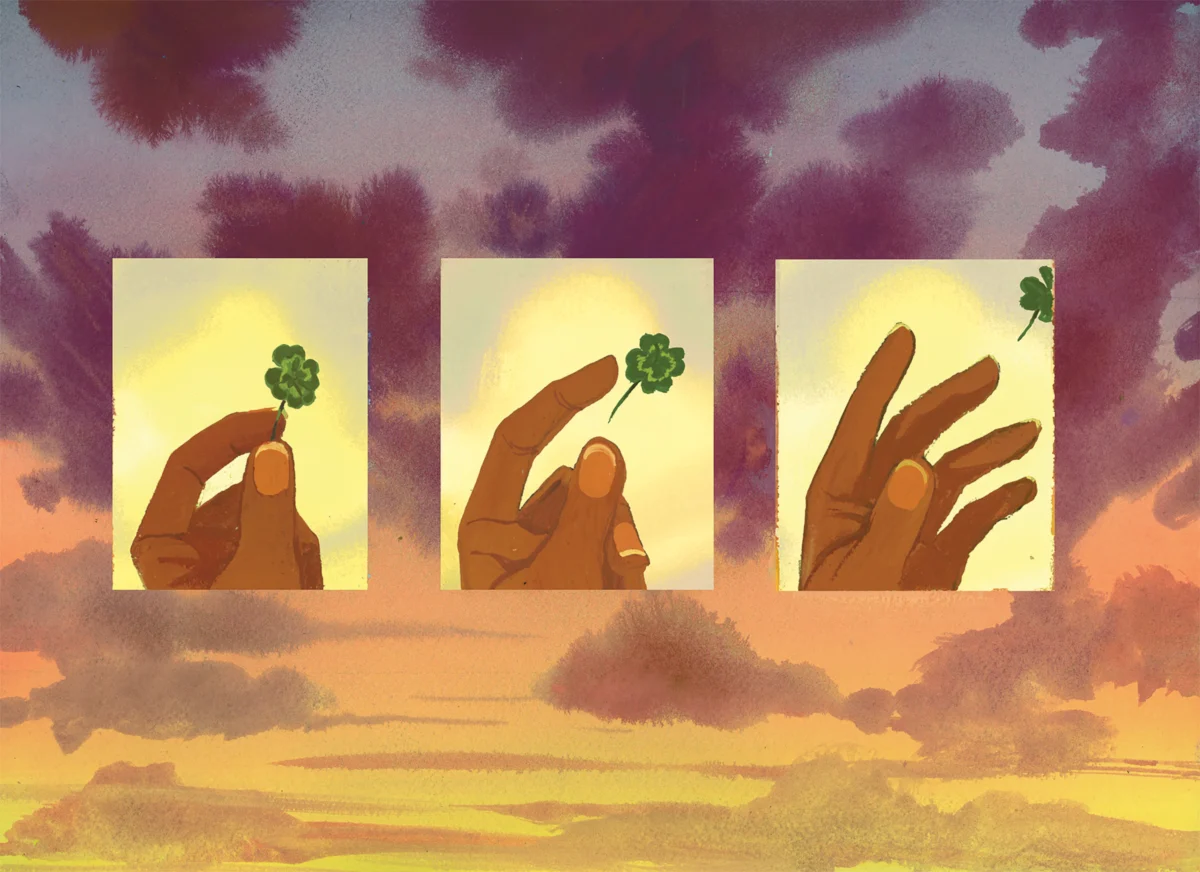
A compelling reflection on personal aptitudes reveals a common human experience: the mastery of none despite a zealous embrace of many. One individual’s candid self-assessment highlights proficiency across a diverse range of skills—from marksmanship and intricate knitting to the culinary art of crabapple jelly and the practical mechanics of a stick shift, alongside quilting, birdwatching, and crafting piecrust from scratch. Yet, this broad competency, in the observer’s own estimation, lacked profound depth or exceptional skill, characteristic of a life lived in enthusiastic pursuit of novelty rather than singular excellence. This pattern of engaging with new hobbies, embracing the initial excitement of learning, only to move on before true mastery is achieved, mirrors a contemporary societal trend where diverse interests often supersede deep specialization. In an increasingly interconnected world, the allure of exploration across various domains often overshadows the traditional pursuit of singular expertise, reflecting a broader cultural shift towards versatility and experience.
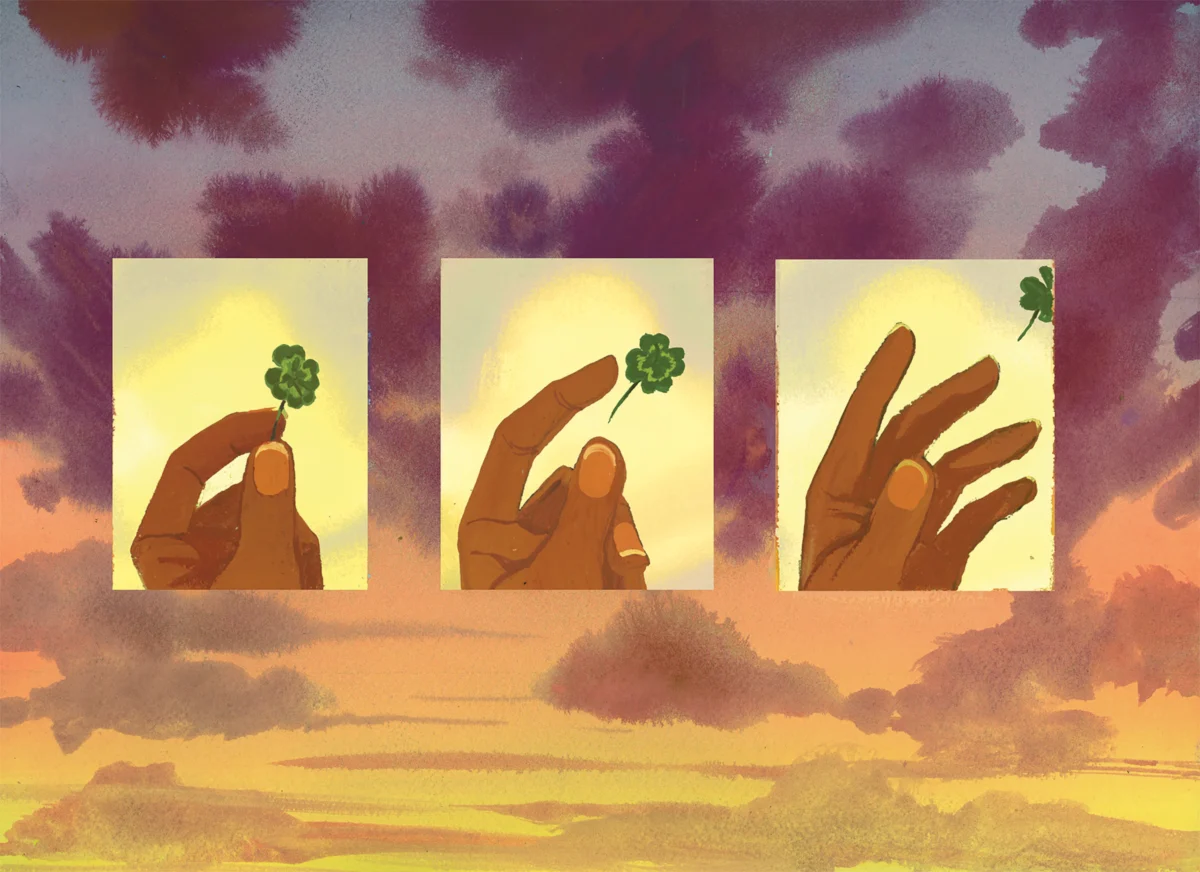
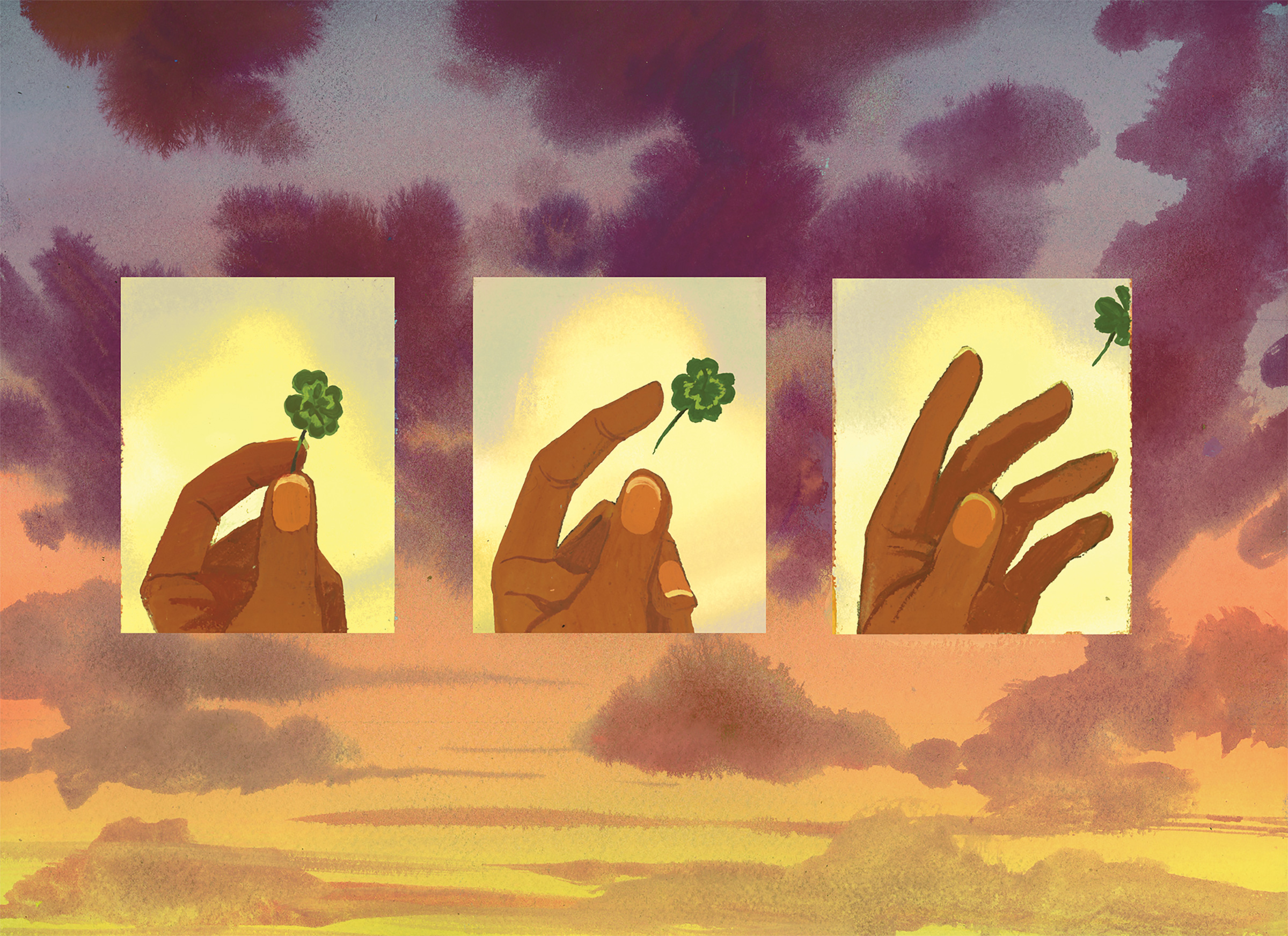
However, amidst this tapestry of transient interests, one unique ability consistently stands out: an extraordinary knack for locating four-leaf clovers. This seemingly trivial talent transcends the realm of mere observation, almost functioning as a parlor trick. With a casual glance across almost any lawn or grassy patch, the individual possesses an uncanny capacity to pinpoint these elusive botanical anomalies. This ability, often demonstrated at social gatherings, transforms a mundane patch of green into a canvas for a minor, delightful spectacle. The scientific understanding behind this phenomenon reveals that a cluster of clover is, in essence, a single interconnected organism, a subterranean network of roots supporting multiple stems. When a genetic mutation gives rise to a four-leaf clover, it is not uncommon for adjacent stems, sharing the same root system, to exhibit the identical characteristic, as if a wave of fortune has propagated beneath the soil. Consequently, unearthing a small cluster of these rare specimens is often possible, allowing for the sharing of these symbolic tokens of luck, much to the surprise and delight of friends.
Yet, this perceived "luck" in finding clovers is not truly a matter of chance; it is, at its core, an act of intentional engagement – the deliberate decision to pause, look down, and genuinely observe what lies directly in front of oneself. This act of focused attention stands in stark contrast to the prevailing habits of modern life, where attention is increasingly fragmented and directed towards digital screens. The glow of a smartphone often illuminates faces, drawing eyes and minds into a continuous scroll through shallow, transient information. This ubiquitous digital engagement raises a pertinent question about the myriad wonders, both subtle and profound, that might be overlooked when one’s primary focus is invariably elsewhere. In a world saturated with information and constant digital stimuli, the simple act of looking down and truly seeing becomes a radical form of mindfulness, a quiet rebellion against the relentless pull of the digital realm.
The profound impact of this shift in attention became acutely clear with a significant personal loss at the close of a summer: the unexpected death of Lincoln, a beloved canine companion nearing his tenth year. Despite managing an autoimmune condition with steroids, Lincoln had lived a life characterized by vibrant energy and enthusiasm, stealing a hamburger from a child’s hand just the day before his passing. A sudden onset of coughing and wheezing prompted an urgent visit to the Colorado State University Veterinary Hospital, a facility recognized nationally for its excellence. The stark reality of a pneumonia diagnosis within an hour, followed by the heartbreaking decision to euthanize him a mere twelve hours later, underscored the fragility of life and the rapid, often unforgiving, progression of critical illness. This sudden and profound loss plunged the owner into a state of disbelief and deep grief.
The late-night journey to the hospital, filled with tears, marked the beginning of an intensely emotional farewell. Cradling Lincoln’s paw on a small gurney, kissing his head as the veterinarian administered the final series of injections, the experience was a visceral immersion in loss. The lingering scent of his fur, the familiar feel of his back beneath a stroking hand, were poignant reminders of a heartbeat that had for years been a constant, comforting presence. The silence that followed, after his little heart ceased to beat, was deafening. The opportunity to sit alone with him, to mourn his physical presence until his body began to cool, was a testament to the compassionate care offered during such a difficult time. In that moment of profound sadness, clutching his collar, the overwhelming sentiment was one of profound misfortune.
However, a deeper reflection soon emerged, challenging the initial perception of bad luck. Lincoln’s arrival into their lives, facilitated by a chance encounter with an online advertisement, was itself an improbable stroke of fortune. Out of countless dogs in the world, and myriad possible circumstances, this particular canine had found his way into this specific family. This serendipitous connection, much like discovering a rare four-leaf clover, represented an extraordinary confluence of events. Yet, instead of a botanical curiosity in the grass, it manifested as a living, breathing companion, a "ball of fur" that provided years of unwavering companionship and profound affection. This re-evaluation of Lincoln’s presence began to reshape the very definition of luck, shifting it from an external, fleeting event to a sustained, living relationship.
The relationship shared with Lincoln was unique in its uncomplicated purity, a stark contrast to the intricate web of human interactions. Human relationships, by their very nature, are layered with complex histories, unspoken expectations, occasional misunderstandings, and reciprocal obligations. With Lincoln, these complexities simply did not exist. His canine nature meant a connection free from judgment, expectation, or the need for accomplishment. Regardless of daily achievements or failures, he was a steadfast presence, his unconditional love a radical, grounding force. This non-judgmental bond, often celebrated by psychologists and pet owners alike, offers a sanctuary from the often-demanding dynamics of human social structures, providing a profound sense of acceptance and belonging.
Dogs possess an innate ability to perceive the world with an acute awareness that humans, through years of societal conditioning and digital distraction, have often trained themselves to overlook. Lincoln was a master of this focused attention. His world was rich with sensory details: the nuanced scent of a distant aroma, the fleeting blur of a squirrel along a fence line, the quick dart of a rabbit across the grass, the subtle shift in sound signaling a package delivery, or the irresistible sizzle of bacon emanating from the kitchen. Dogs, by their very essence, live almost entirely in the present moment, driven by their senses and an unwavering attention to their immediate environment. Through shared walks, this observer began to consciously "borrow" some of Lincoln’s acute attentiveness, initiating a profound shift in personal perception.
This borrowed attention became a transformative gift. Lincoln’s way of being in the world cultivated a daily ritual of observation, teaching his human companion to engage with the environment in an entirely new way. The routine of their walks, through consistent repetition, gradually peeled back the layers of inattention, revealing a world previously unnoticed. What began as simple walks evolved into immersive explorations, fostering an intimate knowledge of the local ecosystem: the precise blooming seasons of milkvetch and fleabane, the identification of mountain mahogany and stonecrop, the preferred grazing grounds of antelope, the delicate beauty of star lilies and cinquefoil. Even a uniquely shaped rock resembling a scowling face became a familiar landmark, alongside crucial knowledge of where to avoid prickly pear and where to find a refreshing stream for a drink. This deep engagement with nature, often referred to as biophilia, demonstrates how companion animals can act as conduits to a richer, more grounded connection with the natural world, enhancing ecological literacy and personal well-being.
Finding a four-leaf clover often feels like a fleeting moment of improbable luck, an external validation of good fortune. In stark contrast, having a dog embodies a long, sustained form of luck, one that often goes unrecognized until its absence highlights the extraordinary nature of otherwise ordinary days. Luck is conventionally perceived as something unexpected and external – a fortunate happenstance like a found penny, a winning lottery ticket, or the rare clover. However, the experience of living with a dog compels a re-evaluation of this definition. It suggests that luck isn’t always something one actively "finds" but rather a persistent, quiet presence that permeates daily life, often becoming so integrated that its extraordinary quality is overlooked until it is gone. It teaches that true fortune might be lived for years before its depth is fully appreciated.
In the weeks following Lincoln’s death, moments of profound grief, such as sitting with a head resting on his empty dog bed, brought forth a poignant realization: he was the extraordinary element, an ordinary creature who had been a constant, unwavering presence. Lincoln represented a form of luck that had been inadvertently overlooked precisely because he had become an intrinsic part of the fabric of daily life. This revelation prompts a universal question: how many forms of profound fortune are we surrounded by, yet fail to recognize, simply because they have seamlessly integrated into the ordinary rhythm of existence? This redefinition of luck extends beyond pet ownership, encompassing relationships, health, environment, and countless other blessings that become invisible through familiarity.
Ultimately, Lincoln’s profound influence taught a crucial lesson: luck is not solely about encountering a rare four-leaf clover amidst a sea of common ones. Sometimes, luck manifests with four paws instead of four leaves. It is the unwavering presence that follows from room to room, waits patiently at the door, insists on outdoor excursions, and pauses to investigate a patch of sagebrush that would otherwise be entirely unnoticed. Lincoln imparted the understanding that being truly lucky does not equate to avoiding loss; rather, it means cultivating the awareness and gratitude to appreciate what one has been given, while it is still present. For years, the assumption was that care was being provided for him. Yet, in truth, he was the profound teacher, guiding a journey towards slowing down, paying genuine attention, and noticing the inherent beauty and fortune in what was right in front. This, perhaps, is the truest essence of luck: not the discovery of something rare and external, but the profound realization that one has been living within a rich tapestry of good fortune all along.