Roger Danuarta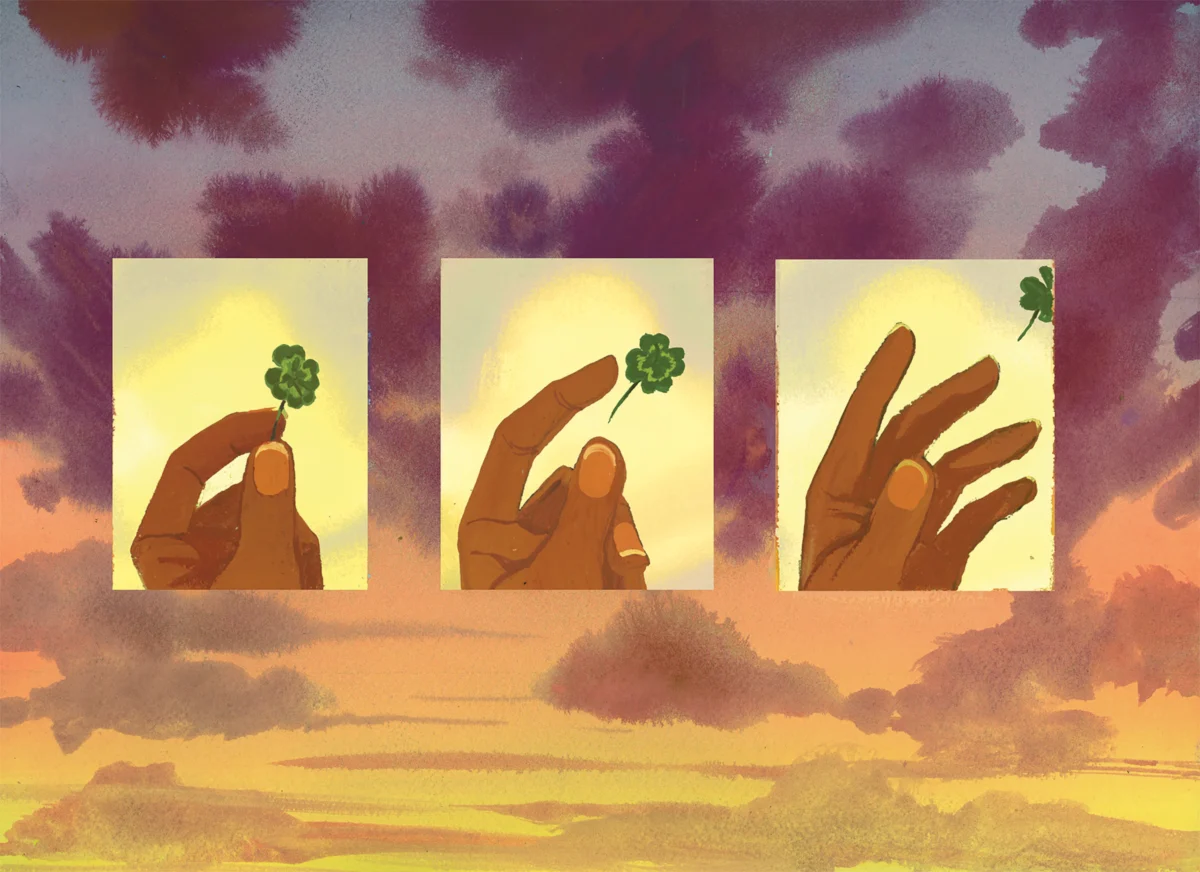
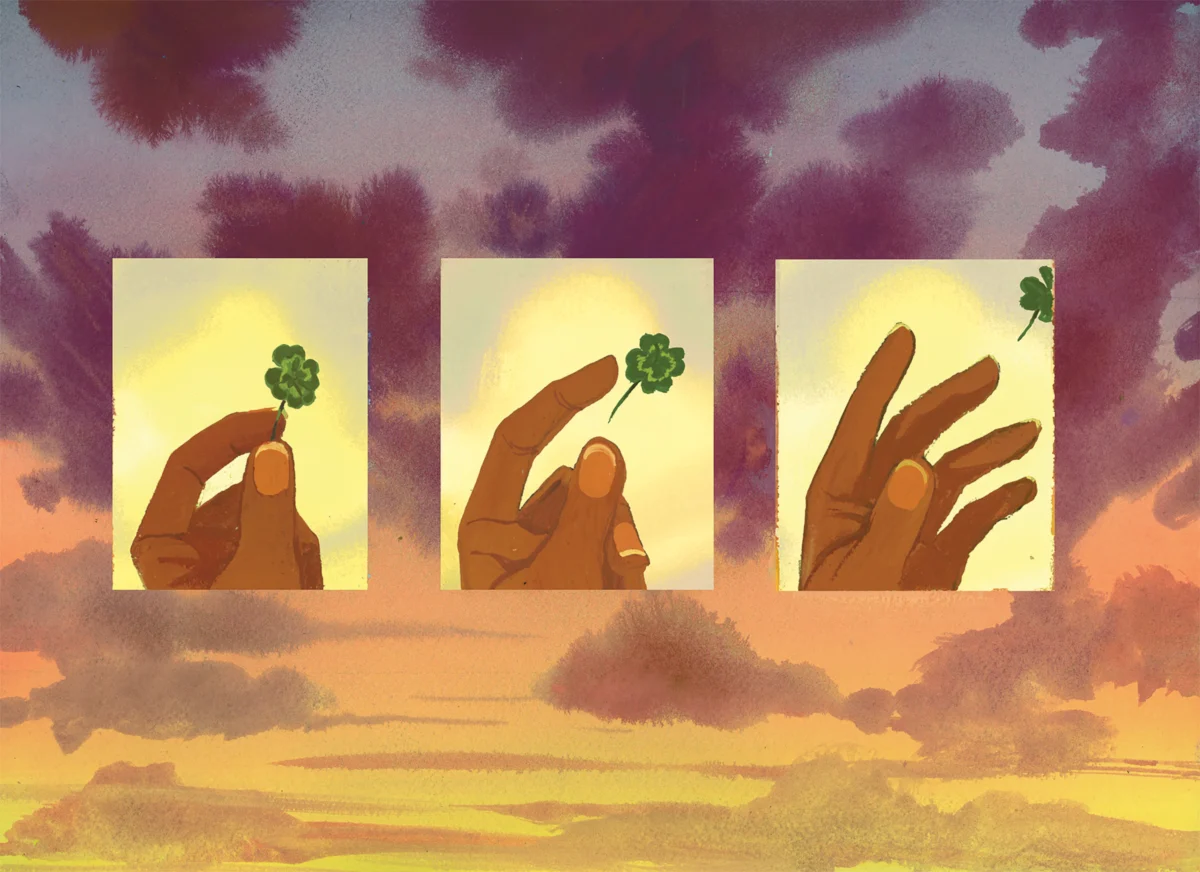
In an era increasingly defined by digital saturation and the relentless pursuit of information, the profound art of observation often recedes, leaving a void where deeper connections once thrived. While many navigate life as a "jack of all trades, master of none," embracing a multitude of shallow engagements, a singular, almost whimsical talent for discovering four-leaf clovers illuminates a universal truth: true fortune frequently lies not in serendipitous rarity, but in the deliberate act of stopping, looking, and truly seeing the world around us. This unassuming ability, akin to a party trick, involves a quiet attentiveness to the verdant expanse, a focus that reveals the subtle mutations within a patch of clover – an interconnected plant where the presence of one four-leaf specimen often signals more nearby, as if luck itself travels beneath the earth. Such an act stands in stark contrast to the modern inclination to scrutinize glowing screens, scrolling through endless streams of ephemeral data, oblivious to the tangible wonders unfolding just beneath our gaze.
The human-animal bond, a deeply woven tapestry of companionship, often serves as a powerful catalyst for this reawakening of attention. The profound experience of loss, particularly the passing of a beloved pet, frequently underscores the immeasurable value of these everyday connections, shifting our perception of what constitutes "luck." The sudden departure of a cherished companion, like Lincoln, a dog nearing ten years old, can plunge one into a disorienting daze, even when medical expertise is close at hand. Diagnosed with pneumonia at a leading institution like the Colorado State University Veterinary Hospital – a testament to the advanced state of veterinary medicine and animal welfare globally – Lincoln’s swift decline highlighted the fragility of life and the immense privilege of accessible, high-quality care for our animal family members. The raw grief of holding a paw, kissing a head, and feeling a heartbeat fade, leaves an indelible imprint, transforming the perception of what was once considered "bad luck" into a profound understanding of the extraordinary fortune that preceded it.
Lincoln’s arrival, initially a serendipitous outcome of an online advertisement, evolved into a central pillar of unconditional affection. In a world fraught with the complexities of human relationships – histories, expectations, misunderstandings, and obligations – the bond with a companion animal offers a unique sanctuary of uncomplicated devotion. A dog’s love is often perceived as radical in its purity, unburdened by societal achievements or daily accomplishments. This profound acceptance fosters an environment where an individual can simply be, finding solace and affirmation in the constant, gentle presence curled at one’s feet or nestled close. This dynamic serves as a potent reminder of the therapeutic power of pets, a phenomenon increasingly recognized in global health dialogues for its measurable benefits on mental well-being, stress reduction, and emotional resilience.

Perhaps the most enduring gift bestowed by a companion animal is the involuntary re-education of attention. Dogs, unlike humans, live almost entirely in the present moment, their senses acutely tuned to the immediate environment. A fleeting scent, the darting movement of a squirrel or rabbit, the subtle shift in light, the faint aroma of cooking bacon – these are not mere background details but focal points of their existence. This unwavering presence, this constant engagement with the world through smell, sight, and sound, becomes an unconscious lesson for their human counterparts. Through the daily ritual of walks, one begins to borrow a sliver of that primal attention, slowly shedding the layers of digital distraction and rediscovering the intricate beauty of the natural world.
This renewed perception transforms the mundane into the miraculous. What once were undifferentiated patches of green grass become canvases displaying the delicate blooms of milkvetch and fleabane. Anonymous shrubs gain identity as mountain mahogany and stonecrop. The landscape reveals its secrets: the preferred grazing grounds of antelope, the subtle beauty of star lilies and cinquefoil, the familiar contours of a rock resembling a scowling face, the strategic avoidance of prickly pear, or the comforting discovery of a small stream for a refreshing drink. This immersive observation fosters a deeper connection to local ecology, promoting environmental awareness and a sense of belonging within the broader ecosystem – a crucial aspect of global ecological literacy.
The conventional understanding of luck often frames it as an external, unexpected event – a found penny, a winning lottery ticket, or the elusive four-leaf clover. However, the sustained presence of a companion animal challenges this narrow definition, reframing luck not as a fleeting discovery, but as a continuous, enduring state of being. The "extraordinary ordinary" days, filled with quiet companionship and shared moments, often go unrecognized as profound fortune until their absence creates an aching void. It is in the aftermath of loss, sitting amidst the tangible reminders of a life once vibrant, that the true magnitude of this overlooked luck becomes glaringly apparent. How many forms of genuine fortune, deeply integrated into the fabric of our daily lives, do we dismiss as mundane simply because they have become part of our permanent landscape?
Lincoln’s legacy, therefore, extends far beyond simple companionship; it is a profound lesson in existential awareness. It teaches that luck isn’t solely a rare botanical anomaly among countless common ones. Sometimes, luck manifests with four paws instead of four leaves, a loyal presence that follows from room to room, waits patiently at the door, and insists on venturing outdoors to explore a patch of sagebrush that would otherwise be ignored. This redefinition of fortune suggests that being lucky does not equate to avoiding loss or hardship; rather, it means cultivating the capacity to truly notice and appreciate what has been given, while it is still present. For years, the dynamic felt like a human caring for a pet, but in retrospect, the reciprocal nature of the bond reveals a deeper truth: the pet was, all along, a teacher. They compelled a slowing down, an insistence on paying attention, and a recognition of the profound beauty and inherent fortune already present in one’s life. This understanding transcends individual experience, resonating globally as a call to cultivate mindfulness, cherish connections, and recognize the quiet miracles that surround us, often disguised as the ordinary.