Roger Danuarta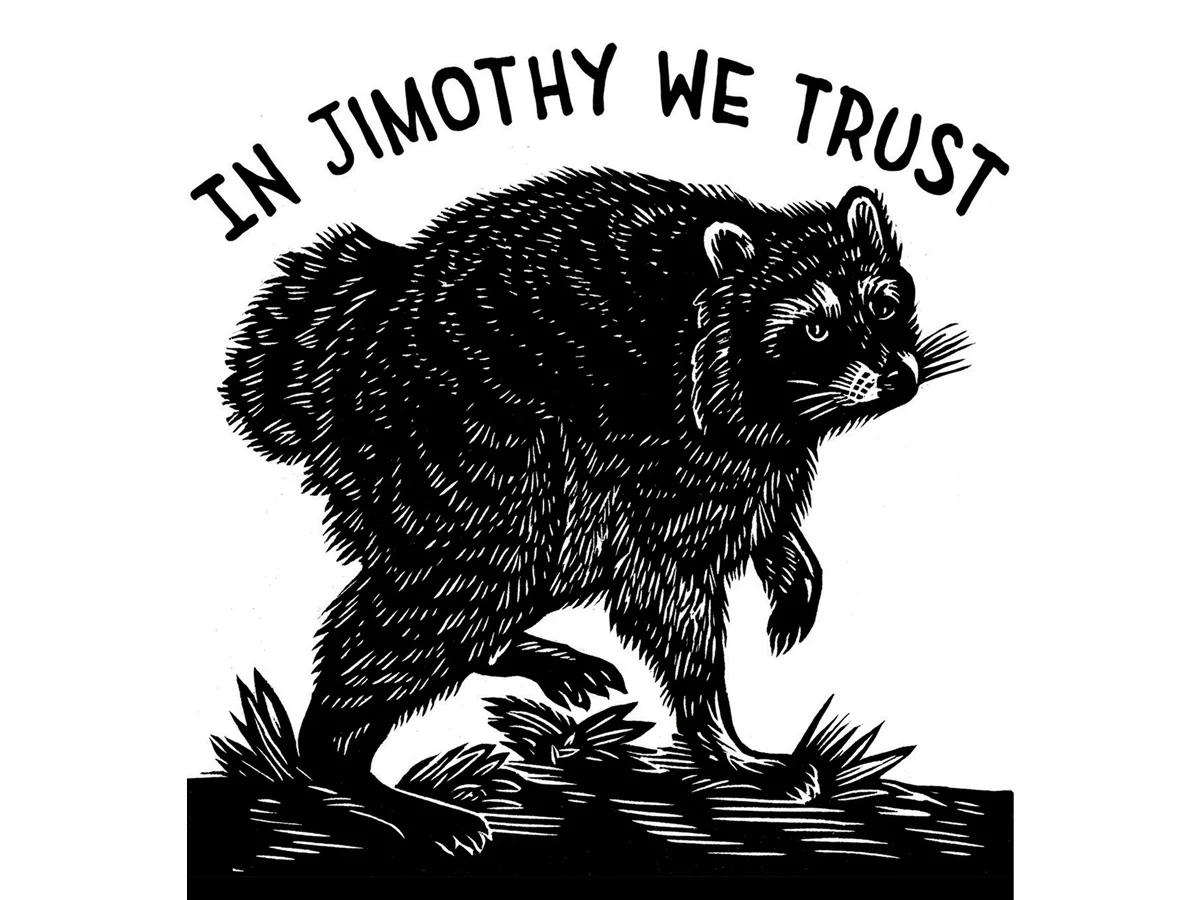
In a remarkable display of ingenuity aimed at sustaining vital ecological research, a long-standing scientific endeavor in the Rocky Mountains found an unconventional lifeline, underscoring the innovative lengths researchers are willing to go amidst increasingly challenging funding landscapes. Faced with imminent budget cuts threatening the venerable 64-year-old Marmot Project, led by UCLA professor Dan Blumstein at the Rocky Mountain Biological Laboratory (RMBL) north of Crested Butte, Colorado, a truly novel solution emerged. Blumstein, whose project meticulously tracks the behavior, demographics, and ecology of yellow-bellied marmots, recognized the critical importance of this longitudinal study for understanding climate change impacts and population dynamics in alpine ecosystems. The inspiration for a new funding model, he recounted to a national broadcaster, struck after he and his wife watched a popular streaming series about financial woes, prompting the realization that his "Marmot’s got money troubles, too." Eschewing traditional fundraising avenues, Blumstein conceived and launched "OnlyMarms" on the subscription-based platform OnlyFans, transforming a site typically associated with adult content into a delightful portal for "uncensored marmot content." Subscribers gain exclusive access to captivating glimpses into the daily lives of these charismatic rodents, from their foraging habits to social interactions, providing not just entertainment but also a unique engagement point for citizen science and wildlife enthusiasts worldwide. This bold move highlights a growing trend among scientific projects to leverage digital platforms and creative marketing to bridge funding gaps, ensuring the continuity of invaluable research that might otherwise fall victim to economic austerity. The long-term data collected by the Marmot Project offers crucial insights into how mammalian populations adapt, or fail to adapt, to environmental shifts, making its continuation essential for broader conservation efforts across similar high-altitude habitats globally.
Further west, a whimsical caper involving an iconic prehistoric behemoth brought a moment of rapturous amusement to the gateway community of Gardiner, Montana, nestled at the northern entrance to Yellowstone National Park. One crisp morning, residents awoke to find the familiar 300-pound green dinosaur, a beloved Sinclair Oil mascot that has stood guard outside the local Dino Mart for years, mysteriously absent. This particular statue, a fiberglass representation of an Apatosaurus, is instantly recognizable to travelers across the American West, symbolizing a bygone era and often serving as a nostalgic landmark for road trippers. The ensuing search for the missing behemoth quickly turned into a local legend when the colossal reptile was discovered perched serenely on a clifftop ten miles away in Yankee Jim Canyon, a scenic stretch along the Yellowstone River known for its dramatic rock formations. Jacque Sims, an employee at the Sinclair station, captured the collective sentiment, expressing to local news affiliates, "To think that our dinosaur was sitting up in the canyon up there, it was funny. We were laughing all day." The audacious pranksters, whose identities remain unknown, had clearly invested considerable effort and planning into their "grand theft dino" operation. They meticulously ensured their target was beyond the reach of surveillance cameras and, with an impressive feat of logistics, managed to unbolt the heavy statue from its concrete foundation. Demonstrating an equal measure of ingenuity and muscle, they then re-bolted it securely onto the canyon cliff, creating an unforgettable tableau against the rugged Montana landscape. Despite the considerable trouble and the potential for charges, Sinclair management, appreciating the humor and perhaps the unexpected boost in local notoriety, wisely declined to file a police report. This incident, while lighthearted, echoes the sentiment that "life finds a way" – even for a colossal green dinosaur – reminding us of the enduring spirit of mischief and the unique character that defines communities bordering vast wilderness areas like Yellowstone. Such events, though rare, become cherished local folklore, enhancing the vibrant tapestry of human interaction with the often larger-than-life elements of the American West.

Meanwhile, a truly "cat-aclysmic" tale unfolded off the coast of Tacoma, Washington, evoking scenes straight from an animated feature film as authorities embarked on an extraordinary animal rescue mission. The saga began with a routine welfare check on an abandoned 40-foot sailboat anchored off Point Defiance Park, a prominent urban park offering panoramic views of Puget Sound. What began as a marine services unit’s inquiry quickly escalated when officers discovered not a single human occupant, but dozens of abandoned felines. The sheer scale of the discovery prompted the dispatch of the animal control unit. Due to legal protocols requiring proper search warrants before removing the "Feline American residents," officers initially left food and water, promising to return. Upon their return, the rescue efforts commenced, with an initial 30 cats successfully retrieved from the vessel. However, it soon became apparent that the ship harbored a much larger population. More cats, displaying the species’ characteristic stealth and independence, were discovered hiding in the boat’s various nooks and crannies. A second warrant was secured, and the determined animal control officers returned, ultimately having to drill into the boat’s hull to access and coax out the most elusive residents. In total, an astonishing 60 cats were rounded up from the vessel. Remarkably, most of the cats were in relatively good health, aside from understandable stress and some minor skin and fur issues, with many even wearing flea collars – a detail that immediately raised questions about their recent care.
The mystery of how so many felines came to inhabit a single sailboat soon became clear. The vessel’s owner, Derek Hieb, had fallen on difficult times, exacerbated by the global COVID-19 pandemic, and had been living aboard the boat. His journey into multi-cat ownership began simply when a friend gifted him a cat named Missy. As Ogden Nash famously quipped, "The trouble with a kitten is THAT / Eventually it becomes a CAT." And indeed, Missy soon had kittens, and without the financial means to spay and neuter them all, nature took its inevitable course. Over a period of six years, Hieb’s single companion blossomed into a sprawling community of dozens of furry roommates. He continued to live on the boat, working as a rigger, until shortly before police seized the vessel. All 60 cats received immediate medical attention at the Humane Society for Tacoma & Pierce County, where they were assessed, treated, and began their journey toward finding new, permanent homes. The Humane Society has made some of these "Sailor Cats" available for adoption, urging the public to consider giving these resilient felines a second chance. This extraordinary incident underscores the pervasive challenges of pet overpopulation, the unforeseen consequences of personal hardship, and the critical role of animal welfare organizations in mitigating such complex situations.
From the high Rockies to the Puget Sound, these stories, tinged with humor, hardship, and heartwarming resilience, collectively paint a vibrant portrait of life in the American West. They remind us of the intrinsic value of both the wild and domesticated creatures that share our landscapes, and the profound human connection we forge with them. Whether it’s the academic dedication to tiny marmots, the community spirit sparked by a misplaced dinosaur, or the compassionate effort to rescue a flotilla of felines, these narratives highlight the unexpected ways in which nature intertwines with human existence. And what would this vibrant tapestry be without figures like Jimothy the Raccoon, Seattle’s "sublimely spherical celebrity"? As aptly captured by a devoted fan on Jimothy’s social media page, envisioning a future where "the sky was on fire and we couldn’t eat lettuce," Jimothy emerged as "our glimmer of hope. Our silver lining." Indeed, in a world often grappling with complex global challenges, these charming and sometimes absurd animal-centric tales serve as vital reminders of the simple joys, the enduring wonder, and the sheer delight that nature, in all its forms, continues to offer us.