Rocky Georgio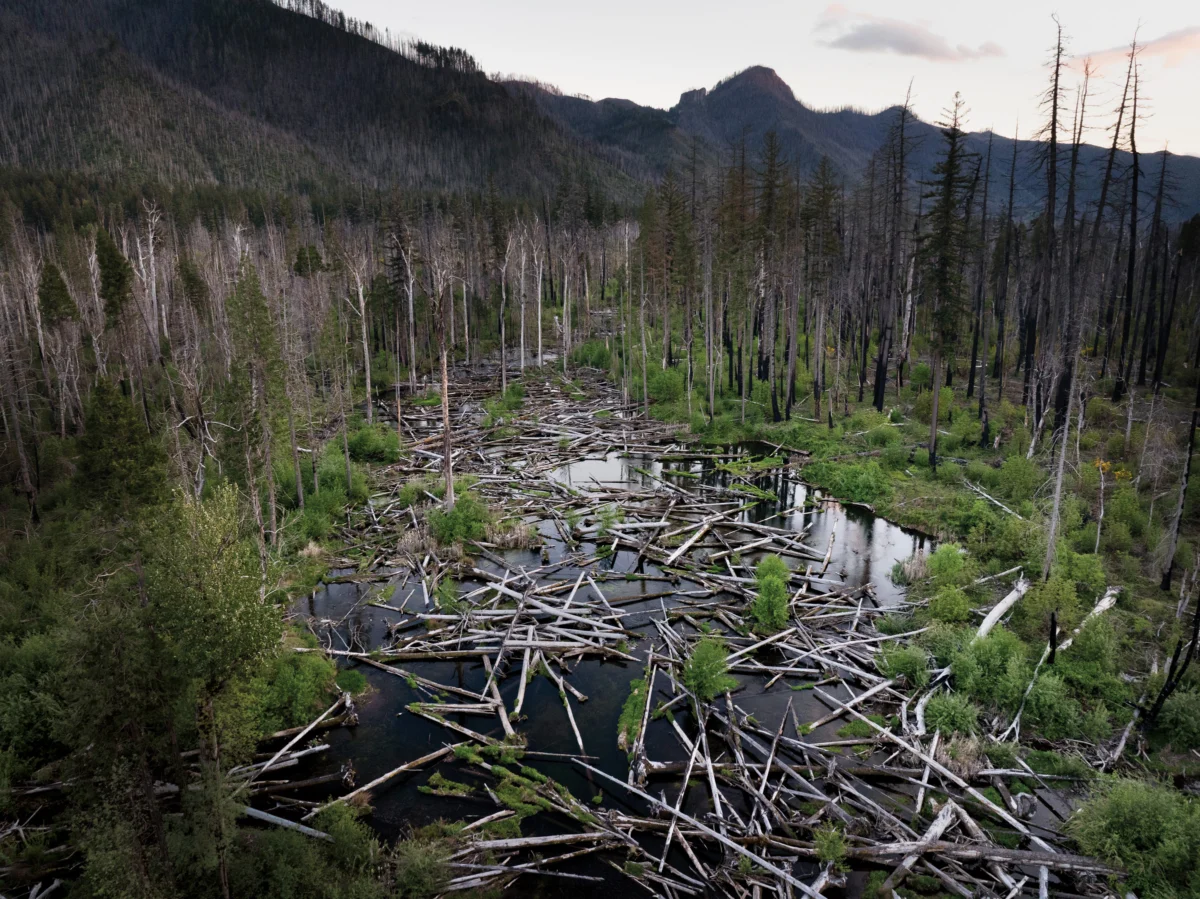
An hour’s drive east of Eugene, Oregon, Quartz Creek cascades down the flanks of the Western Cascades, its waters widening into a valley before merging with the McKenzie River. This picturesque setting, where thunderheads often boil over distant ridgelines, is the focal point of an ambitious river restoration project employing a novel approach known as Stage 0. This initiative seeks to reverse decades of ecological degradation by transforming canal-like channels back into dynamic wetland-stream complexes, a process that challenges conventional restoration methods and sparks both excitement and debate among scientists and conservationists.
The geological history of the Quartz Creek area paints a picture of a landscape sculpted by natural forces over millions of years. Approximately 12 million years ago, tectonic uplift initiated the formation of the Western Cascades. Over millennia, the relentless forces of rain and ice carved deep canyons and deposited sediment across gentler slopes, creating broad, wetland-rich valleys. These vibrant ecosystems, characterized by branching channels, slow-moving waters, and abundant downed wood, were once teeming with life. Chinook salmon, bull trout, and Pacific lamprey thrived, migrating to the Pacific and returning to nourish the riparian forests. Natural disturbances like windstorms, wildfires, and landslides, along with the industrious work of beavers creating dams, contributed to a dynamic yet stable mosaic of habitats. This ecological richness, in turn, supported the indigenous Kalapuya, Mollala, and Warm Springs tribes, who utilized the area for sustenance and cultural practices.

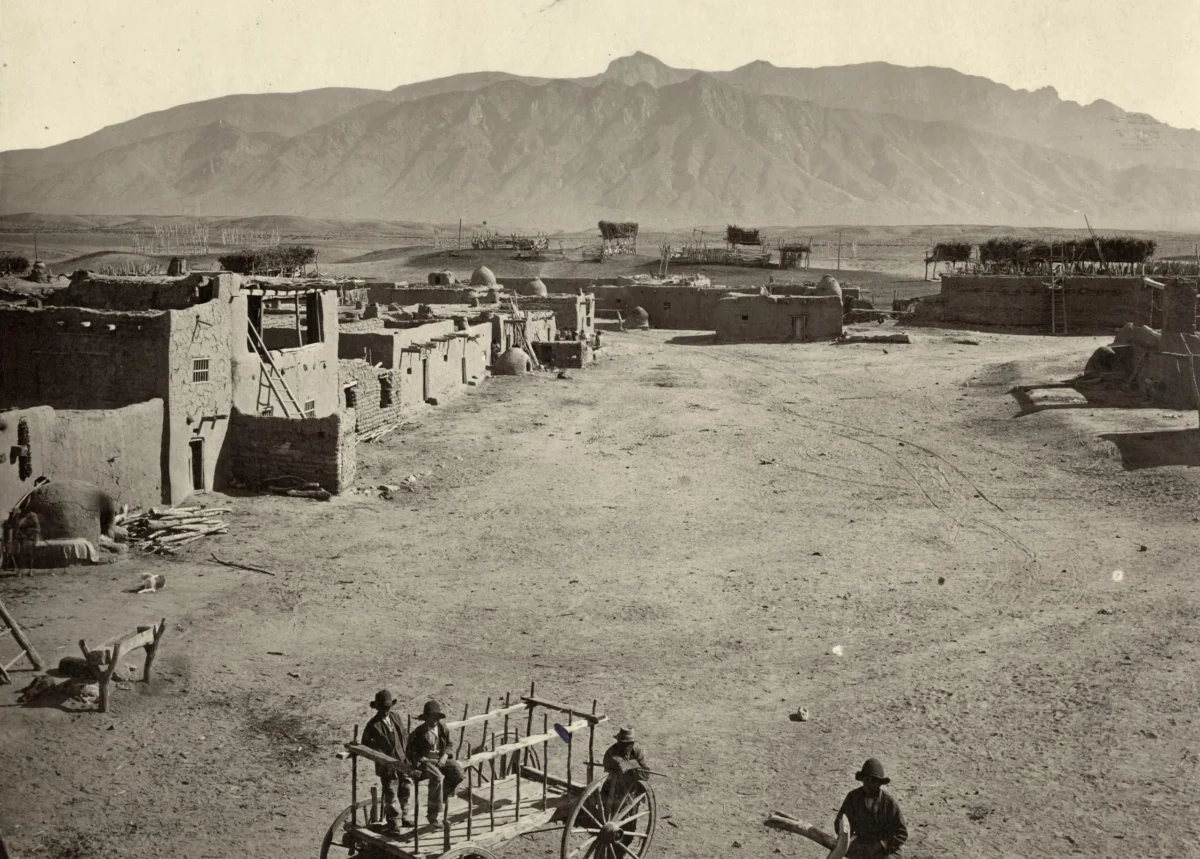
The arrival of Euro-American settlers in the mid-1800s marked a significant turning point. By 1860, native tribes, including the ancestors of the Confederated Tribes of Grand Ronde, Confederated Tribes of Siletz Indians, and Confederated Tribes of Warm Springs, were forcibly removed to reservations. Settlers began to exploit the region’s timber resources, viewing the complex, often swampy floodplains of creeks like Quartz Creek as obstacles. Through the construction of drainage ditches, berms, and raised roadbeds, these natural systems were straightened and confined. This human intervention led to concentrated flows, deepening the main channel while drying out the floodplain. The reduction of downed wood and the acceleration of currents flushed sediment, diminishing the calm pockets essential for fish populations, leading to the disappearance of Chinook salmon and bull trout and a sharp decline in Pacific lamprey.
The transformation of Quartz Creek into a more managed waterway was a testament to considerable human labor. Today, a new generation of humans, armed with modern technologies such as excavators, LiDAR, and GPS mapping, are working to undo these historical alterations. This ambitious undertaking is the latest phase of a decade-long river restoration effort within the McKenzie River watershed, centered on the Stage 0 methodology. This approach aims to recreate the valley’s original wetland-stream complexity by regrading portions of the valley floor. It is a disruptive process, requiring significant alteration of the existing landscape, and its long-term ecological effects are still under study, with the current project representing an unprecedented scale for this experimental technique.
The McKenzie River is a cherished resource, vital to recreationalists, anglers, and environmental advocates. Consequently, the application of such an invasive restoration technique has generated considerable discussion. Proponents argue that it offers a critical opportunity to mend the ecological damage inflicted upon the watershed before it is too late, particularly for species teetering on the brink of extinction. The Upper Willamette River chinook salmon, once numbering around 110,000 and integral to the cultural and ecological health of the Columbia River Basin, have dwindled to less than 2% of their historic abundance in the McKenzie. With some analyses predicting their extinction by 2050 without intervention, Elizabeth Goward, community engagement manager for the McKenzie River Trust, emphasizes the urgency: "We know we don’t know everything. But if we don’t act now, we could lose this species."

The intellectual roots of the Stage 0 approach trace back to geomorphologists like Brian Cluer, who, from his early experiences flying over the land, perceived river systems as more wild and expansive than the prevailing scientific models suggested. Traditional river science, influenced by pioneers like Luna Leopold, often depicted undisturbed streams as single, meandering channels. This archetype informed restoration practices, including David Rosgen’s Natural Channel Design (NCD) method, which became widespread in the 1990s. While NCD aimed to recreate stable stream forms, its implementation often involved hardening banks, leading to some projects failing under flood conditions. Cluer, alongside geomorphologist Colin Thorne, began to question this singular focus. Their observations of remote river valleys that resembled broad wetlands, lacking defined channels, sparked a new line of inquiry.
This intuition was bolstered by groundbreaking research. A 2008 study published in Science challenged the assumption that certain mid-Atlantic streams were "natural," revealing they had been significantly altered by historical mill dams. Simultaneously, researchers across the Western U.S. and beyond utilized emerging technologies like LiDAR and historical accounts to reconstruct landscape histories. These investigations consistently indicated that many precolonial streams likely presented as multi-threaded wetland systems rather than simple ribbons of water. Synthesizing this growing body of evidence and their own fieldwork, Cluer and Thorne developed an updated model of stream evolution, positing a "Stage 0" condition characterized by a wet valley floor interwoven with numerous streams.
Concurrently, in the McKenzie watershed, fisheries biologist Kate Meyer was grappling with the limitations of existing restoration techniques. Tasked with improving fish habitat in tributaries like Deer Creek, her team found that adding wood to straightened, high-velocity channels, a common practice at the time, yielded underwhelming results. High-energy flows often washed away the added wood, and sediment accumulation was a slow process. Meyer became aware of an alternative approach emerging in eastern Oregon, pioneered by fisheries biologist Paul Powers. Powers had observed that a landslide that disrupted an NCD project had inadvertently dispersed the stream across the valley floor, creating beneficial wetland habitat. He began experimenting with intentionally directing flows out of established channels and onto floodplains, a concept that resonated deeply with Meyer.

A pivotal moment for Meyer came in 2014 when she attended a symposium where Cluer and Thorne presented their Stage 0 theory. "It was a total epiphany moment," she recalled, "to see the concepts we were working with as practitioners described from the theoretical perspective." When Powers joined the Deer Creek team in 2016, they decided to pilot the Stage 0 approach. Initially, Meyer expressed reservations, asking, "You mean we’re just going to bury the stream?" Their initial efforts involved dismantling levees and using the material to fill sections of the channel. The immediate effect was the stream spreading across the floodplain, forming multiple slower channels and deeper pools. The success of these initial, smaller-scale interventions, which saw Chinook salmon return to spawn in Deer Creek for the first time since 1993, emboldened Meyer and her team.
By 2018, the team was ready for a larger project: restoring a 200-acre stretch of the South Fork of the McKenzie River to Stage 0 conditions. The methodology had become more refined. The process begins with identifying suitable sites—typically low-gradient, historically depositional valleys where streams can spread without impacting infrastructure. Understanding of landscape histories, often inferred from clues like relic wetlands or old-growth trees, guides the approximation of the pre-alteration valley floor. LiDAR data then provides precise topographical mapping for creating a grading plan. Fish are carefully relocated, and the river is temporarily diverted. Heavy equipment then reshapes the valley floor, filling in channels and removing levees. Strategically placed logs and woody debris are introduced to create habitat and slow water flow as vegetation re-establishes. Finally, the diversion is removed, allowing the stream to disperse across the restored floodplain.
The visual impact of a Stage 0 project can be stark. Upon visiting Quartz Creek in August, the landscape appeared devastated, with muddy water flowing alongside acres of dusty soil littered with felled trees and branches. This initial disarray leads some to dub it "Ground Zero," a stark contrast to the desired outcome. However, Lara Colley, floodplain restoration projects manager for the McKenzie Watershed Council, viewed the scene with pride, pointing to the distributed logs that had once been stockpiled. The wood, sourced from areas managed for wildlife habitat or cleared after wildfires, was an essential component of the restoration.

The collaboration on Stage 0 projects in the McKenzie watershed has grown into an ecosystem of its own. Since the Forest Service and McKenzie Watershed Council began their partnership in 2016, the Eugene Water and Electric Board (EWEB) and the McKenzie River Trust have joined the leadership. This collaborative effort, described by Goward as an "ecosystem," allows the work to continue despite challenges like federal layoffs and budget cuts. For EWEB, a public utility supplying drinking water to the Eugene metropolitan area, stream restoration is intrinsically linked to protecting water quality. Susan Fricke, EWEB’s Water Resources Supervisor, noted that Quartz Creek’s sediment load during high flows had historically taxed their filtration systems. By allowing sediment to settle on the floodplain, the project offers cost savings and improved water quality, representing a proactive approach to infrastructure management.
The Confederated Tribes of Warm Springs’ natural resources department has also provided valuable input, with tribal fisheries biologist Logan Bodiford stating that Stage 0’s holistic approach aligns with the Tribes’ goals for sustainable fisheries and supports their treaty rights to access culturally significant resources. The Quartz Creek project itself was led by Kate Meyer, now co-founder of a restoration consulting company, with the land provided by Franklin-Clarkson Timber Co. through a long-term stewardship easement. Funding for the $9.5 million project was significantly bolstered by a $7.6 million grant from the National Oceanic and Atmospheric Administration, facilitated by the Infrastructure Investment and Jobs Act. The complex logistical operation of moving earth and logs was undertaken by Haley Construction, a family-run company whose expertise in logging has transitioned to river restoration.
The construction phase, compressed into a tight window of dry weather, involved coordinating dozens of crew members, vast quantities of wood, and the dynamic presence of the river itself. Randy Haley, co-owner of Haley Construction, likened the process to "directing an orchestra," emphasizing the need for harmonious collaboration. His daughter, Ashley Haley, project manager, highlighted the demanding yet rewarding nature of restoration work. The company’s evolution over seven decades, from timber operations to dam construction and removal, and now to a significant focus on river restoration, reflects a broader shift in societal priorities and the necessity of adaptation. The Haley family’s long-standing connection to the land and wood resources now allows them to actively address some of the environmental impacts of their industry’s past.

The visible disruption of the Stage 0 construction site, set against a backdrop of mountains scarred by the 2020 Holiday Farm Fire, can be unsettling. However, the fire also played a crucial role in advancing restoration efforts. It provided an abundance of salvaged wood and made the large-scale earthmoving more socially palatable. More significantly, preliminary observations suggest that restored areas may offer enhanced resilience to wildfires. The 200-acre Stage 0 project on the South Fork of the McKenzie, the largest implemented to date, experienced the wildfire. Unlike unrestored areas that burned uniformly, the restored region exhibited patchy burning, potentially allowing wildlife refuge and facilitating quicker forest recovery, with the wider water expanse acting as a natural firebreak.
Despite the initial visual impact and ongoing debates, the underlying principles of Stage 0—allowing natural processes to shape river systems—hold significant appeal, offering a vision of ecological renewal. However, practitioners caution against framing it as a simple return to a pristine past. Colin Thorne emphasizes that the goal is to "empower nature" to continuously shape and reshape the riverscape, fostering greater biodiversity and resilience in a changing climate. The outcome may not perfectly mirror historical conditions, as Thorne notes, "It’s a different world now, a different river, a different catchment."
Critics, including David Rosgen, argue that the extensive, web-like stream networks described as Stage 0’s starting point may have been confined to very low-gradient valleys and deltas. While acknowledging its potential in such specific environments, Rosgen contends that applying it universally is problematic, suggesting that steeper streams like Quartz Creek might be more stable and ecologically beneficial as meandering channels. Gordon Grant, a retired research hydrologist, draws parallels between the enthusiastic adoption of Stage 0 and earlier restoration fads, emphasizing the need for rigorous study before widespread implementation. He expresses concern about the potential risks associated with mobilizing large quantities of wood during severe floods, which could threaten infrastructure and pose dangers.

The inherent power of floodwaters is a significant consideration. Grant points out that extreme flood events, which occur with predictable frequency (a "100-year flood" has a 1 in 100 chance each year), are dramatically different from low-flow conditions. The risk assessment, he notes, involves weighing the potential consequences of inaction—species extinction, worsening wildfire impacts, diminished water quality—against the uncertainties of ambitious restoration projects.
Research into the ecological impacts of Stage 0 is ongoing. Studies indicate increased low-velocity rearing habitat for fish, expanded valley floor wetted areas, and enhanced production of macroinvertebrates. These changes may also benefit Pacific lamprey, a culturally significant species whose populations have declined dramatically. However, some findings, such as increased water temperatures and shifts in sediment composition, present complex trade-offs. The long-term stability of these restored systems, including the efficacy of logjams in trapping wood and the sustained activity of new channels, remains a critical area of investigation.
Monitoring efforts on the McKenzie River show mixed results. While an initial surge in spawning beds was observed after the South Fork Stage 0 project, numbers have since fluctuated, possibly influenced by upstream dam management that limits natural sediment-scouring flows. This highlights the intricate interplay between restoration efforts and existing hydrological controls. Luke Whitman of the Oregon Department of Fish and Wildlife emphasizes the need for creative solutions, not only in restoration but also in dam management, suggesting that "Wherever we can take a shot, we should try."

Recent heavy rains in the Western Cascades have provided valuable insights into the dynamic nature of Stage 0 sites. While increased wood movement in Deer Creek was observed, raising concerns about potential channel down-cutting, it also highlighted the need for long-term stewardship. The scarcity of downed wood in logged catchments, coupled with the reduced size of trees, means that initial interventions may require ongoing management. As Kate Meyer notes, "Restoration alone can’t fix all the processes," underscoring the importance of monitoring and adaptive management.
The long-term trajectory of these restored systems remains uncertain. While Stage 0 projects are designed to be resilient, the continuous interplay of natural processes, influenced by human activities like logging and dam operations, means that rivers are not "one-and-done" projects. Colin Thorne acknowledges that while nature will attempt to repair and adapt, the ultimate outcome depends on a complex web of factors, and the creek could indeed be set on a different course than initially envisioned.
A visit to Quartz Creek in late January revealed a landscape transformed from the dusty wasteland of the previous summer. Clear water now flowed, braiding around logjams and lapping at newly deposited sand. The initial disarray of slash and logs was still present, but the water’s clarity and the nascent signs of new grass offered a glimpse of renewed vitality. The unpredictability of these systems, as noted by Gordon Grant, which defies conventional modeling, represents both a challenge and a promise of possibility. The Stage 0 process necessitates human participation alongside a multitude of natural actors, allowing unforeseen interactions to shape the future river, intertwining vulnerability with hope. As Goward observed, "Everything around us is changing. What we’re trying to do is restore the river’s ability to change with it."