Rocky Gerung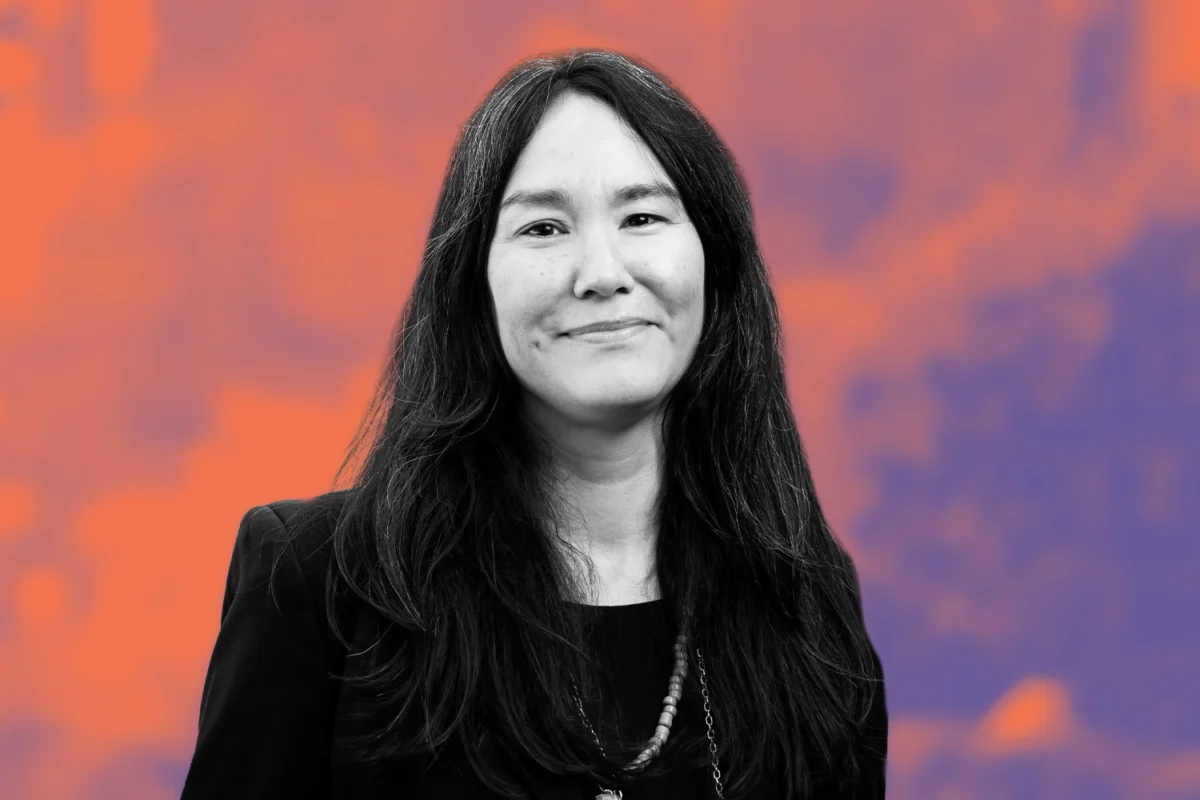
The poet’s intention is to become an enigma, a deliberate act of obscuring meaning that, paradoxically, highlights the profound hunger for understanding that drives human inquiry. This artistic choice stems from a language saturated with the pollutants of modern existence, a linguistic "smog" that obscures clear thought and fosters a deep-seated apprehension. The poet confesses a fear of the very inspirations that arise in the shadow of human-driven destruction, a somber acknowledgement of the forces shaping their creative output.
These artistic musings are interwoven with poignant dreams of departed colleagues, a spectral gathering of minds that eschew superficial beauty. Their silent pronouncements convey a profound aversion to the poet’s descriptions of suffering, a plea for a different kind of articulation. Instead, they point to the destructive force of gold dredges, industrial behemoths that gouge into the earth, their mechanical arms a stark symbol of resource extraction. As the permafrost, the frozen bedrock of the Arctic landscape, yields to rising global temperatures, these dredges sink deeper, mirroring a collective descent into a metaphorical hell. This imagery evokes the profound environmental anxieties gripping the Arctic region, a place on the front lines of climate change where the thawing of ancient ice releases not only greenhouse gases but also echoes of past human activity.
The poet proposes a symbolic act of purification: to immerse oneself in the tainted waters and to experience the ache of unquenchable thirst, a visceral response to the degradation of natural resources. This is juxtaposed with maternal narratives, stories of girlhoods lost to the harsh realities of life and the desperate measures taken to find solace. The act of rolling willow leaves tight in toilet paper and smoking them, not for intoxication or escape from life, but for fleeting visions of Mary, a maternal figure imbued with spiritual significance, speaks to a yearning for connection and transcendence in the face of hardship. This practice, while seemingly simple, offers a glimpse into the resilience and cultural practices that have sustained communities through generations, even as the world around them undergoes seismic shifts.
The Arctic, a vast and often misunderstood expanse, serves as a powerful backdrop for these reflections. For centuries, its indigenous peoples have lived in intimate harmony with a challenging yet bountiful environment. However, the region is now experiencing climate change at an accelerated rate, with global warming manifesting in dramatic permafrost thaw, receding glaciers, and altered wildlife patterns. This environmental upheaval directly impacts traditional ways of life, threatening food security, cultural heritage, and the very fabric of Arctic communities. The poet’s words resonate with this urgency, translating the abstract realities of climate science into deeply personal and evocative imagery.
The mention of gold dredges is particularly significant, pointing to the long history of resource extraction in the Arctic. From the Klondike Gold Rush to ongoing mining operations, the pursuit of precious metals has often come at a significant environmental cost. These operations can disrupt delicate ecosystems, pollute waterways, and leave lasting scars on the landscape. The poet’s juxtaposition of these industrial scars with the thawing permafrost underscores the interconnectedness of human activity and environmental vulnerability, suggesting that the consequences of past exploitation are now being amplified by the warming climate.

The "hell" alluded to is not merely a theological concept but a tangible reality for many living in the Arctic. Coastal communities face the threat of rising sea levels and increased storm surges, forcing difficult decisions about relocation. The thawing permafrost destabilizes infrastructure, from roads and buildings to pipelines and power grids, posing significant economic and safety challenges. Furthermore, the changes in ice conditions disrupt traditional hunting and travel routes, impacting the subsistence lifestyles that have sustained Arctic peoples for millennia. These are not distant concerns; they are immediate threats to the survival and cultural continuity of these communities.
The poet’s imagery of "smog" in language can be interpreted as the pervasive influence of dominant global narratives that often overlook or misrepresent the realities of the Arctic. It suggests a difficulty in communicating the unique experiences and profound challenges faced by those living in this vulnerable region, a struggle to find words that can adequately convey the depth of their connection to the land and the urgency of their environmental concerns. The "hunger for understanding" is thus a call for genuine engagement and a deeper appreciation of the complex interplay between culture, environment, and human experience in the Arctic.
The reference to Mary, a maternal figure, offers a spiritual dimension to the poet’s exploration of loss and resilience. In many cultures, mothers are seen as sources of strength, comfort, and wisdom. The yearning for visions of Mary, even through seemingly rudimentary means, highlights a deep-seated human need for connection to something larger than oneself, for guidance and solace in the face of overwhelming challenges. This spiritual dimension adds a layer of profound humanity to the poet’s reflections, demonstrating how individuals and communities draw upon their cultural and spiritual resources to navigate difficult times.
The inclusion of information about the poet’s other works and recent editorial contributions provides valuable context. Joan Naviyuk Kane, a USA Fellow and co-editor of "Circumpolar Connections: Creative Indigenous Geographies of the Arctic," is a prominent voice in contemporary Indigenous literature. Her previous collections, including "The Cormorant Hunter’s Wife," "Hyperboreal," "Milk Black Carbon," and "Dark Traffic," often explore themes of family, landscape, and cultural identity in the Arctic. Her work consistently engages with the intricate relationship between people and place, offering nuanced perspectives on the challenges and enduring strengths of Arctic life. Her academic and creative endeavors signal a deep commitment to amplifying Arctic voices and fostering a more comprehensive understanding of this critical region.
The article’s framing, suggesting that news organizations can republish it for free, underscores a desire to disseminate these vital messages widely. The Creative Commons license further facilitates this, encouraging the sharing of knowledge and perspectives. This collaborative approach to sharing information is crucial in raising global awareness about the urgent issues facing the Arctic and its inhabitants. By making these powerful reflections accessible, the aim is to foster a broader dialogue and inspire collective action towards a more sustainable and equitable future for this vital part of the world. The enduring power of poetry, in this context, lies in its ability to transcend factual reporting and touch the human heart, igniting empathy and a profound sense of shared responsibility for the planet.