Rocky Georgio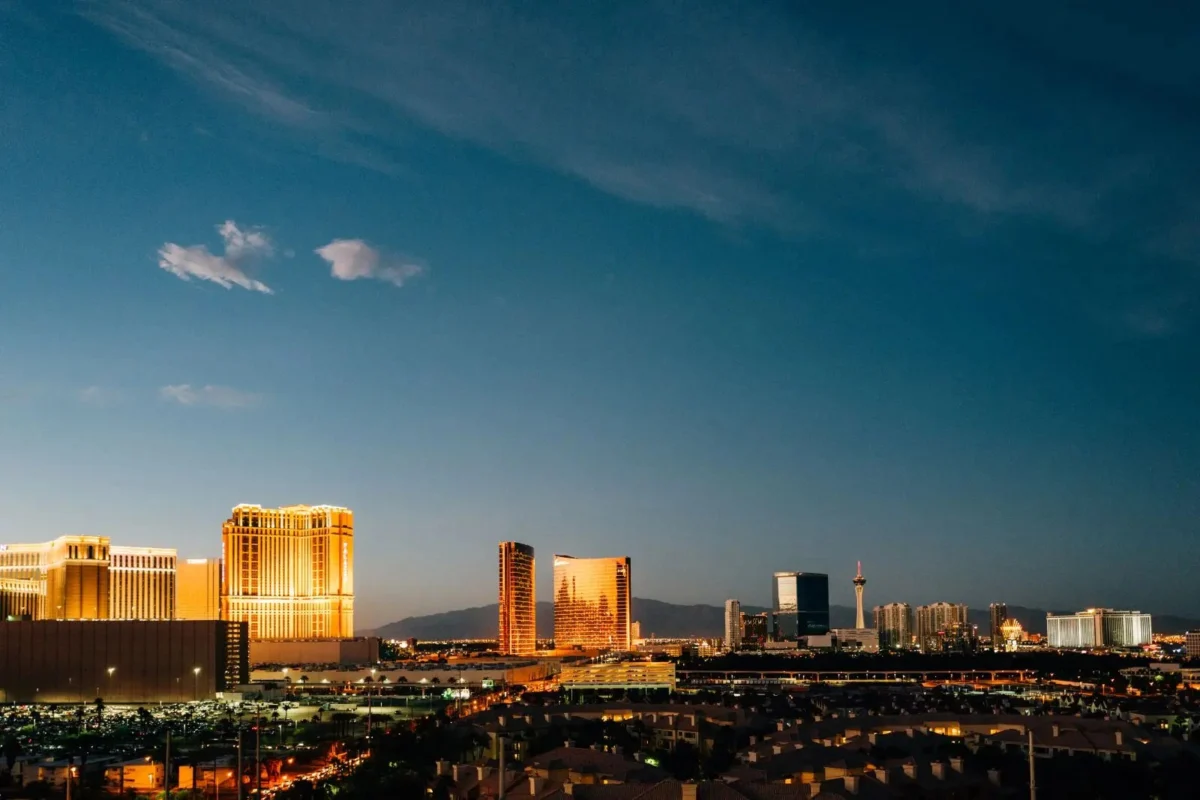
Nevada officials, long advocating for compromise and conservation in the intricate debates surrounding the Colorado River, have filed a lawsuit challenging the federal government’s new management plan. This legal action, initiated by a state that has positioned itself as a conciliator in the complex water-sharing landscape, comes as a surprise to many observers who anticipated other Lower Basin states, particularly Arizona, to be the first to contest the plan’s implications for their water supplies. The Las Vegas metropolitan area, the state’s economic and population nucleus, has become a beacon of urban water conservation, drastically reducing per capita water use by an impressive 58% over the past two decades through extensive reuse facilities and stringent restrictions on decorative water features and new turf installations. While Nevada has consistently championed consensus among the seven Colorado River basin states and the region’s numerous tribal nations, this lawsuit signals a determined effort to protect its vital water resources when negotiations falter and federal mandates appear to disproportionately burden the state.
The lawsuit stems from over two years of intensive negotiations among the seven Colorado River states and the federal government regarding how to address the river’s dwindling flows, a crisis exacerbated by a prolonged drought and the undeniable impacts of climate change. When the states failed to reach a mutually agreeable long-term accord before the expiration of current management protocols in October, the Department of the Interior stepped in to implement its own plan. This federal plan primarily targets reductions in water usage among the Lower Basin states – Arizona, Nevada, and California – with the aim of bolstering water levels in the river’s critically low reservoirs. The rapid depletion of these reservoirs poses an imminent threat to hydropower generation and dam operations, necessitating immediate intervention.
Nevada’s legal challenge asserts that the federal government’s plan unfairly imposes an excessive burden of these necessary cuts on the state. In a worst-case scenario, the state argues, the plan could necessitate a staggering 71% reduction in the Las Vegas area’s water allocation, a prospect deemed existentially threatening to its primary population center and economic engine. The state contends that this outcome arises from a misinterpretation of existing water law and that the federal government failed to adequately consider alternative solutions to such drastic curtailments. This severe reduction would only materialize if reservoir levels continue to plummet and if Nevada cannot secure further agreements with Arizona and California to help absorb a larger share of the cuts. While a temporary agreement among these three Lower Basin states is incorporated into the federal plan and designed to last until 2028, its renewal hinges on future accord. Without such an agreement, the federal government is mandated to implement cuts based on historical water rights and existing compacts, which would disproportionately impact Arizona and increasingly rely on Nevada and California as shortages deepen. The federal plan itself was developed through a process mandated by the National Environmental Policy Act (NEPA), requiring federal agencies to solicit public input and thoroughly assess the environmental and socioeconomic ramifications of major decisions.
At first glance, Nevada’s lawsuit appears to diverge from its established role as a mediator in Colorado River disputes, a role characterized by appeals for harmony among the basin’s diverse stakeholders, including the 30 federally recognized tribes holding significant, yet often formally unrepresented, water rights. John Entsminger, Nevada’s lead negotiator for Colorado River issues, has consistently emphasized collaboration as the state’s preferred approach, articulating to a water conference just a week prior to the lawsuit’s filing that negotiation and cooperation remained the state’s "first, second, and third choice." However, Nevada has historically coupled its calls for consensus with a clear assertion that it would defend its water rights if negotiations proved unfruitful. Viewed through this lens, the lawsuit becomes less surprising, particularly given the severity of the potential cuts outlined in the federal plan. Unlike many other states in the basin, Nevada diverts nearly all of its Colorado River water to urban uses, meaning that any reductions directly impact its metropolitan areas. Other states, with substantial agricultural sectors, can potentially mitigate the impact of cuts by fallowing farmland, a luxury not afforded to Nevada.

Water policy expert John Fleck aptly described the situation, noting the inherent "absurdity" of a plan that could force such drastic reductions on Las Vegas, deeming it an "existential" threat and thus a justifiable reason for Nevada’s legal action. The lawsuit can also be interpreted as a continuation of Nevada’s long-standing advocacy for a comprehensive, inclusive agreement for the river basin. With interstate negotiations stalled and the federal government proceeding with its own plan, Nevada is now employing a legal strategy to underscore its fundamental argument: that a federal decision lacking the full endorsement of all affected states cannot adequately address the diverse needs of the basin and find the innovative solutions required to sustainably manage this critical water resource.
In its legal filing, Nevada contends that the decision-making process leading to the federal plan inadequately considered the economic consequences for the Las Vegas region and overlooked potential alternative solutions. These alternatives, the state suggests, could have included modifications to infrastructure like Glen Canyon Dam, thereby avoiding the specter of such massive theoretical water shortages in a major urban center. Critics argue that the federal process was too narrowly focused and failed to explore a wider array of potential solutions. "Nobody can deny that the federal government did a ton of modeling and scenario analyses," commented Kyle Roerink, former director of the Great Basin Water Network, "but in terms of where the rubber meets the road, what were all the inputs, and what were some of the other analyses that could have been done?" The legal interpretation of these claims is further complicated by recent Supreme Court decisions that have reshaped federal responsibilities under NEPA, particularly concerning decisions impacting large, complex infrastructure systems.
Experts suggest that Nevada’s lawsuit, while significant, is not the catastrophic legal challenge that many in the Colorado River community have long anticipated. A more potentially disruptive case could arise if Arizona were to sue the Upper Basin states – Colorado, New Mexico, Utah, and Wyoming – challenging their adherence to the 1922 Colorado River Compact. Such a lawsuit could compel judges to grapple with fundamental questions about accountability for the river’s decline, potentially leading to years of litigation and transferring control over the river’s future from the states to the courts. Anne Castle, former chair of the Upper Colorado River Commission, describes this scenario as representing the "really big risks."
Despite the legal uncertainty, Nevada’s lawsuit has undeniably cast a shadow over the immediate operational plans for the Colorado River. The state has not yet sought an immediate restraining order to halt the federal plan, which would require a judicial order to vacate it. However, if Nevada prevails in its legal challenge, it could significantly disrupt the interim two-year arrangement designed to ensure the continued water supply for Lower Basin states in the near future. Jay Weiner, counsel for the Fort Yuma Quechan Indian Tribe, a senior water rights holder, expressed concern over the potential ramifications for upcoming operational plans in 2027 and 2028, stating, "We are disappointed to see Nevada filing suit here, and are concerned about what the ramifications will be for the operations plans in 2027 and potentially 2028."
Nonetheless, experts widely agree that this legal action, and even a potential lawsuit from Arizona, does not signal the end of collaborative efforts and negotiations concerning the river. States in the Lower Basin may still forge agreements to share shortages while litigation unfolds, and the possibility of a comprehensive seven-state accord remains viable should negotiations be revived. Speaking at a water conference in Las Vegas, Bidtah Becker, Chief Counsel for the Navajo Nation, offered a pragmatic perspective, reminding the audience that litigation and negotiation are not mutually exclusive. She articulated, "You can get along and argue at the same time, and you develop long-term relationships through that."