

 Roger Danuarta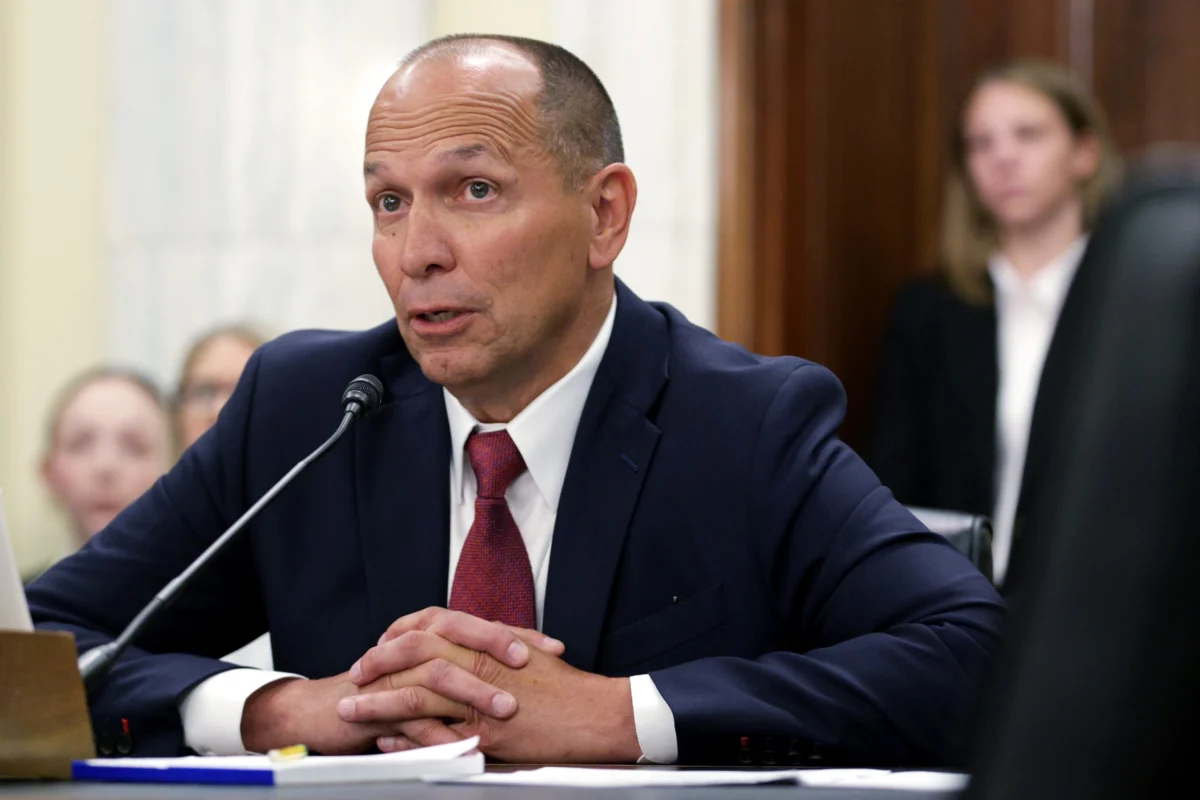
In a striking revelation that casts a shadow over federal land management, a high-ranking Trump appointee overseeing the U.S. Forest Service is linked through family and business ties to a significant wildfire ignited without permission on public lands in Idaho. The incident, which unfolded in late September 2024, saw Michael Boren, Undersecretary of Agriculture for Natural Resources and Environment, facing renewed scrutiny after his brother, Steve Boren, allegedly started more than 20 fires that merged into the Rosie Fire, ultimately consuming over 5,600 acres and incurring suppression costs nearing $1 million. This event adds to a growing list of controversies surrounding Michael Boren’s conduct and the intersection of his private interests with his public duties, particularly given his extensive oversight of federal wildland firefighting operations.
The initial reports of multiple smoke columns billowing from near Josephine Creek Ranch, located in Idaho’s remote southwest corner, reached the Owyhee County Sheriff’s office one afternoon in late September 2024. Steve Boren, who manages the Josephine Creek Ranch, contacted the Boise Interagency Dispatch Center earlier that day, informing them he would be conducting prescribed burns on what he described as “private land” a few miles south of the ranch. However, as 911 calls escalated regarding uncontrolled fires, Steve Boren reportedly assured dispatchers, “All is good. The fires stayed on private land.” This assertion would later be contradicted by a detailed investigation.
Michael Boren, a tech megamillionaire and a prominent Trump administration official, holds an ownership stake in Josephine Creek Ranch, valued between $500,001 and $1 million, according to his 2026 financial disclosure. This document, along with a federal ethics disclosure, further confirms his ownership interest in Josephine Creek Ranch Inc., for which he served as secretary/treasurer from March 2014 to February 2025. His brother, Steve Boren, acting as the ranch manager, ignited the series of fires on land owned by the state of Idaho, which is leased to Josephine Creek Ranch Inc. for cattle grazing. Critically, Steve Boren proceeded without the legally required burn permit and initiated the ignitions during a statewide “hold on any burning due to the excessively dry fuels,” a condition exacerbated by the arid climate prevalent across the Western United States. This lapse, which Steve Boren later admitted was “a mistake,” underscored a profound disregard for established wildfire prevention protocols designed to safeguard lives, property, and natural resources.
The subsequent investigation by the Idaho Department of Lands (IDL), detailed in a comprehensive 78-page report, illuminated the critical discrepancies in Steve Boren’s account. Investigators found that he initiated the fires on state land, directly contradicting his initial communication with the Bureau of Land Management (BLM) dispatcher. The report further documented his apparent intent for the fires to expand beyond their initial ignition areas and his perplexing view that the blaze was “nothing but good.” This perspective clashes sharply with the devastating reality of the Rosie Fire, which ultimately ravaged over 5,600 acres of state, federal, and private lands, requiring an estimated $950,000 to contain, according to incident reports from the National Interagency Fire Center. The Josephine Creek Ranch itself spans approximately 2,500 acres, nestled within a mosaic of Idaho state land and federal parcels managed by the Bureau of Land Management, highlighting the complex jurisdictional challenges inherent in Western land management and wildfire response.
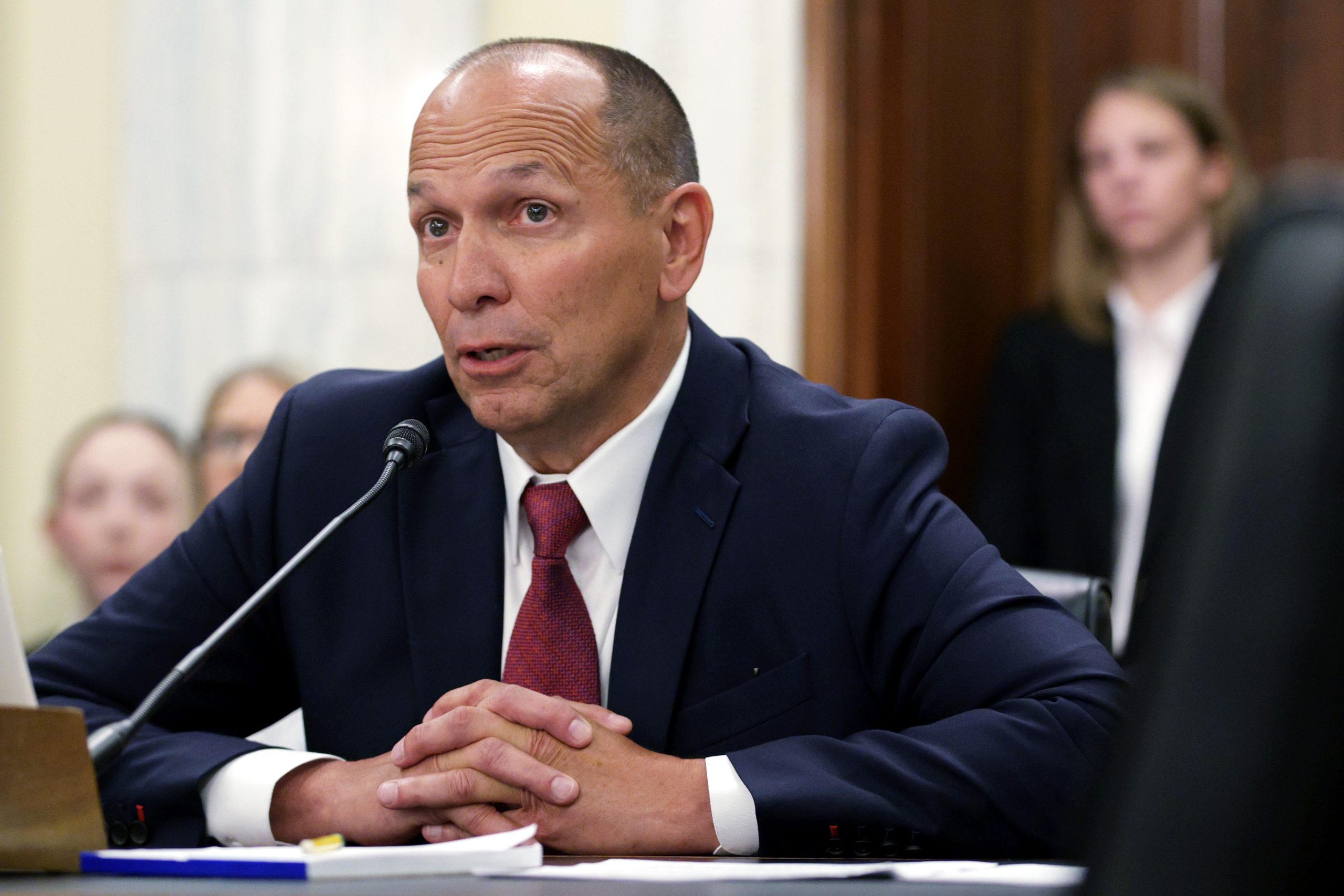
Michael Boren’s confirmation in January 2025 as the U.S. Department of Agriculture Undersecretary of Agriculture for Natural Resources and Environment placed him in a pivotal role overseeing the Forest Service, an agency with vast responsibilities for wildland firefighting across millions of acres of public land. This position demands a commitment to stringent land management practices and ethical conduct, making the Rosie Fire incident, involving his brother and a ranch he co-owns, particularly problematic. Boren has a documented history of contention with public land management agencies, including the Forest Service itself. Notably, prior to the Rosie Fire, Interior Secretary Doug Burgum reportedly intervened personally in a dispute involving Josephine Creek Ranch and its cattle grazing operations on federal public land, further illustrating the intricate web of Boren’s private land interests and public policy.
The Rosie Fire incident is not an isolated event concerning Michael Boren’s entanglement with wildfire resources. Just weeks prior, in August 2026, The Washington Post reported that Michael Boren allegedly requested additional aircraft to combat a relatively small fire near another ranch he owns in Idaho’s Sawtooth National Recreation Area. This reported action sparked immediate condemnation, leading three Democratic senators to demand a federal investigation from Agriculture Secretary Brooke Rollins. They argued that Boren’s reported actions could "constitute potentially a misuse of taxpayer funds and put American families at further risk by diverting scarce resources from high-priority wildfires threatening communities elsewhere in the region and country." The severe wildfire seasons plaguing the American West have stretched federal and state firefighting resources to their limits, making any perceived diversion of assets for personal benefit a matter of grave public concern.
In response to inquiries regarding the Rosie Fire, a USDA spokesperson issued a statement asserting that Undersecretary Michael Boren “was not aware of his brother’s action at the time and he was only a non-operating minority owner of the Josephine Creek Ranch, additionally, the Ranch had no involvement in this fire and was not aware of it. The fire was not on Ranch property.” The spokesperson also dismissed The Washington Post‘s reporting on the Sawtooth incident as inaccurate. Efforts to reach Steve Boren for comment, including multiple telephone calls and texts, were unsuccessful.
Ten days after Steve Boren initiated the unpermitted fires near Josephine Creek Ranch, the Rosie Fire continued to burn, expanding to approximately 5,000 acres by October 10, 2024. Federal assets, including a Bureau of Land Management bulldozer operator, were deployed to contain the blaze, underscoring the interagency cooperation required for large-scale wildfire suppression. During a phone call with a state investigator on October 16, Steve Boren reiterated his responsibility for the fire but stated he possessed an “umbrella policy” and was therefore “not concerned about being held responsible for suppression costs.” When questioned about whether he anticipated the fire reaching its eventual size, Boren reportedly replied, “Yeah, yeah. I mean we never get it to do this,” implying a calculated risk or even a desired outcome.
Investigators noted that Josephine Creek Ranch operates a cattle grazing business, and Steve Boren informed them that he started the ignitions in an “effort to restore grassland for cattle farming.” This practice, known as prescribed burning, can be ecologically beneficial for rangeland management, reducing hazardous fuels, promoting native plant growth, and improving forage for livestock. However, such burns require meticulous planning, permits, and execution under specific weather conditions to ensure they remain controlled and safe. The IDL investigator informed Boren that his actions, lacking a burn permit and occurring during a fire ban, violated stipulations in the ranch’s leases for grazing cattle on nearly 8,500 acres of adjacent state land, to which Boren reportedly acknowledged, “That’s my bad.”

The IDL’s lead investigator, Scott Burnside, documented Steve Boren becoming “more quarrelsome” during one conversation, persistently reiterating his conviction that the fire was actually a benefit. Burnside recorded Boren citing the suppression efforts as “a waste of taxpayer money” and claiming to possess photos of firefighters “sleeping on their truck and guys smoking dope,” portraying the response as ineffective. When Burnside pressed Boren, asking, “So what if this fire is at 5000 acres and suddenly there is a wind event, and it blows up to 25,000 acres and somebody gets killed?” Boren reportedly responded, “That’s a whole different story.” This exchange highlights a troubling disconnect between Boren’s perceived benefits of the fire and the severe risks it posed to public safety and natural resources.
Boren continued to insist the fire “was nothing but good,” and paradoxically, stated, “There are two lessons learned. One is to get a permit. Two, never cooperate with the government again.” He further declared his intent to deny government agents, including Fish and Game and the Bureau of Land Management, access through his gates, claiming he had been “stabbed in the back” by the initial BLM contact who he believed would only send two individuals to assess the fire, not initiate suppression efforts. He also criticized suppression crews for what he deemed ineffective backfires, with all but one reportedly “jumped the line.” These statements reflect a deep-seated distrust of government intervention and a reluctance to accept responsibility for the wider implications of his actions, contrasting sharply with the collaborative spirit essential for effective land management and wildfire response in the American West.
While no structures were ultimately damaged by the Rosie Fire, its uncontrolled spread had immediate consequences for recreational users. Two elk hunters were forced to abandon their camp, returning the following day to find much of their gear, including a tent, sleeping bags, mattresses, chairs, and hunting clothes, either damaged or destroyed. One hunter conveyed their relief and apprehension in an email to the Owyhee County Sheriff’s Office, included in the IDL report, stating, “We are fortunate that we did not lose more, or get caught in the fire.” The incident underscores the dangers posed to the public when individuals circumvent established fire safety protocols, especially in remote, wildland urban interface areas increasingly susceptible to extreme fire behavior.
The IDL report also clarified that Lance Okenson, a fuel management officer with the BLM in Boise, adamantly denied ever informing Boren that simply contacting the Boise Interagency Dispatch Center was sufficient before initiating a burn, further undermining Steve Boren’s initial claims. As the investigation remains under active legal review, it is currently unclear what specific consequences or financial penalties Steve Boren or Josephine Creek Ranch will face for the Rosie Fire. Sharla Arledge, a spokesperson for the Idaho Department of Lands, indicated that compiling the total cost for fire suppression, particularly with multiple responding agencies, can take two to three years. The ongoing legal review and cost assessment underscore the serious implications of unauthorized burns and the significant financial burden they place on taxpayers and resource management agencies. This incident serves as a stark reminder of the critical importance of adhering to wildfire regulations and the potential for conflicts of interest when high-ranking officials’ private land holdings intersect with their public duties to manage the nation’s precious natural resources.








