

 Johny Prima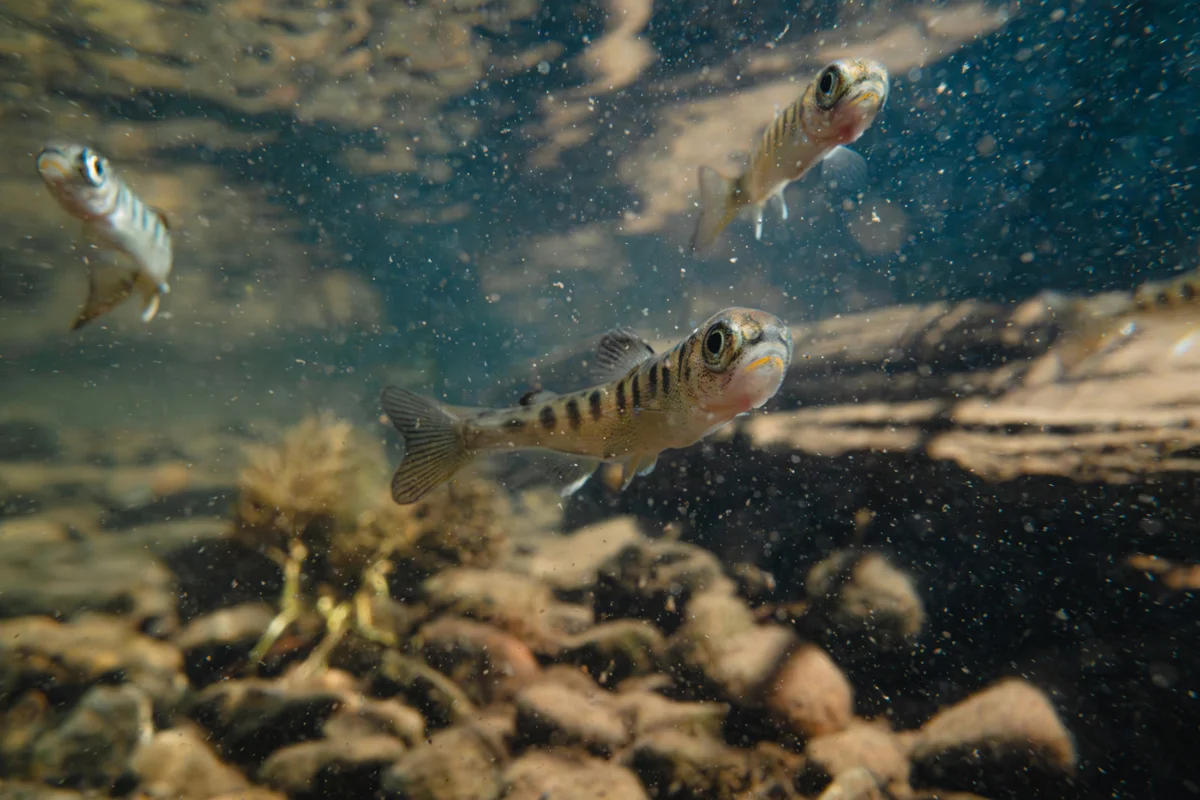
The pristine headwaters of the Klamath River, a sacred landscape that cradles the ancestral territory of the Klamath Tribes—comprising the Klamath, Modoc, and Yahooskin peoples—are the source of a profound spiritual and ecological resurgence. As Tribal Chairman William Ray Jr. powerfully articulates, "The water comes right out of the ground. I know this because I see it. I’ve lived it. And I know where the headwaters come out of." These vital springs coalesce into the vast expanse of Klamath Lake in southern Oregon, from which the Klamath River embarks on its winding journey through Northern California, ultimately emptying into the Pacific Ocean. This extensive river system has historically been, and remains, the lifeblood for numerous tribal communities throughout the watershed, including the Yurok Tribe, who reside downstream where the river meets the sea, all sustained by the diverse fish populations central to their economies, cuisine, and traditional medicine.
For millennia, the relationship between the Indigenous peoples of the Klamath Basin and its abundant aquatic life, particularly salmon, was one of profound interdependence and reverence. In times of prosperity, salmon constituted a significant portion—up to a third—of the Klamath peoples’ diets, a testament to the river’s immense productivity. Chairman Ray speaks of the salmon with deep respect, describing it as a species of unparalleled power, capable of navigating both fresh and saltwater, a gift from the Creator for all Indigenous nations to cherish. Historical accounts and oral traditions paint a vivid picture of the Klamath River as once the world’s third-largest salmon producer, a veritable superhighway of anadromous fish. This abundance fueled not only sustenance but also a sophisticated economy and intricate cultural practices. The ancient Klamath Trail, for instance, traversed what is now Oregon, serving as a crucial trade route that connected communities with other vital hubs, including Celilo Falls on the Columbia River, itself an ancient and now-submerged international fishery. Beyond their nutritional value, salmon held potent medicinal properties. When an elder or community member fell ill, specific types of fish, such as the c’waam (Lost River sucker) or koptu (shortnose sucker) from particular lake bends, or certain anadromous species from the river, would be sought for their healing qualities, their gills consumed, or their heads boiled to create restorative broths. This intricate knowledge system, rooted in generations of observation and tradition, highlights the deep ecological understanding held by the Klamath peoples.
However, the dawn of the 20th century brought an era of profound disruption to this ancient balance. The construction of a series of hydroelectric dams along the Klamath River fundamentally altered the ecosystem. These colossal barriers not only impeded the natural migration of salmon and other anadromous fish, effectively cutting off access to their ancestral spawning grounds in the upper basin for over a century, but also degraded water quality and altered crucial hydrological cycles, devastating lake-dwelling fish populations as well. The environmental degradation was palpable, and the Indigenous communities, drawing upon their innate Traditional Ecological Knowledge (TEK), recognized the looming crisis long before Western scientific methods formally documented it. Chairman Ray recalls, "We knew that there was something wrong beginning in the ’70s and especially the ’80s. It didn’t take Western science to tell the Indian with Indigenous knowledge that something was drastically wrong." Faced with dwindling fish stocks and the undeniable threat to their cultural survival, the Klamath Tribes endured emotionally fraught deliberations, culminating in the heart-wrenching decision in 1986 to voluntarily cease fishing. This act of self-sacrifice, born of a profound love for the fish and a desperate hope for their recovery, deeply wounded the community. "It hurt us," Ray shared, "This was another issue that pecked away at our culture, the viability of it." The loss was not merely economic; it was an erosion of identity, a rupture in the sacred covenant with the natural world.
The existential question posed by a Umatilla elder to Chairman Ray encapsulates the profound dilemma facing Indigenous communities worldwide: "How can you build a tribal traditional economy on species that are endangered?" For the Klamath, this is not an abstract query but a painful daily reality. The inability to direct a sick elder to the river to harvest a healing fish represents a profound cultural loss, a stark reminder of the environmental injustices that have stripped communities of their traditional lifeways. This scenario underscores the critical intersection of environmental health, cultural integrity, and human well-being, highlighting the ripple effects of ecological degradation on Indigenous sovereignty and the practice of traditional medicine.
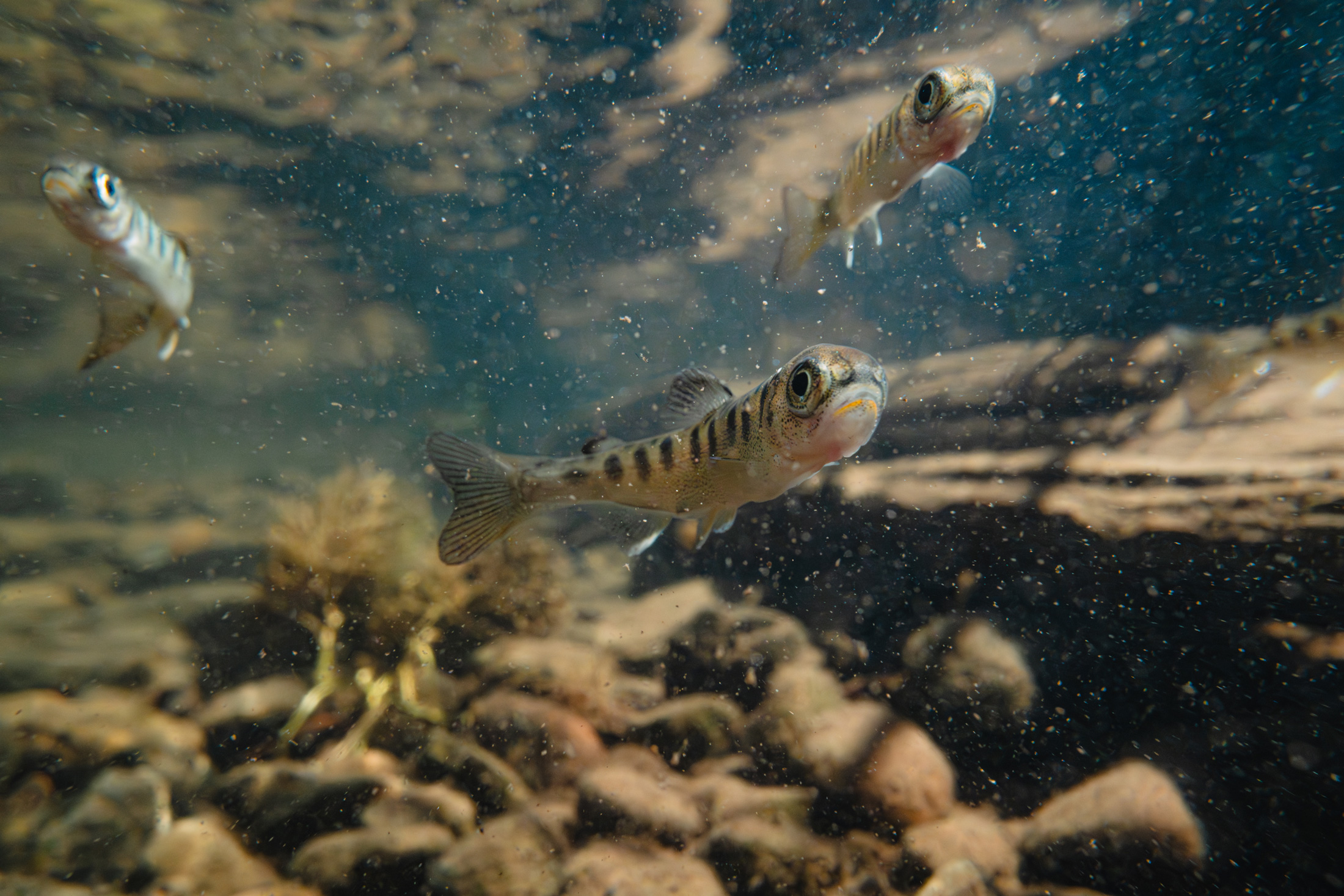
Yet, amidst the historical challenges, a powerful wave of change is sweeping through the Klamath Basin, ushering in a more promising era for its fish and the tribal cultures they sustain. October 2024 marked a monumental turning point with the successful removal of four outdated and underperforming hydroelectric dams on the lower Klamath River. This ambitious undertaking, the largest dam removal and river restoration project in US history, immediately yielded astounding results. Pacific lamprey, steelhead, fall Chinook salmon, and other anadromous fish, blocked for over a century, began their miraculous return migration to the upper basin. Jordan Ortega, an anadromous fish specialist for the Klamath Tribes, reported that an astonishing 20 coho salmon reached as far as Oregon before the year’s end, an unprecedented feat. "Almost all the anadromous species are responding favorably to dam removal," Ortega observed, highlighting the remarkable resilience of nature when given the opportunity to heal. While two dams, Kino Dam and Link River Dam, still remain in the upper Klamath River, equipped with fish ladders that offer some passage, their impact is significantly less than the barriers that have now been dismantled. This historic achievement is the culmination of decades of advocacy, particularly by tribal nations, environmental groups, and state agencies, united in a vision of a free-flowing Klamath.
In a further sign of collaborative progress, earlier this year, the Bureau of Indian Affairs (BIA) and the National Oceanic and Atmospheric Administration (NOAA) jointly announced a $5.9 million competitive grant opportunity for tribal salmon restoration efforts. The Klamath Tribes learned of this crucial funding avenue from their downriver relatives, the Yurok Tribe. Chairman Ray swiftly initiated contact with state and federal offices, including the governor’s office and the Oregon Department of Fish and Wildlife, with whom the Klamath Tribes had already developed comprehensive post-dam-removal plans for fish reintroduction and monitoring natural repopulation.
However, a bureaucratic hurdle immediately emerged. Ray discovered that the BIA and NOAA grant was ostensibly intended only for "salmon restoration tribes." Due to the century-long extirpation of salmon from Klamath ancestral territory, the federal government did not officially categorize them as such, rendering them ineligible to apply. Ray’s aghast reaction was visceral: "We’re trying to put salmon back into our territory, right? So how couldn’t we be a salmon tribe?" This regulatory paradox, where the very act of historical damage prevents a community from participating in its repair, underscores the systemic challenges Indigenous nations often face in accessing federal resources despite their inherent rights and profound commitment to restoration.

Fortunately, the powerful bonds of inter-tribal solidarity prevailed. Mike Belchik, the Yurok Tribe’s senior water policy analyst, swiftly moved to assist. "First thing I did was contact Bureau of Indian Affairs and said, ‘Can you add Klamath Tribes to the list?’" Belchik recounted. Although the BIA deemed it too late in the process to amend the initial criteria (stating in an email that "this funding opportunity prioritized certain hatcheries that raise stocks of Pacific salmon"), the Yurok Tribe, demonstrating unwavering commitment, applied for the grant themselves and extended an invitation to the Klamath Tribes to "piggyback" on their application. This act of profound collaboration bore fruit: the BIA ultimately awarded the grant jointly to the Yurok Tribe, the Klamath Tribes, and the Oregon Department of Fish and Wildlife. Belchik confirmed that the Yurok Tribe will serve as a pass-through entity, channeling the funds directly to the Klamath Tribes and providing administrative support.
This collaborative effort powerfully refutes the common misconception that the Yurok and Klamath Tribes are rivals in the ongoing struggle for water rights—the former striving to restore salmon in the lower basin, while the latter seek water to save their culturally significant c’waam and koptu fish in the north. Belchik emphatically states that their relationship has never been competitive. "Our council, our leadership, pledged to help the Klamath Tribes in any way they could," he affirmed. "We made a promise to them. When this funding opportunity came up, that’s who we thought of." He rightly points out that an expanded run of spring Chinook salmon ultimately benefits both tribal nations and the entire ecosystem. "We have pushed, as have the Klamath Tribes, for the treatment of the entire basin as an ecosystem of which all parts are important," Belchik explained, underscoring a holistic vision of environmental stewardship. "It’s heartfelt," he added, "My direction from council is to make that real." This model of inter-tribal cooperation offers a compelling blueprint for resolving complex environmental challenges and advancing shared conservation goals across vast landscapes.
The substantial grant is now bolstering an innovative restoration strategy centered on the expansion and deployment of "remote site incubators," as detailed by Jordan Ortega. These ingenious devices, sets of panels designed to mimic the conditions of a natural salmon redd and roughly the size of one, are placed directly in the river. Each unit is capable of supporting a few thousand fertilized eggs, providing crucial protection from predation and other environmental threats during their most vulnerable developmental stages. The overarching goal is to strategically establish these remote site incubators across a diverse range of thermal and flow regimes within the newly accessible river segments. This approach is critical for fostering "life-history diversity," a fundamental evolutionary strategy of Chinook salmon. Ortega elaborated that this diversity simply means they employ "a lot of different things to achieve the same goal," adapting to various environmental conditions, thereby enhancing the overall resilience and genetic robustness of the returning populations. This sophisticated, low-impact method represents a significant advancement in fisheries restoration, moving beyond conventional hatchery practices to support a more natural and sustainable re-establishment of wild salmon runs.
The immediate post-dam removal response from the salmon has been nothing short of extraordinary. Typically, salmon exhibit strong natal homing, returning to spawn in the very streams where they were born, with only about 5% venturing into new territories. However, the Klamath fish have shattered this statistical norm. Out of an estimated 60,000 to 70,000 returning fish, an astounding 13,000 migrated past the former dam sites, exploring the newly opened upper basin. "So we’re talking about a much larger fraction than you typically see in the literature," Ortega noted, indicating an unprecedented eagerness to recolonize their ancestral spawning grounds. This rapid and widespread exploration underscores the urgent biological imperative of these anadromous species to access suitable habitat. Further validating the efficacy of these targeted restoration efforts, the Klamath Tribes achieved a remarkable hatch-success rate of over 99% when testing the remote site incubators with 10,000 fertilized eggs obtained from the Trinity River Hatchery.

Just last month, a truly historic moment unfolded: the first spring Chinook salmon in over a century returned to the upper basin, a powerful symbol of hope and recovery. Ortega explained that, thus far, most of the returning salmon have been the fall-run Chinook, which are generally more numerous and widely distributed. Spring Chinook, revered for their exceptional flavor and cultural significance, are more narrowly distributed, with their primary strongholds in the lower basin’s Trinity River and Salmon River, closer to the ocean. Given their smaller population size and specific habitat requirements, these "springers," as they are affectionately known, require a more focused boost to successfully re-establish themselves in the upper basin—precisely the role of the remote site incubators.
The return of the salmon has also brought into sharp focus long-standing historical narratives and treaty rights. Chairman Ray recounts how many non-Native locals had historically denied that salmon ever populated the upper basin, often propagating misinformation that minimized Indigenous claims to the resource. "There’s a lot of naysayers all over the place saying that we trucked them around the dams and that they were never here," Ray said. "Well, they’re here." Now, with undeniable proof of salmon presence, Ray observes a new dynamic: "We have fought so hard since 1909 to get our salmon back, and now the people that see them in the basin, and are non-Indians, now they want to fish them." He recently overheard a conversation in a restaurant where people expressed excitement about fishing the returning salmon, seemingly unaware of the profound irony and the historical context. "They said, ‘Do you know how awesome it is to have these salmon back? We can’t wait to fish them.’ Well, wait a minute. Let’s back up here a minute. This is a treaty protected resource under the Treaty of 1864," Ray emphasized, highlighting the legal and moral precedence of tribal sovereignty and resource rights. "We’re the one that’s been harmed here." The return of the salmon unequivocally validates Indigenous Traditional Ecological Knowledge and reaffirms the historical presence of these vital species in their ancestral lands. "It’s a blessing by Creator, because now it’s undeniable," Ray concluded, acknowledging the profound spiritual significance of this ecological triumph. Mike Belchik of the Yurok Tribe also underscored a shared vision for the future, noting that the "ultimate purpose of dam removal, whether you’re talking fall or spring or steelhead or anything, is that there’s a harvestable surplus for all."
Looking ahead, Phil Milburn, a wildlife biologist at the Oregon Department of Fish and Wildlife, prudently advises patience. "Everybody’s excited about the return of the fish and what that could ultimately mean," Milburn acknowledged, "But we are probably years away from having even initial discussions about harvest, because the goal is re-establishment of these species in Oregon." The next phase of this ambitious restoration will see the tribes installing additional remote site incubators in the coming year, with adult spring Chinook salmon expected to return in greater numbers as early as 2030, marking a significant milestone in their recovery.
Chairman Ray views the Klamath watershed’s restoration as a unique global opportunity, largely facilitated by the absence of a major metropolitan area. "There’s an opportunity for us to set a new standard, to show America that we can restore, as humans, a watershed that’s been degraded for the last 100-plus years," he declared. He expresses immense pride in the leadership role that tribal nations are playing in this monumental endeavor, showcasing Indigenous-led conservation as a powerful model for ecological healing and climate resilience worldwide. "There’s a lot of positive things going on, and we’re fighting like heck," Ray affirmed, conveying the urgent and sustained commitment required. "We have to be very speedy. We have to have all cylinders going." The Klamath River restoration is not merely an environmental project; it is a testament to the enduring spirit of Indigenous peoples, a powerful narrative of ecological justice, and a beacon of hope for rivers and communities grappling with the legacies of industrial development across the globe.







