

 Rocky Gerung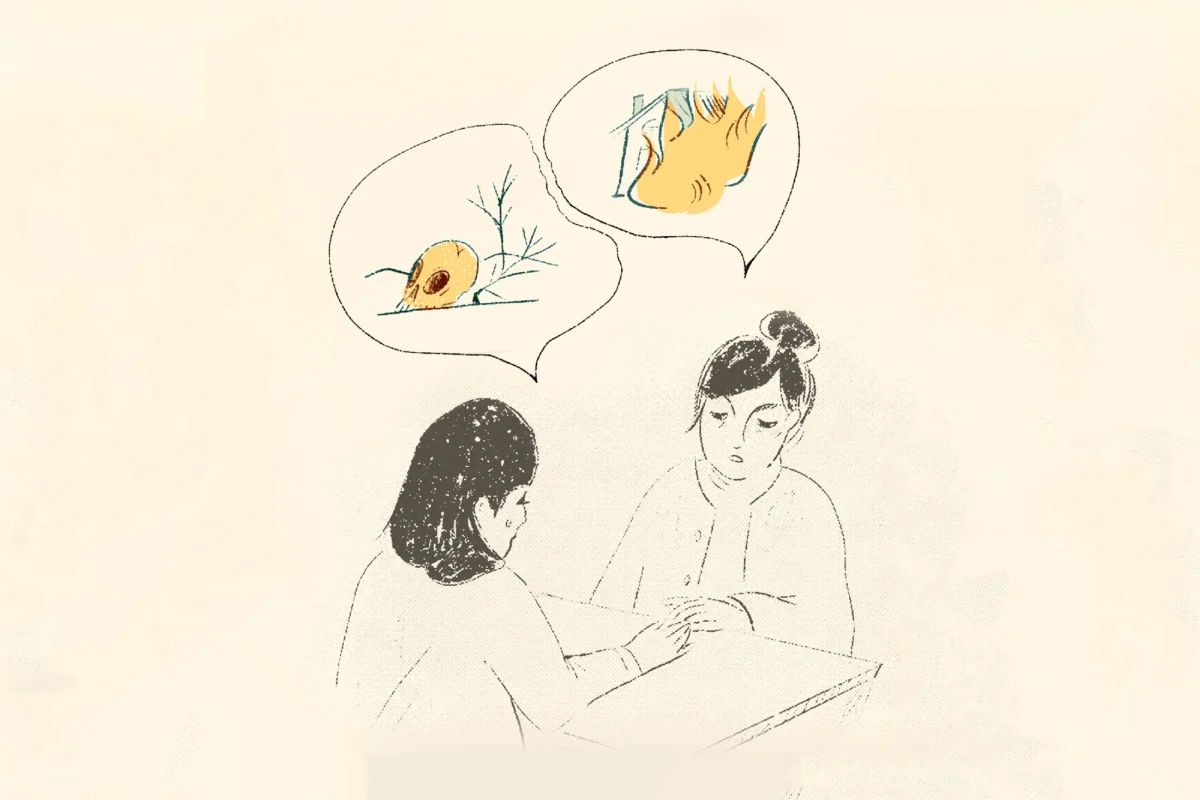
A significant majority of Americans, approximately two-thirds, report feeling concerned about the escalating climate crisis, yet a substantial portion remains unaware of their potential to enact meaningful change. This disconnect is evident as communities grapple with increasingly severe weather events, from the destructive wildfires that regularly engulf California to the unprecedented low snowpack in the Rockies, which jeopardizes water supplies for millions. The devastating impact of a recent spring heatwave that decimated the remaining mountain snow further underscores the tangible consequences of a warming planet. While many acknowledge that scientific consensus attributes the intensity of these events to climate change, the pathway from awareness to tangible action is often unclear. Atmospheric scientist Katharine Hayhoe proposes a fundamental, yet often overlooked, starting point: open and consistent dialogue.
Dr. Hayhoe, a distinguished professor at Texas Tech University, has garnered recognition not only for her pioneering research but also for her extensive public outreach efforts, including her influential "Talking Climate" newsletter. She possesses a remarkable ability to connect with individuals from diverse backgrounds, meeting them where they are in their understanding and concerns, while simultaneously maintaining a clear focus on the broader global picture. In recent discussions, she has emphasized the critical role of conversation in fostering climate action, particularly in an era often characterized by climate despair, denialism, and overwhelming information. Hayhoe envisions a future, perhaps by the 2030s, where a powerful mass movement emerges, advocating for ambitious climate solutions and driving transformative societal change. She posits that such a movement could originate from the most unassuming of exchanges, sparked by everyday conversations with neighbors, classmates, or even casual acquaintances at bus stops and barber shops.
Hayhoe firmly asserts that initiating conversations about climate change is the crucial first step toward catalyzing collective action. She explains that this dialogue is instrumental in moving individuals from a passive understanding of the issue to active engagement. "If we want to catalyze action in any sector, whether it’s in electricity, transportation, food, resilience or anything, talking is the first step," she states.

The power of conversation lies in its ability to bridge the gap between widespread concern and individual or collective action. Data consistently shows that a large majority of people are worried about climate change; in the United States, this figure hovers around two-thirds, and in many other nations, it is even higher. Despite this pervasive concern, a surprisingly small fraction of individuals report having heard anyone discuss climate change recently. Hayhoe argues that without open discussion, the issue remains abstract and lacks personal relevance, diminishing the motivation to act. She outlines a three-part framework for effective climate engagement: "head, heart, and hands." The "head" represents the intellectual understanding that climate change is real and occurring, a point with which many are already familiar. However, bridging the "head to heart" gap is crucial, as many who acknowledge the reality of climate change do not perceive its immediate personal impact. Hayhoe explains that by connecting observed weather phenomena – such as intensified wildfires or unusual heatwaves – to the broader climate crisis, individuals can begin to see how it already affects them and their loved ones. Finally, the "heart to hands" connection is forged by highlighting tangible, scalable solutions that are already being implemented and that can improve lives, thereby transforming abstract worry into concrete action.
Hayhoe, who resides in Texas, a state experiencing a wide array of climate-related disasters akin to California’s challenges, observes a consistent pattern in her interactions. For years, she has posed the question, "Do you feel like the weather is getting weirder?" to diverse groups, and virtually no one has responded in the negative. Most individuals readily share numerous personal anecdotes about unusual weather patterns. Hayhoe’s approach involves patiently guiding these conversations, helping people connect their lived experiences to the overarching reality of climate change. "That’s exactly what’s happening here, and it’s happening all over the U.S. and all around the world. This is the number-one way that climate change is affecting us," she explains, thereby facilitating the crucial head-to-heart connection organically.
Regarding the impact of political shifts on climate action, Hayhoe uses the metaphor of a "giant boulder of climate action rolling down the hill." While acknowledging that federal policies can influence the slope, making the descent easier or harder, she emphasizes that the momentum is already established. She points to ongoing action at the individual, city, and state levels, as well as within companies, demonstrating that the "boulder" cannot be stopped. "You cannot stop clean energy," she asserts, highlighting the irrepressible growth of renewable energy technologies.
The phenomenon of "climate hushing," a reluctance to discuss climate change due to the prevailing political climate, has indeed become more noticeable, particularly in response to federal government actions. Hayhoe has observed a decline in the willingness of individuals and organizations to engage in climate discussions, especially those concerned about potential repercussions from the federal government.

To counter this trend of climate hushing, Hayhoe advocates for framing climate action in ways that resonate with people’s existing values and concerns. She recounts an experience where she deliberately avoided using the phrase "climate change" when speaking to water managers in Texas, who were primarily interested in data, long-term trends, and drought management. Instead, she focused on climate variability, historical data, future projections, and climate resilience, topics that directly addressed their professional concerns. The presentation was met with widespread approval, and a particularly telling moment occurred when a woman, who had expressed disagreement with those who speak about "global warming," enthusiastically endorsed Hayhoe’s entire presentation, stating, "But I agree with everything you said!" This experience underscored for Hayhoe that the substance of the conversation, rather than the specific terminology used, is paramount.
For individuals experiencing despair about the climate crisis, Hayhoe suggests that this despair often signifies a deep understanding of the issue ("head") and a connection to its personal implications ("heart"). The critical missing link, she argues, is the "heart to hands" connection – the belief that meaningful action is possible. She critiques an overemphasis on individual actions, such as dietary choices or transportation methods, suggesting that true social change historically arises from collective efforts and advocacy. Drawing on the example of the Civil Rights Movement, Hayhoe points out that significant societal shifts were driven not solely by individual actions but by the unified voices of many advocating for change. "Work together with others," she urges, emphasizing that this collective action, rather than isolated personal efforts, is the most effective path to transforming the world.








