

 Joko Susilo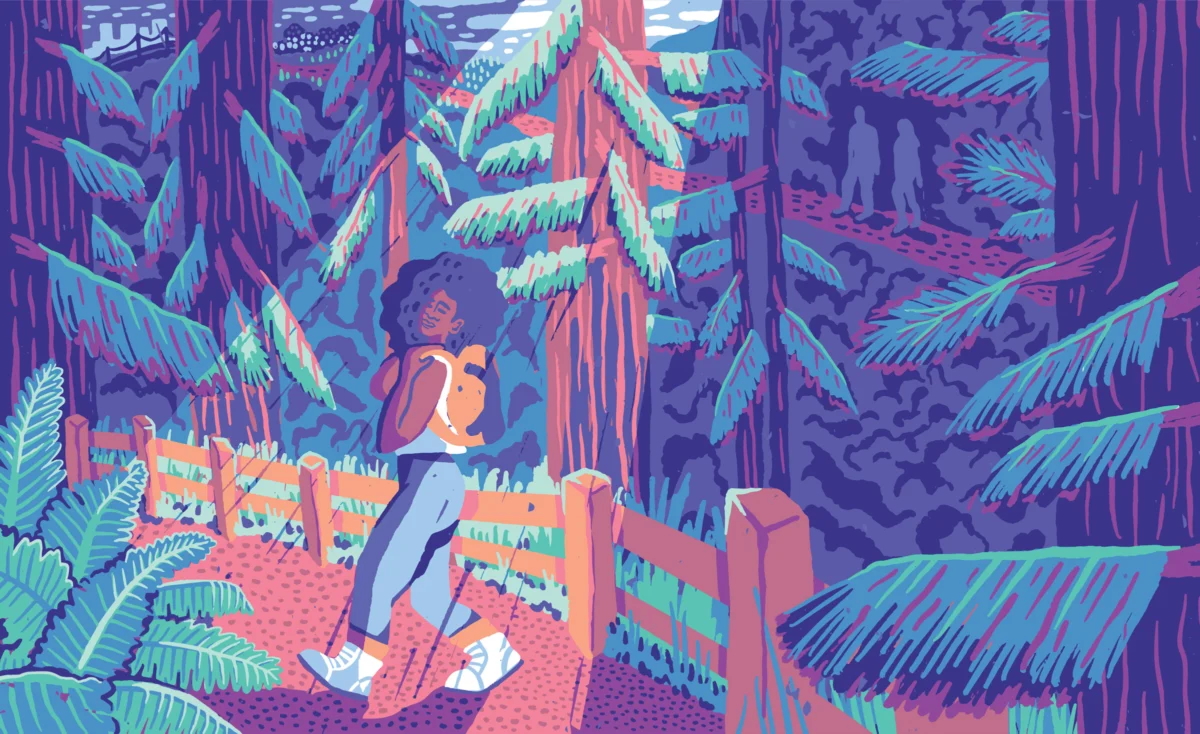
The indelible image of Emmett Till, a young boy brutally lynched while visiting relatives in the Jim Crow South, remains a haunting cornerstone of American history, forever seared into the national consciousness and particularly within the Black community. For many, this tragic fate, brought to light through powerful documentaries like Eyes on the Prize, became a seminal moment of understanding the profound and often deadly implications of racial prejudice. The casual, almost resigned admission from a father, when asked if he knew anyone who had been lynched—"All the time"—underscored the pervasive, systemic violence that historically shaped Black existence in America, fundamentally limiting freedom and access, especially within outdoor spaces that were frequently rendered exclusive, unwelcoming, or even perilous.
Yet, the narrative of Black experience in nature is not solely one of pain and peril; it is also a testament to remarkable resilience, ingenuity, and a profound connection to the land. This complex duality, the ability to hold multiple truths simultaneously, is epitomized by families who, despite the historical traumas of the Jim Crow era, forged lives of agency and joy. Such families often cultivated their own havens, transforming land into vibrant spaces of respite and celebration. Imagine a 14-acre hobby farm in California’s rolling, oak-studded hills, replete with fruit trees, flourishing gardens, and a swimming pool – a tangible manifestation of a "can-do determination" and a spirit of hospitality that became a vital tradition for many Black families in nature. This commitment to tending animals, tilling the soil, and sharing abundant harvests with friends and family was, and remains, a powerful act of resistance and self-determination, weaving qualities of resilience into the fabric of everyday life.
However, the question of safety and comfort in outdoor environments persists as a central theme, profoundly influencing the contemporary experience of Black Americans engaging with nature. This fundamental concern animates conversations within organizations like Outdoor Afro, founded in 2009 to reconnect Black Americans with the natural world. Even amidst the cheerful signage of a trailhead or the communal glow of a campfire, the quiet, sometimes urgent, query still surfaces: "Will we be safe here?" The feeling of unsafety extends beyond the explicit threat of physical violence, manifesting in subtle yet potent forms of discomfort: a lingering stare, an overtly awkward question about one’s presence, or the weight of unspoken scrutiny. These "silent conversations," as one prominent advocate describes them, often convey a potent message of unwelcome, echoing historical patterns of exclusion without a single word being uttered.
A vivid childhood memory illustrates this phenomenon: a youth church event in an affluent, predominantly white hillside neighborhood park in Oakland, California. The initial exuberance of children exploring a redwood-canopied playground, breathing cool air, gave way to a palpable shift in atmosphere as the sun began to fade. A heavy scrutiny, cast by nearby adults, settled upon the group. Nothing explicit was said, yet the message was clear: it was time to leave. This experience cemented an early understanding that some of the most consequential interactions in outdoor spaces unfold in silence, rooted in implicit biases and historical perceptions of who "belongs" in certain environments.
Historically, the legal and social framework of segregation in the United States actively barred Black Americans from public spaces, including parks, swimming pools, beaches, and picnic grounds, often with violent enforcement. The concept of "Sundown Towns," municipalities where Black individuals were compelled to leave before nightfall to avoid threats of violence or arrest, was not merely anecdotal but a widespread reality. Lists of these towns circulated, shaping travel routes and deeply ingrained habits across generations, creating tangible barriers that influenced where Black families could live, work, and recreate. This systemic exclusion not only denied access to natural beauty and recreational opportunities but also profoundly impacted mental and physical well-being, fostering a deep-seated apprehension about venturing into unfamiliar territories.
In response to these pervasive restrictions, Black communities often created their own vibrant outdoor destinations. Before the Great Migration, when the vast majority of Black Americans resided in the rural South, many tenaciously pursued their connection to nature, establishing independent havens. Places like Idlewild, Michigan; Oak Bluffs on Martha’s Vineyard; and Lincoln Hills, Colorado, emerged as vital hubs of enterprise, recreation, and community life. These destinations drew Black families from across the country, offering safe spaces to recreate free from the oppressive weight of racism. They built robust infrastructures: overnight inns, campgrounds, guiding services, outfitters, and programming for children, fostering thriving communities where Black culture flourished amidst natural beauty.

During this era, The Negro Motorist Green Book, or simply The Green Book, became an indispensable travel companion for Black Americans. Conceived by Victor H. Green, a New York postal worker, the guide meticulously listed safe havens along interstates – accommodations, dining establishments, shops, entertainment venues, and outdoor destinations that welcomed Black travelers. Regularly updated and widely circulated through Green’s professional network, The Green Book offered a critical layer of protection and dignity, enabling Black families to navigate a deeply segregated nation. Its publication ceased around 1964, following the passage of the Civil Rights Act, as its publisher optimistically believed the need for such a guide had finally passed.
However, the passage of legislation, while monumental, did not immediately erase generations of ingrained prejudice and exclusion. Feelings of being unwelcome persisted, prompting many families to remain closer to home rather than risk encountering uncertain territory. As Black Americans migrated en masse to Western and Northern cities during the Great Migration, many of the old Black-owned and operated enclaves gradually faded, were sold, or disappeared through processes like eminent domain, further diminishing dedicated safe spaces. This left a lingering uncertainty over safety in outdoor environments, particularly in remote public lands far from one’s own community.
The complexities of navigating outdoor spaces in a racially charged landscape continue to unfold in contemporary experiences. A founder of Outdoor Afro recounted a dove hunt in California’s sweltering Central Valley in 2020, a year marked by heightened social and racial tensions across the nation. Lost amidst waist-high grass, surrounded by individuals who did not share her racial background, many carrying loaded firearms, she encountered a man whose "hard, measured gaze" triggered an immediate instinct of unwelcome, primarily attributed to her race. Yet, with more years of public-land hunting experience, a more nuanced understanding emerged. The man’s cold frustration might have stemmed less from racial prejudice and more from the competitive, territorial nature of the sport itself. He had likely invested significant time and effort—researching, rising before dawn, driving long distances, and hiking in to secure a prime hunting spot—only to have it seemingly "intruded upon" by a wandering stranger.
Indeed, seasoned outdoorspeople often guard their prized spots: a stretch of river where fish are biting, a ridge frequented by elk, or a secluded flat on Bureau of Land Management land offering a perfect morning view. These locations are rarely freely shared with strangers, reflecting a quietly competitive aspect of outdoor culture and a legitimate concern that excessive attention can diminish the quality of a cherished spot. This protective attitude, while understandable within the subculture of dedicated outdoor enthusiasts, can easily be misinterpreted as coldness or outright hostility by newcomers, especially those who already carry the burden of historical exclusion and racial scrutiny. Recognizing this distinction provides a grounding understanding, revealing that many moments of perceived unwelcome may stem from the inherent dynamics of outdoor competition and safety considerations, rather than identity-based prejudice alone.
Beyond the interactions with strangers, another dimension of the safety question lies in the profound impact of shared history and cultural context. Growing up in Oakland, for instance, the diverse demographics of hikers in places like Joaquin Miller Park mirrored the city itself, fostering a natural sense of belonging. This starkly contrasted with the childhood afternoon in the affluent park, underscoring how place and context fundamentally shape the outdoor experience. Yet, venturing farther afield often shifts this dynamic. An Outward Bound mountaineering trip at age 20, where one was the sole Black woman in the group, highlighted the "quiet wondering that surfaces when no one around you shares your history, humor and way of reading the world." This feeling of cultural isolation, while distinct from overt hostility, can be profoundly alienating. Nevertheless, moments of shared human connection can transcend these divides; an instructor’s simple advice, "trust your feet," can spark the courage needed to overcome fear and reach a summit, demonstrating that isolation can coexist with powerful support.
In many respects, organizations like Outdoor Afro are carrying forward the legacy of The Green Book for a new generation. Victor Green’s foundational belief that Black people deserved to move through the world freely and with dignity propelled him to create a tool to realize that vision. Similarly, Outdoor Afro is building a contemporary "living map," woven from shared stories, collective experiences, and nurturing relationships, empowering Black individuals to navigate unfamiliar outdoor places with confidence and joy. Where previous generations inherited painful memories of exclusion, the current generation has the unprecedented opportunity to forge and share narratives of connection, confidence, and profound joy in nature.
Every Black person who steps onto a trail today, casts a fishing line for the first time, or awakens to birdsong in a tent carries forward a powerful legacy. They embody the spirit of those who built havens like Idlewild and Lincoln Hills, transforming spaces of potential exclusion into arenas of empowerment. Every invitation extended, every group trip organized, and every new outdoor experience expands the horizons of what the next generation believes is possible, fostering a deeper, more inclusive connection between Black Americans and the natural world. This ongoing journey is about reclaiming heritage, building community, and ensuring that the restorative power of nature is accessible and welcoming to all.









