

 Joko Susilo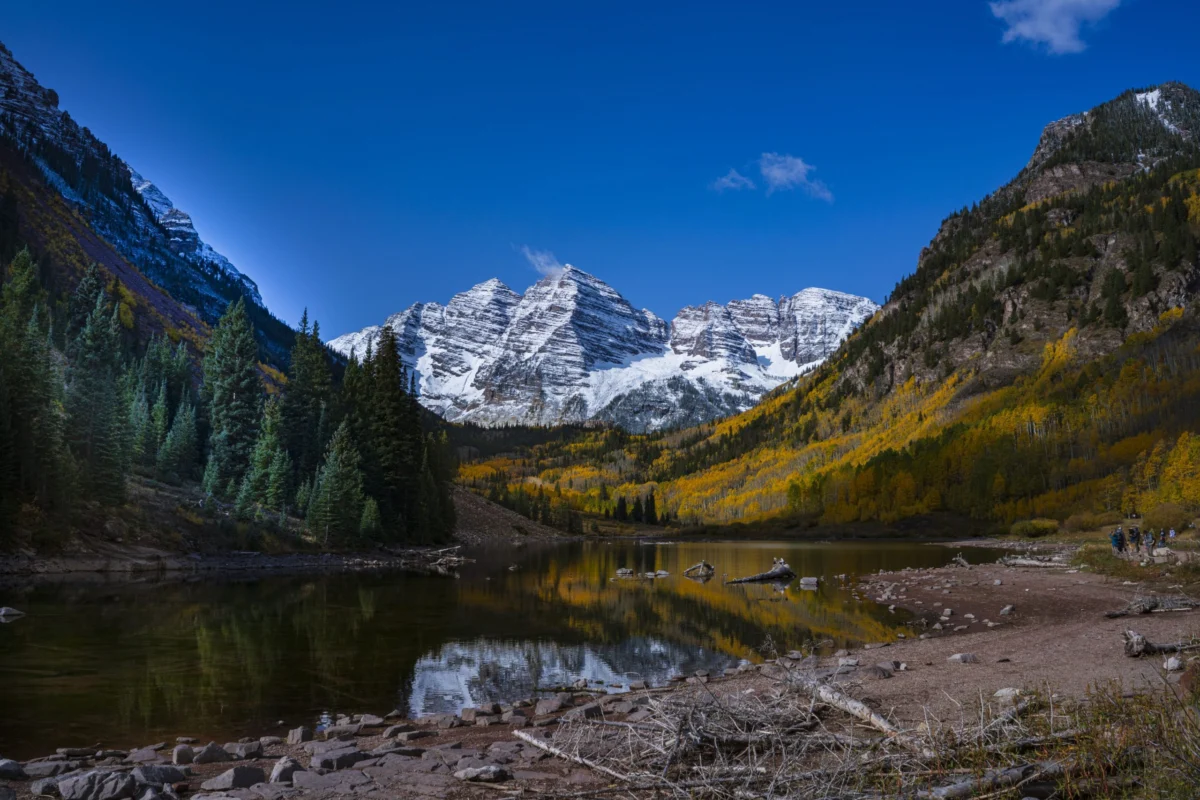
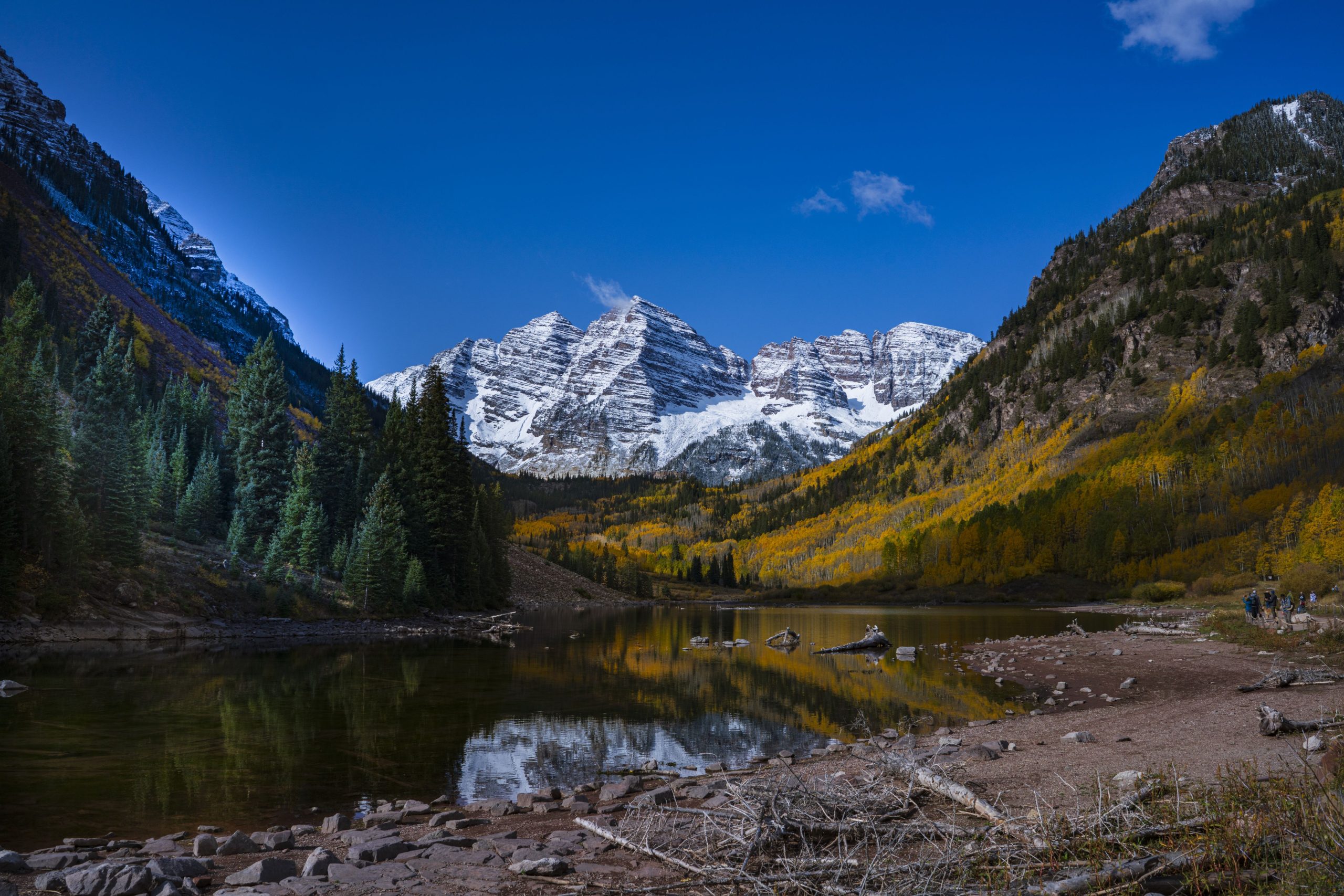
The iconic Maroon Bells, a breathtaking panorama of 14,000-foot peaks nestled in the Colorado Rocky Mountains and a magnet for hikers and sightseers, faces a pivotal management transition, sparking widespread concern that this move could herald a broader trend towards the privatization of America’s cherished public lands. This shift, driven by severe budget cuts and persistent staffing shortages within the U.S. Forest Service, transfers operational control of the heavily visited scenic area to Pitkin County, Colorado, a decision that has ignited a national conversation about the future stewardship of natural treasures.
On September 23, Pitkin County commissioners unanimously approved a special use permit, empowering the county to assume operational responsibility for the Maroon Bells Scenic Area. Concurrently, they established a dedicated fund, to be financed by increased site fees, aimed at covering the substantial maintenance and operational costs of this immensely popular destination. This local initiative comes in response to a growing deficit in federal resources, highlighting a deepening crisis for the agencies tasked with safeguarding vast swathes of the American landscape.
The scenic area, situated approximately 10 miles outside the upscale resort town of Aspen, serves as the primary gateway to the sprawling 181,000-acre Maroon Bells-Snowmass Wilderness, itself a jewel within the 2.3 million-acre White River National Forest. The White River National Forest holds the distinction of being one of the nation’s most visited national forests, attracting an astonishing 191,000 visitors to the scenic area alone between May and October of the previous year. This immense popularity underscores the critical need for robust management and sustainable funding.
The U.S. Forest Service, traditionally responsible for overseeing the area, openly admits its current inability to manage it effectively due to a critical lack of personnel and financial resources. The agency has endured a significant exodus of talent, losing nearly 6,000 employees in 2025. Compounding this challenge, the President’s proposed budget for fiscal year 2027 threatens to further decimate the agency, proposing a staggering 75% cut to its overall funding. The impact on the ground is stark: the White River National Forest, a crucial ecological and recreational asset, has seen its year-round staff shrink by a third since 2024, plummeting from 169 to a mere 111 employees, according to an analysis by Aspen Journalism. This decade-long decline in the Forest Service’s budget has left many areas, including Maroon Bells, operating deeply in the red, with Forest Supervisor Brian Glaspell reporting an annual deficit exceeding $300,000 for the iconic site.
In this context of federal retreat, Pitkin County is poised to assume management in 2027. While local officials frame this as a necessary, pragmatic solution to an immediate problem, critics nationwide view it with profound apprehension, interpreting it as a dangerous harbinger of accelerated privatization. The Forest Service, notably, has remained silent on these broader concerns, declining requests for comment on the implications of this transfer.
Aaron Weiss, executive director of the Center for Western Priorities, articulated these fears succinctly, stating, "This is the camel’s nose under the tent. The Trump administration wants to sell off lands wherever it can and privatize lands wherever it can’t. So this is the test case for privatization." This sentiment reflects a deep-seated anxiety among environmental groups and public land advocates about the long-term vision for America’s natural heritage.
Within the Roaring Fork Valley, the local community and environmental organizations, while critical of the underlying federal disinvestment, largely support Pitkin County’s immediate intervention. Will Roush, executive director of Wilderness Workshop, an influential environmental watchdog group based in the valley, commented, "The county is responding to unfortunate circumstances on behalf of our community. The real tragedy is this administration’s failure to adequately invest in and staff our federal land-management agencies and the places that are so fundamental to our state’s identity." This perspective highlights the difficult position local entities find themselves in, forced to step in where federal support has receded.
The tangible consequences of these federal budget cuts are evident in the widespread deferred maintenance and neglected repairs across public lands. Gary Tennenbaum, director of Pitkin County Open Space and Trails, noted that the county has already been instrumental in repairing and reopening bathroom facilities and clearing hazardous mudslide debris in the Maroon Bells area. Tennenbaum, dismissing the notion that this management transfer sets a dangerous precedent, argued, "the precedent has already been (set) that the federal government is not going to fund these things." His statement underscores a pragmatic acceptance of the current fiscal reality and the imperative to act locally to preserve valued resources.
Initially, the exact acreage Pitkin County would manage remained unclear, another point of contention among those scrutinizing the transfer. However, the Forest Service later released a map clarifying that Pitkin County would manage approximately 1,300 acres of the scenic area. County staff emphasize that the paramount importance of preserving and managing such an iconic landscape outweighs the broader privatization fears. "You got to find a way to manage the resources, because they’re too special to let go," Tennenbaum asserted, adding, "The reality right now is our public lands are in trouble, and there are a lot of good counties out there that want to help."
Tennenbaum also revealed a critical factor influencing the county’s decision: the Forest Service had indicated that if Pitkin County did not assume management, the agency would be compelled to solicit bids from private concessionaires. Critics warn that under a private entity, driven by profit motives, access fees would almost certainly escalate far beyond what is anticipated under county management, potentially limiting access for a segment of the public. Weiss likened this situation to a veiled threat, remarking, "The Trump administration is pulling a ‘That’s a nice mountain you got there, it would be a shame if something happened to it’ routine."
Should this management transfer indeed set a precedent, it raises significant concerns about equitable access and stewardship across the vast and varied landscape of U.S. public lands. Pitkin County, home to the internationally renowned ski destination Aspen, is an anomaly, possessing a robust tax base and considerable financial resources. Many other counties, particularly in rural and economically disadvantaged areas, simply lack the means to assume responsibility for facility and land management, let alone fund the enormous backlog of repairs and maintenance required for federal lands within their borders.
Mark Squillace, a distinguished professor of natural resource law at the University of Colorado Law School, articulated this concern in a September 14 letter to county commissioners and the Forest Service. He warned, "A concession for Pitkin County is a slippery slope that could lead the Forest Service to pursue agreements like this in many other national forests with public and private parties that may not have the resources or commitment that Pitkin County brings to the table." This highlights the potential for a two-tiered system, where only affluent areas can afford to maintain their public amenities, exacerbating disparities in public land access and quality.
Furthermore, this management transfer represents the first high-profile test of the Forest Service’s revised National Environmental Policy Act (NEPA) rules. Implemented in April, these new regulations allow public-lands agencies to approve certain actions, known as categorical exclusions, without public input or a detailed written finding. While the Forest Service, following public backlash, did add a 15-day comment period that concluded on October 9, the underlying mechanism remains controversial. Categorical exclusions have historically been reserved for low-impact decisions, such as repainting buildings or temporary road closures during fire season, on the premise that such actions do not significantly affect the environment and therefore do not warrant full NEPA review. However, Squillace vehemently argues that applying a categorical exclusion to a transfer of management responsibility, even partial, stretches the intent and legality of these provisions.
"The idea that the Forest Service can lawfully categorically exclude this proposal is laughable," Squillace asserted. In a written response, Forest Supervisor Glaspell countered this, stating that issuing the permit does not constitute a "wholesale transfer" of management but rather "an authorization to conduct activities in a specified manner." This semantic distinction, however, does little to assuage the fears of those who see a fundamental shift in oversight. Weiss cautioned that such transfers are increasingly probable, especially in states like Utah that have openly expressed interest in privatizing public lands. "If you can do that at the Maroon Bells, at one of the most iconic hikes in the state of Colorado, why not anything else?" he posed, underscoring the potential for a domino effect across the Western states.
This is not an isolated incident of federal land managers seeking to alleviate financial and personnel strain, although the Maroon Bells case has garnered significant national attention due to the site’s prominence. In 2024, the Forest Service proposed a similar arrangement at Sweetwater Lake, also within the White River National Forest. In that instance, the agency suggested that the state of Colorado assume management, effectively operating the area as a state park. That deal ultimately transferred 840 acres to Colorado Parks and Wildlife, but critically, the Forest Service committed to a full environmental impact statement with a public scoping period, a stark contrast to the categorical exclusion initially pursued for Maroon Bells. The agency has not publicly addressed how these two distinct approaches to management transfer differ or why the level of environmental review varied so significantly.
Critics further worry that the Maroon Bells handoff could enable the county to implement fee increases that bypass established federal processes. Squillace points to the Federal Lands Recreation Enhancement Act, which permits federal agencies to enter into concession contracts with third parties for service provision on public land. However, this act explicitly states that agencies cannot delegate their core management responsibilities to these concessionaires. "I am concerned that the line between providing services and exercising management responsibility is pretty thin," Squillace noted, highlighting the ambiguity and potential for overreach in such agreements.
Many public-lands advocates view these transfers as opening a "Pandora’s Box," where public recreation sites are increasingly compelled to become self-funding. This model, they argue, could create perverse incentives for resource extraction or commercialization to maximize profits on federally managed lands, potentially compromising ecological integrity and public access. For Maroon Bells, the approved transfer will lead to price increases for vehicle entrance, season passes, and camping. Tennenbaum clarified that these adjustments, the first since 1997, merely align fees with those of comparable areas. Vehicle entry will rise from $10 to $30, and camping from $15 to $33, though shuttle fares will remain unchanged. Crucially, all generated revenue will be channeled into a dedicated fund exclusively for the management and upkeep of the Maroon Bells Scenic Area.
The Forest Service has stated it will carefully consider all public comments received during the brief period before formally signing the categorical exclusion. The permit also requires final approval from both the agency and the Department of Agriculture. If approved, Pitkin County will commence operations for the 2027 season under a five-year permit, with an option for renewal for an additional five years. The hope among local officials, as expressed by Tennenbaum, remains that federal funding for public lands will eventually be restored. "Hopefully, we can get a national reckoning, and we can get funding allocated to manage our public lands. Hopefully, that happens," he said. "And we would happily give it back." This aspiration underscores the extraordinary circumstances driving local action and the broader desire for a robust federal commitment to America’s natural heritage.








