Rocky Gerung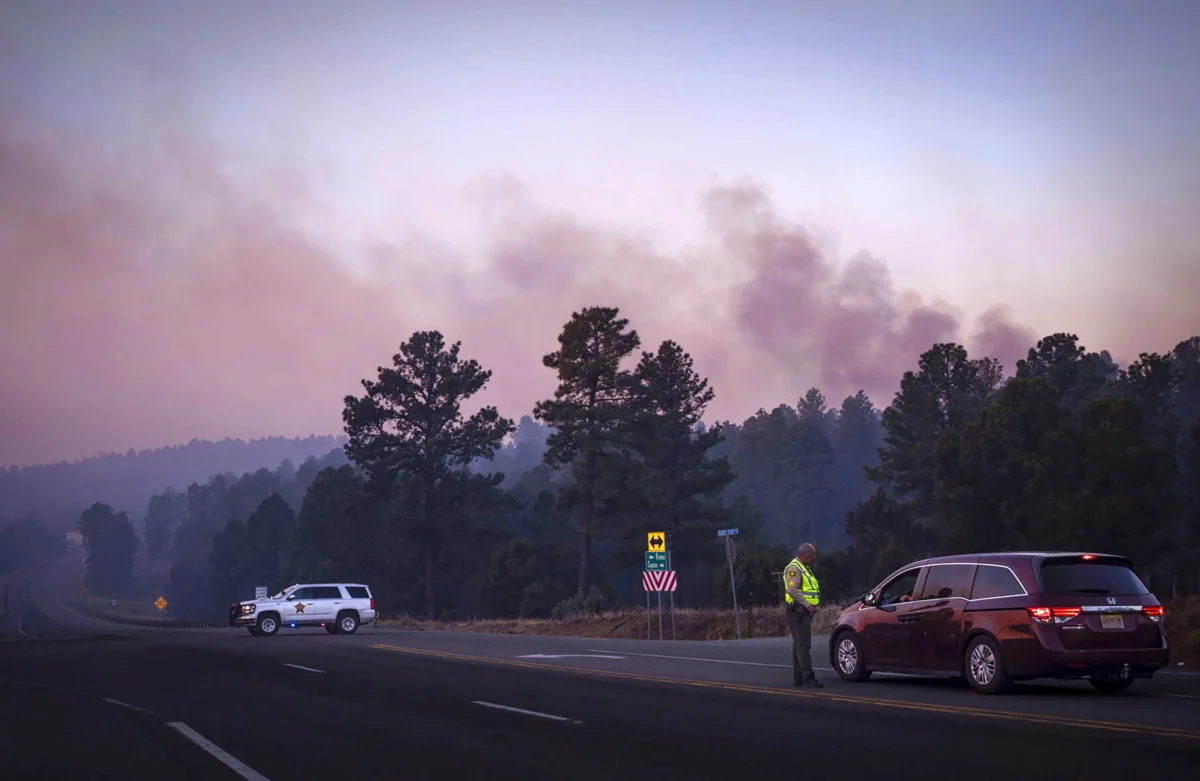
New Mexico Governor Michelle Lujan Grisham has utilized executive orders at an unprecedented rate, authorizing significant state funding in response to a wave of devastating climate-related disasters, including the destructive Salt and South Fork wildfires near Ruidoso in June 2024, followed by severe flash floods. These events have prompted over 85 executive orders in the Ruidoso region alone during that year, allocating nearly $66 million, with further allocations continuing into 2025 and the current year seeing over 30 executive orders supporting wildfire prevention and suppression efforts. This surge in emergency declarations reflects New Mexico’s status as one of the fastest-warming states in the U.S., with executive orders having increased fivefold since 2021, a trend that, while also addressing issues like food assistance and crime reduction, is overwhelmingly driven by climate-induced fires and floods.
Michael Coleman, a spokesperson for the governor’s office, confirmed the direct correlation between the escalating natural disasters and the increased reliance on executive orders, noting that legislative limits on each order, typically capped at $750,000, often fall far short of the actual costs incurred by such calamities. "Unfortunately, disasters do not abide by legislative caps," Coleman stated, highlighting the inadequacy of current financial frameworks to address the scale of these events. For the hard-hit rural communities, this state-provided funding has served as a crucial initial lifeline, but the growing frequency and intensity of climate-fueled disasters are presenting complex challenges that local leaders, state agencies, and the legislature are still grappling with.
Significant debates are underway regarding the sourcing of disaster relief funds, with concerns that out-of-state firms involved in post-disaster cleanup are siphoning emergency funding away from local economies. Furthermore, the process for obtaining federal reimbursement for declared emergencies, such as the one in Ruidoso, is often protracted, with payments sometimes taking years to materialize, leaving affected communities in prolonged financial distress.

According to the Climate Policy Bureau within New Mexico’s Energy, Minerals, and Natural Resources Department, four primary hazards are currently afflicting the state due to climate change: drought, flooding, extreme heat, and wildfire. While some, like State Representative Harlan Vincent of Ruidoso, have attributed the rapid spread and intensity of the Salt and South Fork fires to "extreme mismanagement of our forests" and a lack of brush thinning, the scientific consensus points to a broader climatic influence.
New Mexico’s forests are indeed facing severe stress, exacerbated by reduced snowpack and hotter, drier summers that lengthen the wildfire season. Compounding these conditions are extreme swings between prolonged drought and periods of intense rainfall, a phenomenon known as "hydro-climate whiplash." This volatile weather pattern has proven devastating for communities like Ruidoso and is projected by weather experts to become increasingly common across the Western United States. Lynn Crawford, the mayor of the Village of Ruidoso, described the combined impact of fires and floods as an unending disaster that destroyed homes, infrastructure, and the very fabric of the community.
The interconnectedness of climate disasters is further underscored by the number of flood warnings issued by the National Weather Service in Albuquerque. In 2024, nearly 40% of the 278 flood warnings issued across New Mexico were located in burn scar areas, indicating how wildfire devastation amplifies subsequent flood risks. Executive orders have been instrumental in the disaster response, particularly for communities unable to bear the financial burden alone. Following the 2024 fires, New Mexico’s Department of Homeland Security and Emergency Management allocated $250 million from executive order funds for debris cleanup from over 1,000 private properties in the Ruidoso area. These funds also supported critical emergency services, including incident command teams, swift water rescue operations, and sandbagging efforts. However, despite Ruidoso being declared a federal emergency, FEMA has only reimbursed $22.4 million, representing less than 9% of the anticipated 75% federal cost-share, highlighting the significant gap in timely federal financial support.
Adding to the financial complexities, a legislative report revealed that two out-of-state companies received nearly 60% of the emergency spending for the state’s largest disasters since 2022. One of these firms, Texas-based DRC Emergency Services, has faced accusations of overcharging, a claim disputed by the New Mexico Department of Homeland Security and Emergency Management. Representative Vincent expressed gratitude for the emergency declarations but criticized the state’s contractor selection process, lamenting that "All the money that (emergency services companies) make in New Mexico goes back out of state and doesn’t stay in New Mexico."

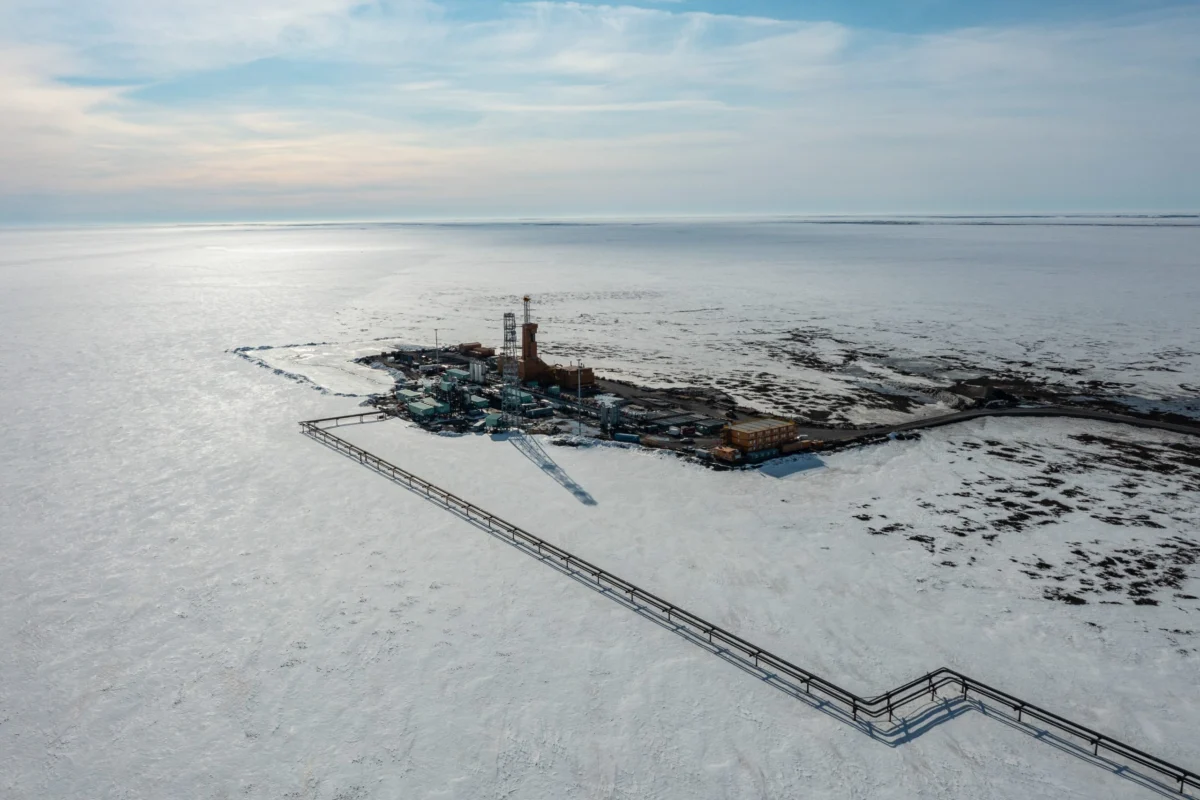
Ironically, the state is able to fund disaster relief, in part, through revenue generated by the oil and gas industry, a sector significantly contributing to the climate change driving these very disasters. New Mexico is a major player in the Permian Basin, the world’s largest oil-producing field, with the industry accounting for approximately 23% of the state’s carbon dioxide emissions and about 18% of its methane emissions, making it the largest contributor among all sectors. In 2025, revenues from this industry were projected to constitute 37% of the state’s general fund, its primary source of operational revenue.
Traditionally, a contingency account has funded emergency declarations, but the escalating frequency of these events has depleted this resource. Consequently, an estimated $300 million since 2023 has been drawn from the general fund to cover emergency spending. The reliance on oil and gas revenue in New Mexico, as in many other regions, is a contentious issue. Proponents argue it is the state’s economic lifeblood, while critics contend that the financial benefits are eclipsed by the true environmental and societal costs of fossil fuel extraction and consumption.
A coalition of environmental organizations, led by the Center for Biological Diversity, has voiced strong criticism of the state’s continued dependence on oil and gas revenues, asserting in a letter to the governor that everyday New Mexicans bear the brunt of pollution, health risks, and escalating climate damage. The coalition further warned that "The state budget has grown dangerously dependent on volatile fossil fuel revenues, and New Mexicans are on the hook for billions of dollars in clean-up costs." The expense of plugging abandoned or "orphaned" oil and gas wells alone is estimated to range between $700 million and $1.6 billion. Governor Lujan Grisham’s spokesperson, Michael Coleman, defended the governor’s approach, stating she has "taken a thoughtful approach to oil and gas that deploys its revenues to the best public uses in New Mexico," citing investments in universal childcare and free college, while also insisting the industry improve its environmental practices.
On the ground, local leaders are focused on securing any available funding to address the cascading costs of rebuilding after disasters. The Salt and South Fork fires alone caused an estimated $2 billion in damages, according to the National Centers for Environmental Information. Mayor Crawford of Ruidoso continues to work on securing federal funding for homeowners lacking flood insurance, comparing the lengthy wait for federal reimbursements to the frustrating experience of dealing with an insurance company after a car accident.

To alleviate such prolonged waits and provide more immediate financial relief, Representative Vincent co-authored legislation establishing a natural disaster revolving fund for federally declared emergencies in New Mexico. The state legislature passed this bill in 2025, creating a mechanism for zero-interest loans to political subdivisions, including counties, municipalities, land grants, and acequias. Under this system, the state front-funds disaster relief until FEMA reimbursement is received, at which point those funds are used to replenish the revolving loan pool. This fund, currently operational, has a balance of $107 million, offering a more stable financial buffer for future emergencies.