Johny Prima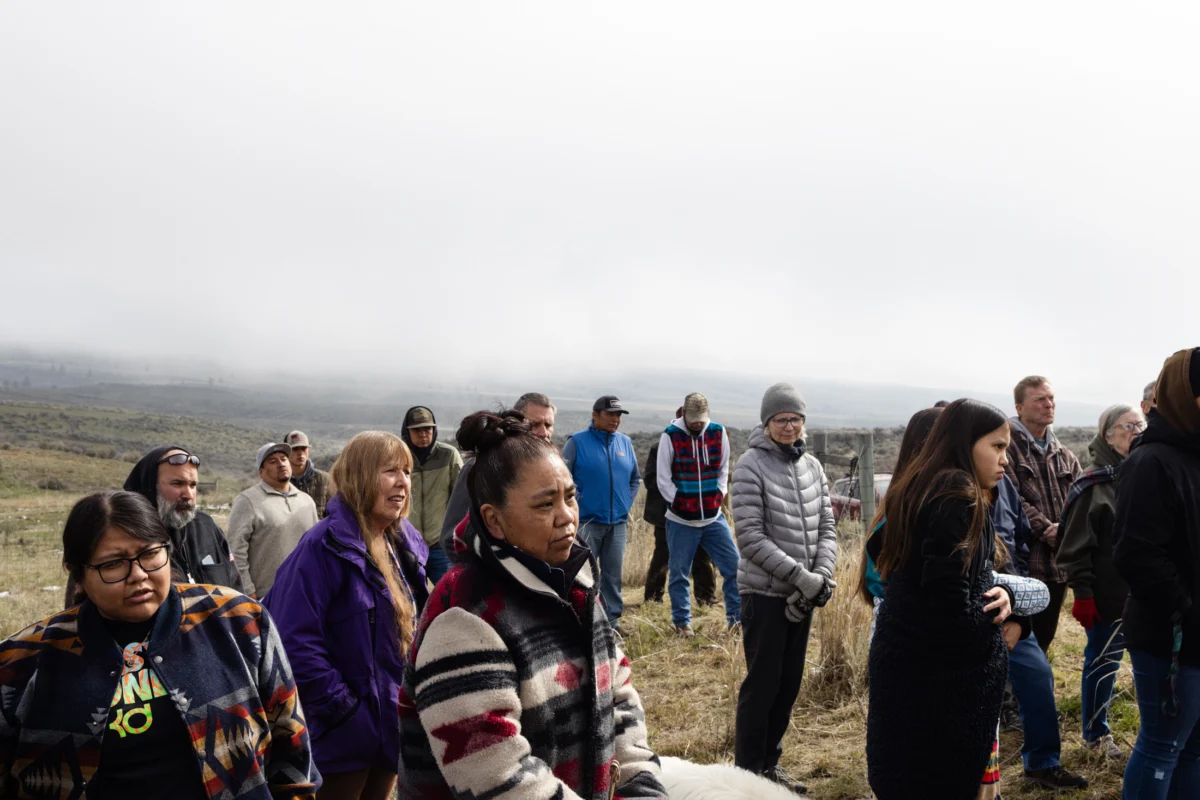
Energy developer Avangrid, a prominent subsidiary of the global energy giant Iberdrola, has formally withdrawn its long-standing permit application for a large-scale industrial solar facility proposed on Badger Mountain in central Washington. This pivotal decision marks a significant victory for the Confederated Tribes of the Colville Reservation and the Confederated Tribes and Bands of the Yakama Nation, who have long opposed the project on grounds that the site holds profound cultural and spiritual significance. The proposed development area, a mosaic of private and public lands managed by the Washington Department of Natural Resources, is a living landscape integral to the identity and traditional practices of these sovereign tribal nations, who possess inherent rights to access and utilize public lands for cultural traditions such as food gathering, hunting, and sacred ceremonies. A comprehensive investigation in 2024 brought to light the direct threat Avangrid’s solar development posed to these enshrined Indigenous rights, galvanizing public and tribal opposition.
Chairwoman Cindy Marchand of the Colville Tribes expressed immense satisfaction with Avangrid’s withdrawal, stating, "While the Colville Tribes certainly appreciates the value of renewable energy such as solar power, sacred sites must remain pristine to pass down to future generations." Her statement underscores a growing global tension between the urgent need for renewable energy expansion and the imperative to protect Indigenous cultural heritage and land rights. The decision by Avangrid, a key player in the clean energy transition, sends a powerful message about the increasing scrutiny and impact of tribal advocacy on large-scale infrastructure projects. The tribes anticipate and trust that Avangrid can identify a more suitable location for its renewable energy ambitions, one that does not infringe upon ancestral lands.
The precise motivations behind Avangrid’s decision remain somewhat ambiguous, with official permitting documents suggesting that construction delays within the regional power grid, rather than tribal considerations, primarily prompted the cancellation. Avangrid itself declined to elaborate on its reasoning, as did the Washington Department of Natural Resources, leaving room for speculation regarding the interplay of economic factors and public pressure. This lack of transparency highlights the complex calculations corporations face when balancing project viability with social and environmental responsibilities, particularly when Indigenous rights are at stake.
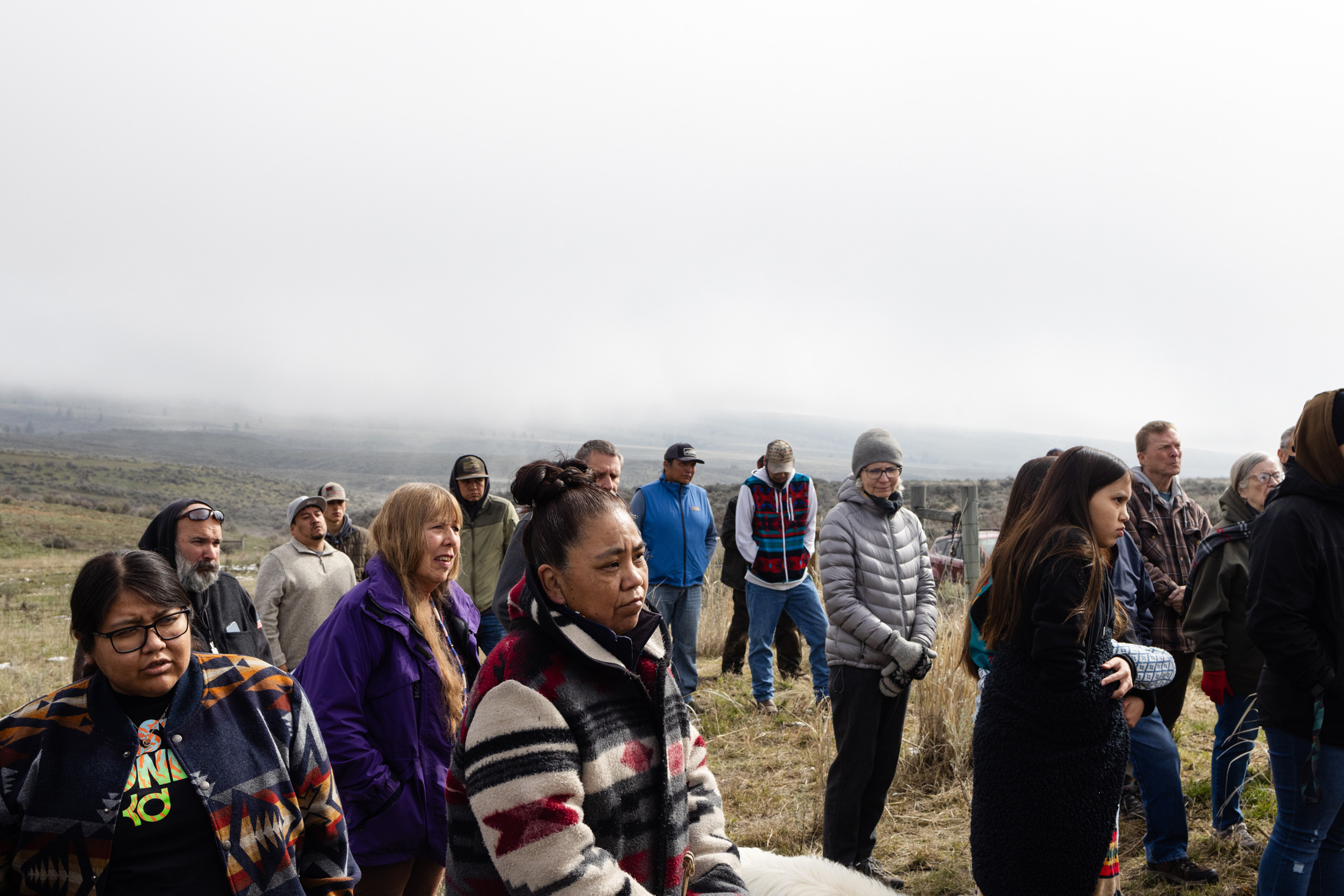
Following the impactful 2024 investigation, which detailed the potential desecration of Badger Mountain, members of the Wenatchi-P’squosa, one of the twelve constituent Confederated Colville Tribes, organized a powerful demonstration directly on the sacred mountain. This grassroots movement reiterated a nuanced stance: while unequivocally supporting the broader transition to renewable energy as a crucial step against climate change, they firmly asserted that such development must not come at the expense of irreplaceable cultural sites like Badger Mountain. The demonstration, spearheaded by the Wenatchi Advisory Group – an independent body dedicated to representing the specific interests of its Wenatchi-P’squosa constituents to the Colville Tribal Business Council – effectively amplified Indigenous voices and brought the local struggle into the national discourse on environmental justice and ethical development.
The weight of this advocacy was not lost on Avangrid. In a previous step reflecting the mounting pressure, the company announced a temporary pause in development, signaling an intent to reconsider tribal input and public response. This pause underscored the critical importance of the public comment process, often one of the few formal avenues available for tribal nations and local communities to formally articulate their concerns and advocate for their rights concerning large-scale land development projects. Such processes, while bureaucratic, serve as vital checkpoints in ensuring that diverse perspectives are heard before irreversible decisions are made.
Earlier this month, at a state energy permitting meeting, Avangrid had initially requested yet another year-long extension to further suspend permitting work, aiming to keep the project active within the state’s regulatory system without immediate commitment to construction. The company’s senior director of business development, Mark Eilers, attributed this request to significant, unforeseen construction delays impacting the Bonneville Power Administration (BPA). Specifically, Eilers cited a four-year postponement, pushing the completion timeline to 2032, for BPA’s Cross-Cascades North transmission line – a vital infrastructure project designed to bolster power delivery from eastern Washington to the densely populated Seattle metropolitan area. While Eilers implied a causal link between these grid delays and Avangrid’s request, he stopped short of explicitly confirming it as the sole reason for the initial extension request, let alone the eventual withdrawal.
The state permitting authority, the Energy Facility Site Evaluation Council (EFSEC), presided over this pivotal meeting. EFSEC chair Kurt Beckett, acknowledging the project’s potential environmental and cultural ramifications, stated the council’s intention to "minimize as much of that noise" in public forums. However, he also made a clear and public acknowledgment of the substantive objections raised by both the Yakama Nation and the Colville Tribes. "I don’t wish to overemphasize those, but ultimately they exist," Beckett affirmed, emphasizing that tribal objections represent legitimate considerations that must factor into the state’s permitting decisions. This statement, coming from the very body tasked with balancing energy development with other public interests, provided a subtle but significant validation of the tribal nations’ long-standing concerns.
Just five days after Avangrid’s request for an extension, a decisive shift occurred: the developer filed a request to completely withdraw its proposal, a project that had been actively navigating the permitting labyrinth since at least 2019. This abrupt change of course, following years of planning and advocacy, culminated in EFSEC’s formal announcement of the withdrawal. "EFSEC will move forward to process this request by closing out existing financial arrangements and notifying interested and agency partners," the council stated, deferring further comment to the developer. The finality of this administrative action signals the definitive end of Avangrid’s Badger Mountain solar ambitions, at least at this specific site.
Despite the persistent ambiguity surrounding Avangrid’s precise reasoning, the Wenatchi Advisory Group articulated profound relief and satisfaction with the outcome. Steven Wynecoop, Vice Chair of the Wenatchi Advisory Group and grandson of its esteemed founder, Matthew Dick, conveyed the community’s joy. "We are very, very happy that they chose to go this route with us, ’cause it is a very sacred site to us," Wynecoop stated, his voice reflecting generations of connection to the land. He underscored Badger Mountain’s enduring significance, recounting how "Generations, we’ve been going to that mountain for plenty of reasons: medicines, foods like roots and berries," further emphasizing that families continue to conduct sacred ceremonies there, weaving the mountain into the very fabric of their spiritual and cultural existence.
Wynecoop also shared a poignant family story that beautifully illustrates the deep, unwavering bond between the Wenatchi people and Badger Mountain. He recounted how, during his grandfather’s youth, while the family gathered traditional medicines on the mountain, they were approached by non-Indigenous landowners. A couple, charmed by his young great-uncle Terry, then a child fishing in a puddle, offered a remarkable proposition: to adopt Terry in exchange for their portion of Badger Mountain. "They wanted to adopt him. They offered their part of Badger Mountain to her for her kid – which, of course, she turned them down," Wynecoop recounted, mirroring his grandfather’s frequent retelling at family ceremonies. The story, often concluded with his grandfather’s good-natured chuckle – "Yeah, now here we are – no Badger Mountain, but we got Terry!" – encapsulates the intrinsic, inestimable value of family and heritage over material possessions, particularly land so deeply imbued with ancestral meaning.
This withdrawal represents a crucial precedent in the global discourse surrounding renewable energy development and Indigenous rights. It highlights the complex ethical landscape that developers, governments, and communities must navigate as the world accelerates its transition to clean energy. While the drive for sustainable power is critical, this case powerfully demonstrates that such progress cannot come at the expense of sacred lands, cultural integrity, and the fundamental rights of Indigenous peoples. It underscores the imperative for genuine, early, and sustained consultation with tribal nations, ensuring that the pursuit of a greener future is also a pursuit of justice, respect, and equity for all. The outcome on Badger Mountain is a testament to the enduring power of Indigenous advocacy and a vital reminder that true sustainability encompasses not only environmental stewardship but also profound cultural reverence and social responsibility.