Johny Prima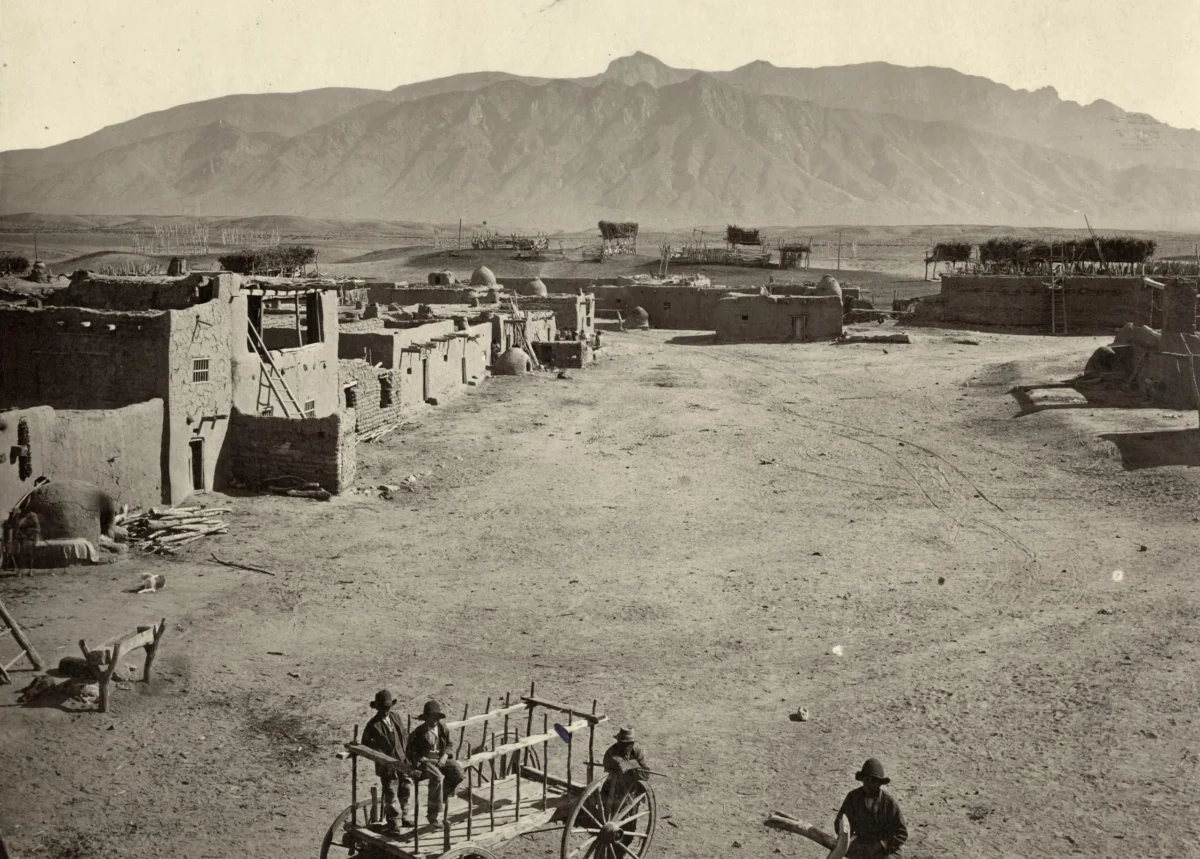
For countless generations, the people of the Pueblo of Sandia have nurtured an unbroken covenant with Sandia Mountain and the life-giving Rio Grande, a relationship spanning millennia in the region now recognized as New Mexico. Even amidst the profound disruptions and existential threats posed by successive incursions from Spanish conquistadors, Mexican authorities, and the expanding American government, the Pueblo steadfastly maintained its profound care for these ancestral lands and waters, ceaselessly offering prayers for the health of their communities and the vitality of the world encompassing them. This enduring legacy of stewardship, deeply rooted in cultural and spiritual principles, forms the bedrock of a pressing contemporary appeal for enhanced protection of their sacred mountain.
Sandia Mountain, revered as a sacred entity since time immemorial, transcends mere geography for the Pueblo; it stands as their profound outdoor cathedral, a formidable protector, and an indispensable wellspring of communal well-being. Beyond its spiritual significance, the mountain represents a critical ecological haven, providing sanctuary for diverse wildlife and hosting vital ecosystems that contribute to the region’s biodiversity. It simultaneously serves as a source of breathtaking natural beauty and recreational respite for the hundreds of thousands of residents and visitors who populate the burgeoning Middle Rio Grande Valley. Today, the Pueblo of Sandia issues a clear and urgent plea to lawmakers and the broader public: to honor their ancient culture, respect their traditional ecological knowledge, uphold their inherent sovereignty, and actively support their concerted efforts to further safeguard Sandia Mountain, especially in an era defined by rapid environmental change and escalating global unpredictability.
At the heart of this contemporary appeal lies a specific legislative request: Congress should facilitate the transfer of lands within the designated T’uf Shur Bien Preservation Area from the management of the U.S. Forest Service, an agency under the purview of the U.S. Department of Agriculture, to the Bureau of Indian Affairs (BIA), which operates within the Department of the Interior. This proposed shift is not merely an administrative reshuffling but represents a vital step towards restoring indigenous control over ancestral territories, aligning land management with the original inhabitants’ deep-seated understanding and spiritual connection to the landscape. While acknowledging and appreciating the dedicated efforts of local Forest Service employees who have striven to protect this exceptional area across various political administrations, the Pueblo has also borne witness to persistent degradation. Evidence of this neglect manifests in widespread litter and graffiti, chronic deferred maintenance, compromised fence lines, proliferation of illegal trails, flagrant violations of occupancy rules, and the overall degradation inflicted by disrespectful individuals who exhibit little regard for either the inherent sacredness or the natural beauty of Sandia Mountain.
Furthermore, the Pueblo has documented the alarming destruction of precious cultural sites and the insidious encroachment into sensitive ecological and ceremonial areas. These sites and landscapes are precisely what the federal government committed to protect when Congress enacted the T’uf Shur Bien Preservation Trust Area Act in 2022. That landmark legislation, while a significant step, was itself the culmination of decades of protracted legal battles, complex negotiations, and formal agreements. These efforts stemmed from the Pueblo’s persistent struggle to regain unfettered access to lands originally granted to them by the King of Spain in 1748. This Spanish land grant, later affirmed by the U.S. Congress in 1858 under the foundational Treaty of Guadalupe Hidalgo, unequivocally stipulated the eastern boundary of the Pueblo’s land at the "main ridge" of Sandia Mountain.
However, a subsequent and notably expedited 1859 survey—completed in a mere four days—arbitrarily delineated the boundary along the foothills immediately adjacent to the Pueblo, rather than adhering to the geographically distinct main ridgeline of the vast Sandia Mountain area. This unilateral and historically unjust recalculation resulted in an estimated loss of approximately 10,000 acres from the Pueblo’s original land grant, a profound act of dispossession that has resonated through generations. The 2022 T’uf Shur Bien Act sought to partially rectify this historical injustice, acknowledging the rightful claim to the ridgeline. The Act notably ensures tribal members "free and unrestricted access to the Area for traditional and cultural uses," while simultaneously safeguarding private landowners residing within the claim area, perpetually defending the wilderness character of the region, and explicitly prohibiting logging, mining, and other forms of industrial development.

In advocating for the transfer of these lands from USDA to the Interior Department, the Pueblo of Sandia has undertaken an extensive and transparent outreach campaign, conducting more than 75 meetings with a diverse array of stakeholders, including lawmakers, neighboring communities, local businesses, and concerned citizens. These engagements served to meticulously explain the profound importance of this land transfer to the Pueblo’s cultural survival and environmental stewardship. As a federally recognized sovereign nation, the Pueblo emphasizes its unwavering commitment to its promises and agreements, operating with integrity and transparency. Despite these efforts, persistent disinformation unfortunately continues to circulate within certain media outlets and segments of the public, creating misunderstandings about the Pueblo’s intentions.
The Pueblo of Sandia unequivocally states that it is not denying access to legitimate landowners or responsible, respectful recreational users. Upon the successful transfer of the land, all currently authorized existing uses or activities, along with established public rights of way for roads and vital utility corridors, will remain fully intact. Visitors will continue to enjoy the natural splendor of the area. Crucially, the lands, waters, and invaluable wildlife of Sandia Mountain will continue to receive dedicated protection – not just for today’s enjoyment but, more importantly, for the well-being and benefit of all future generations. This commitment underscores a vision of shared access and shared responsibility.
By assuming direct management of the T’uf Shur Bien Preservation Area, the Pueblo will gain the critical autonomy and capacity to more effectively safeguard its unique culture, cherished traditions, and ancestral way of life. This self-determination extends beyond cultural preservation to encompass vital ecological protection. The Pueblo will be better positioned to shield the mountain from future unchecked development, further environmental degradation, and the increasing threat of catastrophic wildfires, a pervasive and intensifying danger across the arid Western United States due to climate change. Leveraging their profound local knowledge, deep-rooted resources, and culturally informed strategies, meticulously tailored to the distinct cultural and physical landscape of this area, the Pueblo of Sandia can significantly enhance intergovernmental coordination efforts for critical emergency responses, bolster public safety initiatives, and strengthen law enforcement capabilities. This localized approach, informed by centuries of observation and adaptation, promises more agile and effective management.
To retain its profound religious and traditional meaning for the Pueblo, Sandia Mountain must be preserved not just legally, but actively managed in a way that honors its sacredness. Furthermore, Sandia Mountain must be conserved and protected with robust, forward-looking strategies for the sustained health of the entire Middle Rio Grande Valley and for the benefit of all humanity in the generations to come. In this endeavor, there exists no entity with a longer, more dedicated, or more intimately understood record of love and meticulous care for the mountain than the indigenous peoples who have been its guardians since time immemorial. Their call for stewardship is a call for a return to balance, leveraging traditional ecological knowledge for a sustainable future for everyone.