Roger Danuarta
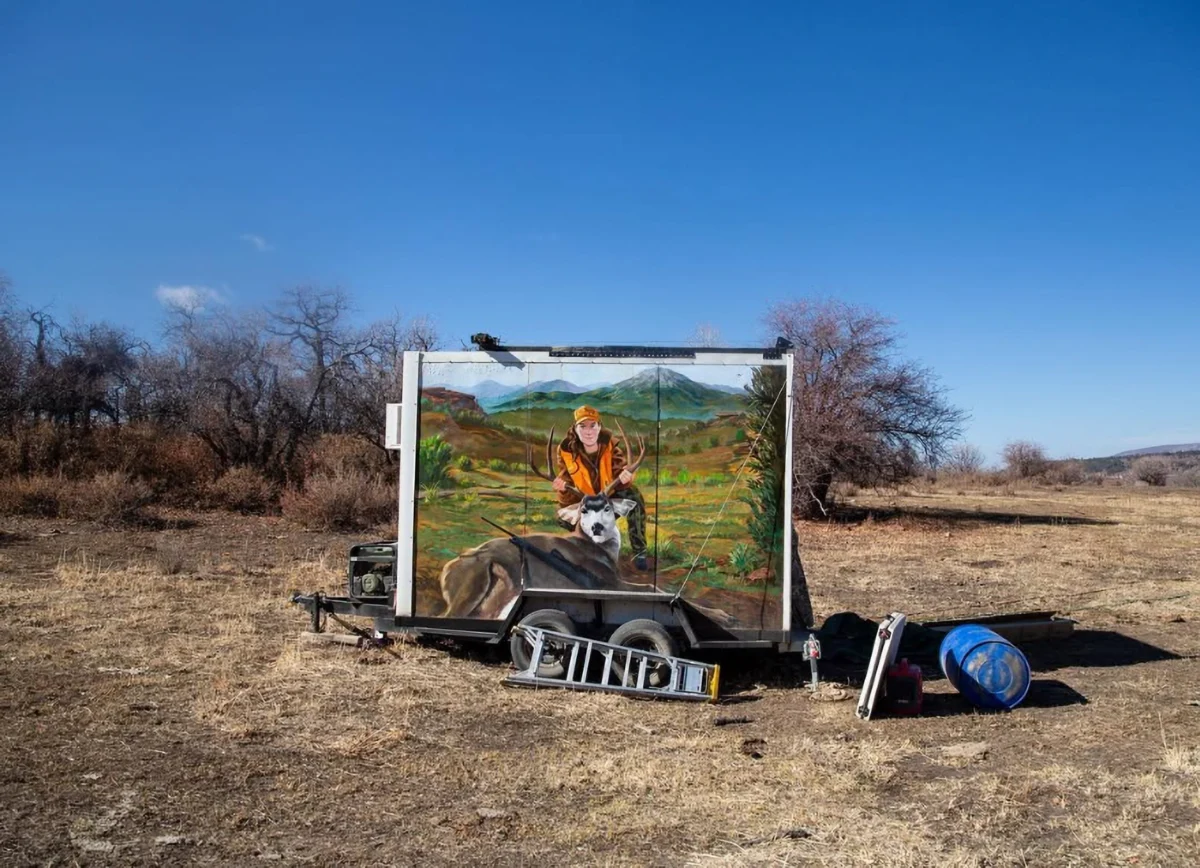
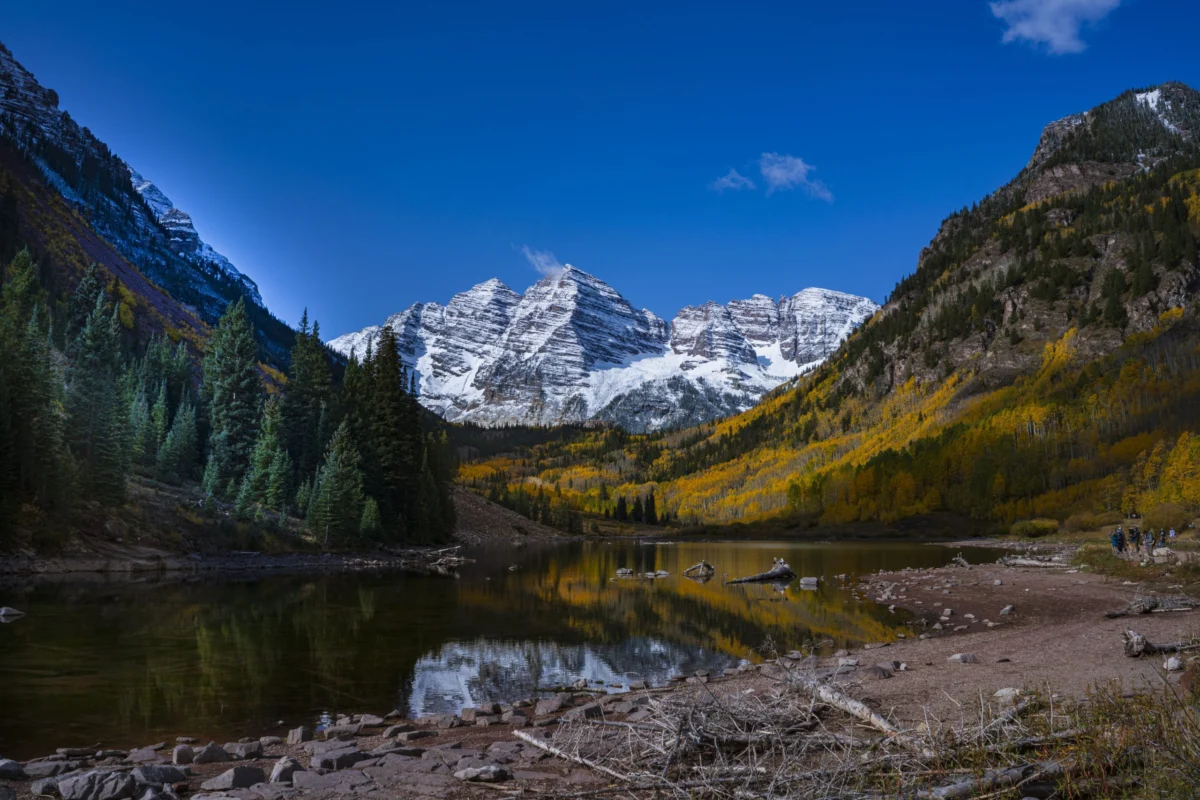
Across the vast, rugged landscapes of western Colorado, where hunting traditions run deep, lifelong participants in the sport find themselves surprisingly divided on the amendment’s merits. Grant Kleeves, a prominent mountaineer and experienced hunting guide based near Ridgway, views hunters as indispensable partners in the state’s conservation framework. He emphasizes that the revenue generated from hunting and fishing licenses, often referred to as "tag revenue," forms a critical financial lifeline for numerous wildlife preservation initiatives. Kleeves contends that Amendment 83 would serve as a vital bulwark, safeguarding this symbiotic relationship by offsetting the increasing influence of urban voters who, he argues, may lack direct engagement with wildlife issues and could otherwise impose management policies that disregard the on-the-ground realities of rural Colorado. This perspective underscores a prevalent sentiment in many Western states, where rural communities often feel their traditional livelihoods and land-use practices are being dictated by distant urban centers.
Conversely, a significant segment of the populace, including many within the conservation community, perceives the amendment as a direct challenge to the broader public’s inherent right to participate in wildlife policy discussions. Gary Skiba, a retired wildlife biologist residing in Durango and a former member of the Colorado Parks and Wildlife Commission, expresses deep concern that the measure could inadvertently unleash a torrent of litigation from hunters disputing state policies they deem unfavorable. Such legal challenges, he fears, could potentially pave the way for the reintroduction of controversial hunting practices, such as the use of bait to attract black bears, a method banned in Colorado for nearly a quarter-century due to ethical and management concerns. Skiba’s apprehension stems from the belief that the amendment, rather than protecting a right, seeks to disenfranchise other voices. "It’s about limiting everybody else’s ability to influence wildlife management," Skiba asserted, highlighting the perceived exclusionary nature of the proposal. Yet, for hunters like Kleeves, checking the perceived overreach of urban influence remains a central motivation. "Colorado is swayed so heavily by the Front Range," Kleeves observed, articulating a frustration common in many states where population centers dominate political outcomes, often overshadowing the concerns of less populous regions. "Where the Front Range goes, Colorado goes voting-wise, whether that reflects the on-the-ground reality of things or not."
This rural-urban political chasm deepened profoundly six years ago when Denver-area voters played a pivotal role in pushing through a ballot initiative for wolf reintroduction, a decision that largely overcame strenuous objections from many rural communities. This historical precedent continues to cast a long shadow over the current debate surrounding Amendment 83. The proposed ballot measure not only seeks to designate hunting and fishing as Colorado’s "preferred means" of wildlife management but also aims to firmly establish Coloradans’ constitutional right to engage in these activities using "traditional methods." This specific phrase has become a flashpoint, with opponents decrying its inherent ambiguity and controversial implications.
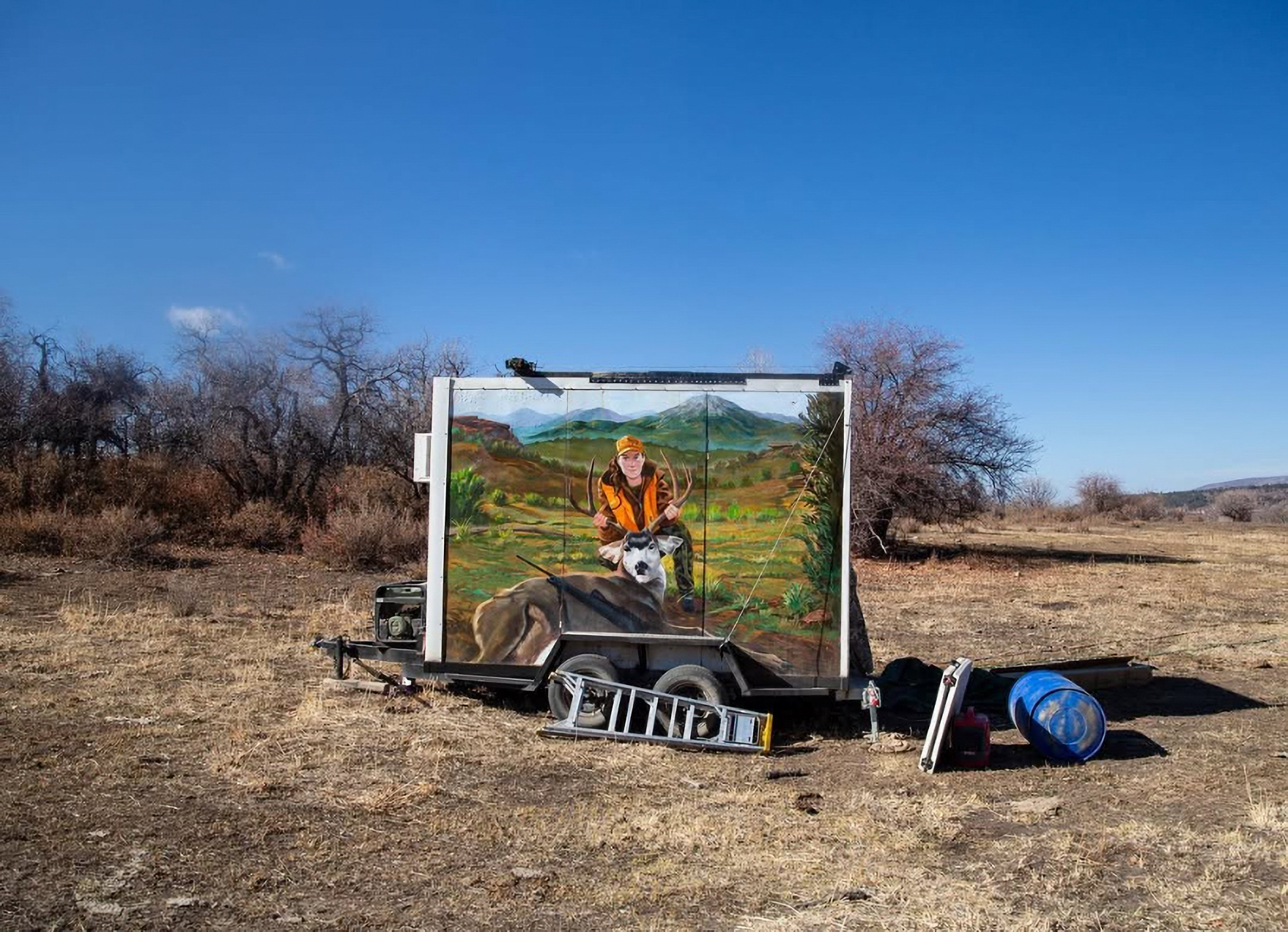
While proponents of Amendment 83 insist that the measure includes robust safeguards designed to ensure that hunting regulations remain the purview of expert wildlife managers rather than being subjected to the whims of the general public, opponents, including Democratic Governor Jared Polis, vehemently argue for the necessity of broader public participation. They voice significant alarm that the undefined term "traditional methods" could be interpreted to sanction practices like bear baiting, which has been prohibited in Colorado since 1992, and might also greenlight a wave of potentially costly and protracted litigation from hunters seeking to overturn regulations they find restrictive. The fear is that the amendment could empower a vocal minority to legally challenge scientifically sound management decisions.
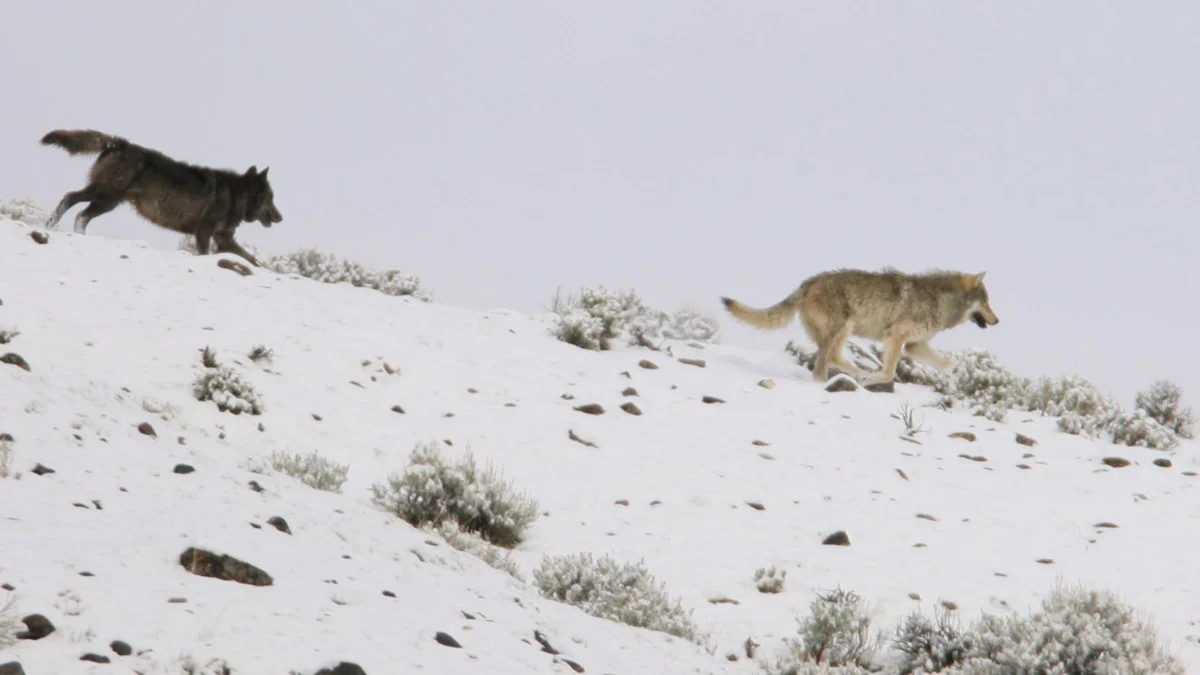
The specter of wolf reintroduction, though not directly on the ballot this November, looms large in the minds of many Western Slope residents. They routinely point to the 2020 vote as a watershed moment when they felt their collective influence on state policy significantly eroded. The wolf reintroduction program, initiated nearly three years ago, has been met with persistent outcry from ranchers, who have reported substantial livestock losses. Between April 1, 2025, and March 31, 2026, the state disbursed over $750,000 in compensation for direct and indirect livestock depredation attributed to wolves. Concurrently, only approximately 61% of the state’s wolf population managed to survive during the same period, leading Colorado Parks and Wildlife to recently announce a temporary halt to the routine killing of wolves involved in livestock attacks amid concerns that the overall wolf population may not experience growth this year. For many in western Colorado, who overwhelmingly opposed reintroduction, this outcome validates their original concerns, making them feel that they are unfairly shouldering the ecological and economic burdens of an experiment largely championed by the Front Range. Adam Gall, an experienced elk and deer hunting guide operating near Montrose, believes the program’s track record demonstrates that pro-wolf voters were "hoodwinked." He, along with others, has consequently become convinced that critical wildlife management decisions should no longer be entrusted to the general electorate. "It sounds bad, but there’s just too many uninformed people that get swept up in the ideology or the emotion of something," Gall stated, echoing a sentiment shared by many in the hunting and ranching communities. Gabby Strausbaugh, a hunter, rancher, and journalist from Gunnison, concurred, expressing her strong conviction that "the general public should not have a say in wildlife management."
Colorado boasts a long and often contentious history of addressing wildlife issues through direct democracy via ballot measures. In 1992, Coloradans voted to ban bear baiting. Four years later, another statewide vote outlawed most forms of traditional trapping. However, not all such initiatives succeed; in 2024, a proposal to prohibit the hunting of mountain lions, bobcats, and lynx ultimately failed in the November election. "There’s no question that it’s part of Colorado’s history," commented Justin Marceau, a professor specializing in animal rights law at the University of Denver’s Sturm College of Law, acknowledging the state’s unique reliance on citizen-initiated legislation for environmental policy. "There’s a very long history of that practice, and reasonable people debate how great it is to have this done at the ballot box." This trend is not unique to Colorado, as wildlife-related ballot measures have seen mixed electoral success across the American West. Montana voters, for instance, rejected a ban on trapping in 2017. States like Wyoming, Idaho, and Utah have successfully enshrined the right to hunt and fish in their respective constitutions, aligning with a national movement to protect these activities. Conversely, a similar measure failed in Arizona, where critics argued there was no demonstrable threat to the practice.
Amendment 83 stands as the sole "right to hunt" measure on the ballot in the West this autumn, reflecting a concerted national effort. Approximately 20 other states have already adopted similar constitutional amendments, many driven by the strategic backing of the International Order of T. Roosevelt. This Wisconsin-based conservative advocacy group, whose CEO, Luke Hilgemann, previously held a leadership role at the conservative organization Americans for Prosperity, has injected over $1.5 million into the campaign supporting Amendment 83, according to state campaign finance records. The group’s stated objective is to establish a constitutional right to hunt in all 50 states, and it has successfully championed similar campaigns in Florida, South Dakota, and Ohio, among others. Dan Gates, a veteran pro-hunting activist in Colorado, characterized his role as part of the "infantry ground game" for the pro-83 push, while describing the Order of T. Roosevelt as providing "the air support, and the sea support – and maybe the guerrilla warfare support." Gates interprets Colorado’s recent electoral history on wildlife issues as a series of near-defeats, punctuated by narrow escapes, such as the failed big cat hunting ban. He argues that Amendment 83 would proactively prevent future ballot initiatives aimed at restricting hunting and would instead shift hunters onto the electoral offensive. "You’ve got to take the ball away from them," Gates declared during an August podcast appearance, referring to anti-hunting advocates. "We have now." Gates did not respond to multiple requests for an interview.

Opponents of Amendment 83 voice profound apprehension that its passage would effectively unleash a "litigation time bomb," opening the floodgates to future lawsuits asserting that wildlife management decisions infringe upon a newly codified constitutional right. Their primary concern centers on the amendment’s vague language regarding "traditional methods" of hunting and fishing. The proposal notably omits a precise definition for this critical term, and as Professor Marceau points out, Colorado law offers virtually no established precedent that could help clarify its meaning. "They’ve invoked this kind of historical origin story, but not with any frame of reference. Are they referring to the frontier days? To the days before Colorado was a state?" Marceau questioned, highlighting the legal ambiguity. "I have no idea."
Colorado Hunters and Anglers for Sensible Wildlife Conservation, the primary opposition group, explicitly cites the potential for future litigation aimed at reinstating practices like bear baiting. Skiba, a leading figure in the anti-amendment campaign, dismisses the notion that hunting is currently under threat as "ludicrous" and firmly rejects the idea of elevating it beyond a privilege. "It isn’t a right. It shouldn’t be a right, any more than the right to paddleboarding should be a right," Skiba asserted, drawing a stark distinction between fundamental liberties and recreational activities. He maintains that the amendment would arm hunters with the legal standing to challenge any policy they dislike. "Putting this as a right in the Constitution would give them the legal standing to challenge anything, and the litigation could go absolutely bonkers," he warned. Marceau further reinforced this concern, labeling the amendment a "litigation time bomb" that would fundamentally shift the debate over hunting regulation "away from the democratic process and into the courts," thereby undermining the traditional legislative and administrative pathways for policy formation.
Even some hunters who generally favor the amendment harbor reservations. Strausbaugh, for example, admitted that the "vagueness" surrounding the definition of "traditional methods" gives her pause. Similarly, the Colorado chapter of Backcountry Hunters and Anglers acknowledged that concerns about the language’s precise meaning "should not be dismissed." However, other legal experts offer a contrasting view, suggesting that this very lack of clarity could, ironically, diminish the amendment’s practical effect. Mike Pappas, an environmental law professor at the University of Colorado Boulder, believes the language fails to provide courts with clear direction for future litigation. "It’s not at all clear to me how, in five years’ time, if someone files a lawsuit trying to vindicate a right under this, how any hypothetical case comes out," he explained. Pappas concluded, "The proposed language gives a vibe, but it doesn’t give clear guidance," implying that without explicit definitions and parameters, the amendment’s legal teeth might be less sharp than either proponents or opponents currently anticipate. Ultimately, the vote on Amendment 83 will determine not just the future of hunting and fishing in Colorado, but also the fundamental principles guiding wildlife management and the balance of power between diverse interests in the state’s natural heritage.