Roger Danuarta
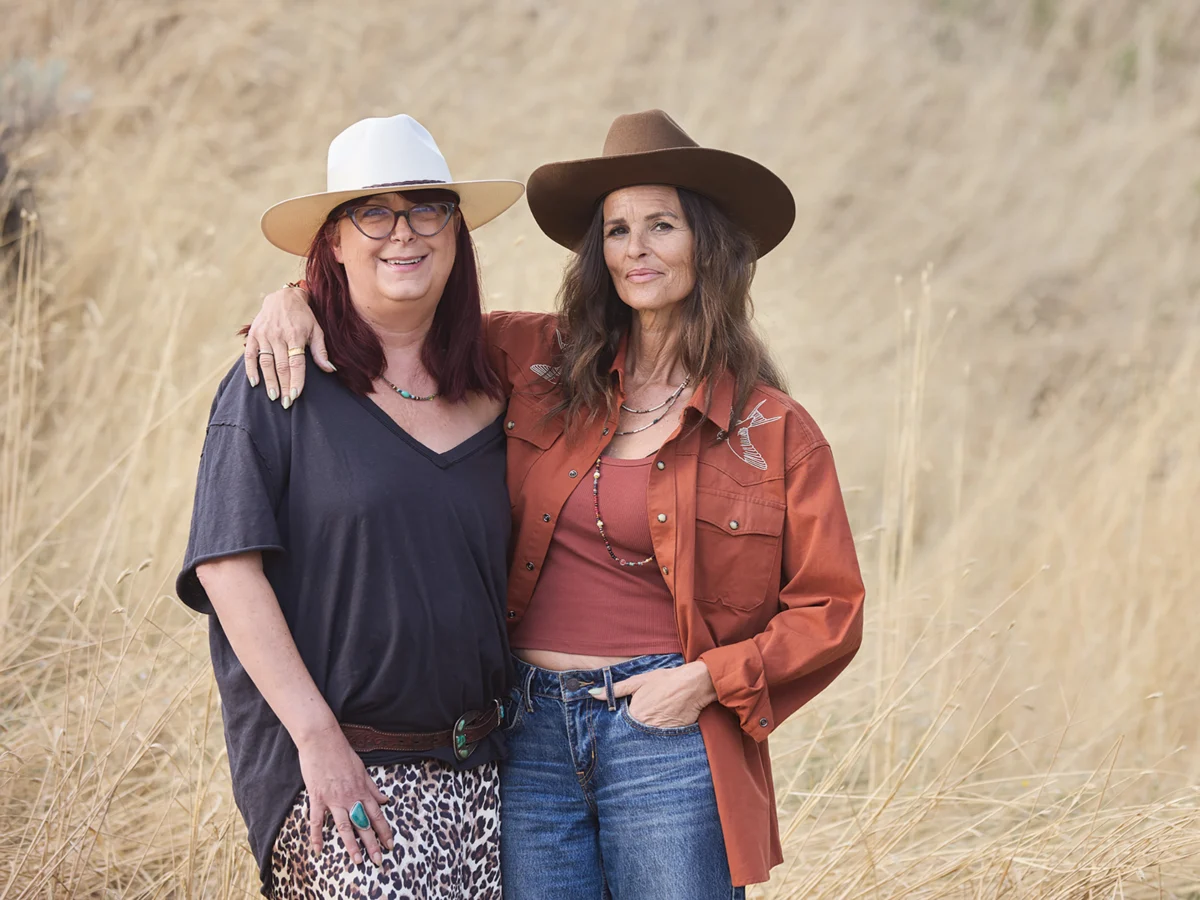
Cinammon Sioux Priest and Heather Rae Priest, co-founders of Priest Family Revival and the Antelope Foundation in Boise, Idaho, are redefining the entrepreneurial landscape by blending generational family values with a profound commitment to social justice. Their innovative model offers a beacon of hope for women re-entering society after incarceration, building a sustainable business rooted in community and human dignity. This unique venture draws deeply from their family’s rich history in Idaho, a legacy spanning generations of individuals intimately connected to the land and its rugged spirit.
The sisters proudly carry forward the entrepreneurial torch lit by their father, Randy Priest, who established his first hat shop in Challis, Idaho, in 1980. Randy later expanded his beloved business to Eagle and Donnelly, towns deeply embedded in Idaho’s scenic and close-knit communities. He was widely adored, remembered as a quintessential cowboy mule-packer whose innate warmth and welcoming nature made everyone feel at ease. His passing marked a pivotal moment for Cinammon and Heather, who instinctively embraced their new roles as the matriarchs of the family, consciously steering Priest Family Revival toward a matriarchal leadership model. This transition was not merely a change in management but a deliberate embrace of a feminine leadership paradigm, valuing collaboration, empathy, and holistic well-being—principles often underrepresented in traditional business structures.
Their deep-seated connection to Idaho is more than geographical; it is ancestral. "We’ve been in Idaho for generations, and we come from people who work the land," Cinammon and Heather affirm, highlighting a heritage that instilled resilience, self-sufficiency, and an understanding of intrinsic value beyond monetary wealth. This background, coupled with their candid acknowledgment of originating from "structural poverty," fueled their determination to construct a business model that defies conventional capitalist norms. Instead of merely adopting existing frameworks, they chose to build "from who we are," drawing on their authentic experiences and the inherent strengths of their community. This approach seeks to dismantle cycles of disadvantage by fostering self-worth and economic independence, particularly for those often marginalized.
Priest Family Revival and the Antelope Foundation stand as dual pillars of this vision. The former operates as a social enterprise, crafting and selling artisanal goods, while the latter likely functions as the non-profit arm, providing direct support and training. At the heart of their initiative lies a comprehensive training program designed for post-incarceration women, focusing on intricate beading and jewelry-making techniques. This is far more than vocational training; it is a meticulously crafted intervention aimed at instilling "a sense of dignity and value," reinforcing "the idea that your time has value." For women navigating the immense challenges of re-entry—including social stigma, limited employment opportunities, and often a loss of self-esteem—such a program offers a critical pathway to rebuilding lives. The tactile nature of craftwork like beading provides not only a marketable skill but also therapeutic benefits, fostering focus, patience, and a sense of accomplishment that can be profoundly healing.

The sisters’ commitment to this demographic is deeply personal and professionally informed. Both Cinammon and Heather possess extensive backgrounds in the recovery space, having worked directly within prisons and in post-incarceration case management. This firsthand experience grants them invaluable insight into the systemic barriers and individual struggles faced by formerly incarcerated individuals. They understand the nuances of addiction, the complexities of the justice system, and the critical importance of robust support systems for successful reintegration. This expertise allows them to tailor their programs to effectively meet the specific needs of their participants, creating a nurturing and understanding environment that fosters genuine transformation. Their work seamlessly integrates these diverse experiences, demonstrating a holistic approach where "this company was always meant to be built in community."
The challenges faced by post-incarceration individuals, especially women, are stark and pervasive, both domestically and internationally. Globally, women often face unique hurdles upon release, including the loss of parental rights, limited access to housing, and heightened vulnerability to exploitation. Recidivism rates remain high in many regions due to a lack of meaningful employment, social support, and mental health services. The Priest sisters’ model directly confronts these issues by providing not just a job, but a pathway to self-sufficiency and community belonging. By teaching transferable skills and embedding participants within a supportive network, they are actively working to break cycles of poverty and incarceration that often span generations. This micro-level intervention holds macro-level implications, demonstrating a replicable framework for community-led rehabilitation efforts worldwide.
Their vision of a "company built in community" extends beyond their immediate participants. It encompasses a broader ecosystem of support, collaboration, and shared responsibility. This model challenges the often-isolating nature of modern capitalism, instead emphasizing interdependence and collective upliftment. By creating a market for their products, they also educate consumers about the profound social impact behind each piece of jewelry, transforming transactional exchanges into acts of conscious support. This approach cultivates empathy and fosters a more inclusive society where individuals are valued for their potential rather than defined by their past mistakes.
The work of Priest Family Revival and the Antelope Foundation also reflects a significant shift in the narrative surrounding the American West. Traditionally romanticized through images of cowboys and vast, untamed landscapes, the contemporary West is increasingly characterized by diverse populations, complex social issues, and innovative solutions. The sisters embody a "New West" ethos—one that acknowledges historical inequities, embraces social enterprise, and champions the voices of often-overlooked communities. Their initiative highlights that the spirit of resilience and pioneering ingenuity in the West is not limited to resource extraction or frontier expansion but also thrives in the realm of social innovation and community building. Their story, featured in publications like High Country News and under headlines such as "#IAMTHEWEST," signals a broadening definition of what it means to be part of this dynamic region.
Looking forward, the Priest sisters’ model offers a compelling blueprint for other communities grappling with similar challenges. Their journey underscores the power of local solutions, informed by intimate knowledge of community needs and a deep commitment to human flourishing. As the global conversation around criminal justice reform and social entrepreneurship continues to evolve, initiatives like theirs provide tangible proof that businesses can be powerful engines for social good, capable of transforming lives and strengthening the fabric of society, one beaded creation and one empowered woman at a time. They prove that true revival comes not from borrowing external ideas, but from nurturing the inherent value and resilience found within individuals and communities themselves.