Roger Danuarta
A faint wisp of smoke, barely discernible against the azure expanse of an early August morning, heralded the ominous beginning of a wildfire deep within the venerable Sangre de Cristo Mountains of northern New Mexico. A lightning strike, a common trigger in the parched American Southwest, ignited the Frijoles Fire near the quaint village of Cundiyó, swiftly engulfing the drought-stricken canyons that cradle the Río Frijoles. This environmental crisis quickly escalated into a profound concern for the delicate balance of an ancient water system, threatening not only the immediate landscape but also the cultural heritage and economic viability of generations-old agricultural communities.
The Río Frijoles, a vital 13-mile stream, along with the Río en Medio, both cascade from the rugged peaks of the Sangres, their waters converging into the Santa Cruz Lake. This critical reservoir, a linchpin of regional hydrology, then releases its accumulated bounty into the Santa Cruz River, which is subsequently augmented by another significant tributary, the Río Quemado. This intricate network of natural waterways forms the lifeblood for a unique, centuries-old irrigation infrastructure: a complex web of some 30 hand-dug channels, known as acequias. These acequias, reminiscent of a railway’s intricate spurs, are not merely conduits for water; they are communal arteries, collectively owned and meticulously managed by approximately 3,000 parciantes, or members, who comprise the small family farms of several historic Hispanic communities. Established hundreds of years ago, long before the construction of modern dams, these acequias represent a living testament to sustainable resource management in arid lands, recognized legally as political subdivisions of New Mexico, and overseen by dedicated commissions and individual mayordomos who steward their equitable distribution and diligent maintenance. Their existence underscores a profound connection between land, water, and community, a tradition rooted in centuries of adaptation and cooperation.
However, with more than half of the Río Frijoles watershed engulfed by the Frijoles Fire, the very health and integrity of this critical water source—and by extension, the future of the area’s cherished irrigation systems—hung precariously in the balance. The immediate concern for local water managers was securing water for firefighting efforts without jeopardizing the downstream supply. Ron Gallegos, who chairs the Santa Cruz Irrigation District, a body responsible for managing water distribution for thousands of local irrigators, vividly recalled the anxious anticipation. "Once it started, I was just waiting for a call, a text, a message from somebody to see if they could pump water from the lake," Gallegos recounted, expressing the collective tension felt by the community. His apprehension was quickly alleviated. "And sure enough, they did." Within days, the skies above the Sangre de Cristo Mountains buzzed with the activity of U.S. Forest Service aircraft, executing precise maneuvers to scoop water from Santa Cruz Lake to douse the encroaching flames and deploy fire retardant slurry to impede its relentless advance. The Irrigation District received a modest contract from the agency, compensating them one cent for every gallon utilized. While the sum—approximately $8,500 for 850,000 gallons—represented a comparatively small financial return, the overarching mission to safeguard the watershed, which sustains the small farms and livelihoods of some 3,000 people, imbued the effort with invaluable significance, as Gallegos emphasized.
As of early October, nearly two months after its initial ignition, the Frijoles Fire had reached approximately 90% containment, a testament to the strenuous efforts of firefighters. An initial damage assessment offered a glimmer of hope, indicating that the majority of the fire had burned at a low intensity, a factor that could potentially mitigate the most severe post-fire ecological impacts. Low-intensity fires typically leave much of the organic soil layer intact, preserving soil stability and reducing the risk of extreme erosion. However, the respite was fragile. The specter of post-fire flooding loomed large, a common and often devastating consequence in burn scar areas where vegetation, which typically anchors soil, has been destroyed. Such floods can lead to a significant rise in sediment, causing alarming turbidity in the lake, and local communities expressed profound concern about the potential effects of this sediment, alongside any lingering fire retardant, on the quality of the water upon which their very existence depends. This concern is amplified by the increasing frequency of "flash drought" followed by intense precipitation events, a hydrological pattern increasingly observed in arid regions globally.
Indeed, even prior to the Frijoles Fire, the rapid and erratic shifts in extreme weather patterns—oscillating violently between prolonged drought and sudden, torrential rains—had rendered irrigation in this region increasingly precarious. The current year had proven particularly challenging; minimal snowpack during winter combined with abnormally high temperatures throughout the spring and summer had severely curtailed natural runoff. Steve Finch, a hydrogeologist and geochemist with an Albuquerque-based firm, grimly characterized the situation: "It could be the worst on record." A nearby U.S. Geological Survey gauge, a critical sentinel for water levels, registered a mere 4 cubic feet per second (cfs) throughout the entire summer, a stark contrast to its typical flow of 20 or 30 cfs. Such drastic reductions in flow indicate a profound water deficit, stressing ecosystems and human water users alike.
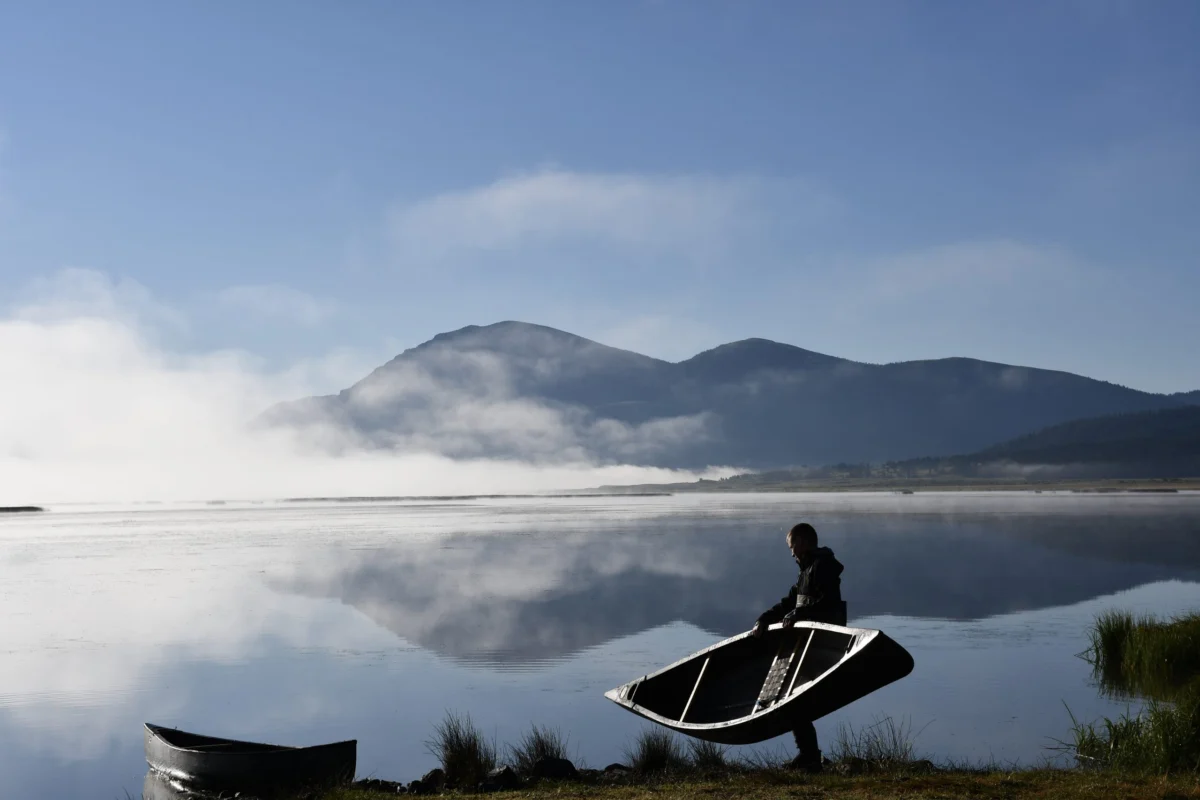
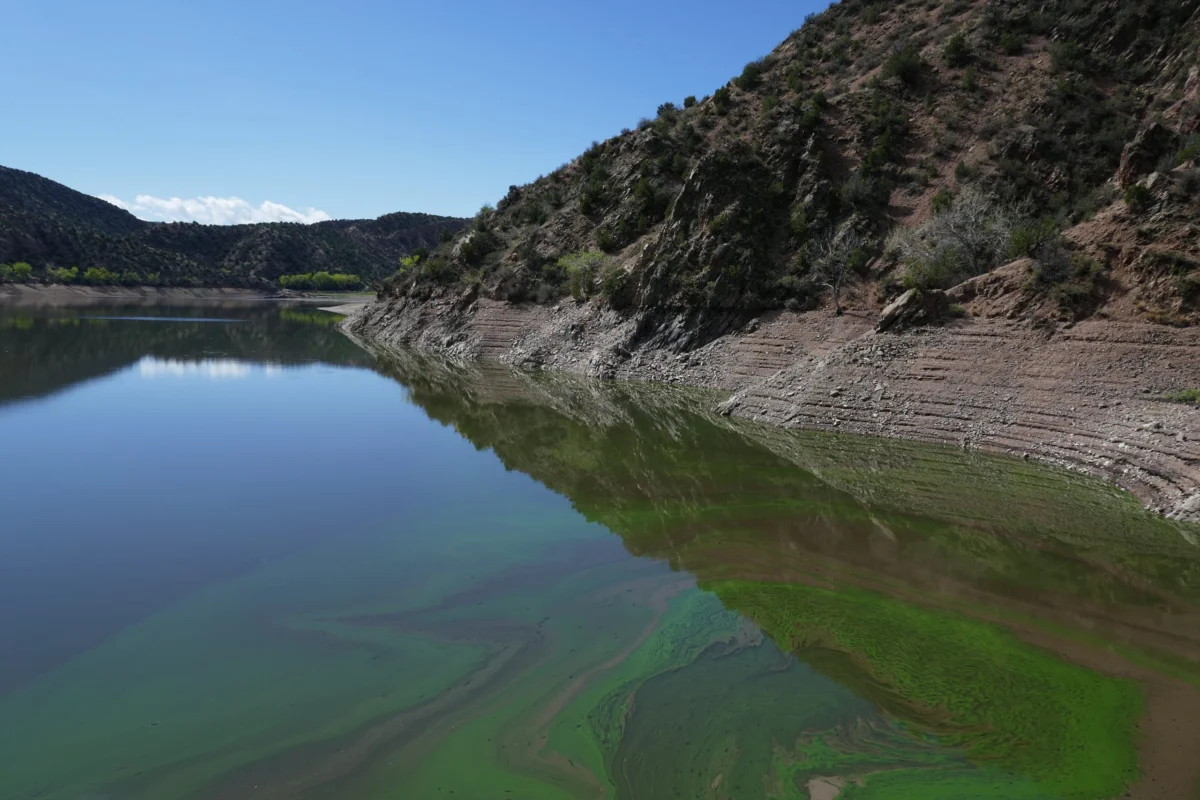
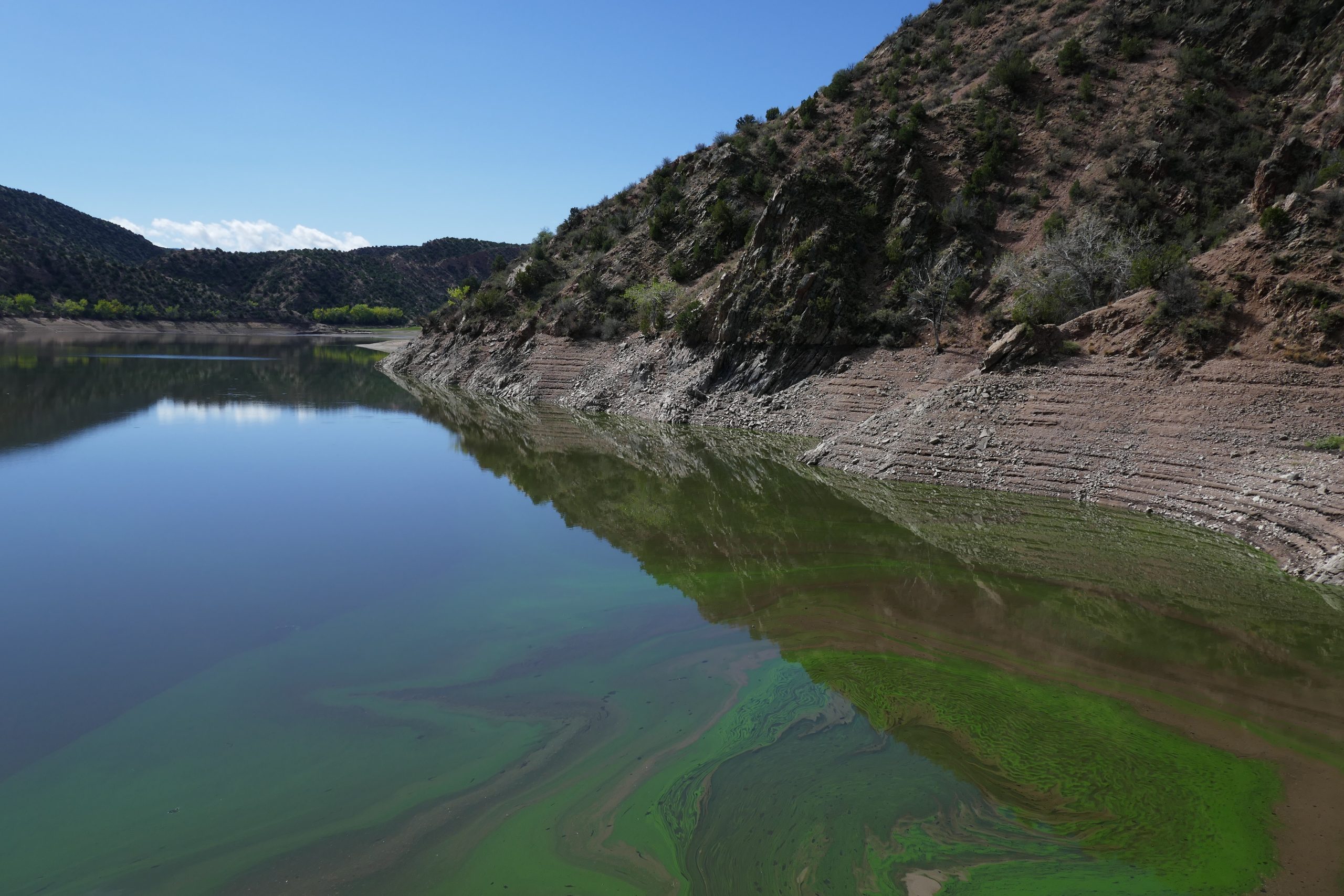
The confluence of low water levels and elevated temperatures fostered an unsettling algae bloom earlier in the year, transforming the usually clear lake into a murky, putrid green expanse. This phenomenon, known as eutrophication, can deplete oxygen levels, harming aquatic life and, in some cases, producing toxins. Joel Esquibel, who operates and maintains the Santa Cruz Dam, following in his father’s footsteps, regularly ascends the concrete buttress to observe the lake’s receding water line. As the Frijoles Fire raged, his concern deepened. "The only time it was lower was when it was dredged" in the late 1980s, he recalled, underscoring the severity of the drought. Yet, the fickle nature of the climate offered a dramatic reversal: by the end of September, a moisture plume from distant Hurricane Polo delivered a deluge, causing the lake’s level to surge by an astonishing 15 feet.
However, the rapid influx of water carried its own inherent risks, a cruel paradox in a region perpetually grappling with water scarcity. A historic flood in 2025, for instance, devastated crucial acequia infrastructure, bringing irrigation to an abrupt halt. The arduous process of rebuilding headgates and laboriously clearing out debris and silt consumed months and incurred costs amounting to hundreds of thousands of dollars, a crippling burden for small, rural communities. This past September’s historic rains, while replenishing the lake, also acted as a powerful conduit, flushing significant quantities of Frijoles Fire debris and silt directly into the reservoir. Hydrogeologist Steve Finch voiced his apprehension that this influx would inevitably reduce the lake’s vital storage capacity. He estimated that over the past century, Santa Cruz Lake had already accumulated approximately 1,000 acre-feet of silt, representing about one-quarter of its total capacity. While the precise volume of silt introduced by the recent post-fire rains remained to be quantified, Finch asserted that the reservoir would undoubtedly require another dredging operation in the future "to refurbish its storage capacity." Reservoir sedimentation is a global challenge, significantly diminishing water storage for agriculture, municipal use, and hydropower, often necessitating costly and environmentally disruptive interventions.
Amidst these immediate environmental concerns, a critical policy debate regarding the safety of firefighting agents emerged. On August 4, the very day the Frijoles Fire ignited, New Mexico Representative Teresa Leger Fernández, a Democrat, took proactive steps, formally requesting that the Government Accountability Office (GAO), an independent federal watchdog agency, undertake a comprehensive "examination of the prevalence and potential effects of toxic metals in fire retardants" currently employed by the U.S. Forest Service and the Department of the Interior. The letter, while explicitly acknowledging the "essential, lifesaving support" provided by aerial firefighting operations, a sentiment echoed by the eight congresspeople who co-signed it, pointedly added that "recent reports have raised questions about the safety of fire retardants commonly used by aerial firefighters." This initiative reflects a growing national discourse on balancing immediate fire suppression needs with long-term ecological and public health considerations, particularly in the face of increasingly severe wildfire seasons driven by climate change.
In response to these burgeoning concerns, Claudia Brookshire, a spokesperson for the Forest Service, issued a statement affirming the agency’s official position. She stated that "all fire retardants used by the Forest Service fall into the Environmental Protection Agency’s ‘practically non-toxic’ category for mammals, including humans, and aquatic species." Furthermore, Brookshire emphasized, "The Forest Service prohibits retardant drops within waterways and within mapped avoidance areas for cultural resources, or threatened, endangered, proposed, candidate or sensitive species." This categorization suggests a low immediate risk, but critics argue that "practically non-toxic" does not equate to entirely benign, especially considering cumulative exposure or the potential for certain components to persist or break down into more harmful substances over time. While fire retardants are primarily composed of two forms of phosphate, commonly used in agricultural fertilizers, a series of independent investigations in California following major blazes like the Palisades, Eaton, and Franklin fires revealed a more complex chemical footprint, detecting the presence of arsenic, cadmium, chromium, and lead in samples collected after retardant application. These heavy metals, even in trace amounts, raise significant environmental and health concerns due to their persistence, potential for bioaccumulation, and known toxicity.

The concern is not isolated. Three years after the devastating Hermit’s Peak/Calf Canyon Fire—the largest in New Mexico’s history, which scorched over 340,000 acres of forest lands—independent analysis revealed the presence of heavy metals in private well water in Mora County. A 2026 report attributed this contamination to a combination of naturally occurring ores, burnt structures, and, notably, fire suppressants. The scale of retardant deployment is substantial: approximately 453,000 gallons were dropped on the Frijoles Fire, representing more than a quarter of the 1.6 million gallons utilized on the immense Hermit’s Peak/Calf Canyon Fire. While the Frijoles Fire, at 16,000 acres, is significantly smaller—less than 5% of the Hermit’s Peak blaze—the volume of chemical suppressants used remains a significant environmental consideration.
When pressed at a public meeting in early September in the nearby village of Truchas regarding the presence of heavy metals in the fire retardant used on the Frijoles Fire, Lawrence Lujan, a deputy district ranger for the Santa Fe National Forest, deferred the inquiry to the manufacturer. Zak Bollenbacher, president of the Americas Retardants business at Perimeter Solutions, the company behind the widely used Phos-Chek retardant, responded via email, asserting, "No heavy metals are added to any PHOS-CHEK fire retardant formulations; any trace amounts of heavy metals present are naturally occurring within the raw materials used to formulate the solution." He further explained that the phosphate in the retardant employed in the Frijoles Fire undergoes multiple purification processes to reduce "heavy metal levels below fertilizer grade," suggesting that any detected heavy metals are incidental and within safe limits.
Phos-Chek, a prominent brand of firefighting foam designed to prevent wildfires from spreading, was initially developed by industrial giant Monsanto in the late 1960s. While the majority of its ingredients are publicly disclosed in material safety data sheets, a small percentage remains undisclosed, protected under trade secret laws. This lack of full transparency spurred a team of researchers from the University of Southern California (USC) to conduct an independent investigation into the presence of heavy metals in various retardant formulations, utilizing data from fires that occurred between 2009 and 2021. The USC team examined 14 different types of fire retardants, including three from the Phos-Chek line, now owned by Perimeter Solutions. Their findings, published in 2024, were striking: one product, Phos-Chek LC95W, designed for ground applications and part of a product line that the Forest Service phased out in 2024, contained levels of heavy metals orders of magnitude higher than the Environmental Protection Agency’s (EPA) established drinking water standards. The Forest Service later confirmed that a chemically similar formulation, Phos-Chek LC95A-Fx—which included a red coloring agent and was applied aerially—had been used on the Hermit’s Peak/Calf Canyon blaze. Furthermore, Phos-Chek MVP-Fx, another retardant formulation utilized on both the Hermit’s Peak and, according to Bollenbacher, "to help contain the Frijoles Fire," was also found by the USC team to contain toxic heavy metals in subsequent analyses. The USC team, however, was unable to analyze Phos-Chek 259-Fx, another retardant applied to the Frijoles Fire, due to a lack of access to samples from the manufacturer.
On the ground, the acequia parciantes remain in a state of suspended animation, holding their collective breath. The lake’s waters have darkened to the color of ash, a stark visual reminder of the fire’s aftermath, and profound concerns regarding water quality persist. Fortunately, no further water releases from Santa Cruz Lake are scheduled for the remainder of the year, according to Finch. This means that any debris and silt that were washed into the lake will have the crucial winter months to settle, making it unlikely that these contaminants will be distributed into the delicate acequia systems, at least not in the immediate future. Yet, this temporary reprieve does little to alleviate the underlying anxieties. The Frijoles Fire has illuminated the profound vulnerabilities of these historic water systems to the escalating threats of climate change, from intensified wildfires to extreme hydrological events. The long-term health of the watershed, and by extension, the cultural and economic continuity of these communities, hinges on diligent monitoring, adaptive management, and a robust understanding of the complex interactions between fire, water, and the very chemicals deployed to protect them.